About this artwork
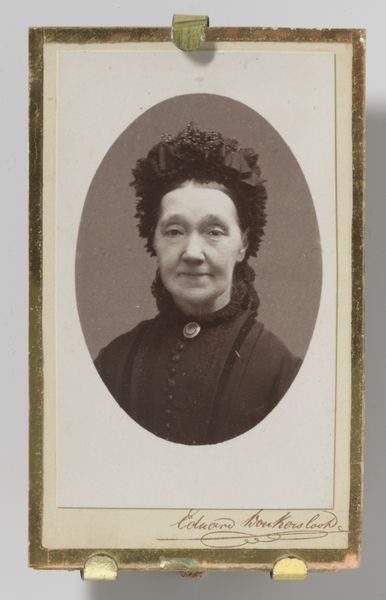
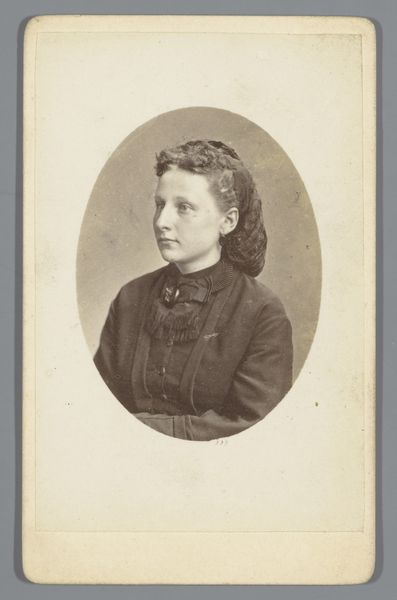
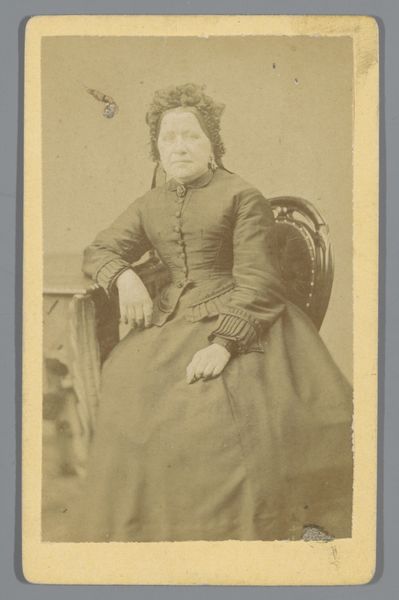
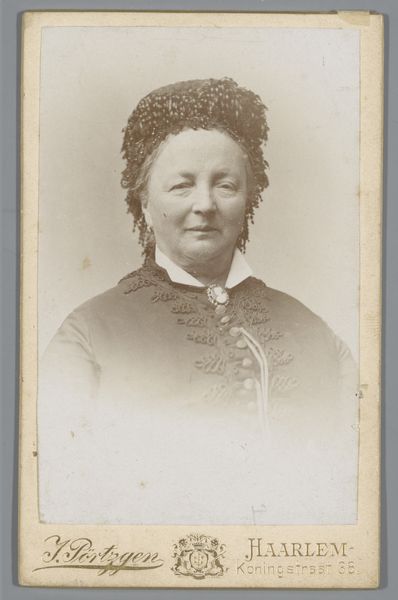
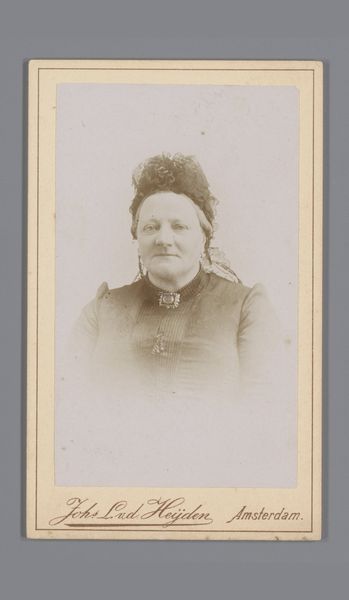
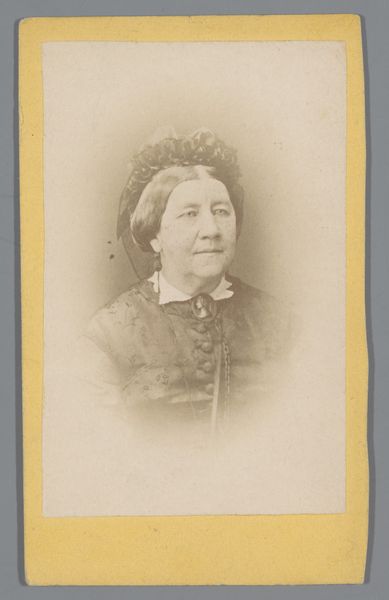
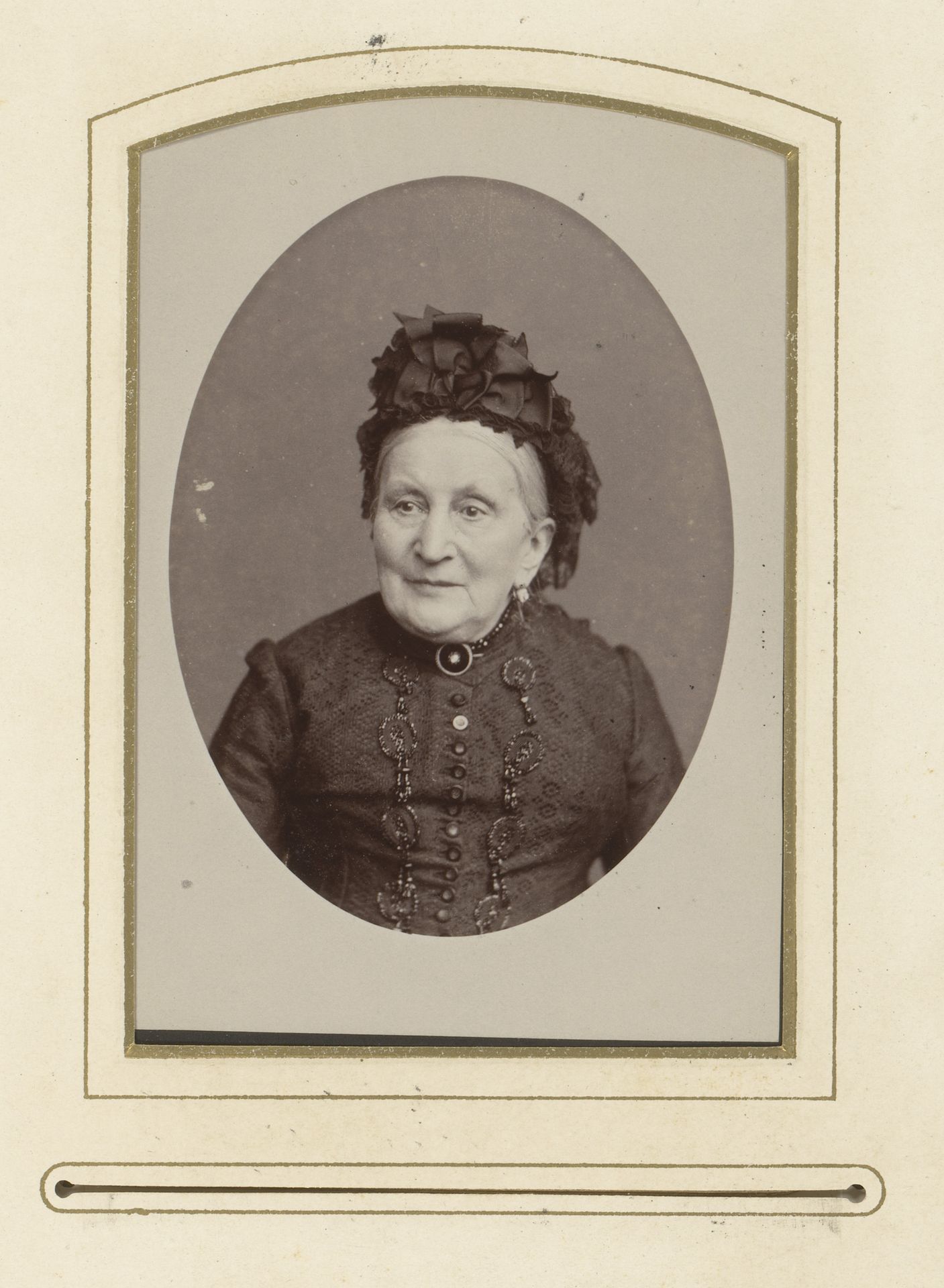
This is a photographic portrait of a woman with a black bonnet, made by Carel Eduard Westerborg. While it appears to be a straightforward likeness, photography was a relatively new medium at the time, and its production involved complex chemical processes, skilled labor, and emerging consumer markets. Photographs like these were often produced in studios, employing specialized equipment and trained photographers. The creation of a photographic print involved the careful manipulation of light, chemicals, and materials like glass plates and paper. This print is sepia-toned, giving it a warm, antique feel. The process required precision and expertise, reflecting a shift towards industrialized image-making. The rise of photography coincided with the growth of consumer culture, as portraits became more accessible to a wider audience. The black bonnet worn by the sitter reflects the conventions of the time, indicating the sitter's social standing. By considering the means of production and the social context in which it was made, we can appreciate the significance of this photographic portrait beyond its surface appearance.
Portret van een vrouw met zwarte muts
1861 - 1900

Carel Eduard Westerborg
1842 - 1916Location
RijksmuseumArtwork details
- Medium
- photography, gelatin-silver-print
- Dimensions
- height 140 mm, width 96 mm
- Location
- Rijksmuseum
- Copyright
- Rijks Museum: Open Domain
Tags
Comments
Share your thoughts
About this artwork
This is a photographic portrait of a woman with a black bonnet, made by Carel Eduard Westerborg. While it appears to be a straightforward likeness, photography was a relatively new medium at the time, and its production involved complex chemical processes, skilled labor, and emerging consumer markets. Photographs like these were often produced in studios, employing specialized equipment and trained photographers. The creation of a photographic print involved the careful manipulation of light, chemicals, and materials like glass plates and paper. This print is sepia-toned, giving it a warm, antique feel. The process required precision and expertise, reflecting a shift towards industrialized image-making. The rise of photography coincided with the growth of consumer culture, as portraits became more accessible to a wider audience. The black bonnet worn by the sitter reflects the conventions of the time, indicating the sitter's social standing. By considering the means of production and the social context in which it was made, we can appreciate the significance of this photographic portrait beyond its surface appearance.
Comments
Share your thoughts