About this artwork
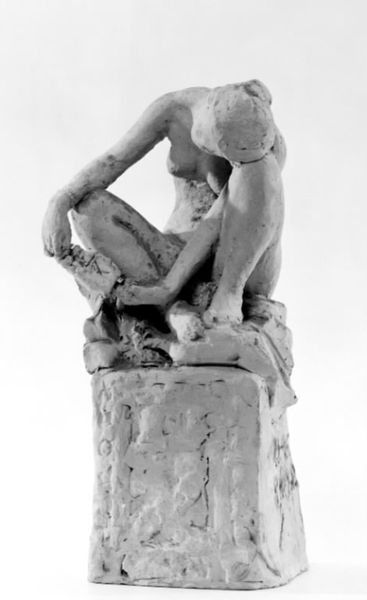
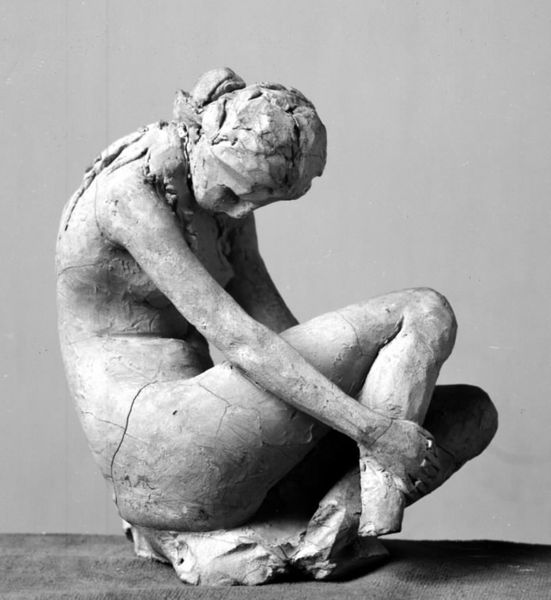
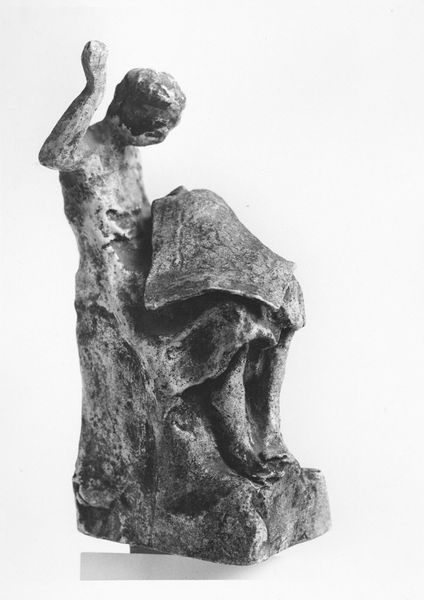
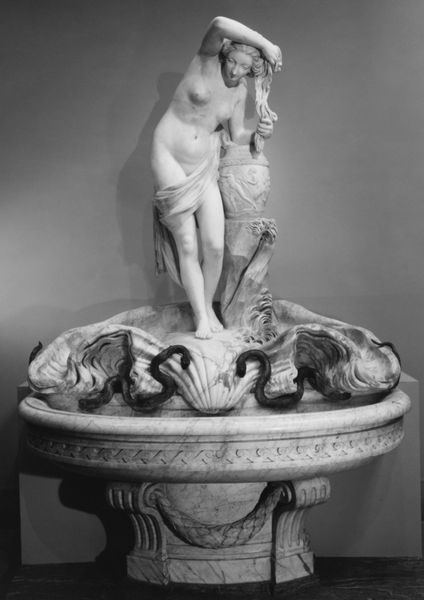
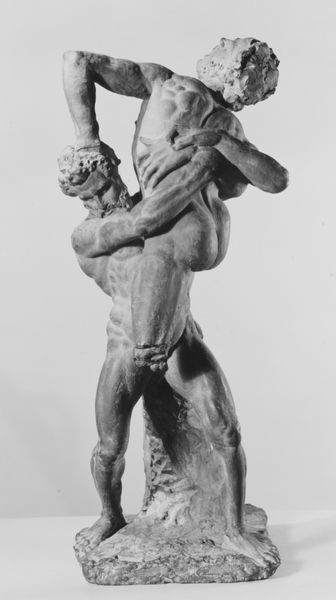
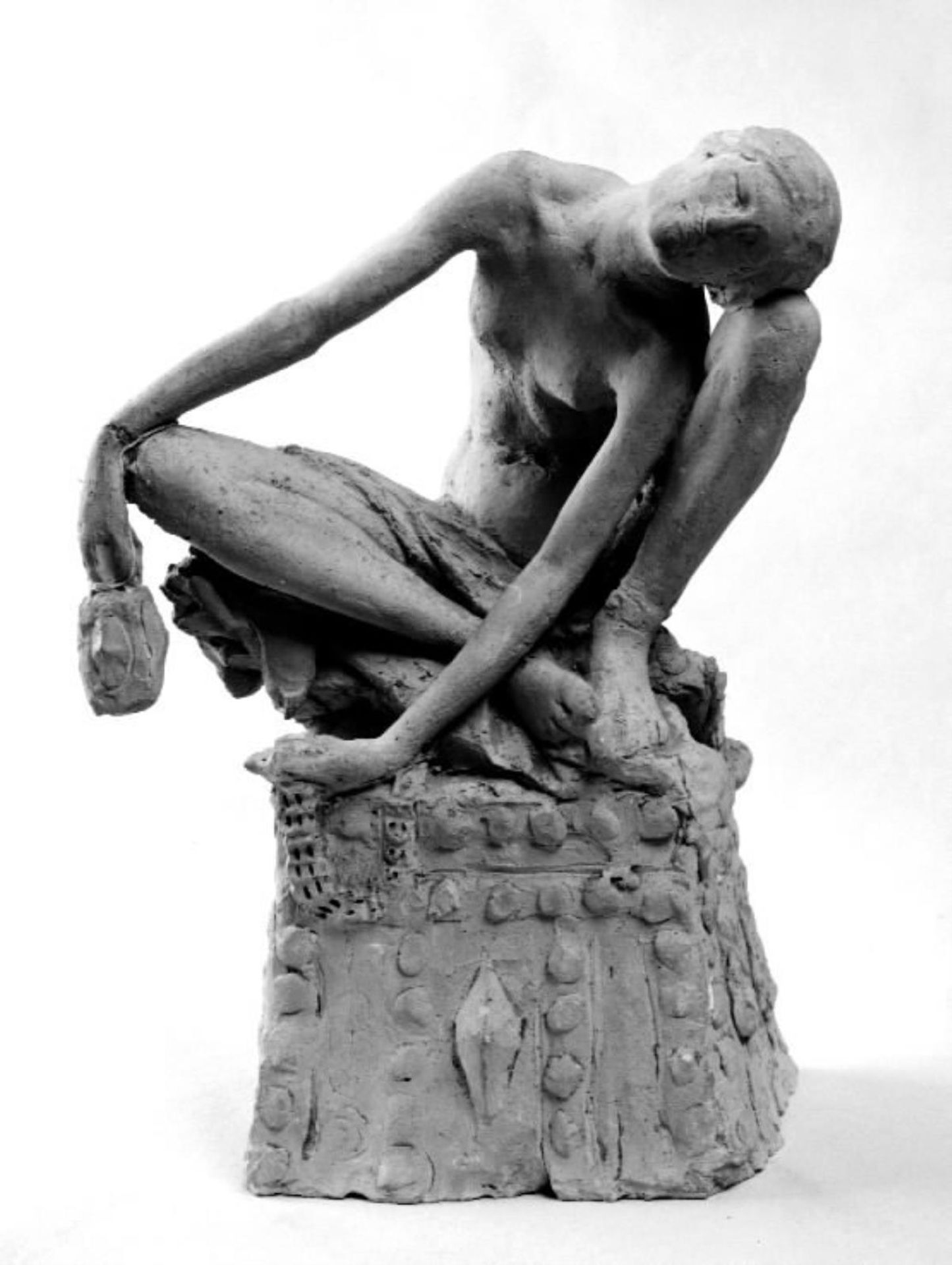
Here we see Anders Bundgaard's sculpture of a naked woman chained atop a treasure chest, crafted from clay. The figure of the chained woman is a powerful motif. She embodies a complex interplay of captivity and allure, a visual representation of the binding nature of worldly desires. Her nudity, juxtaposed with the chains, speaks to vulnerability and the loss of freedom. In antiquity, chains signified not only subjugation, but also the binding of fate, as seen in depictions of Prometheus chained to a rock. This image echoes through the ages, resurfacing in various forms, from medieval allegories to modern art. The treasure chest she sits upon further complicates this symbolism, suggesting that material wealth, while enticing, can also be a source of enslavement. The sculpture taps into a deep-seated psychological tension, a collective memory of the lure and potential entrapment of worldly possessions. This symbol evolves, taking on new layers of meaning, yet always returning to the central theme of humanity's complex relationship with its desires.
Nøgen kvinde siddende lænket på en skatkiste 1905


Artwork details
- Medium
- bronze, sculpture
- Dimensions
- 22.6 cm (height) x 17.4 cm (width) x 11.8 cm (depth) (Netto)
- Location
- SMK - Statens Museum for Kunst
Tags
portrait
sculpture
bronze
figuration
sculpture
nude
Comments
No comments
About this artwork
Here we see Anders Bundgaard's sculpture of a naked woman chained atop a treasure chest, crafted from clay. The figure of the chained woman is a powerful motif. She embodies a complex interplay of captivity and allure, a visual representation of the binding nature of worldly desires. Her nudity, juxtaposed with the chains, speaks to vulnerability and the loss of freedom. In antiquity, chains signified not only subjugation, but also the binding of fate, as seen in depictions of Prometheus chained to a rock. This image echoes through the ages, resurfacing in various forms, from medieval allegories to modern art. The treasure chest she sits upon further complicates this symbolism, suggesting that material wealth, while enticing, can also be a source of enslavement. The sculpture taps into a deep-seated psychological tension, a collective memory of the lure and potential entrapment of worldly possessions. This symbol evolves, taking on new layers of meaning, yet always returning to the central theme of humanity's complex relationship with its desires.
Comments
No comments