About this artwork
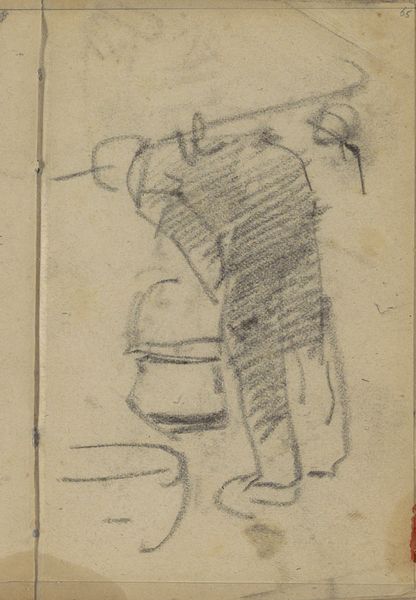
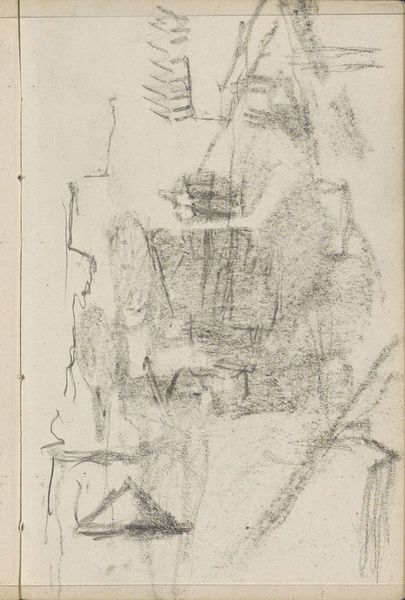
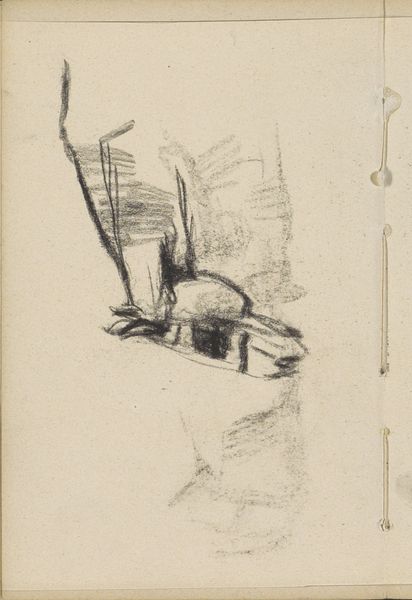
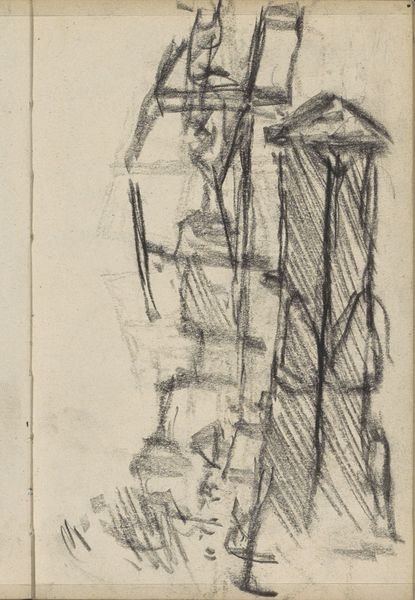
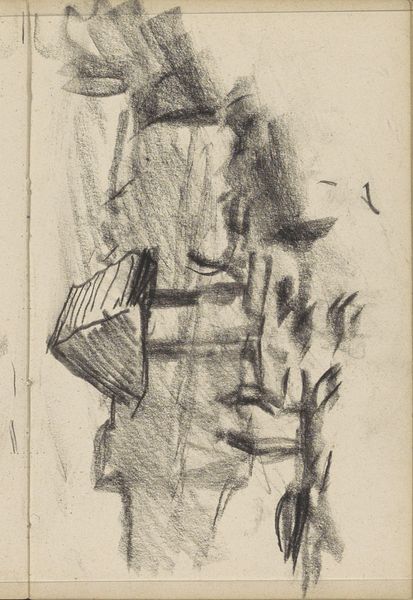
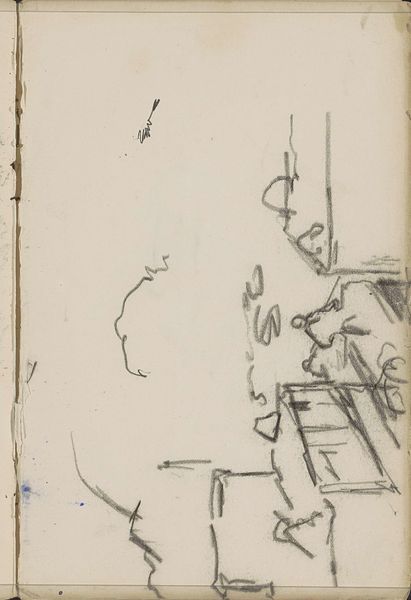
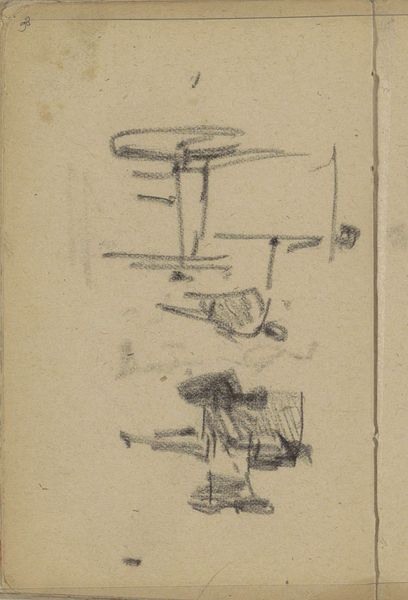
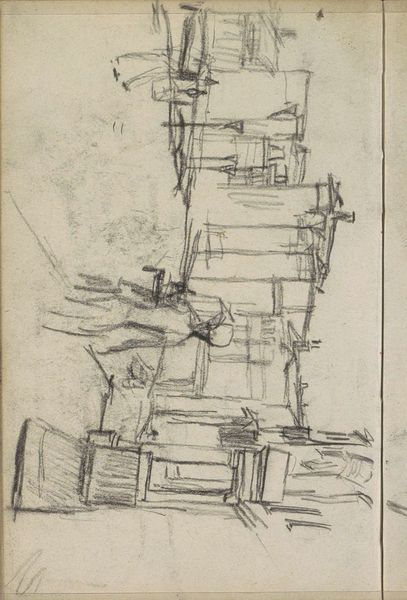
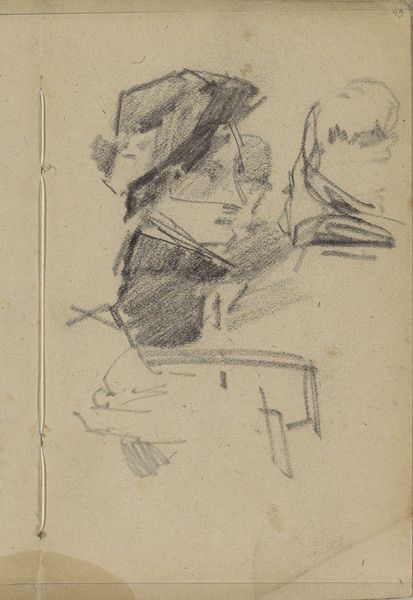
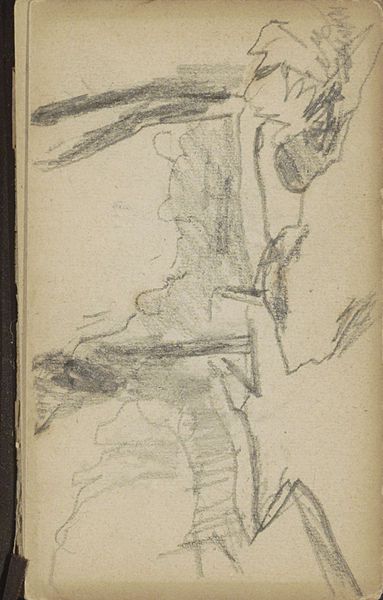
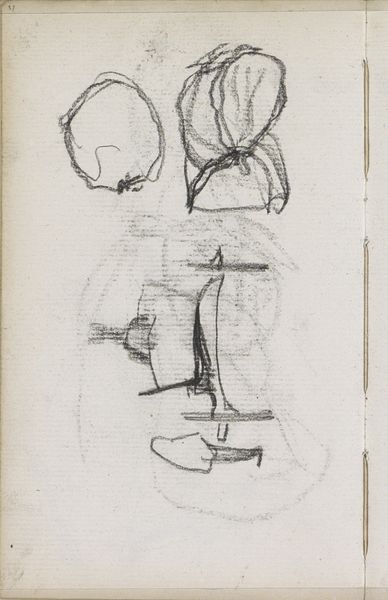
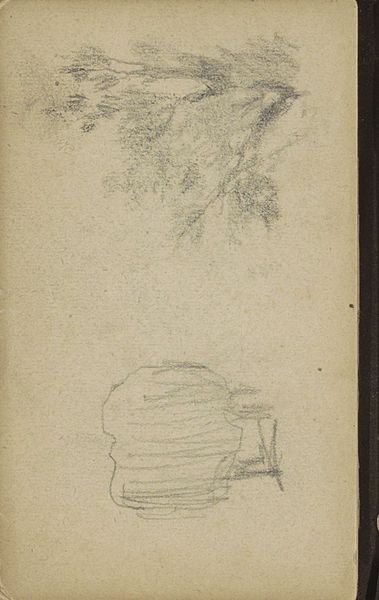
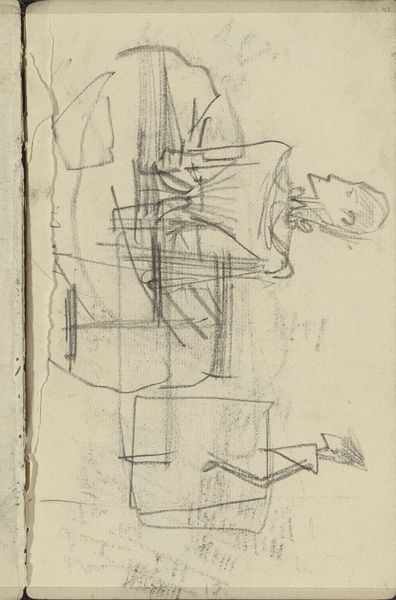
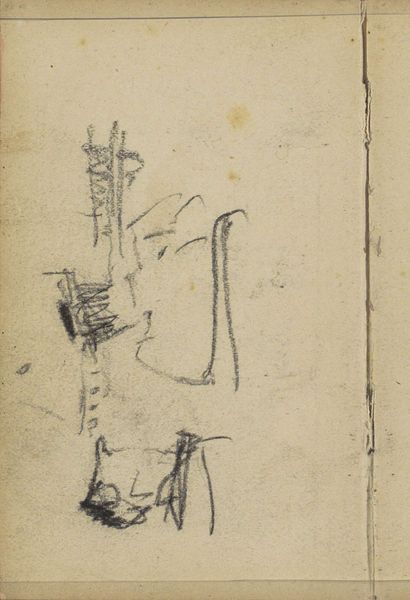
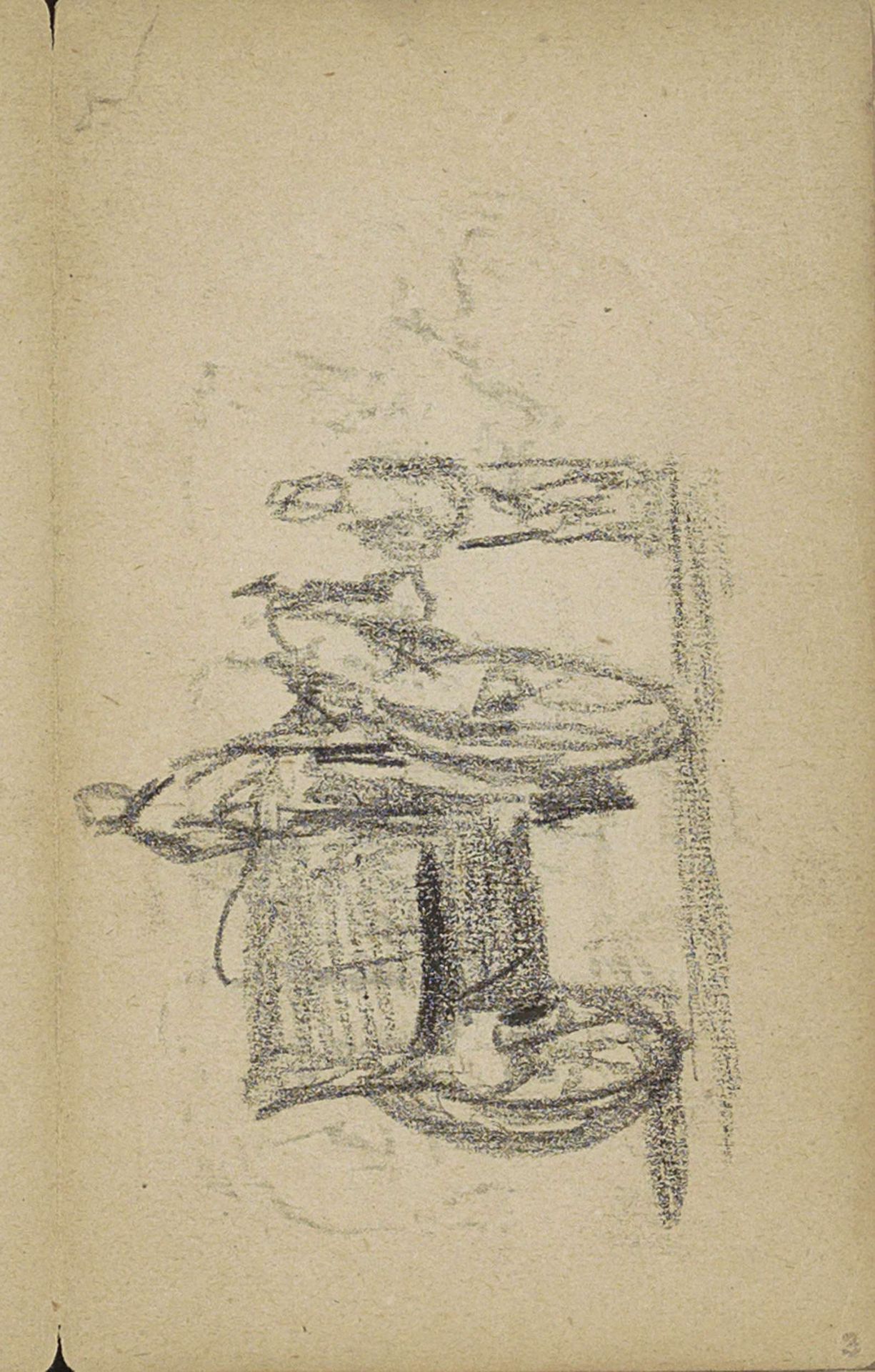
Johan Hendrik Weissenbruch made this sketch of figures around a horse-drawn cart in the Netherlands, likely during the mid to late 19th century. It offers a glimpse into the everyday lives of ordinary people, focusing on labor and transport. The image is rich in cultural context. Horse-drawn carts were essential for transportation and agriculture in the 19th-century Netherlands. Weissenbruch's choice to depict this scene reflects the growing interest in Realism, a movement that sought to portray the lives of ordinary people accurately and without romanticization. This was a progressive move, challenging the art establishment's preference for historical or allegorical subjects. To understand this work more deeply, one might explore the social and economic conditions of the Netherlands at the time. Archival records, newspapers, and studies of Dutch art institutions can shed light on the cultural values and artistic debates of the period. Art history reminds us that the meaning of art is always shaped by its social and institutional context.
Figuren op en naast een paardenkar
1834 - 1903

Johan Hendrik Weissenbruch
1824 - 1903Location
RijksmuseumArtwork details
- Medium
- drawing, pencil, graphite
- Location
- Rijksmuseum
- Copyright
- Rijks Museum: Open Domain
Tags
drawing
pencil sketch
landscape
pencil
horse
graphite
realism
Comments
Be the first to share your thoughts about this work.
About this artwork
Johan Hendrik Weissenbruch made this sketch of figures around a horse-drawn cart in the Netherlands, likely during the mid to late 19th century. It offers a glimpse into the everyday lives of ordinary people, focusing on labor and transport. The image is rich in cultural context. Horse-drawn carts were essential for transportation and agriculture in the 19th-century Netherlands. Weissenbruch's choice to depict this scene reflects the growing interest in Realism, a movement that sought to portray the lives of ordinary people accurately and without romanticization. This was a progressive move, challenging the art establishment's preference for historical or allegorical subjects. To understand this work more deeply, one might explore the social and economic conditions of the Netherlands at the time. Archival records, newspapers, and studies of Dutch art institutions can shed light on the cultural values and artistic debates of the period. Art history reminds us that the meaning of art is always shaped by its social and institutional context.
Comments
Be the first to share your thoughts about this work.