1713
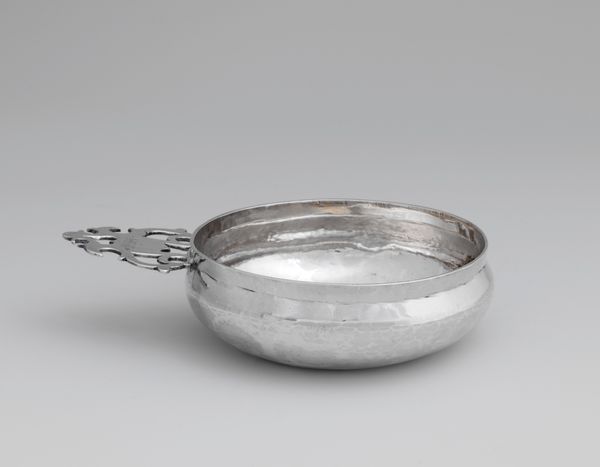
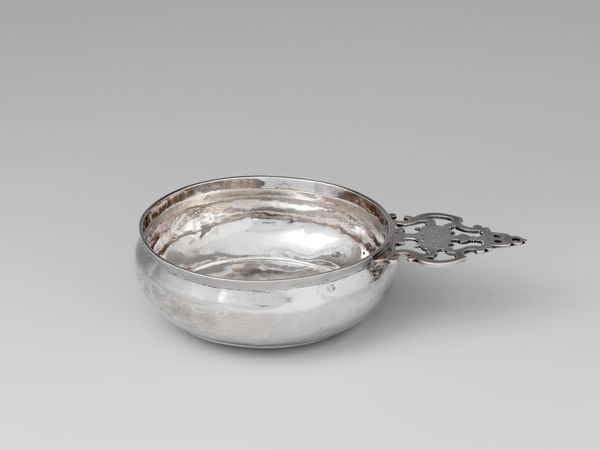
Miniature porringer


Listen to curator's interpretation
Curatorial notes
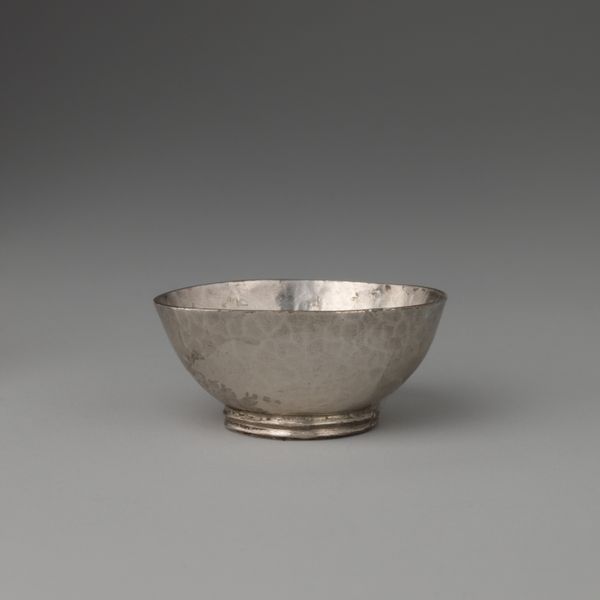
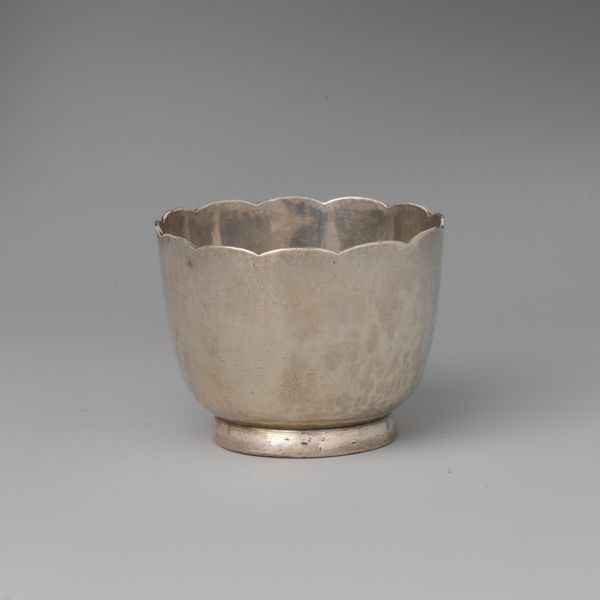
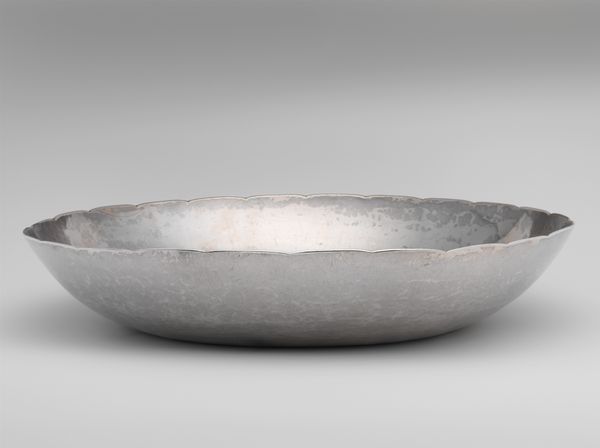
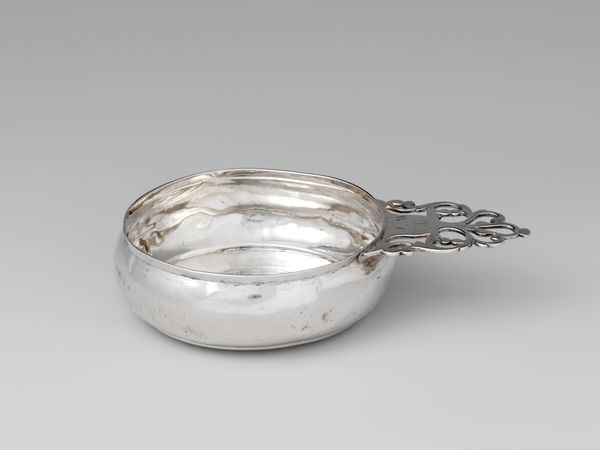
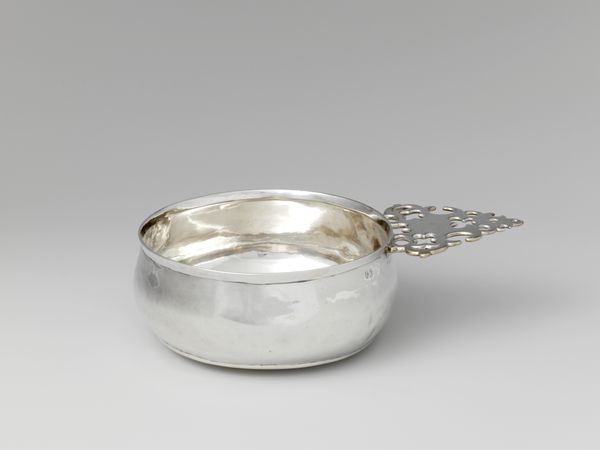
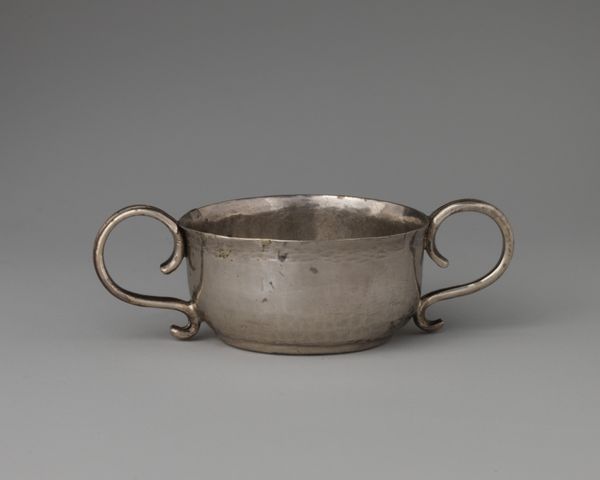
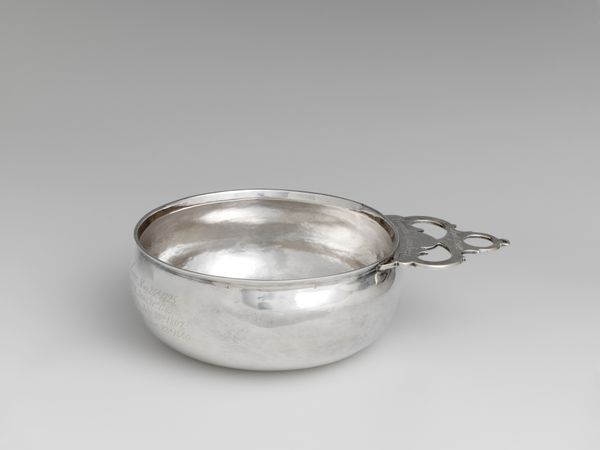
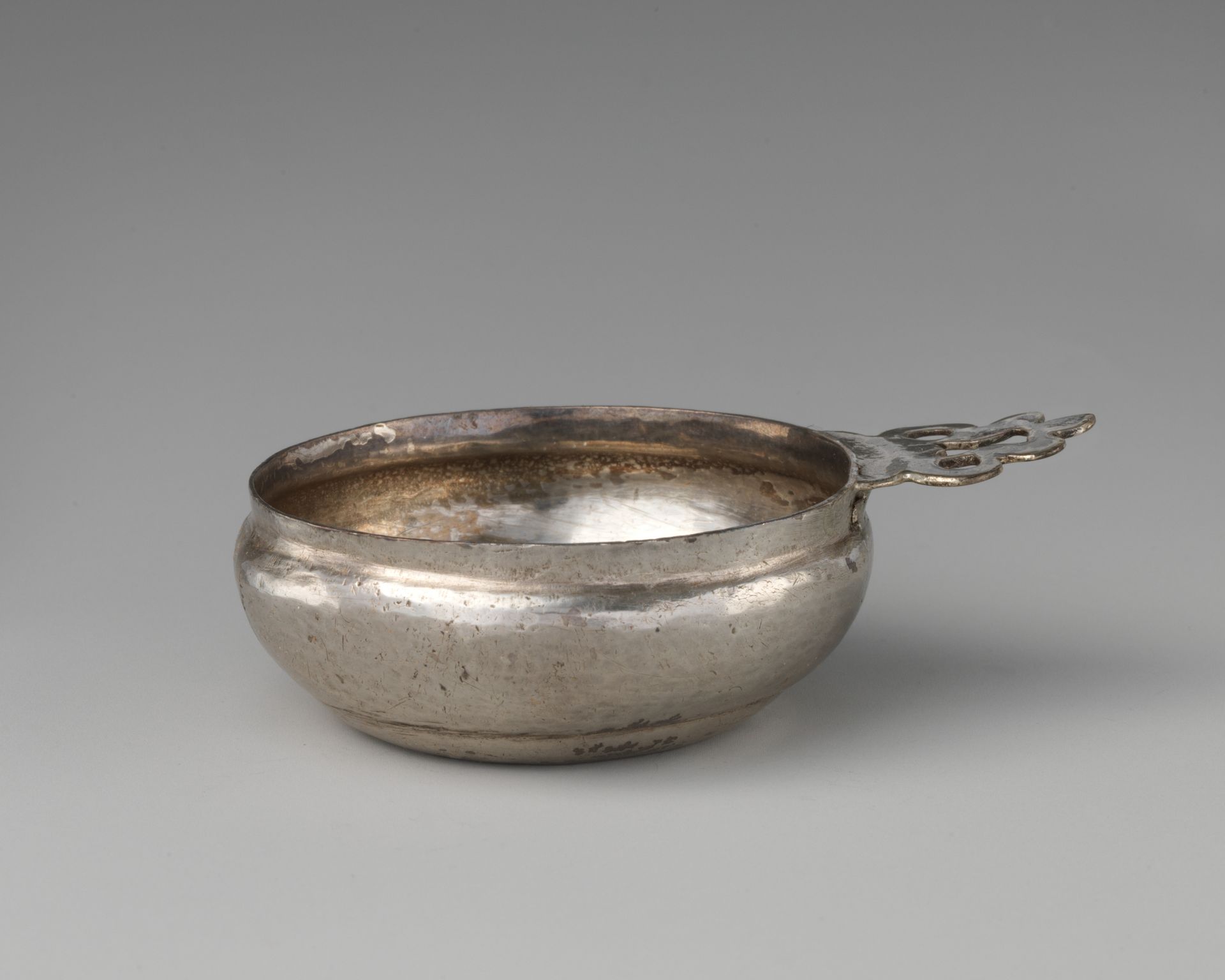
This miniature porringer was made by David Clayton, an American silversmith, likely in the late 17th or early 18th century. It’s formed from a single sheet of silver, hammered into its curved shape. Look closely, and you can see the marks left by the hammer. This texture isn't a flaw; it’s a testament to the silversmith's skill, and the labor-intensive process of hand-raising. The handle, cast separately, is attached with care. Silver, a precious material, signifies wealth and status, but the small size of this porringer suggests it was made as a toy or a display of the silversmith's virtuosity. Consider the social context: Clayton would have been part of a network of artisans, producing luxury goods for a growing merchant class. Each piece, whether functional or decorative, reflects the values and aspirations of its time. By appreciating the making, we gain a deeper understanding of the object, and its place in history.