About this artwork
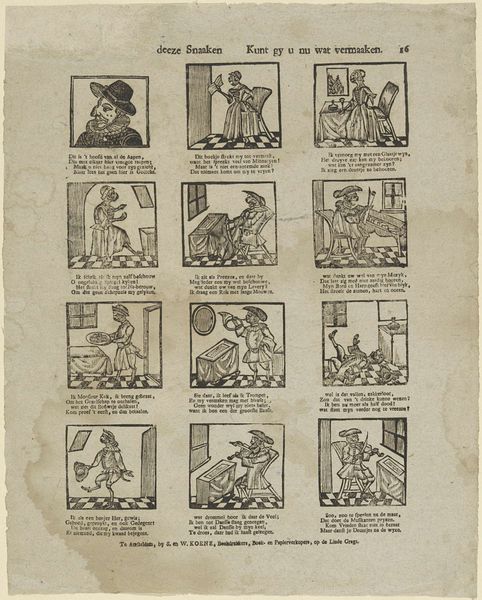
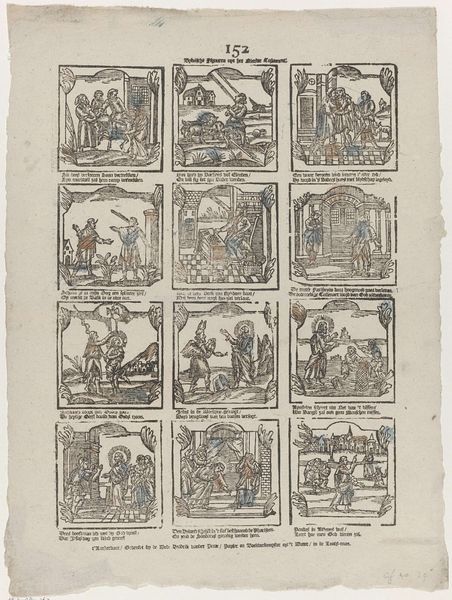
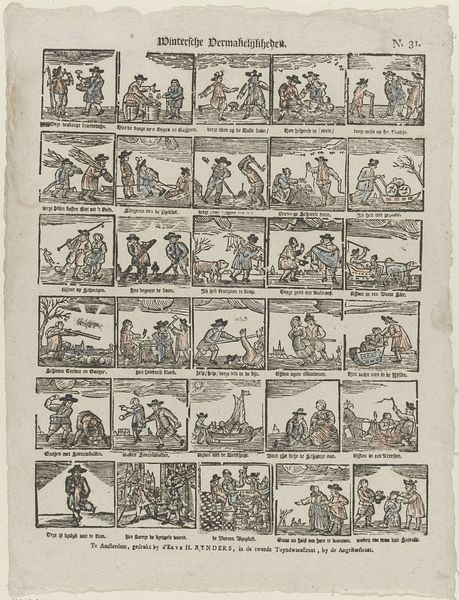
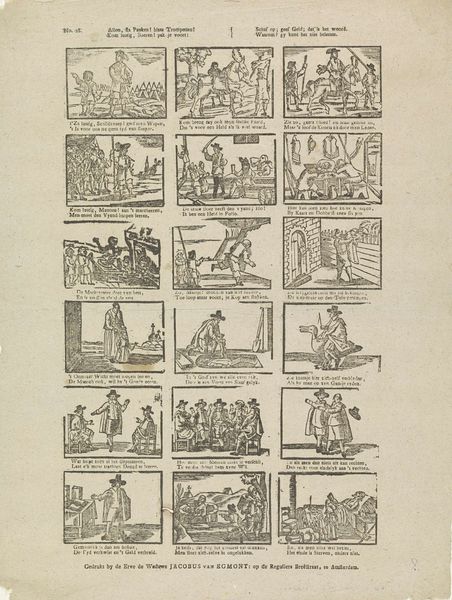
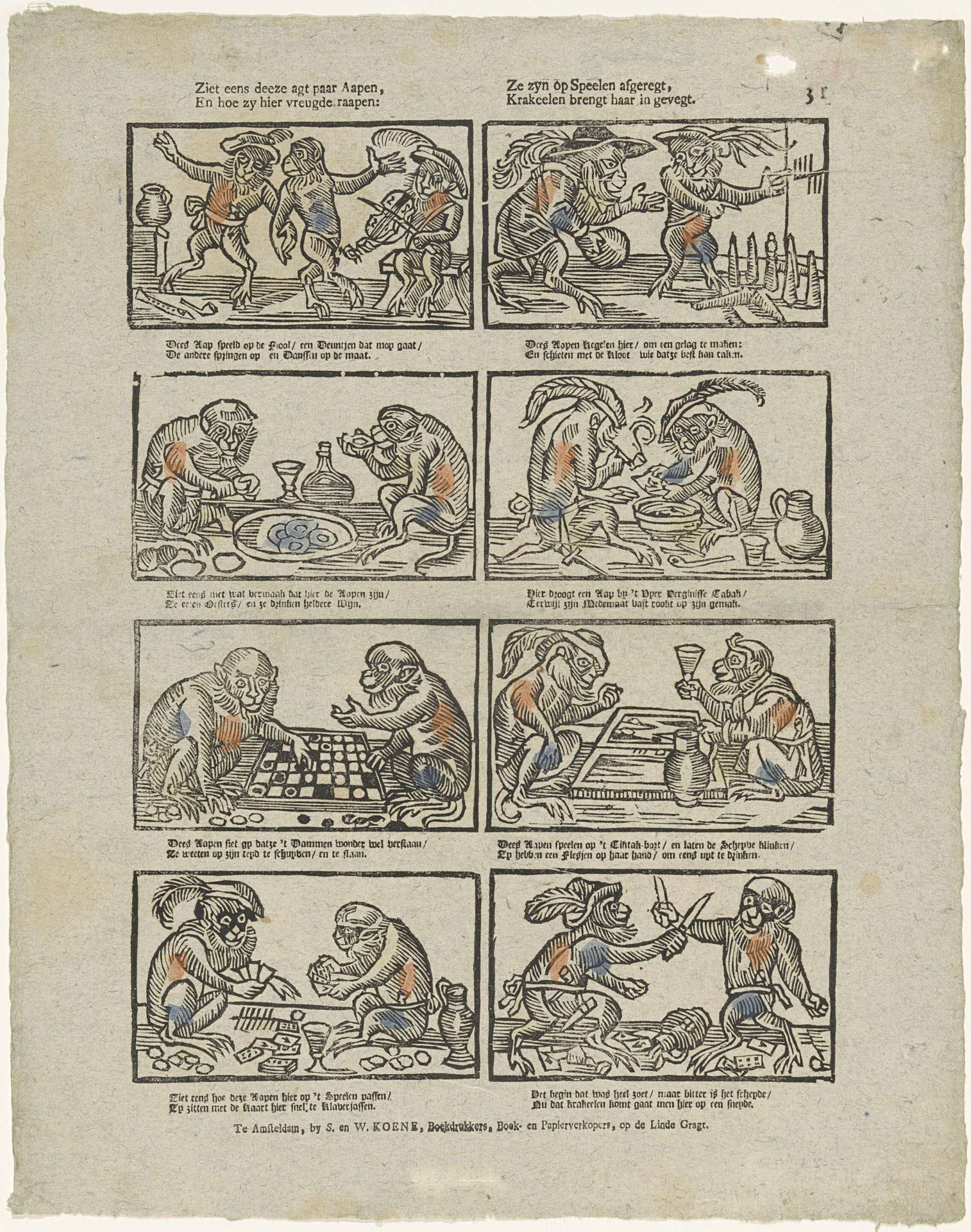
This print, made by S. and W. Koene, presents a series of scenes featuring monkeys engaged in various human activities, rendered through woodcut and letterpress. It reflects a broader cultural fascination with simian mimicry and the use of monkeys as stand-ins for human behavior. Made in Amsterdam, this print taps into the rich tradition of satirical imagery popular in the Dutch Republic. Through depictions of monkeys playing music, gambling, and even quarreling, the print offers a commentary on human folly. Its placement within the context of Dutch Golden Age print culture invites considerations of social satire and the market for popular imagery. The Koene's print thus contributes to a visual language of critique and amusement. Further research into Dutch emblem books, popular theatre, and broadside ballads of the period will shed light on the cultural significance of these images. Appreciating it requires an understanding of the unique social and institutional context in which it was made.
Ziet eens deeze agt paar Aapen, / En hoe zy hier vreugde raapen: / Ze zyn op speelen afgeregt, / Krakeelen brengt haar in gevegt
1781 - 1800

Artwork details
- Medium
- print, woodcut, engraving
- Dimensions
- height 421 mm, width 334 mm
- Copyright
- Rijks Museum: Open Domain
Tags
Comments
Share your thoughts
About this artwork
This print, made by S. and W. Koene, presents a series of scenes featuring monkeys engaged in various human activities, rendered through woodcut and letterpress. It reflects a broader cultural fascination with simian mimicry and the use of monkeys as stand-ins for human behavior. Made in Amsterdam, this print taps into the rich tradition of satirical imagery popular in the Dutch Republic. Through depictions of monkeys playing music, gambling, and even quarreling, the print offers a commentary on human folly. Its placement within the context of Dutch Golden Age print culture invites considerations of social satire and the market for popular imagery. The Koene's print thus contributes to a visual language of critique and amusement. Further research into Dutch emblem books, popular theatre, and broadside ballads of the period will shed light on the cultural significance of these images. Appreciating it requires an understanding of the unique social and institutional context in which it was made.
Comments
Share your thoughts