About this artwork
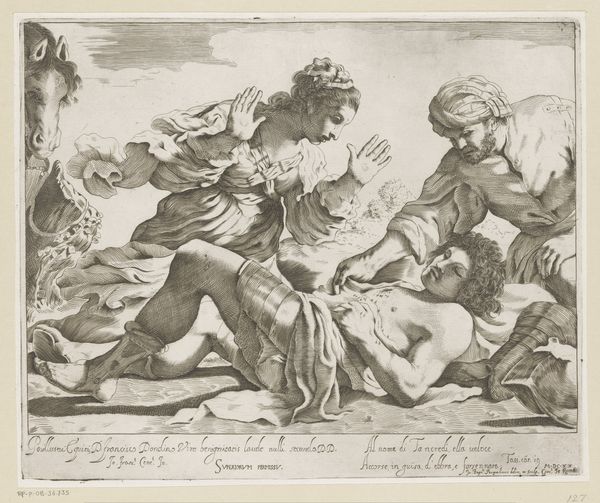
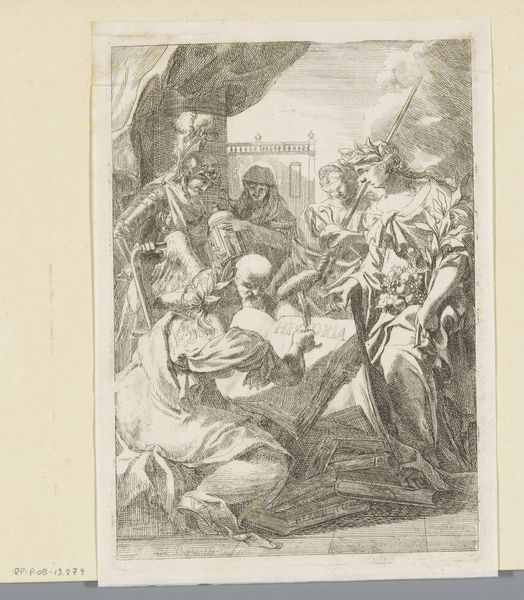
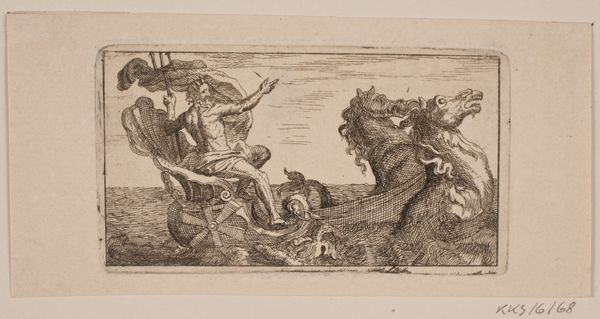
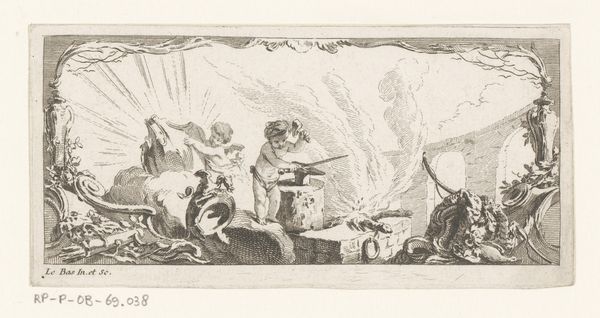
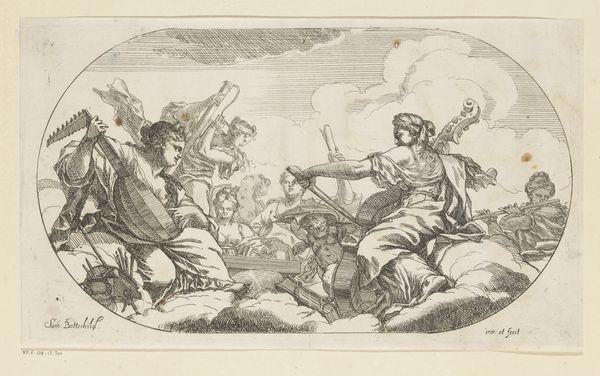
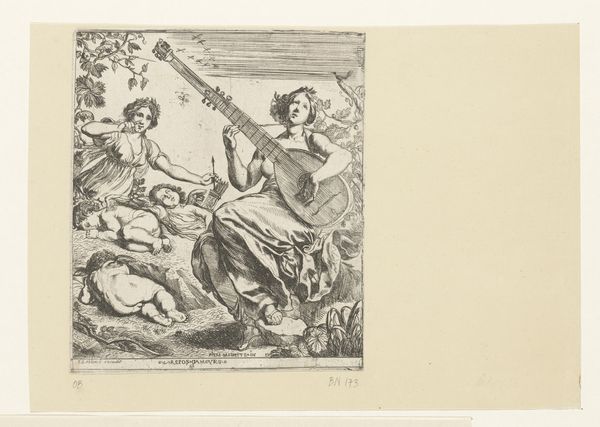
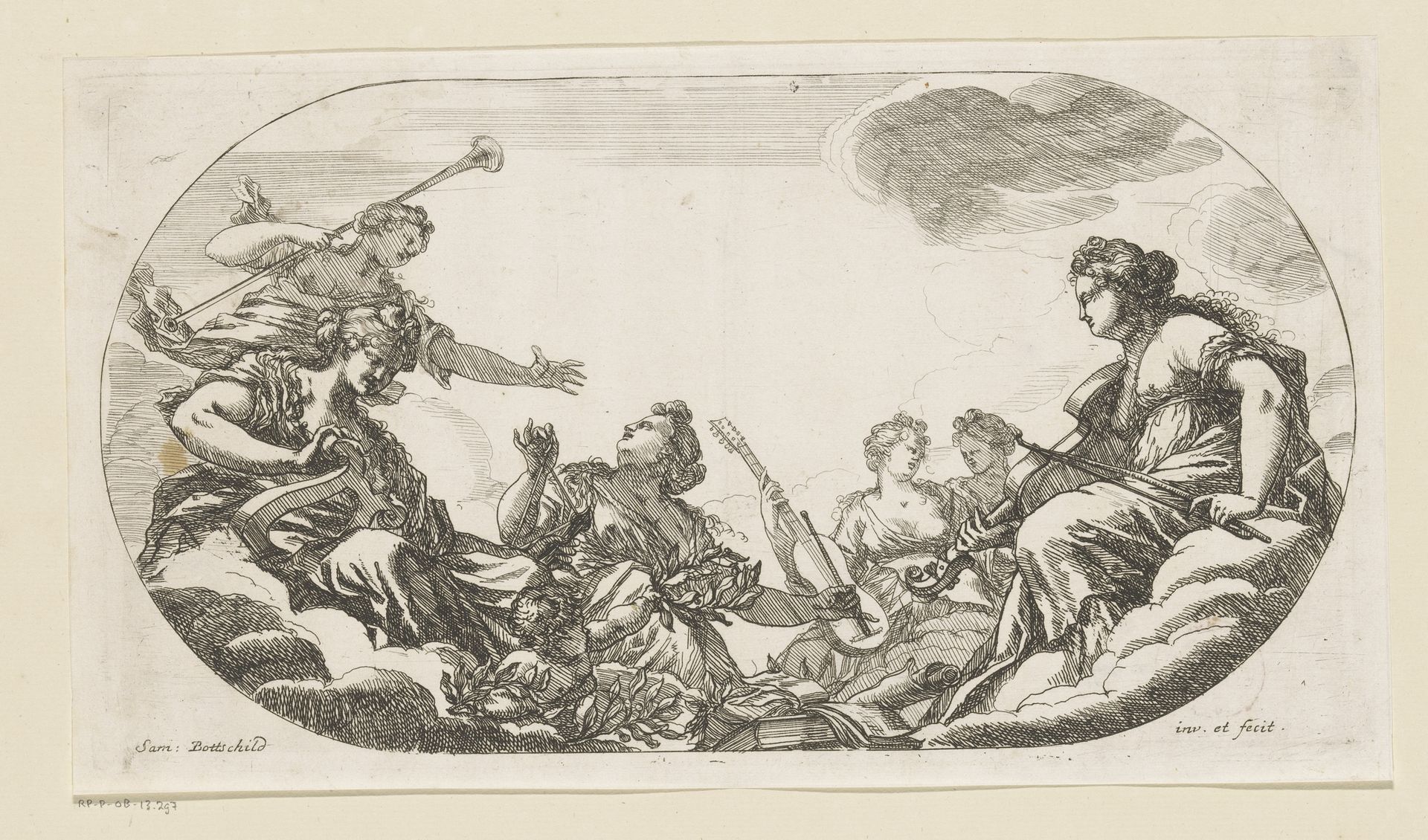
Samuel Bottschild created this print, “Muses with Instruments,” in the Netherlands in the late 17th century. It depicts the muses, goddesses of the arts, each identified by their respective instruments. In this era, the Dutch Republic experienced a cultural flourishing, fueled by economic prosperity and global trade. Art became a commodity, and artists responded to market demands, often producing works that celebrated wealth, learning, and cultural refinement. This print would have been part of a larger visual culture through which the educated classes asserted their status and their knowledge of classical culture. We can learn more about the role of images like this through archival research, examining the inventories of art collectors, publications of the time, and records of the artistic societies that sustained cultural production in the Dutch Republic. Only then can we fully understand the public role of art and the social conditions that shaped its making.

Artwork details
- Medium
- drawing, print, engraving
- Dimensions
- height 177 mm, width 328 mm
- Location
- Rijksmuseum
- Copyright
- Rijks Museum: Open Domain
Tags
drawing
allegory
baroque
pen sketch
pencil sketch
figuration
line
genre-painting
engraving
Comments
No comments
About this artwork
Samuel Bottschild created this print, “Muses with Instruments,” in the Netherlands in the late 17th century. It depicts the muses, goddesses of the arts, each identified by their respective instruments. In this era, the Dutch Republic experienced a cultural flourishing, fueled by economic prosperity and global trade. Art became a commodity, and artists responded to market demands, often producing works that celebrated wealth, learning, and cultural refinement. This print would have been part of a larger visual culture through which the educated classes asserted their status and their knowledge of classical culture. We can learn more about the role of images like this through archival research, examining the inventories of art collectors, publications of the time, and records of the artistic societies that sustained cultural production in the Dutch Republic. Only then can we fully understand the public role of art and the social conditions that shaped its making.
Comments
No comments