About this artwork
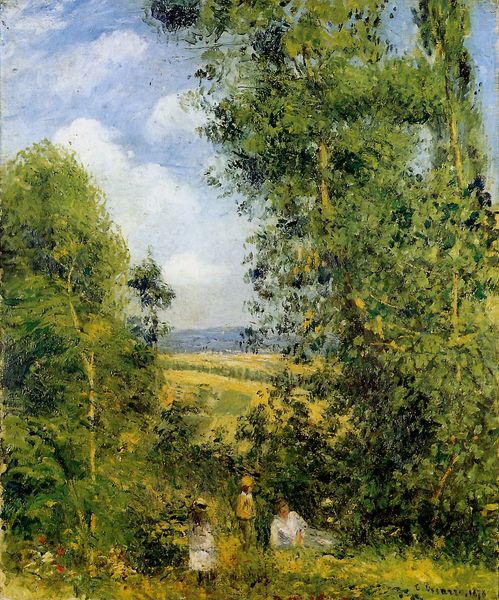
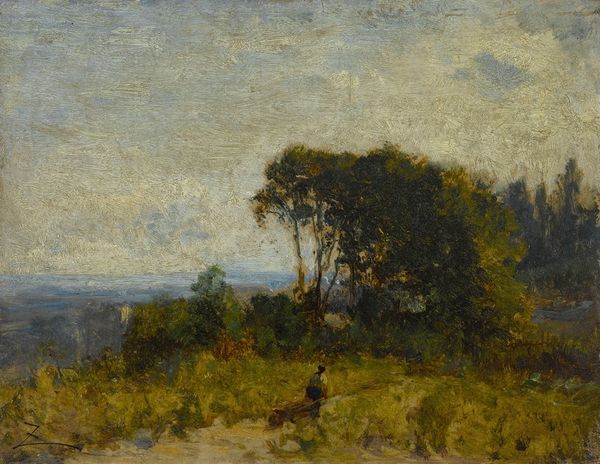
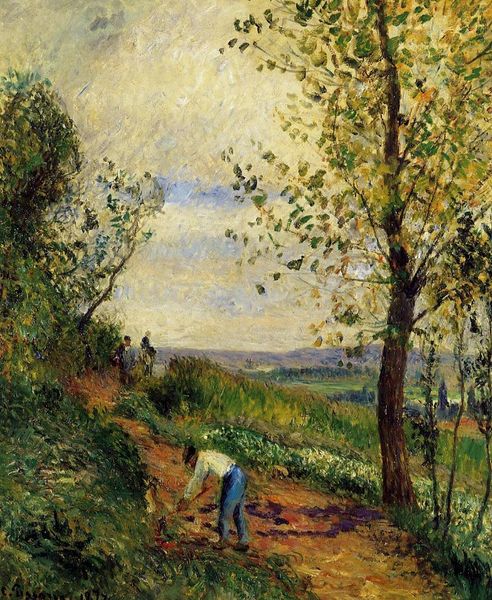
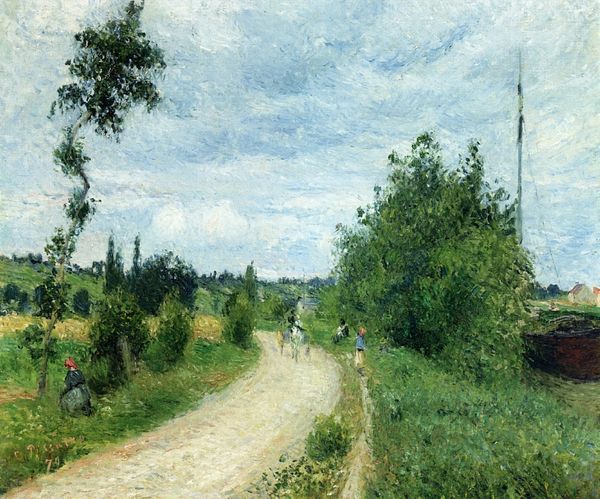
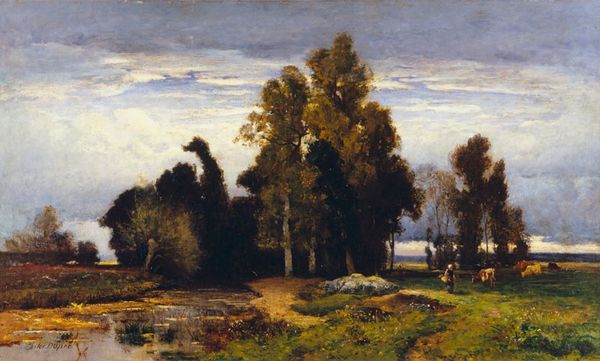
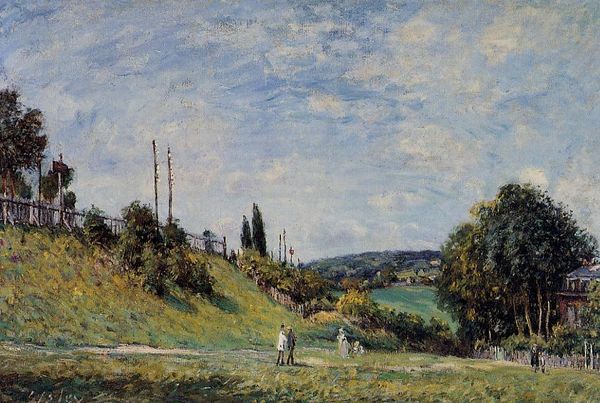
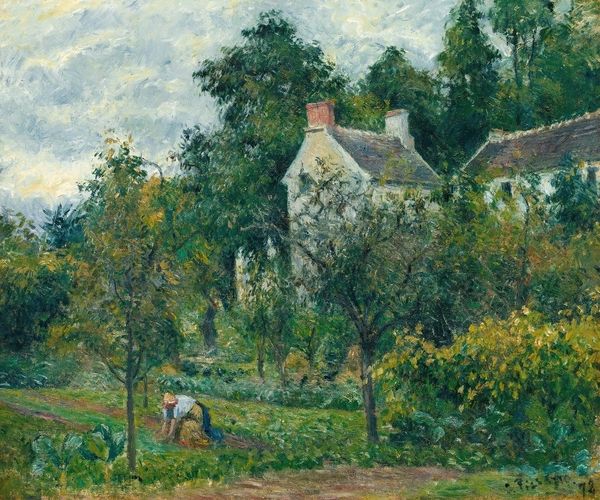
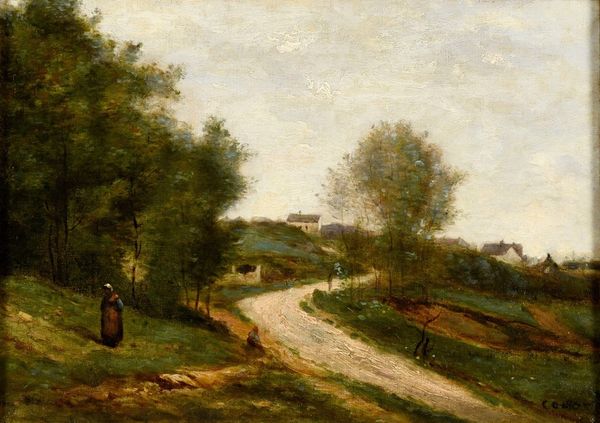
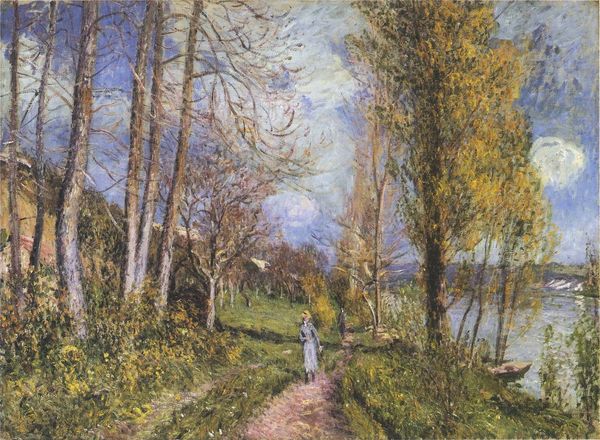
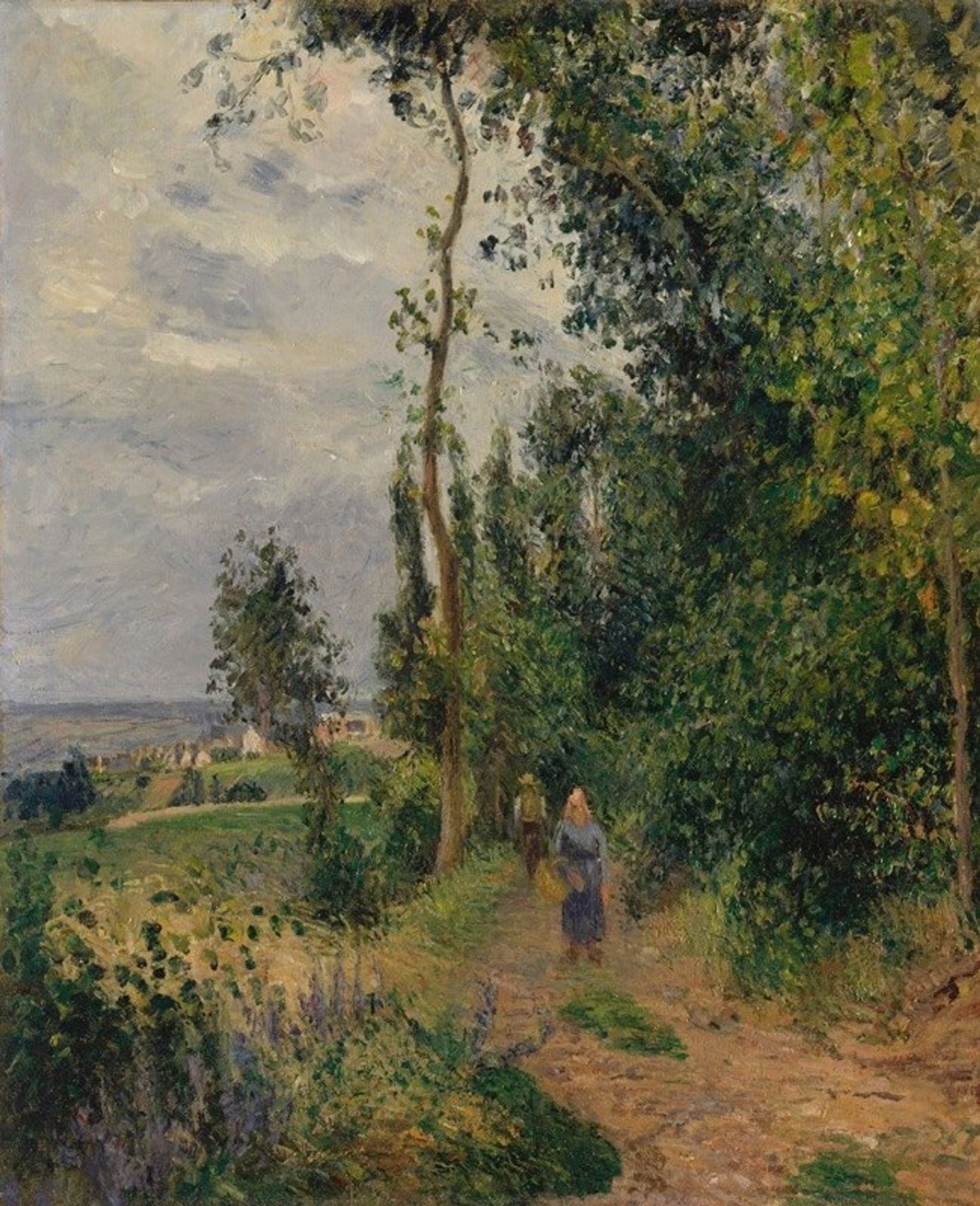
Camille Pissarro painted this landscape, Côte des Grouettes, near Pontoise, in oil on canvas in France in the late 19th century. It depicts a rural scene with peasants walking along a path, but its significance lies in its subtle commentary on the social changes of the time. Pissarro, a key figure in the Impressionist movement, often chose to depict the lives of rural workers. This was at a time when France was undergoing rapid industrialization and urbanization. By focusing on the countryside, Pissarro critiques the institutions of art by depicting the lives of ordinary people rather than idealized historical or mythological subjects. The muted color palette and loose brushwork emphasize the hard work and simple life of the peasantry. Understanding this work requires us to look at the socio-political context of 19th-century France, the rise of industrialization, and the changing role of the peasantry. Historical archives and studies of Impressionism can provide further insights into this artwork's nuanced social commentary.

Artwork details
- Medium
- plein-air, oil-paint
- Copyright
- Public Domain: Artvee
Tags
impressionism
plein-air
oil-paint
landscape
figuration
nature
oil painting
Comments
No comments
About this artwork
Camille Pissarro painted this landscape, Côte des Grouettes, near Pontoise, in oil on canvas in France in the late 19th century. It depicts a rural scene with peasants walking along a path, but its significance lies in its subtle commentary on the social changes of the time. Pissarro, a key figure in the Impressionist movement, often chose to depict the lives of rural workers. This was at a time when France was undergoing rapid industrialization and urbanization. By focusing on the countryside, Pissarro critiques the institutions of art by depicting the lives of ordinary people rather than idealized historical or mythological subjects. The muted color palette and loose brushwork emphasize the hard work and simple life of the peasantry. Understanding this work requires us to look at the socio-political context of 19th-century France, the rise of industrialization, and the changing role of the peasantry. Historical archives and studies of Impressionism can provide further insights into this artwork's nuanced social commentary.
Comments
No comments