About this artwork
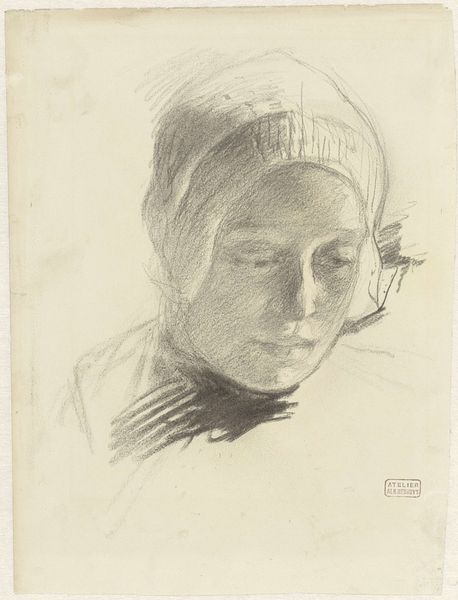
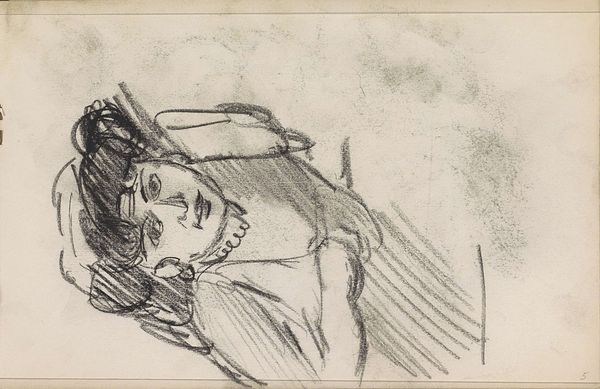
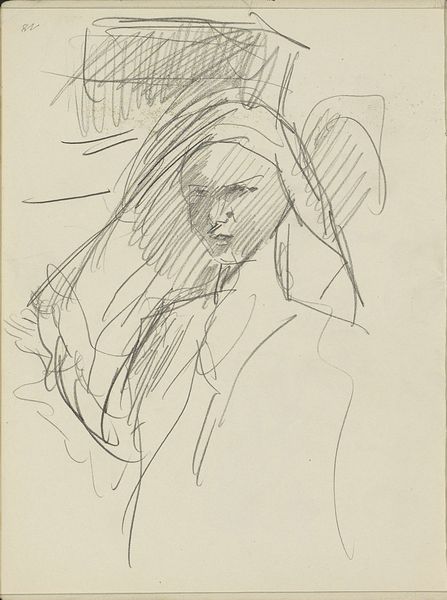
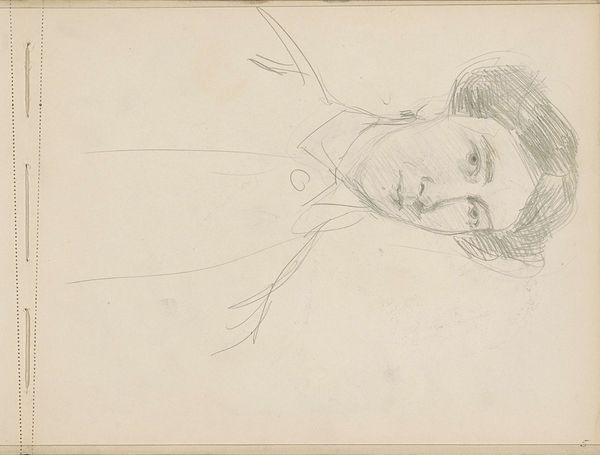
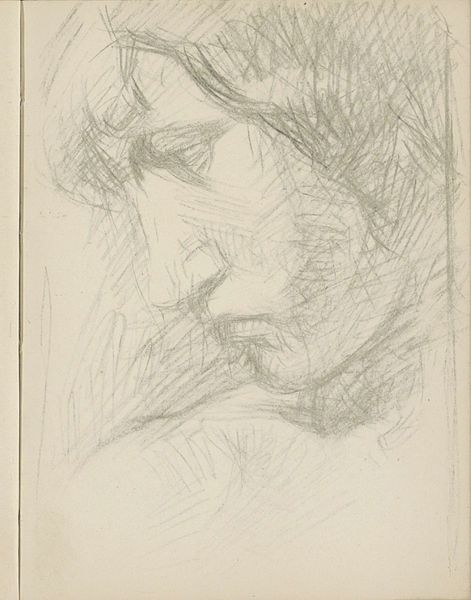
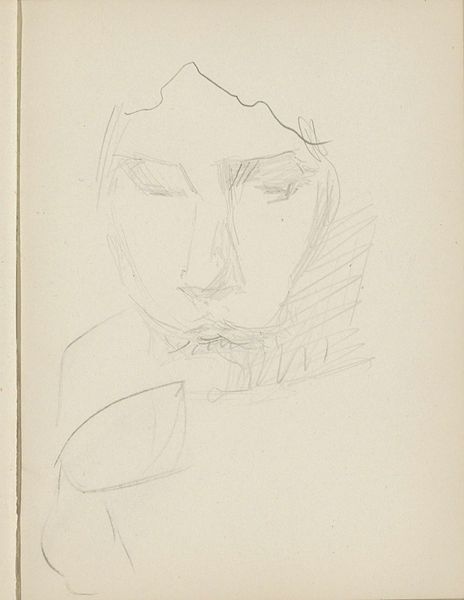
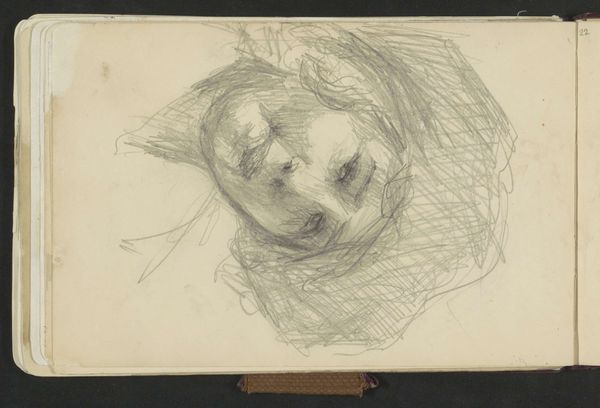
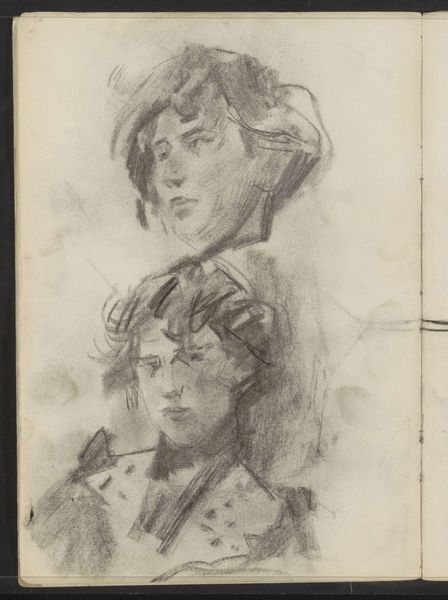
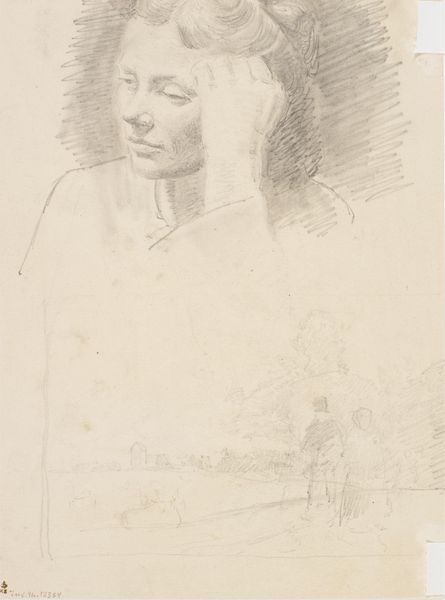
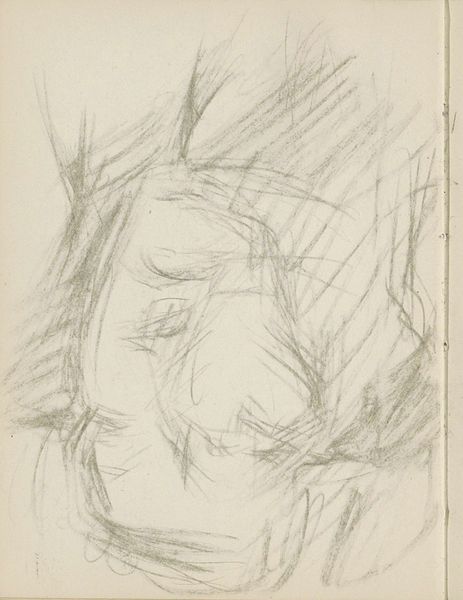
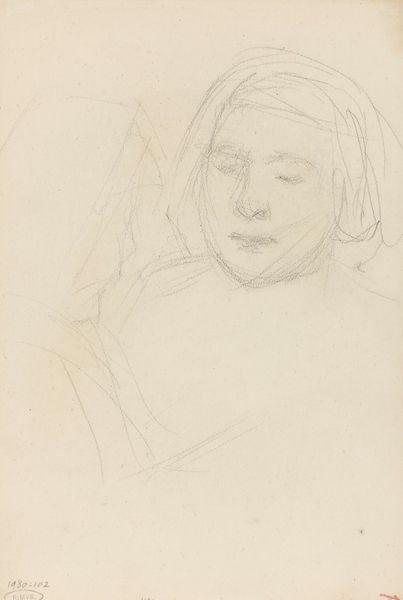
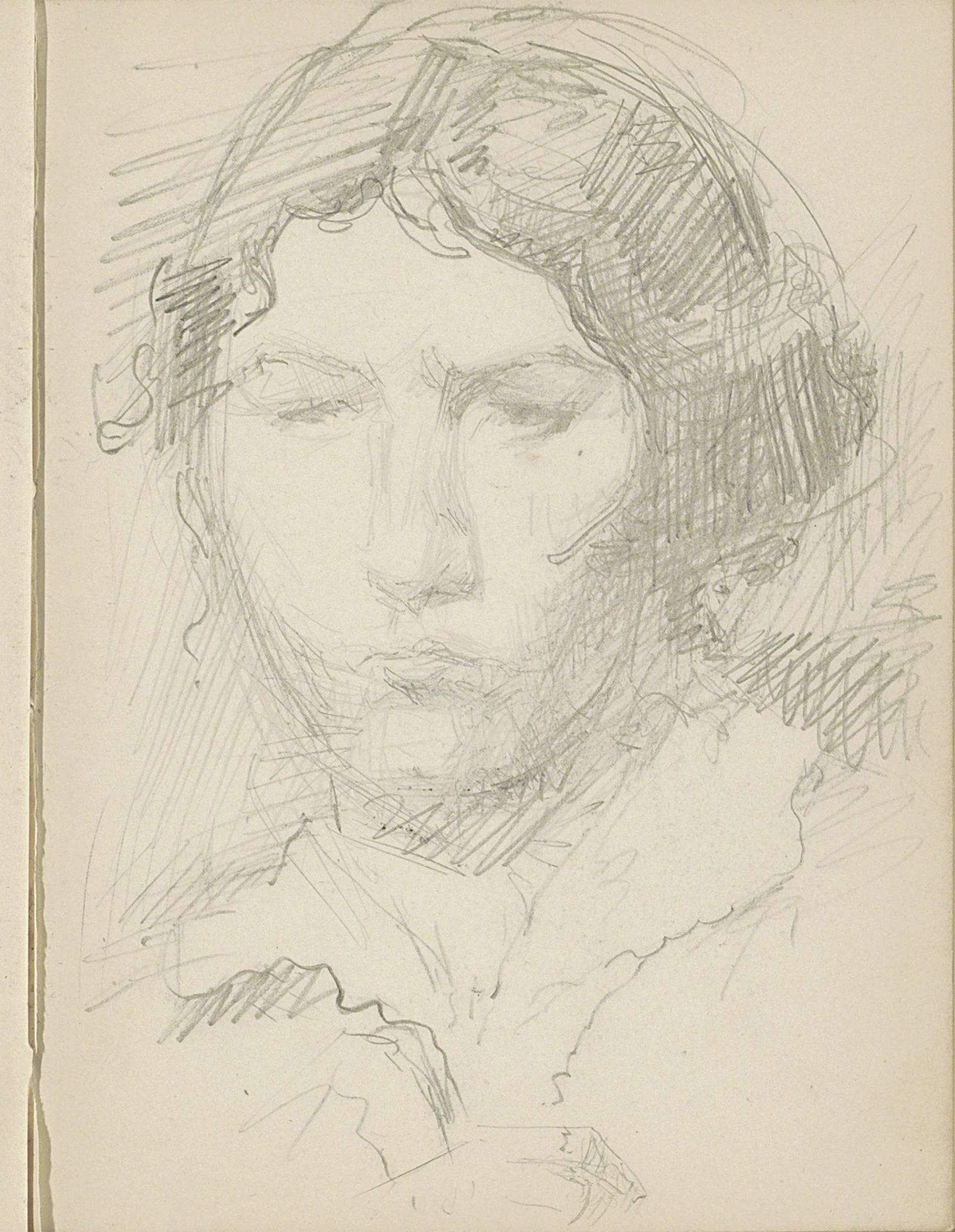
This is Reijer Stolk’s pencil portrait of a woman, hanging here at the Rijksmuseum. See how the whole image is built from a collection of small marks; these lines together construct an image and a likeness. It’s an approach to image making that embraces the process. The texture of the work is all in those lines. Looking closely you can see where Stolk has layered them, letting areas become denser, darker, and more defined. It feels like he's feeling his way across the paper, mapping the contours of her face. The marks around the hair, see how they almost vibrate with energy? It’s as if the hair isn't just sitting still, but moving, alive with its own dynamic force. This piece reminds me of the work of Paula Modersohn-Becker, who was also interested in the subtleties of the human form, and how to capture it in just a few lines. I like how Stolk embraces ambiguity, leaving space for our own interpretations to fill the gaps.

Artwork details
- Medium
- drawing, paper, pencil, graphite
- Location
- Rijksmuseum
- Copyright
- Rijks Museum: Open Domain
Tags
portrait
pencil drawn
drawing
pencil sketch
figuration
paper
pencil drawing
pencil
graphite
portrait drawing
realism
Comments
No comments
About this artwork
This is Reijer Stolk’s pencil portrait of a woman, hanging here at the Rijksmuseum. See how the whole image is built from a collection of small marks; these lines together construct an image and a likeness. It’s an approach to image making that embraces the process. The texture of the work is all in those lines. Looking closely you can see where Stolk has layered them, letting areas become denser, darker, and more defined. It feels like he's feeling his way across the paper, mapping the contours of her face. The marks around the hair, see how they almost vibrate with energy? It’s as if the hair isn't just sitting still, but moving, alive with its own dynamic force. This piece reminds me of the work of Paula Modersohn-Becker, who was also interested in the subtleties of the human form, and how to capture it in just a few lines. I like how Stolk embraces ambiguity, leaving space for our own interpretations to fill the gaps.
Comments
No comments