About this artwork
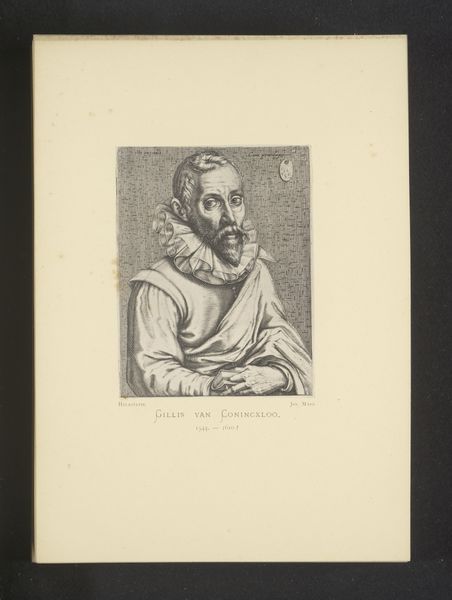
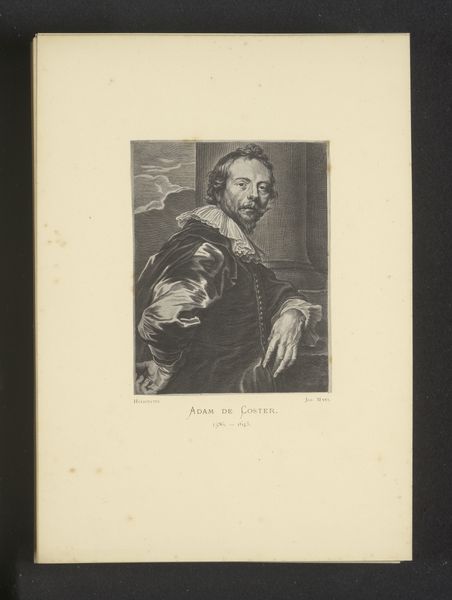
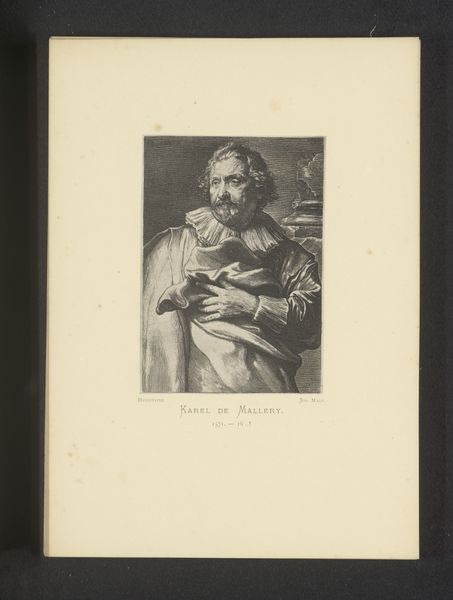
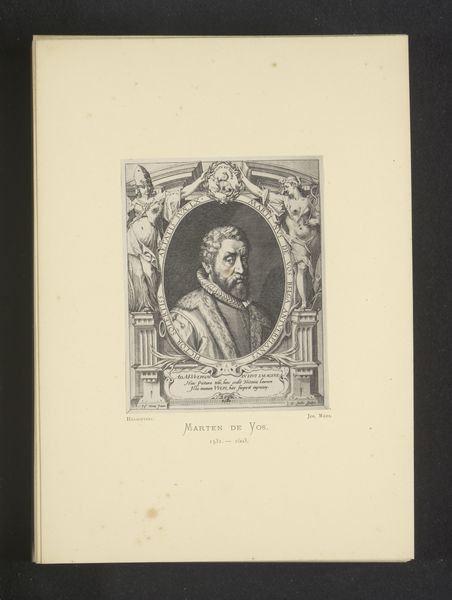
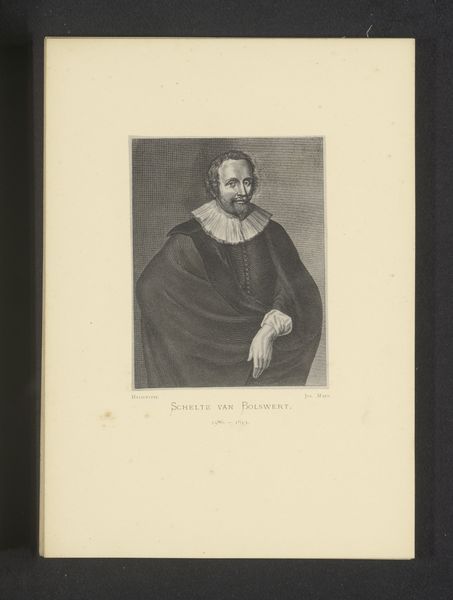
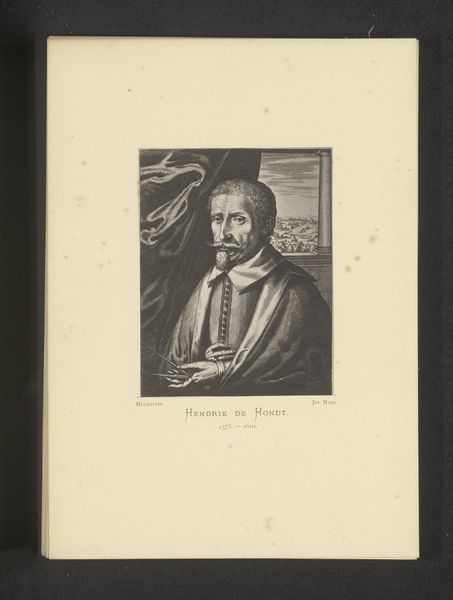
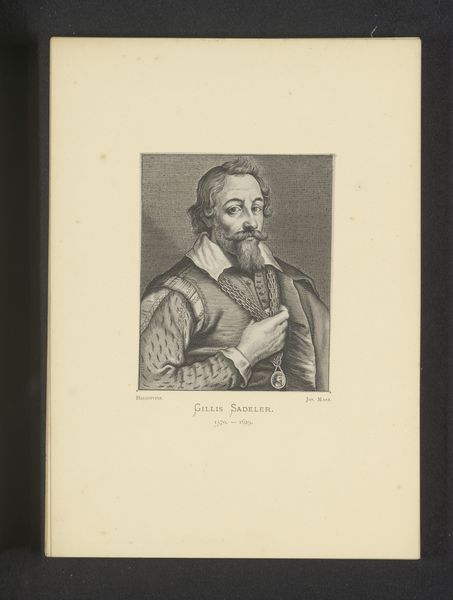
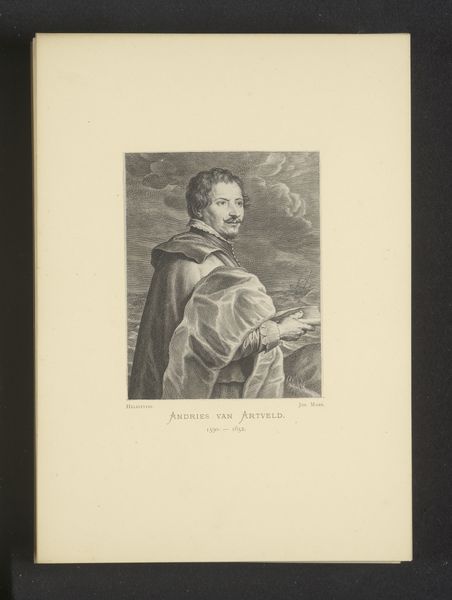
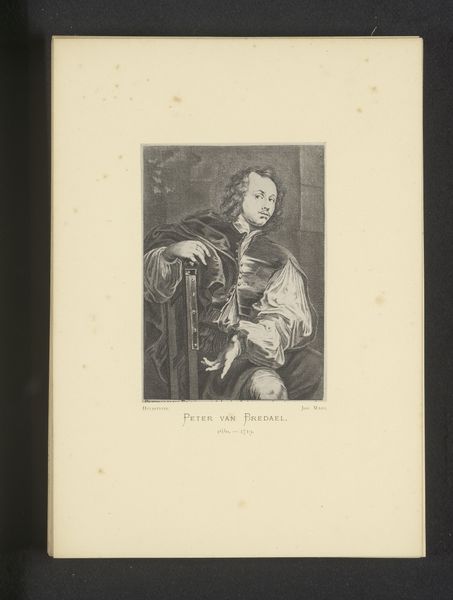
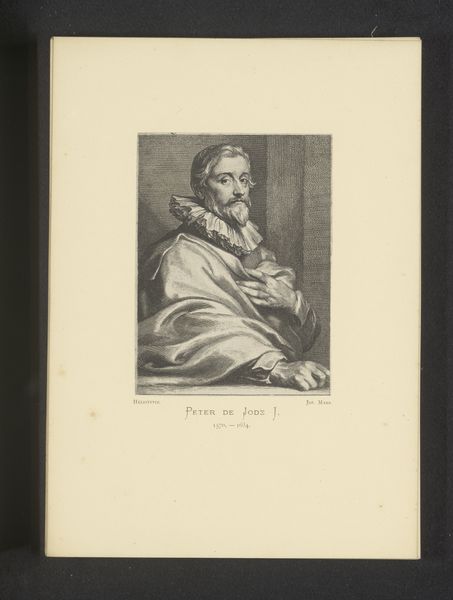
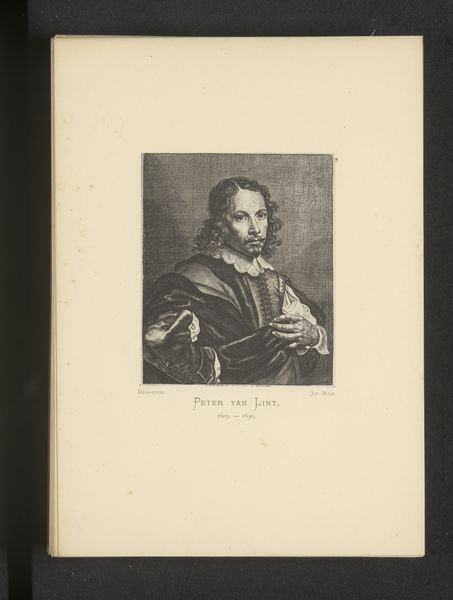
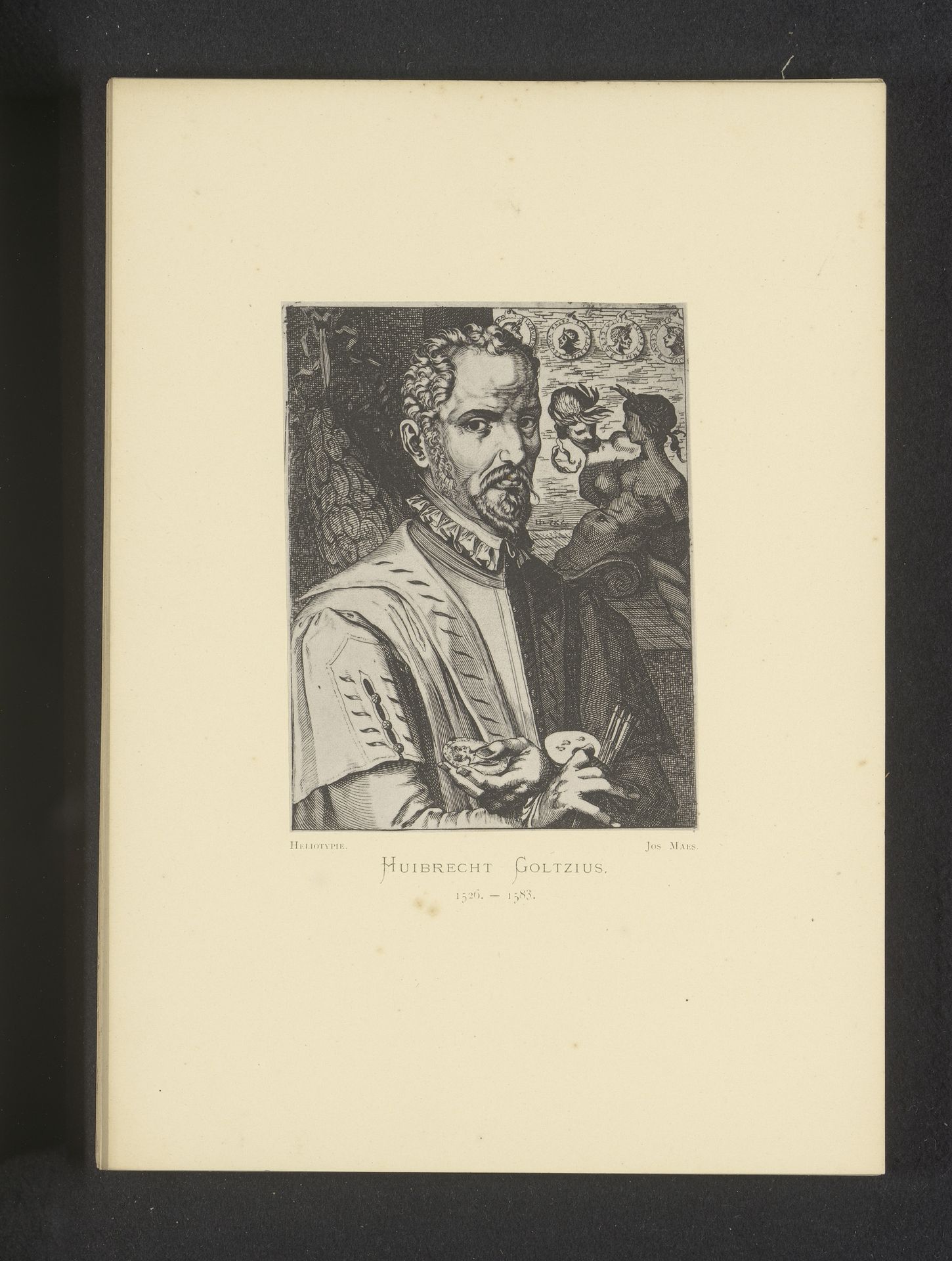
Joseph Maes made this reproduction of a portrait of Hubert Goltzius with engraving. Although Maes made it in the 19th century, he deliberately evokes an earlier period. The original portrait was by Simon Frisius, who was working in the 17th century, but the original subject, Hubert Goltzius, was a 16th-century humanist and printer. Goltzius published books on classical history and numismatics. His self-presentation in the original portrait, now captured by Maes, emphasized his scholarly achievements. Maes made this reproduction long after Goltzius’ death, in a changed social environment. The 19th century was the heyday of the printing press. The mass production of books changed the status of the scholar, making knowledge accessible to more people than ever before. To understand art like this, we might consult libraries, archives, and collections of printed ephemera. The meaning of this piece is contingent on the changing place of scholars and intellectuals within society.
Reproductie van een gravure van een portret van Hubert Goltzius door Simon Frisius
before 1877

Artwork details
- Medium
- print, paper, engraving
- Dimensions
- height 117 mm, width 90 mm
- Copyright
- Rijks Museum: Open Domain
Tags
Comments
Share your thoughts
About this artwork
Joseph Maes made this reproduction of a portrait of Hubert Goltzius with engraving. Although Maes made it in the 19th century, he deliberately evokes an earlier period. The original portrait was by Simon Frisius, who was working in the 17th century, but the original subject, Hubert Goltzius, was a 16th-century humanist and printer. Goltzius published books on classical history and numismatics. His self-presentation in the original portrait, now captured by Maes, emphasized his scholarly achievements. Maes made this reproduction long after Goltzius’ death, in a changed social environment. The 19th century was the heyday of the printing press. The mass production of books changed the status of the scholar, making knowledge accessible to more people than ever before. To understand art like this, we might consult libraries, archives, and collections of printed ephemera. The meaning of this piece is contingent on the changing place of scholars and intellectuals within society.
Comments
Share your thoughts