About this artwork
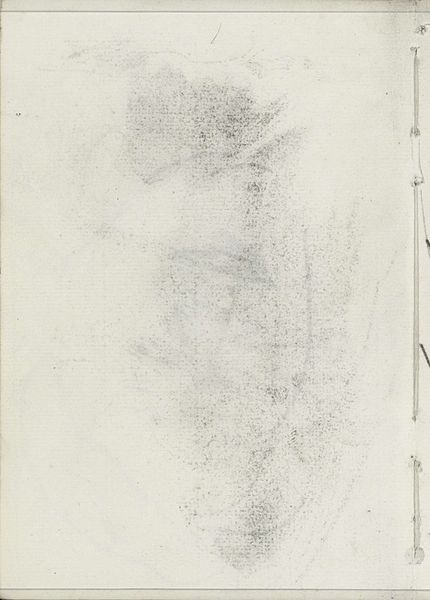
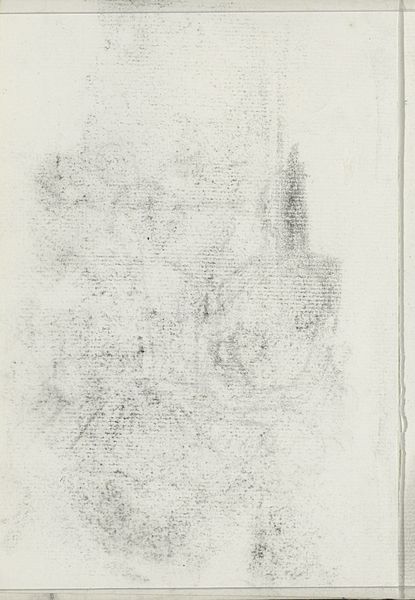
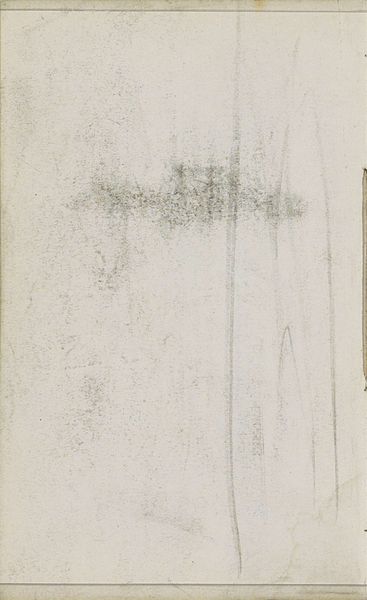
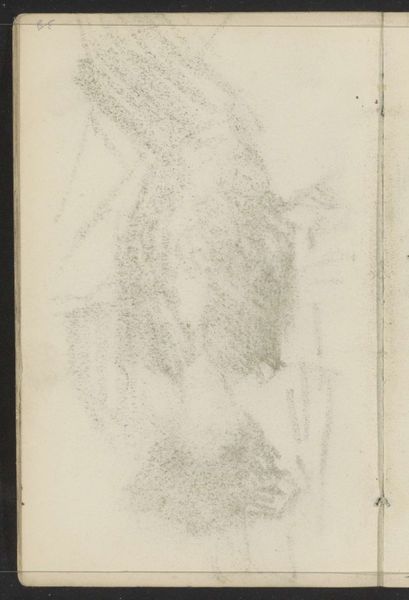
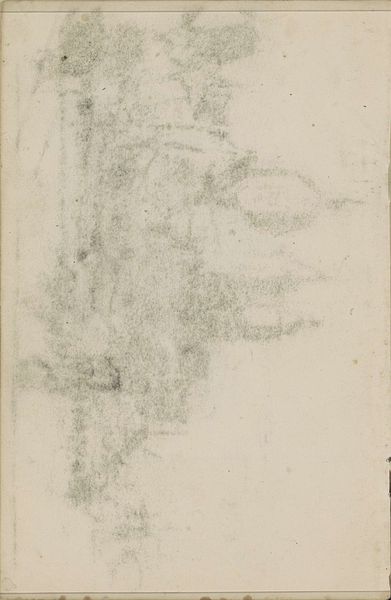
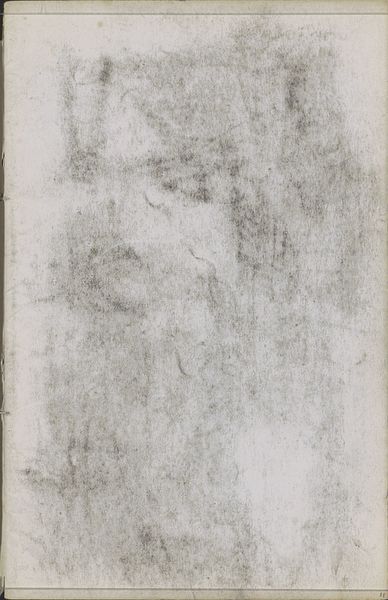
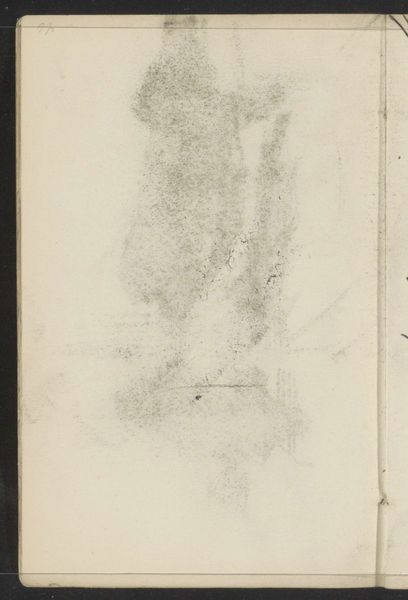
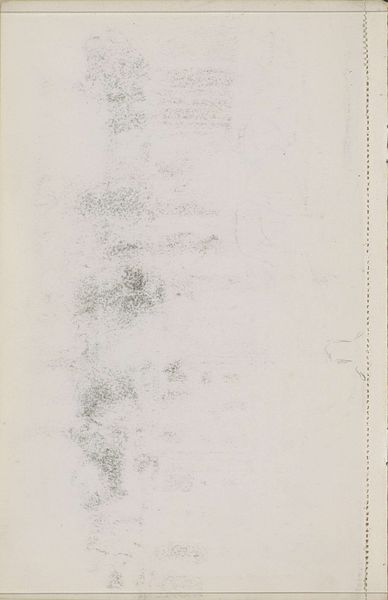
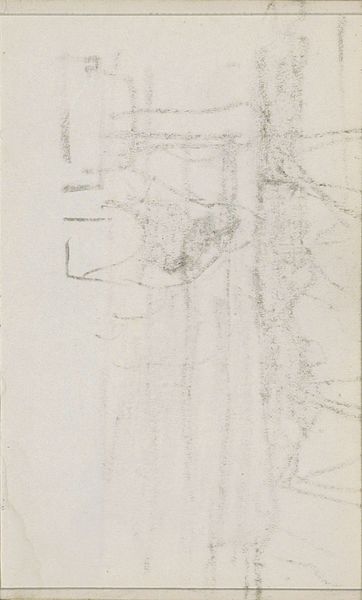
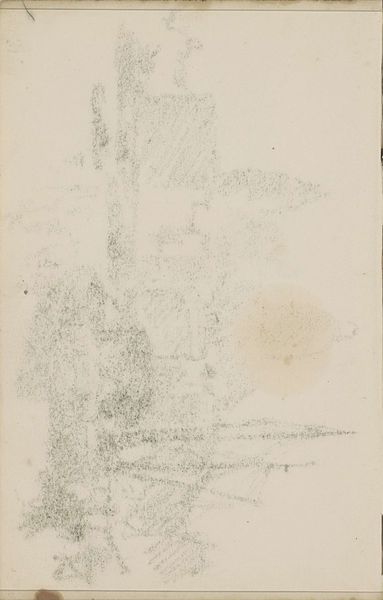
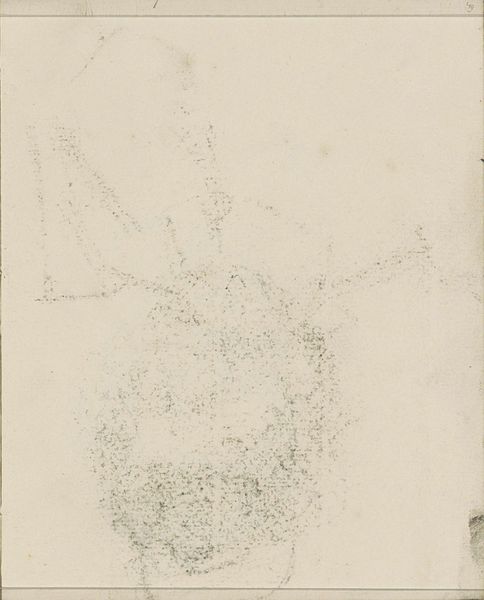
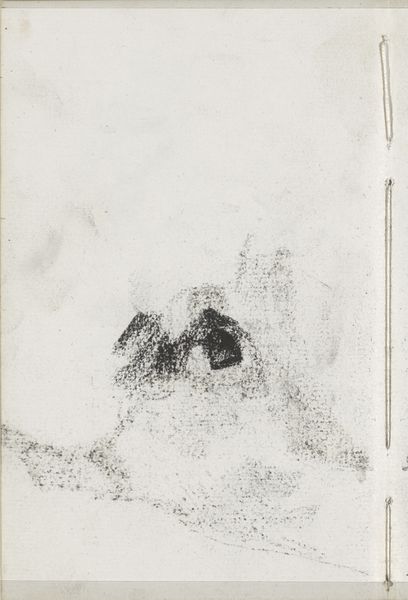
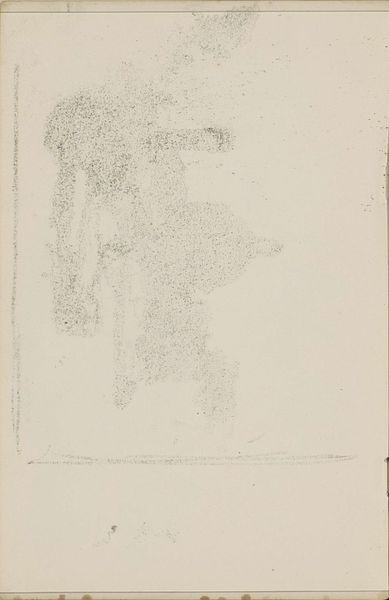
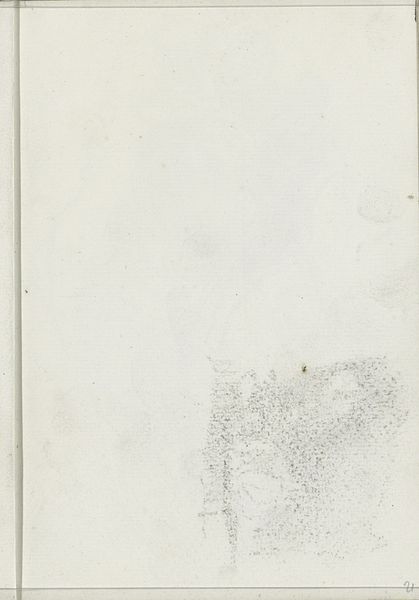
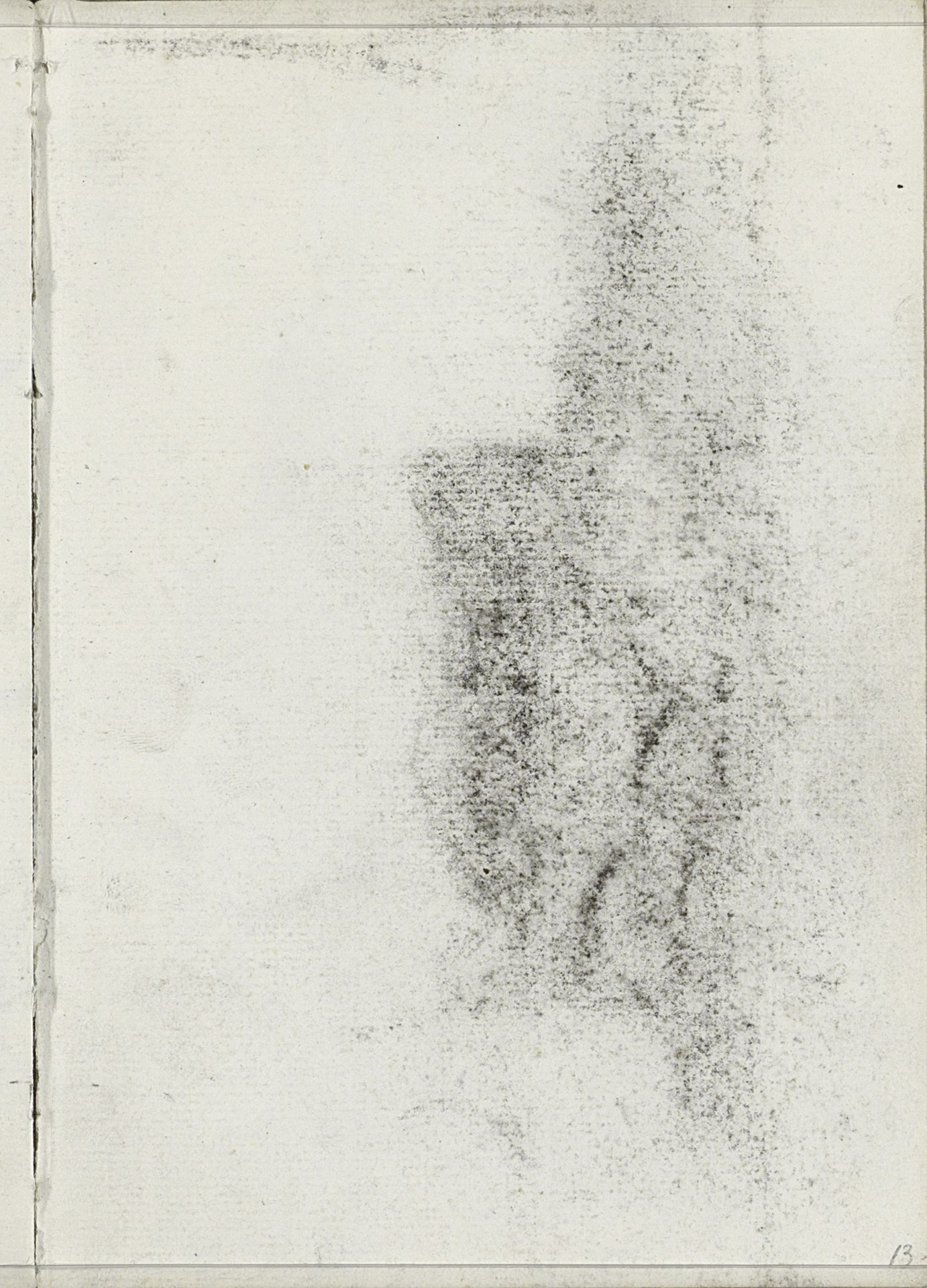
This chalk drawing, made by Isaac Israels, is at the Rijksmuseum. But what’s most interesting about it is right there in the title: ‘Abklatsch,’ meaning ‘rubbing’ in German. Israels wasn’t just drawing; he was also reproducing the image through a transfer technique. Chalk would be laid down on a master image, then pressed onto another surface to create a copy. The visual effect is quite distinctive: a slightly blurred, ghostly version of the original. This reproductive method is interesting because it was used in commercial art. It allowed for the efficient duplication of designs. In Israels’ hands, though, the process takes on a different feel. It’s not about mass production, but a kind of intimate touch. You can imagine the artist carefully pressing the chalk, making each copy unique through the act of making. So, while the "Abklatsch" technique might seem like a simple trick, it shows how artists like Israels could bridge the gap between craft, commercial processes, and fine art.
Abklatsch van de krijttekening op pagina 12
1886 - 1903

Isaac Israels
1865 - 1934Location
RijksmuseumArtwork details
- Location
- Rijksmuseum
- Copyright
- Rijks Museum: Open Domain
Comments
Share your thoughts
About this artwork
This chalk drawing, made by Isaac Israels, is at the Rijksmuseum. But what’s most interesting about it is right there in the title: ‘Abklatsch,’ meaning ‘rubbing’ in German. Israels wasn’t just drawing; he was also reproducing the image through a transfer technique. Chalk would be laid down on a master image, then pressed onto another surface to create a copy. The visual effect is quite distinctive: a slightly blurred, ghostly version of the original. This reproductive method is interesting because it was used in commercial art. It allowed for the efficient duplication of designs. In Israels’ hands, though, the process takes on a different feel. It’s not about mass production, but a kind of intimate touch. You can imagine the artist carefully pressing the chalk, making each copy unique through the act of making. So, while the "Abklatsch" technique might seem like a simple trick, it shows how artists like Israels could bridge the gap between craft, commercial processes, and fine art.
Comments
Share your thoughts