About this artwork
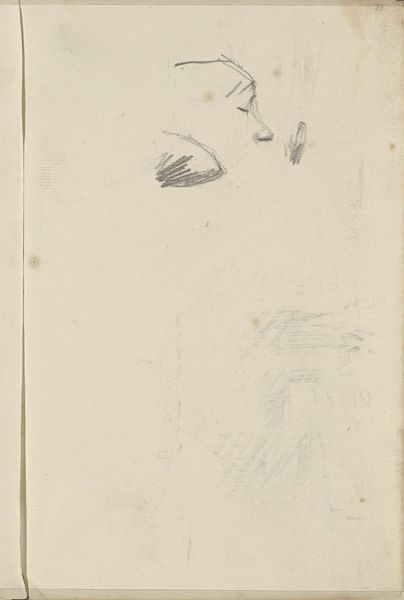
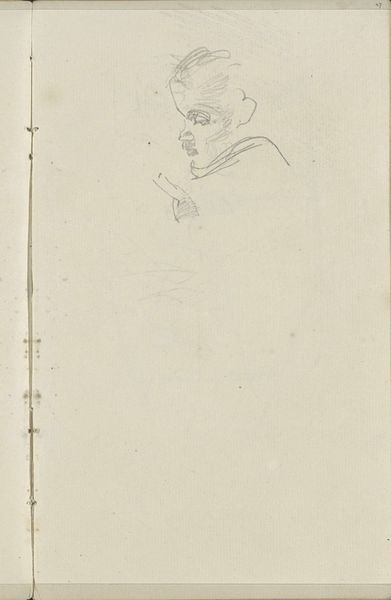
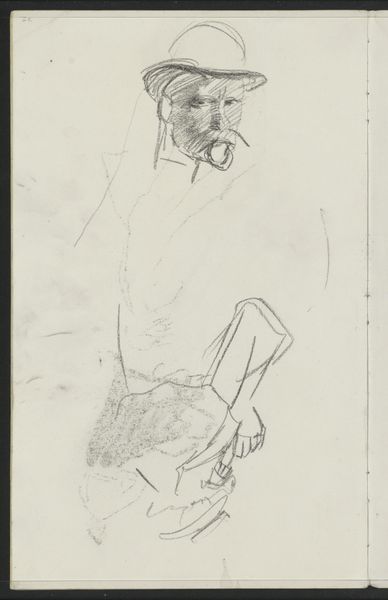
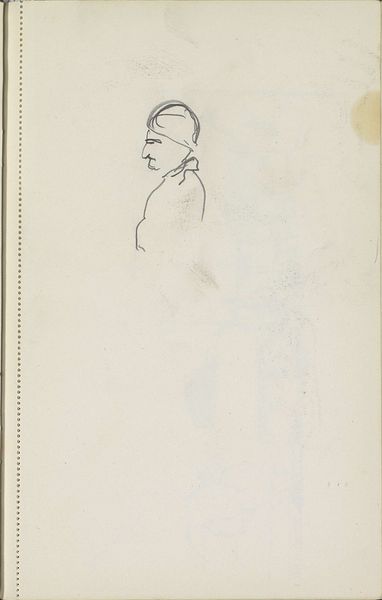
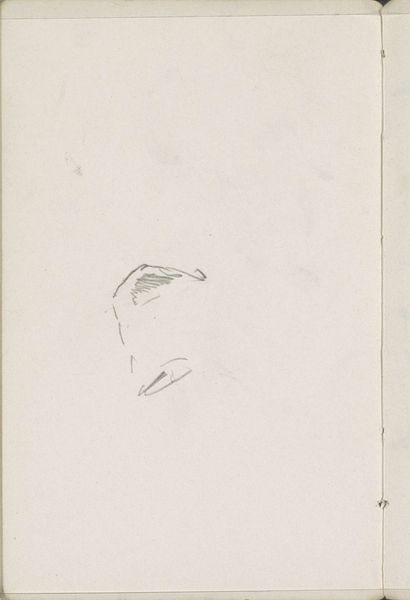
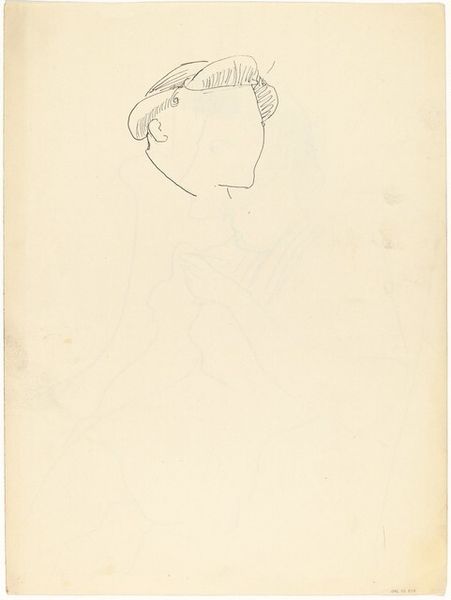
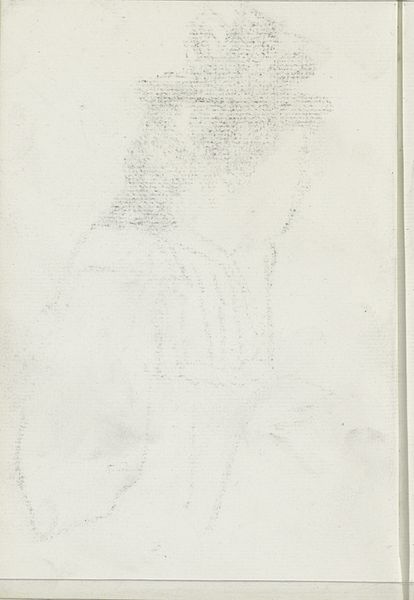
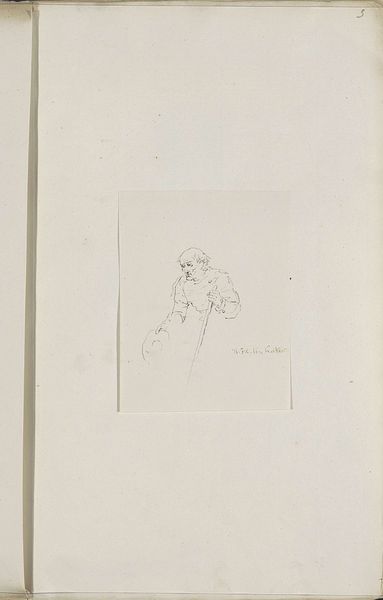
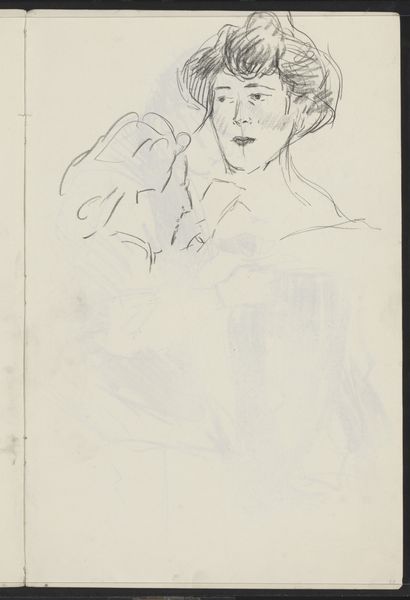
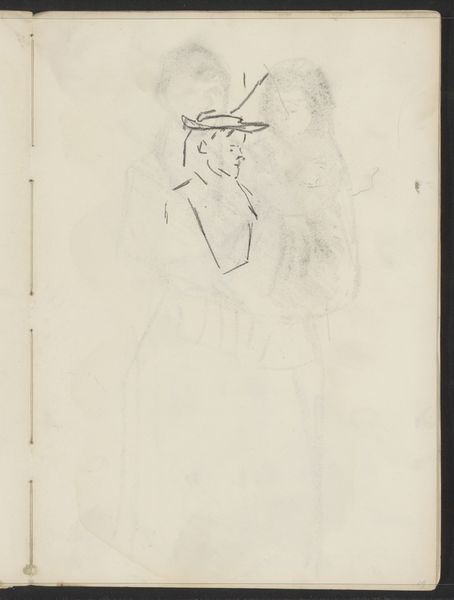
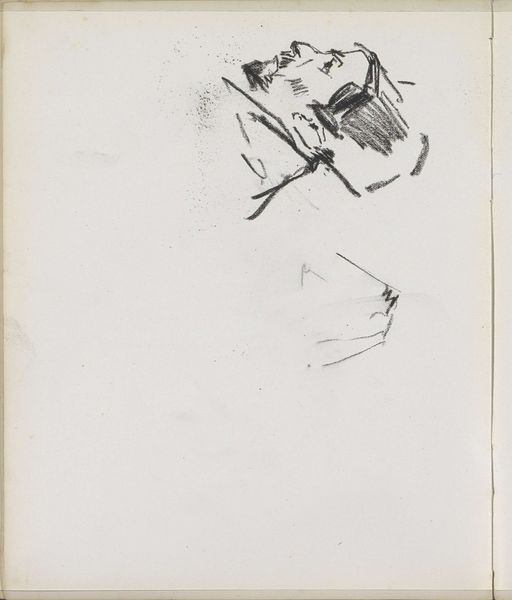
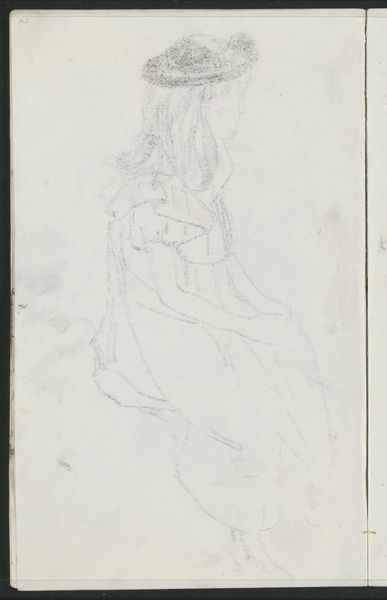
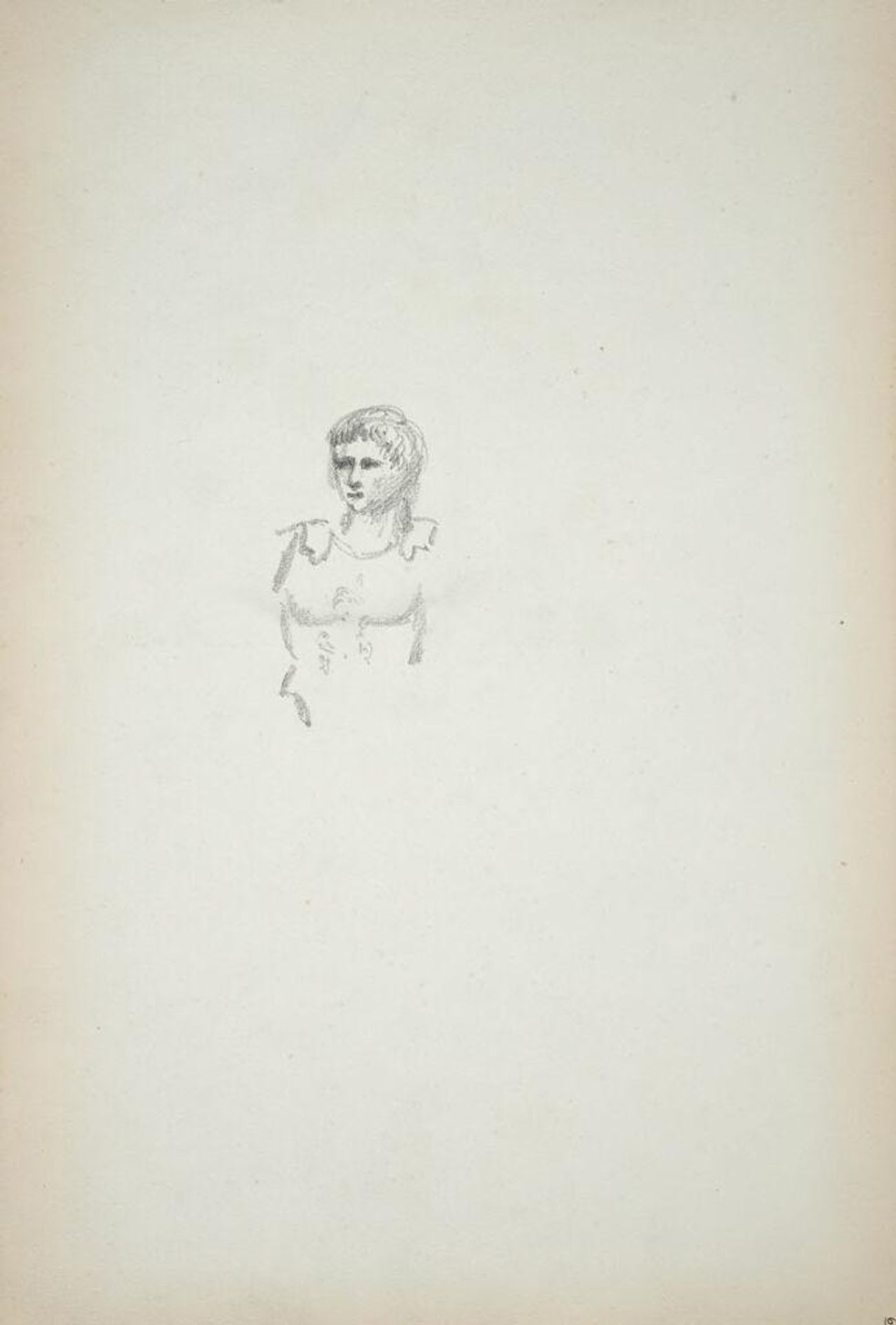
Editor: This is John Singer Sargent's "Caesar, after the Antique," a pencil drawing. It feels unfinished, but the texture achieved with just pencil is interesting. What's your take on this? Curator: The rapid execution suggests a study. Consider the paper itself – its cost, its availability. Was this a luxury item, or readily sourced? The economy of line reflects efficiency. What was the purpose of this drawing within Sargent's larger production and consumption? Editor: So you're thinking about the drawing as a material object, and what that tells us about Sargent's working methods? Curator: Precisely. The "after the antique" points to classical ideals, yet the quick sketch challenges notions of timeless beauty and permanence. Sargent transformed the status of the antique through his mode of production. What does that suggest about the consumption of classical art in his time? Editor: It recontextualizes it, makes it part of contemporary practice. I see how thinking about materials helps reveal that. Curator: Exactly! It is about re-evaluating the artist’s process.
Caesar, after the Antique
1868 - 1869


Artwork details
- Dimensions
- 29.1 x 19.2 cm (11 7/16 x 7 9/16 in.)
- Location
- Harvard Art Museums
- Copyright
- CC0 1.0
Comments
Share your thoughts
About this artwork
Editor: This is John Singer Sargent's "Caesar, after the Antique," a pencil drawing. It feels unfinished, but the texture achieved with just pencil is interesting. What's your take on this? Curator: The rapid execution suggests a study. Consider the paper itself – its cost, its availability. Was this a luxury item, or readily sourced? The economy of line reflects efficiency. What was the purpose of this drawing within Sargent's larger production and consumption? Editor: So you're thinking about the drawing as a material object, and what that tells us about Sargent's working methods? Curator: Precisely. The "after the antique" points to classical ideals, yet the quick sketch challenges notions of timeless beauty and permanence. Sargent transformed the status of the antique through his mode of production. What does that suggest about the consumption of classical art in his time? Editor: It recontextualizes it, makes it part of contemporary practice. I see how thinking about materials helps reveal that. Curator: Exactly! It is about re-evaluating the artist’s process.
Comments
Share your thoughts