About this artwork
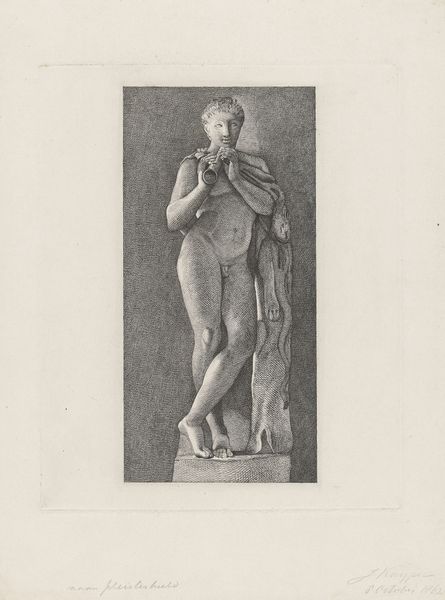
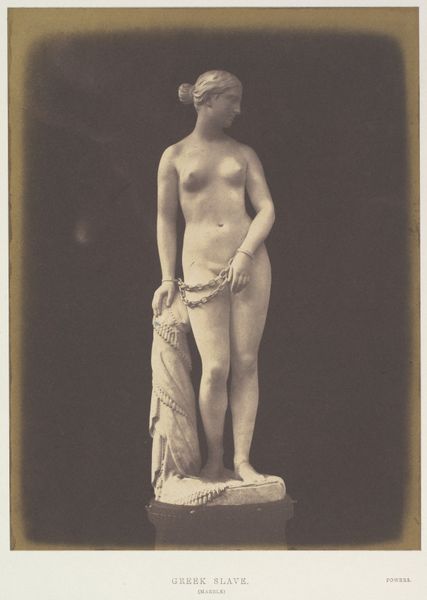
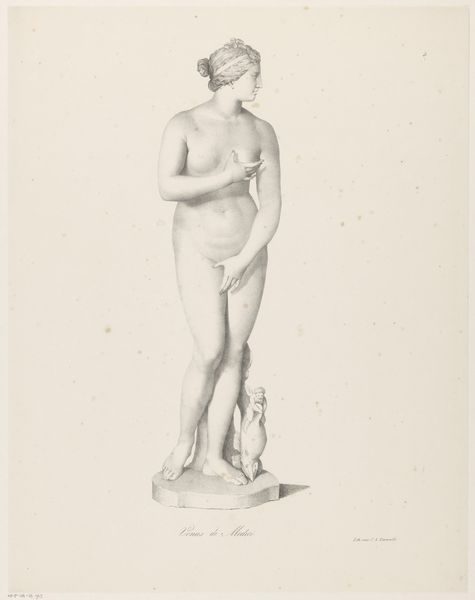
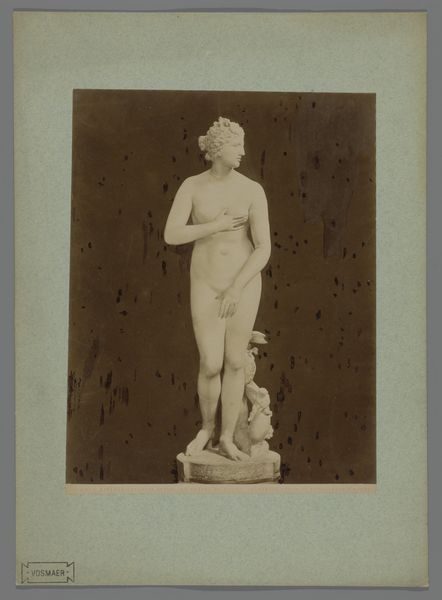
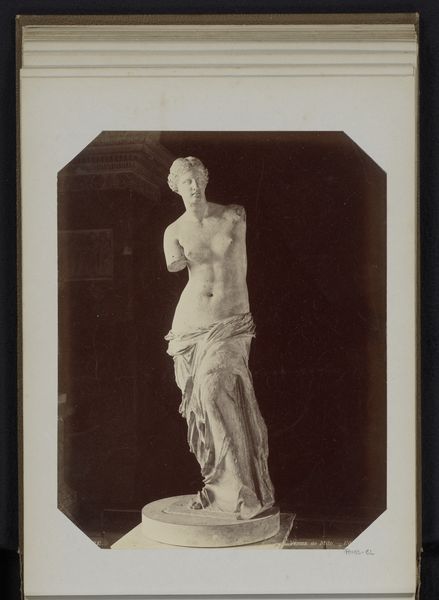
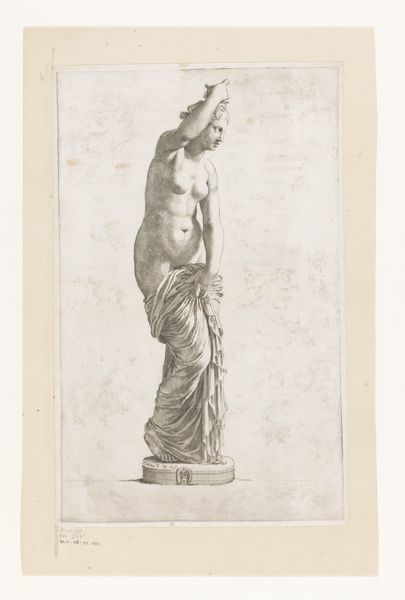
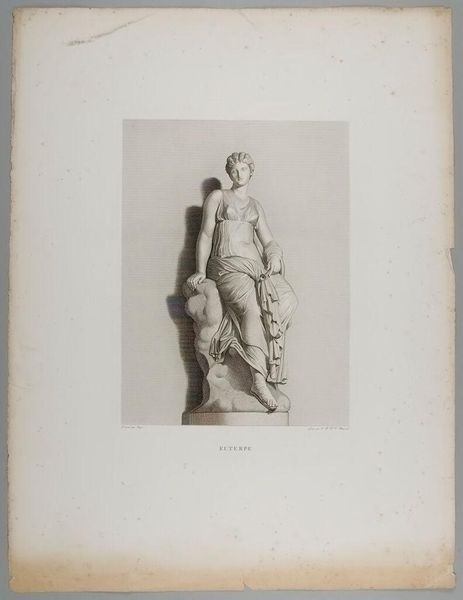
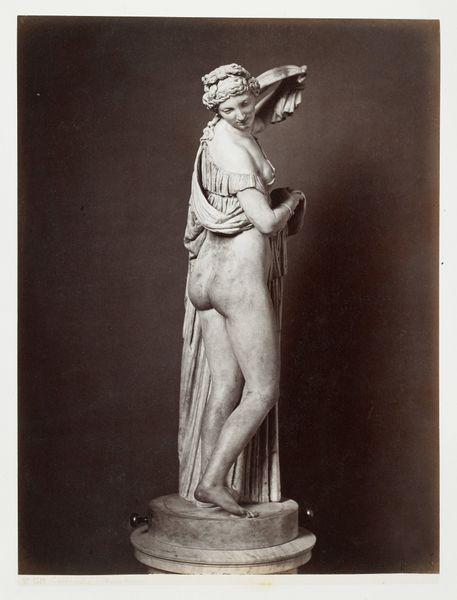
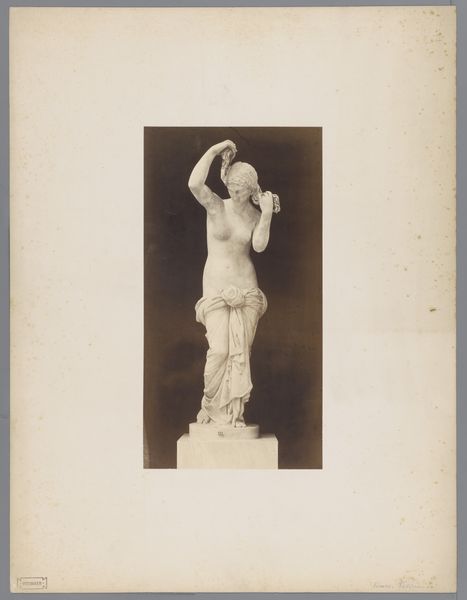
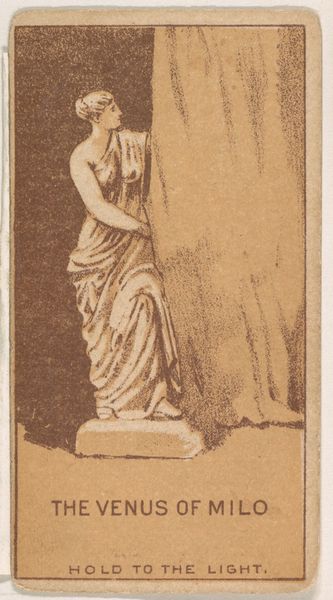
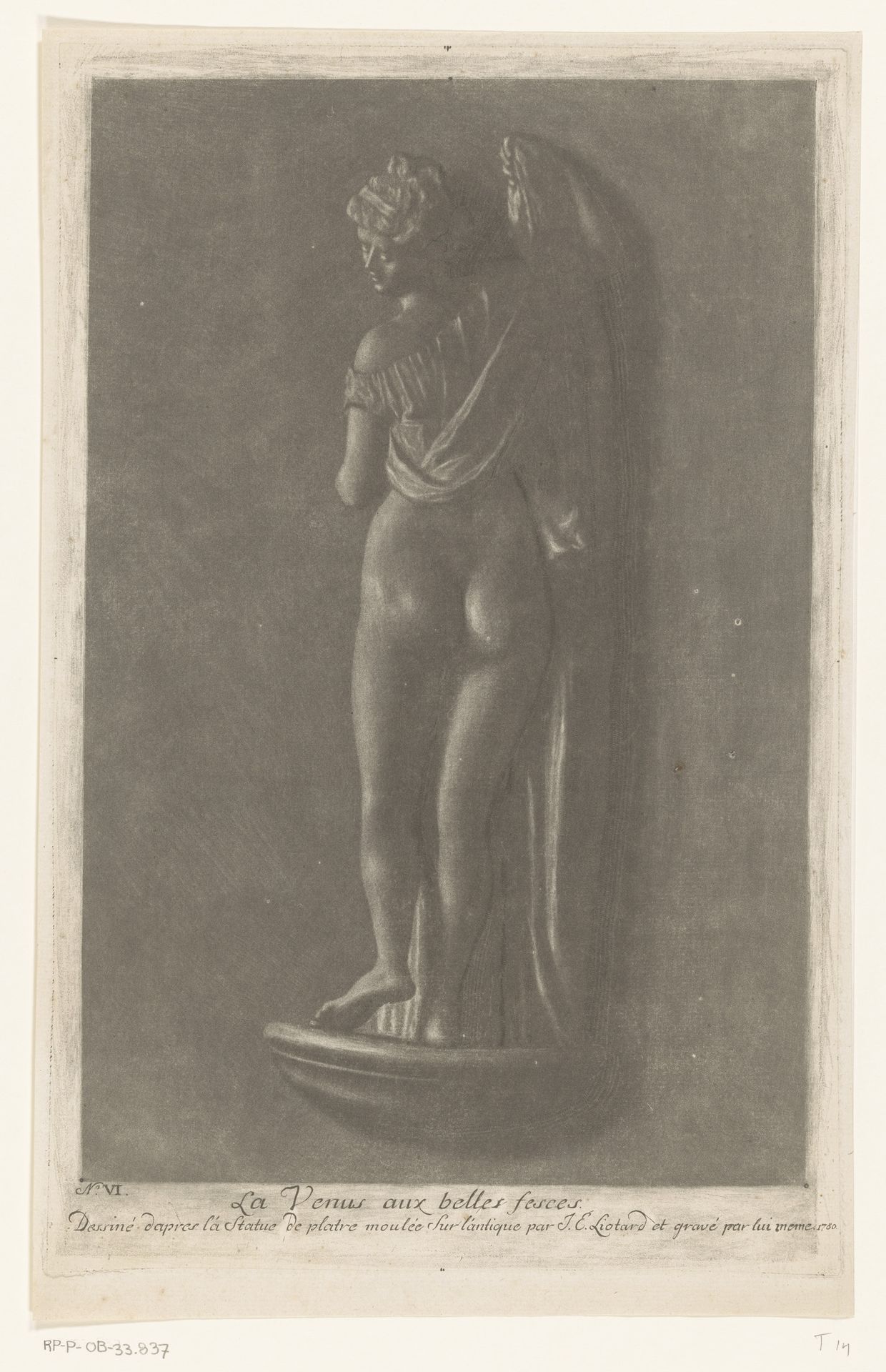
Jean-Étienne Liotard made this print called ‘Venus’ using graphite and stump work, likely sometime in the mid-18th century. It depicts a classical statue, and raises interesting questions about the status of both women and art objects during the Enlightenment. The image looks back to antiquity for its ideal of beauty, but it does so through the intermediary of a plaster cast, probably used in the training of artists. In 18th century France, the Royal Academy of Painting and Sculpture was the most important institution for the training and exhibition of art. The Academy promoted a rigid hierarchy of genres, with history painting at the top, and encouraged artists to study classical sculpture. By drawing a plaster cast of Venus, was Liotard celebrating or critiquing the Academy’s emphasis on tradition? Art history shows us that meaning is never fixed; it shifts according to the social context of viewing. To know more, consult primary sources, such as Academy records and period writings on aesthetics.

Artwork details
- Medium
- drawing, dry-media, pencil, charcoal
- Dimensions
- height 402 mm, width 260 mm
- Location
- Rijksmuseum
- Copyright
- Rijks Museum: Open Domain
Tags
drawing
neoclacissism
charcoal drawing
figuration
form
dry-media
pencil drawing
pencil
line
charcoal
history-painting
academic-art
nude
Comments
No comments
About this artwork
Jean-Étienne Liotard made this print called ‘Venus’ using graphite and stump work, likely sometime in the mid-18th century. It depicts a classical statue, and raises interesting questions about the status of both women and art objects during the Enlightenment. The image looks back to antiquity for its ideal of beauty, but it does so through the intermediary of a plaster cast, probably used in the training of artists. In 18th century France, the Royal Academy of Painting and Sculpture was the most important institution for the training and exhibition of art. The Academy promoted a rigid hierarchy of genres, with history painting at the top, and encouraged artists to study classical sculpture. By drawing a plaster cast of Venus, was Liotard celebrating or critiquing the Academy’s emphasis on tradition? Art history shows us that meaning is never fixed; it shifts according to the social context of viewing. To know more, consult primary sources, such as Academy records and period writings on aesthetics.
Comments
No comments