About this artwork
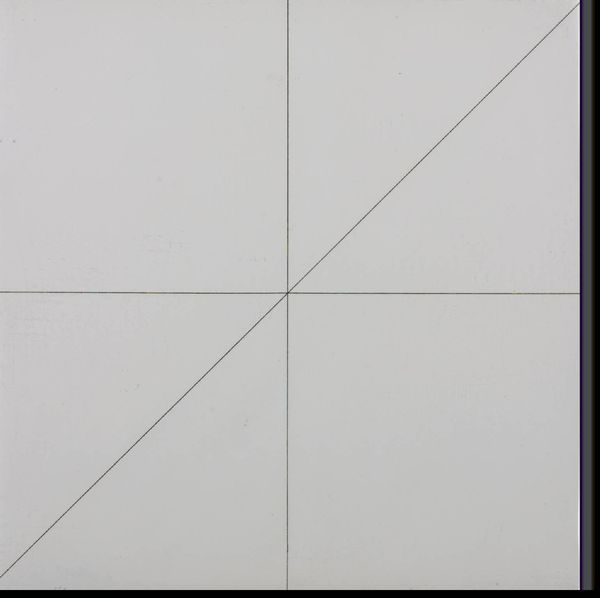
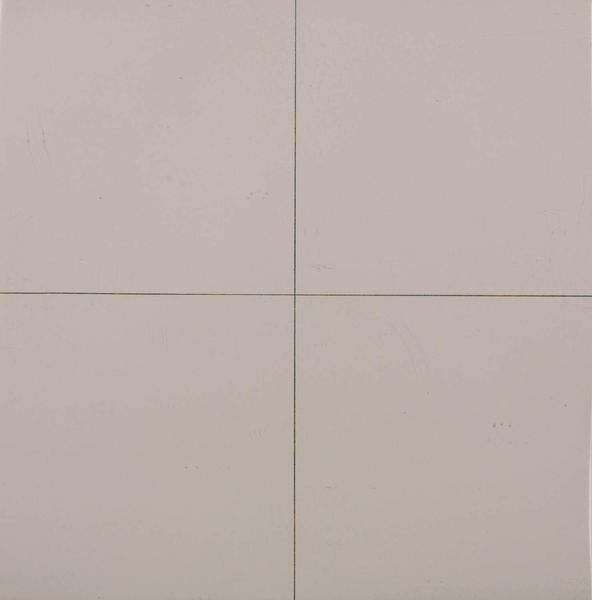
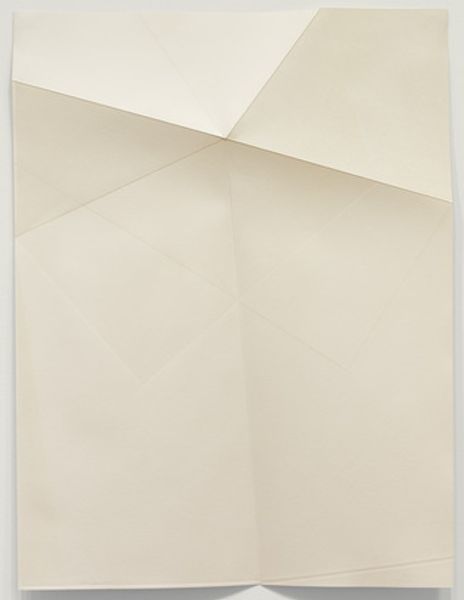
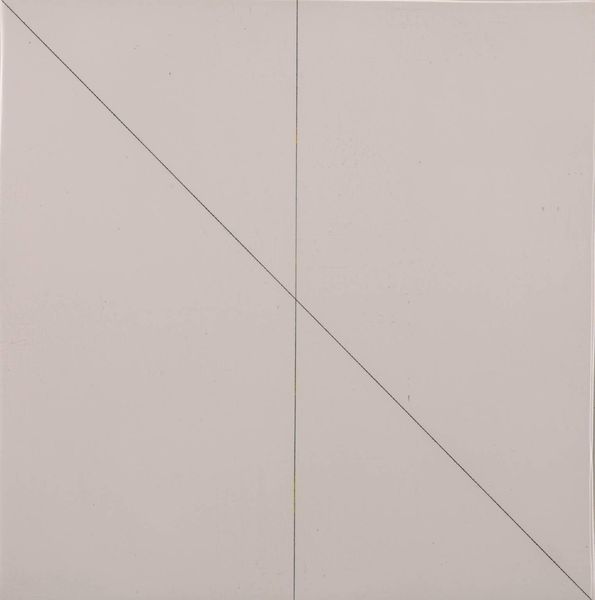
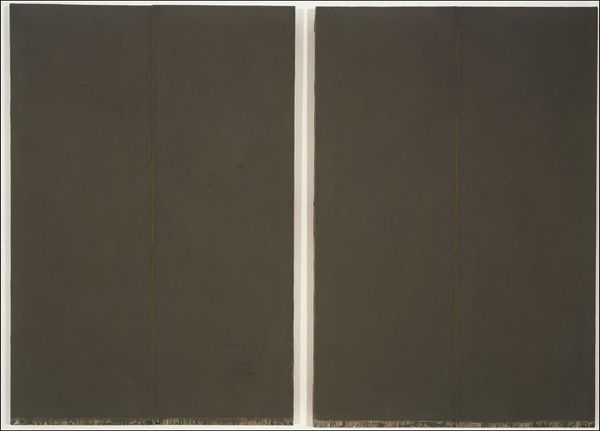
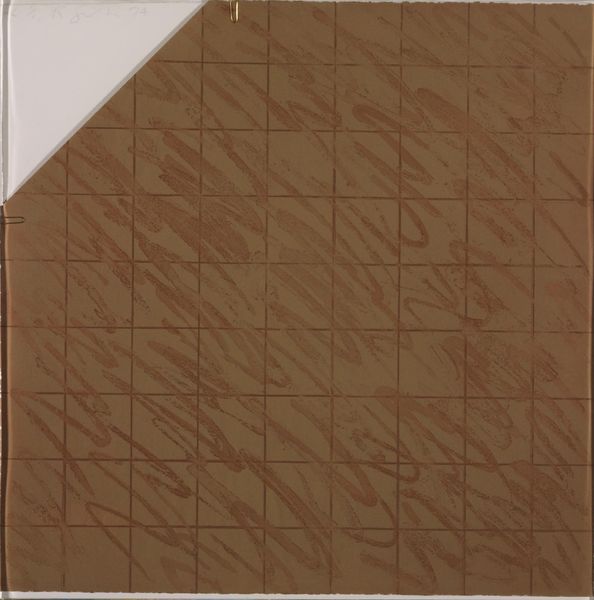
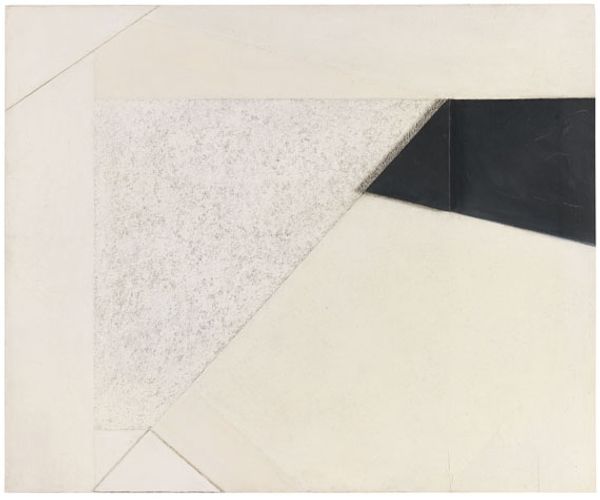
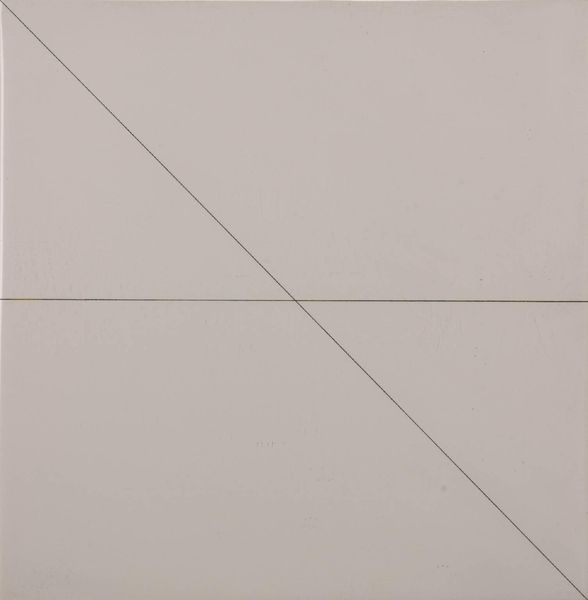
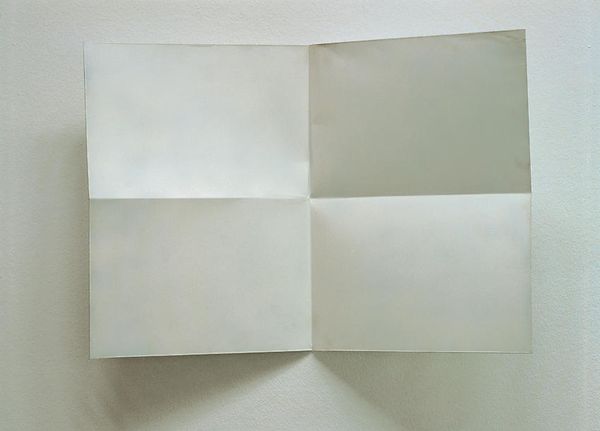
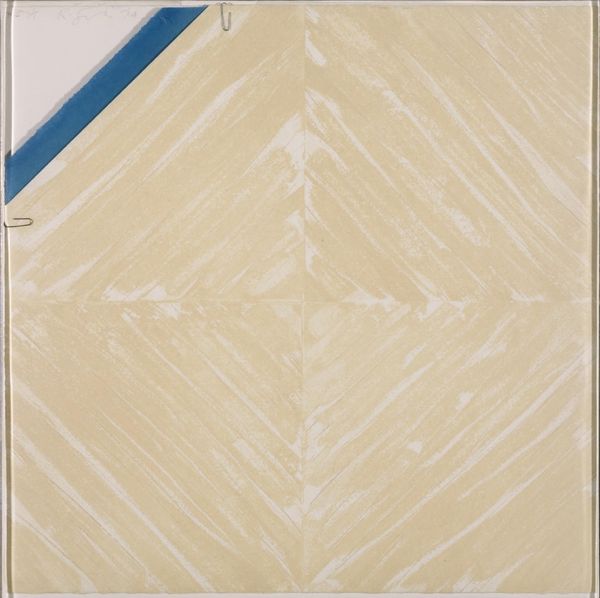
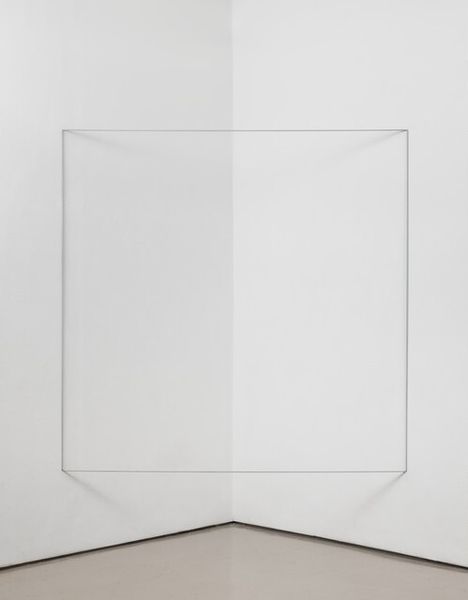
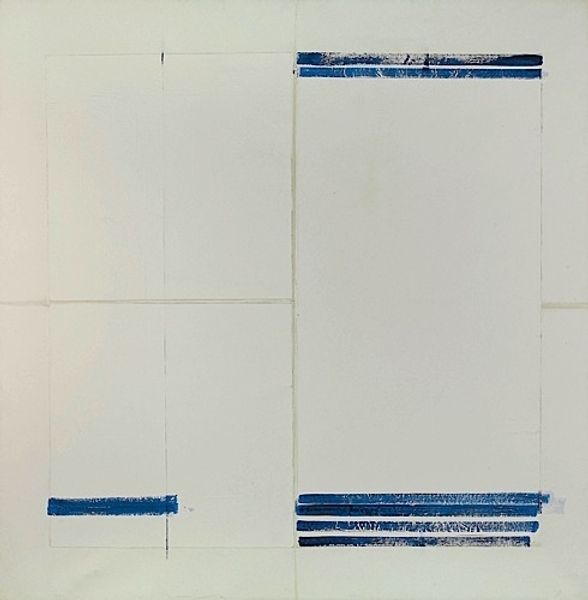
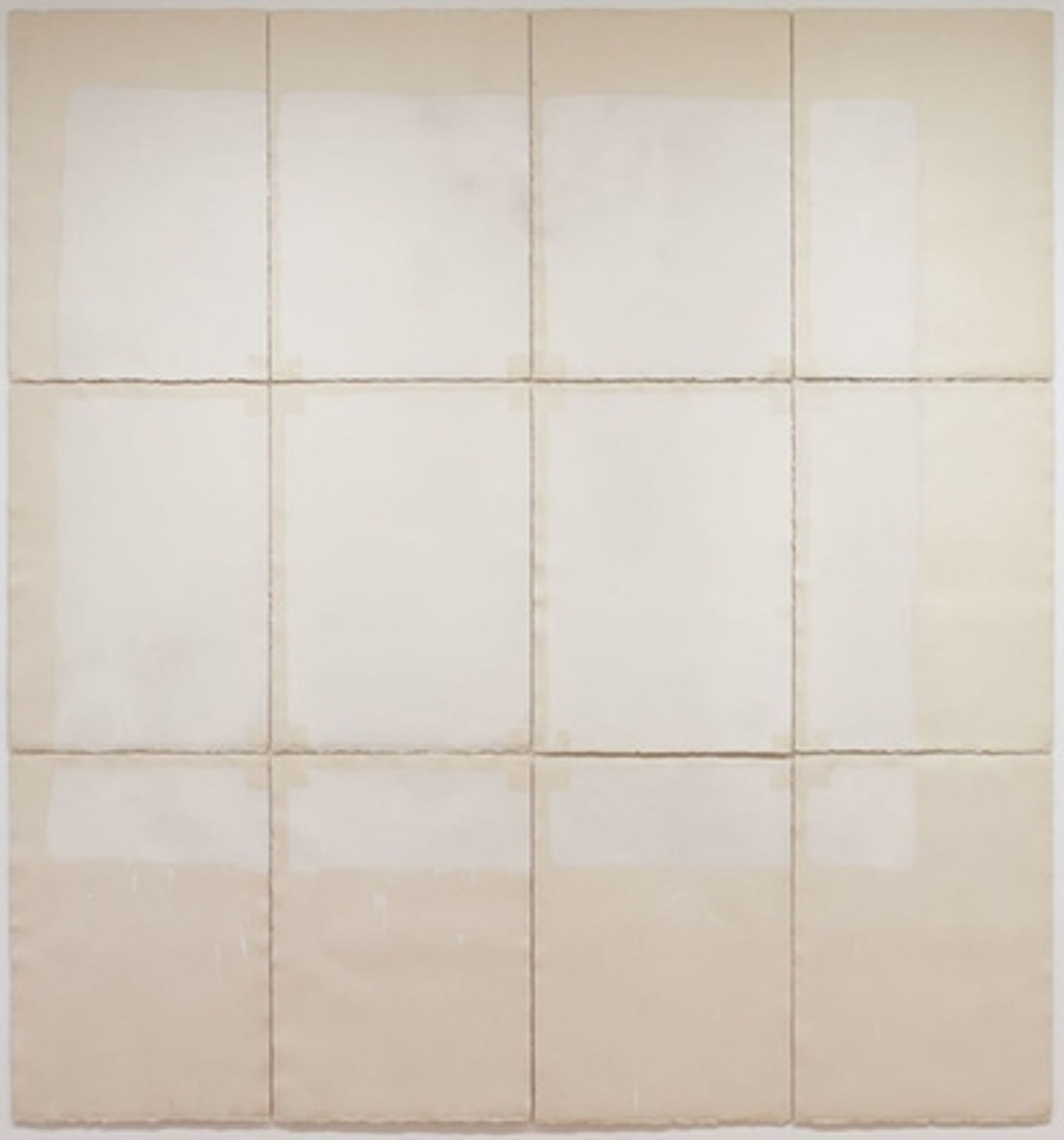
Editor: So, here we have Robert Ryman’s "Classico 5" from 1968, a painting on paper, and…well, it’s white. Twelve paper squares arranged in a grid, mostly covered with white paint, but you can still see some subtle differences in texture. What exactly am I supposed to see in something so… minimal? Curator: It’s minimal, yes, but intensely focused on its materials. Look at how the application of paint varies across each sheet. Where do you think Ryman’s interest truly lies? Editor: I guess, not so much in depicting something, but in the paint itself? Its texture, its opacity… how it interacts with the paper? Curator: Precisely. It’s about revealing the means of production. Think about the 'deskilling' movement in art during that period. Why might Ryman choose such ordinary materials? Editor: To reject the preciousness of traditional art? Make it more accessible, maybe even challenge the idea of artistic skill itself? Was he questioning the traditional boundaries of art? Curator: Absolutely. Consider the labor involved – the repetitive act of painting each sheet. And think about the paper itself, a mass-produced item. Ryman elevates the everyday to a space for contemplation, right? Editor: I never thought about it that way! I was stuck on it being "just white," but now I see how it's more about questioning what art can be by focusing on the materials themselves. Curator: Exactly. By demystifying the artistic process, Ryman encourages us to engage with the very essence of art making, of production, labor, and materials that surround us. Editor: I get it, looking beyond the surface really reveals the intention of the artwork.

Artwork details
- Medium
- painting, paper
- Dimensions
- 224.8 x 236.9 cm
- Location
- Museum of Modern Art (MoMA), New York City, NY, US
- Copyright
- Robert Ryman,Fair Use
Tags
Comments
Share your thoughts
About this artwork
Editor: So, here we have Robert Ryman’s "Classico 5" from 1968, a painting on paper, and…well, it’s white. Twelve paper squares arranged in a grid, mostly covered with white paint, but you can still see some subtle differences in texture. What exactly am I supposed to see in something so… minimal? Curator: It’s minimal, yes, but intensely focused on its materials. Look at how the application of paint varies across each sheet. Where do you think Ryman’s interest truly lies? Editor: I guess, not so much in depicting something, but in the paint itself? Its texture, its opacity… how it interacts with the paper? Curator: Precisely. It’s about revealing the means of production. Think about the 'deskilling' movement in art during that period. Why might Ryman choose such ordinary materials? Editor: To reject the preciousness of traditional art? Make it more accessible, maybe even challenge the idea of artistic skill itself? Was he questioning the traditional boundaries of art? Curator: Absolutely. Consider the labor involved – the repetitive act of painting each sheet. And think about the paper itself, a mass-produced item. Ryman elevates the everyday to a space for contemplation, right? Editor: I never thought about it that way! I was stuck on it being "just white," but now I see how it's more about questioning what art can be by focusing on the materials themselves. Curator: Exactly. By demystifying the artistic process, Ryman encourages us to engage with the very essence of art making, of production, labor, and materials that surround us. Editor: I get it, looking beyond the surface really reveals the intention of the artwork.
Comments
Share your thoughts