About this artwork
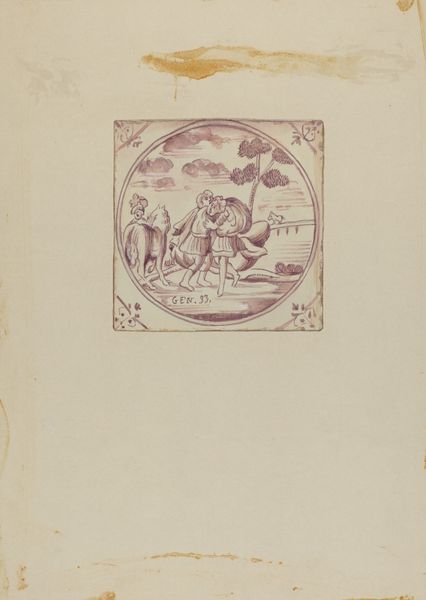
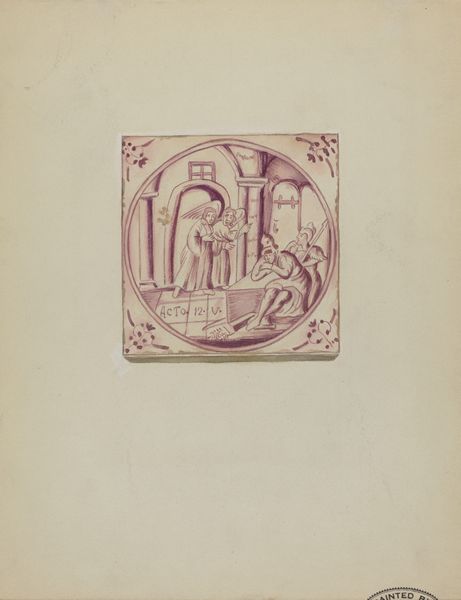
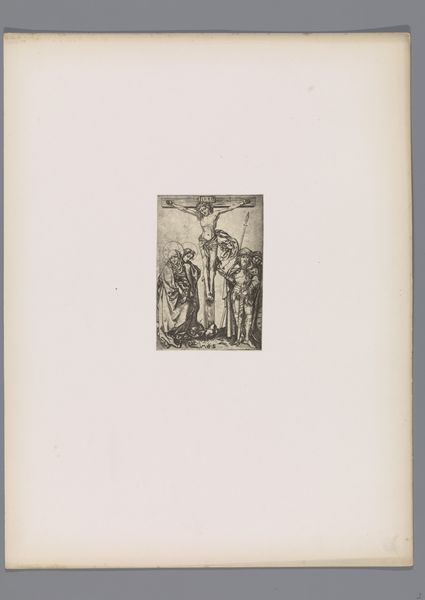
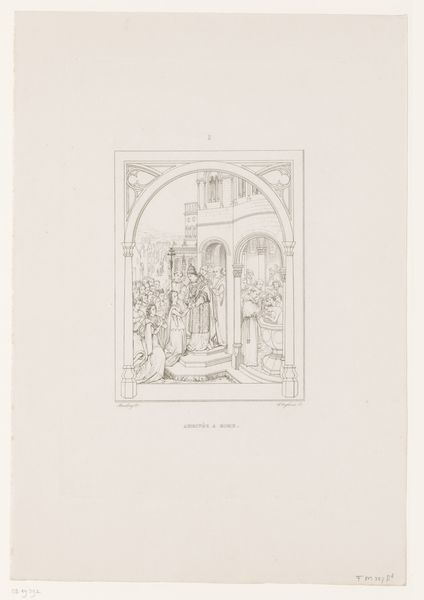
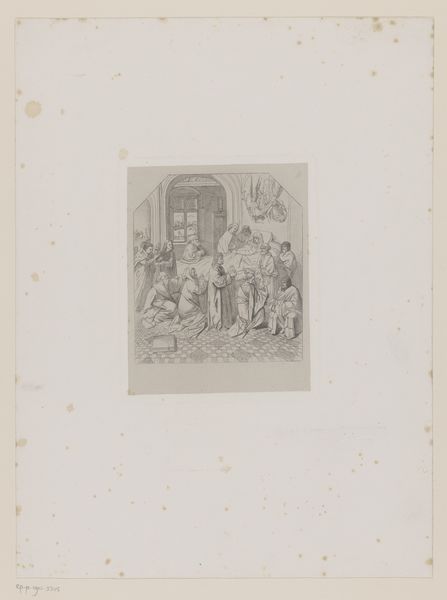
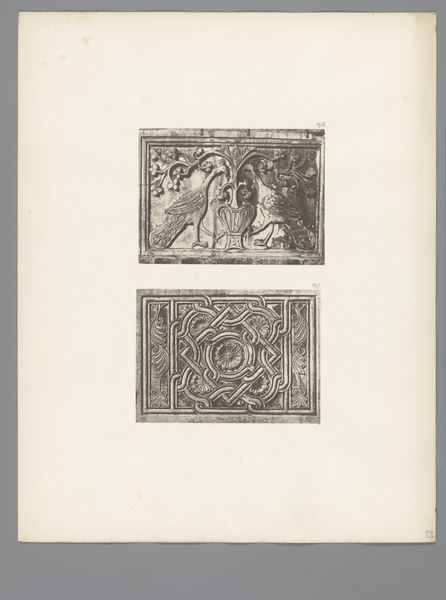
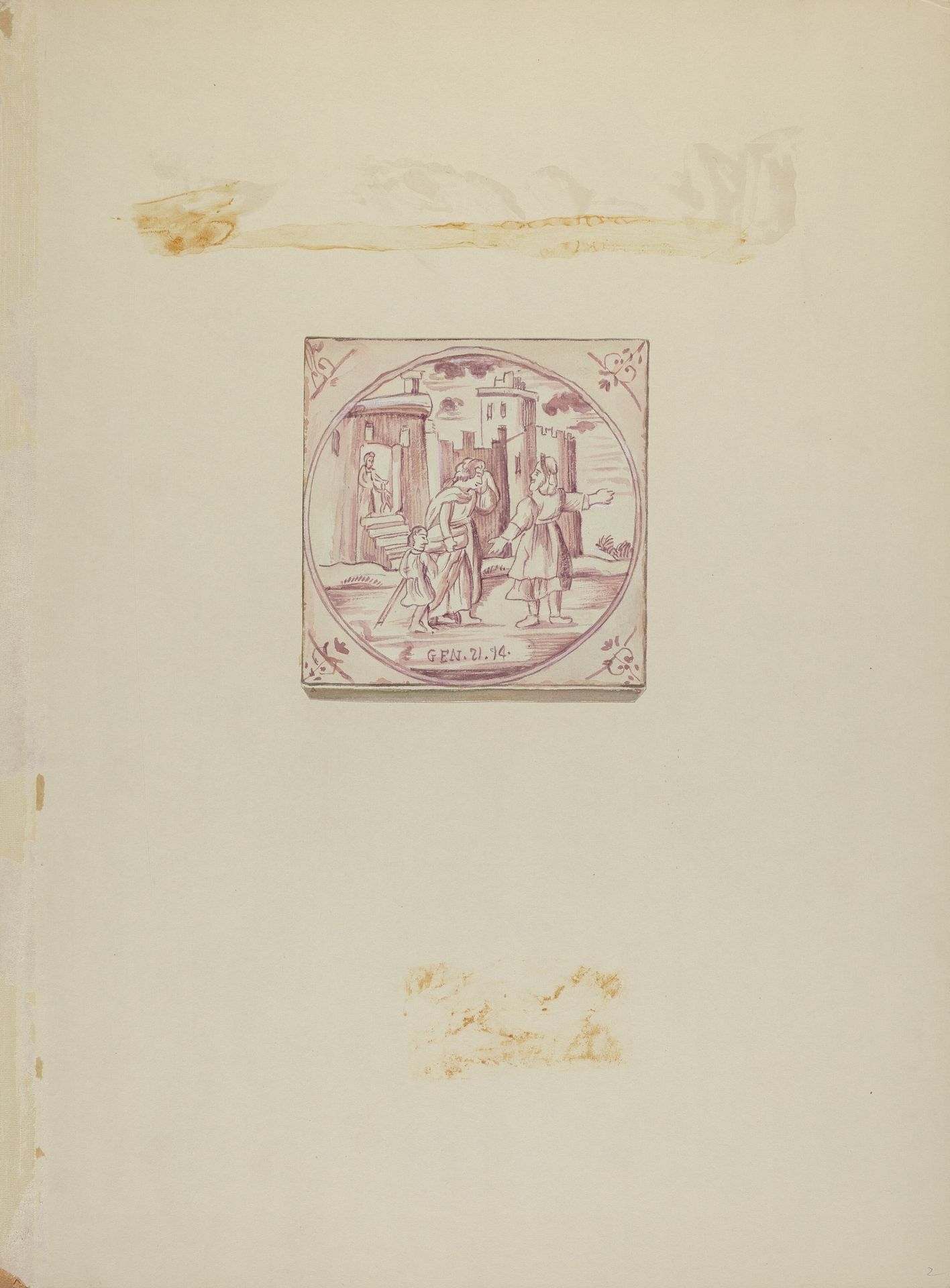
This is a Fireplace Tile made by John Dixon around the late 18th century. The tile presents a scene enclosed within a circle, set against a square backdrop, immediately framing the narrative in a structured, almost geometric manner. The monochromatic palette focuses our attention on the lines and forms that define the characters and architecture, imparting a sense of classical austerity. The scene, derived from Genesis 19:16, unfolds with figures posed in a stage-like setting. Note the architectural elements in the background, rendered with a simplicity that suggests more of an idea of a city than its reality. This tile embodies the period’s interest in using classical forms to convey moral and historical narratives, employing a visual language that invites contemplation on themes of obedience, divine intervention, and human fallibility. Observe the tile’s composition as more than mere decoration; it is a structured field where historical, religious, and aesthetic discourses converge. The tile's design reflects a broader cultural dialogue about how stories are told, remembered, and integrated into daily life.


Artwork details
- Medium
- drawing, painting, ceramic, watercolor
- Dimensions
- overall: 48.9 x 36.2 cm (19 1/4 x 14 1/4 in.)
- Copyright
- National Gallery of Art: CC0 1.0
Tags
Comments
Share your thoughts
About this artwork
This is a Fireplace Tile made by John Dixon around the late 18th century. The tile presents a scene enclosed within a circle, set against a square backdrop, immediately framing the narrative in a structured, almost geometric manner. The monochromatic palette focuses our attention on the lines and forms that define the characters and architecture, imparting a sense of classical austerity. The scene, derived from Genesis 19:16, unfolds with figures posed in a stage-like setting. Note the architectural elements in the background, rendered with a simplicity that suggests more of an idea of a city than its reality. This tile embodies the period’s interest in using classical forms to convey moral and historical narratives, employing a visual language that invites contemplation on themes of obedience, divine intervention, and human fallibility. Observe the tile’s composition as more than mere decoration; it is a structured field where historical, religious, and aesthetic discourses converge. The tile's design reflects a broader cultural dialogue about how stories are told, remembered, and integrated into daily life.
Comments
Share your thoughts