About this artwork
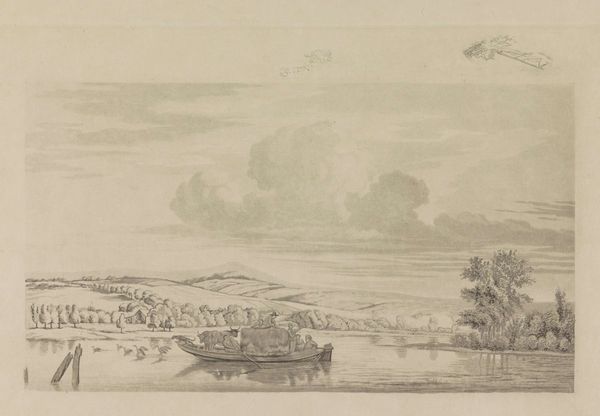
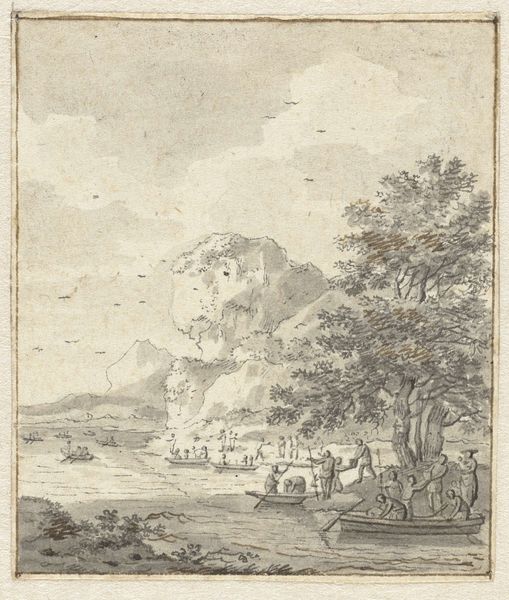
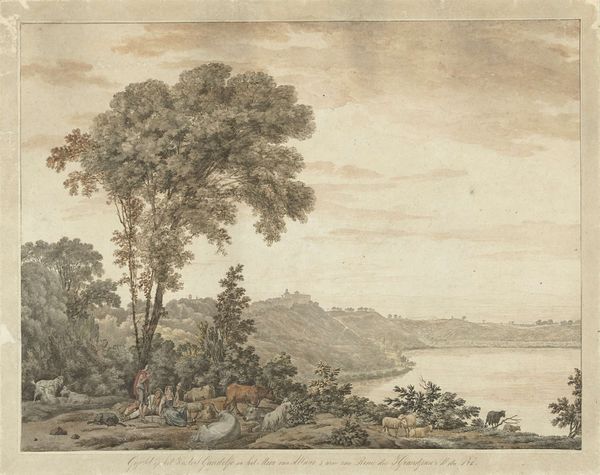
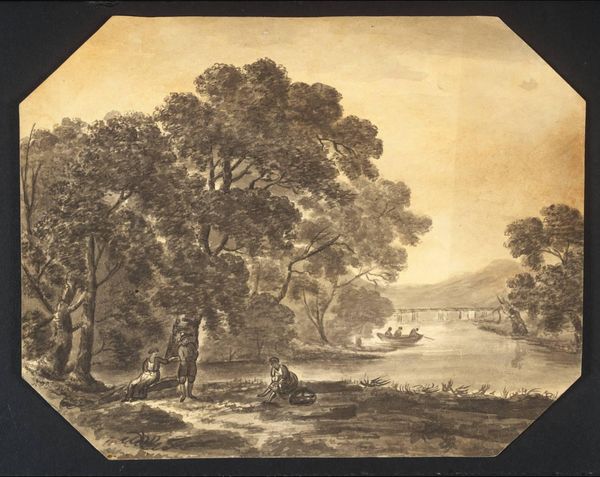
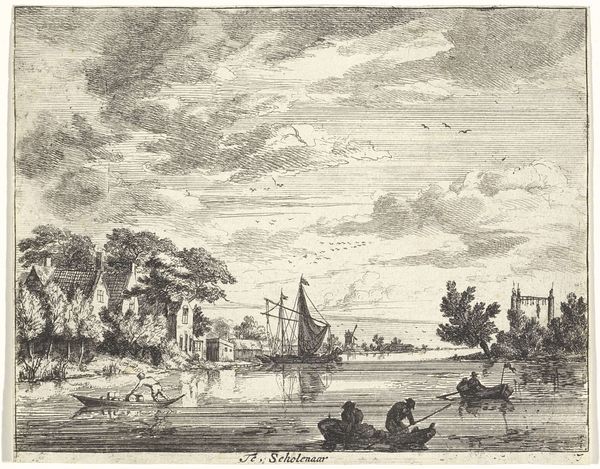
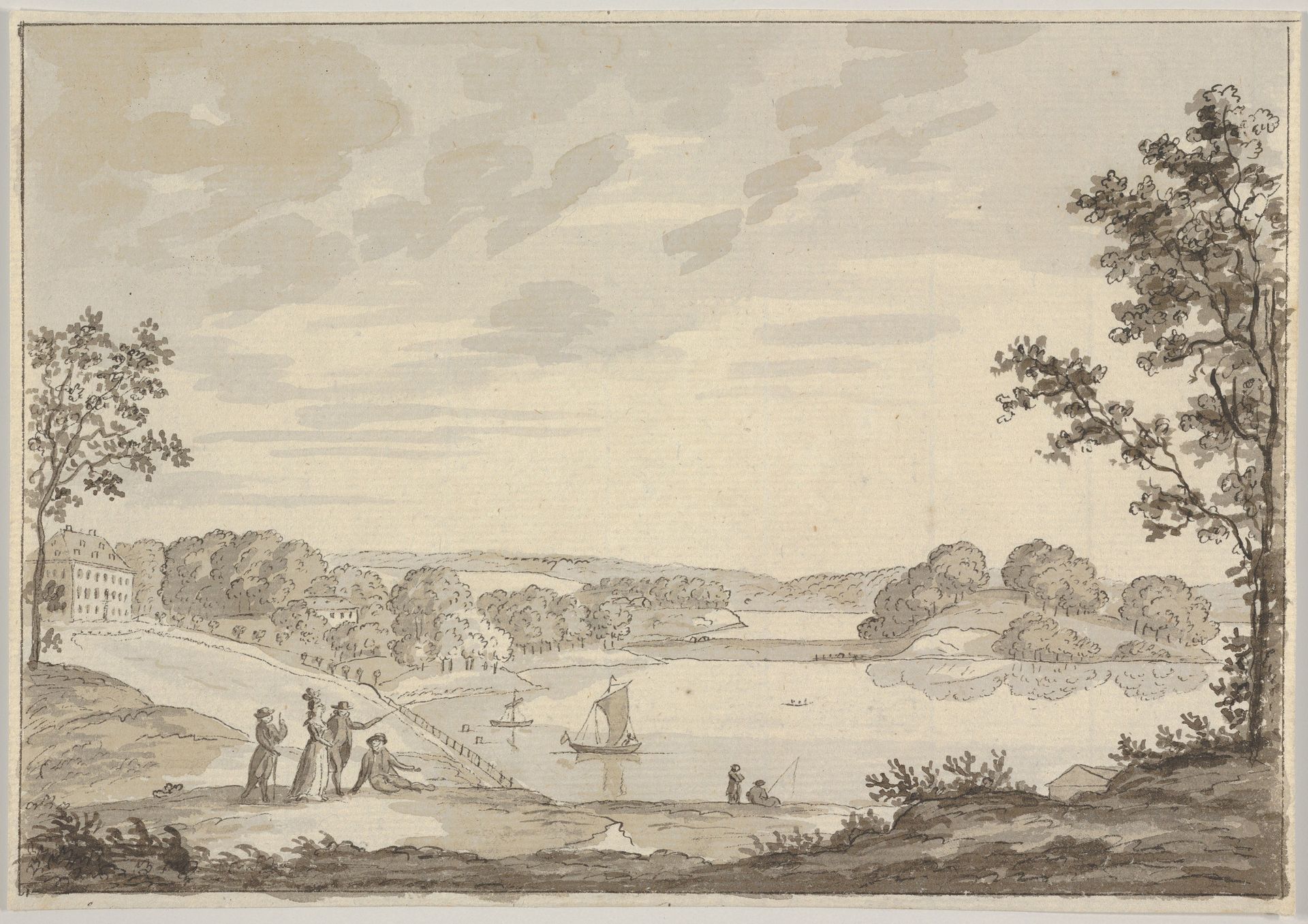
Erik Pauelsen created this ink and wash drawing, "View of Naesse castle with Lake Furesø from the West" sometime in the late 18th century. It offers us a glimpse into the cultural values of the Danish elite during that era. The scene depicts a tranquil landscape, complete with figures engaged in leisure activities, a castle, and placid waters. This idealized vision of nature was typical of the period, reflecting a desire for order and harmony. The work was produced during a time of significant social change, as Denmark, like much of Europe, was grappling with Enlightenment ideals and the beginnings of industrialization. To fully understand the nuances of this work, art historians might consult estate inventories or conduct research into the cultural values of the Danish elite during this period. Such resources help us to interpret art as deeply embedded in specific social and institutional contexts.
View of Naesse castle with Lake Furesø from the West
1780 - 1784


Artwork details
- Dimensions
- sheet: 5 11/16 x 8 1/16 in. (14.4 x 20.5 cm)
- Location
- Metropolitan Museum of Art, New York, NY
- Copyright
- Public Domain
Comments
Share your thoughts
About this artwork
Erik Pauelsen created this ink and wash drawing, "View of Naesse castle with Lake Furesø from the West" sometime in the late 18th century. It offers us a glimpse into the cultural values of the Danish elite during that era. The scene depicts a tranquil landscape, complete with figures engaged in leisure activities, a castle, and placid waters. This idealized vision of nature was typical of the period, reflecting a desire for order and harmony. The work was produced during a time of significant social change, as Denmark, like much of Europe, was grappling with Enlightenment ideals and the beginnings of industrialization. To fully understand the nuances of this work, art historians might consult estate inventories or conduct research into the cultural values of the Danish elite during this period. Such resources help us to interpret art as deeply embedded in specific social and institutional contexts.
Comments
Share your thoughts