About this artwork
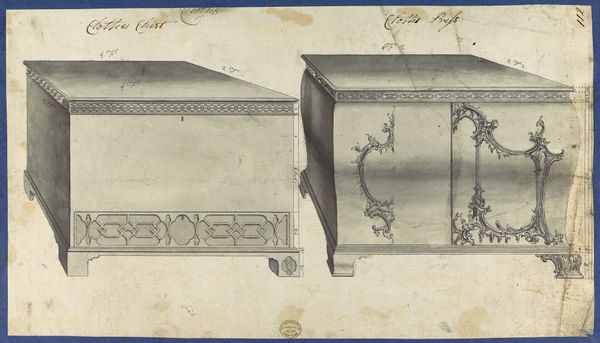
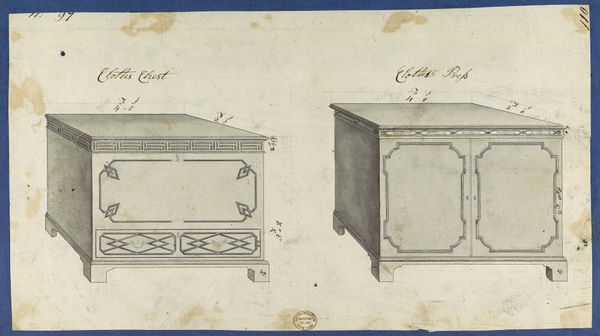
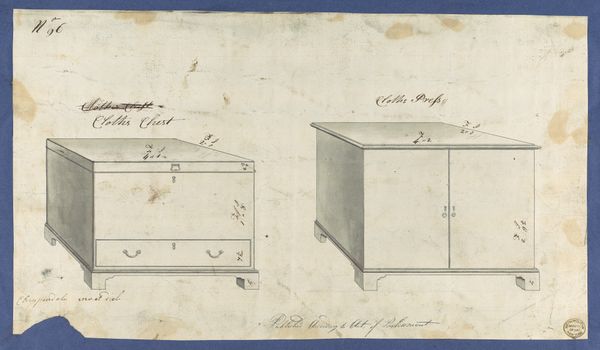
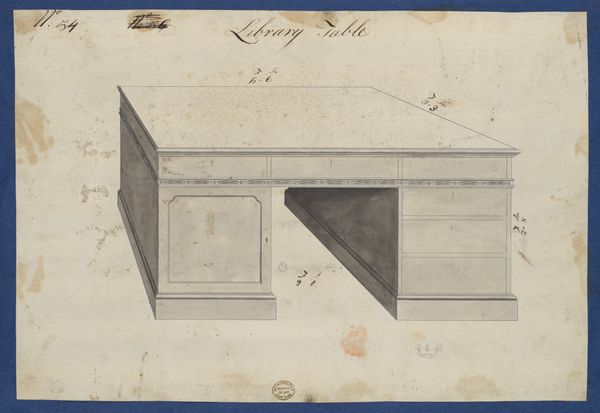
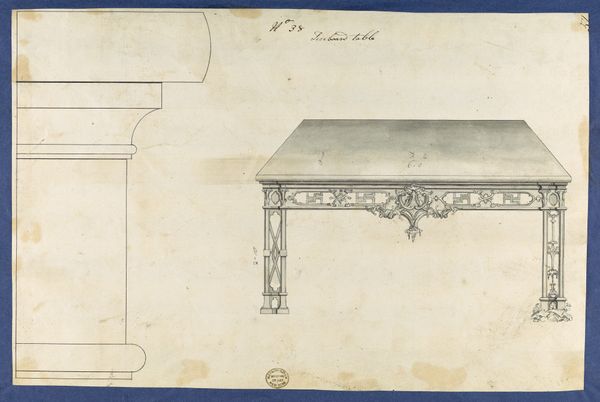
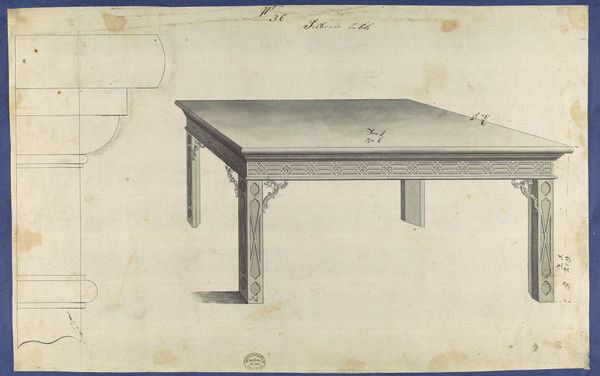
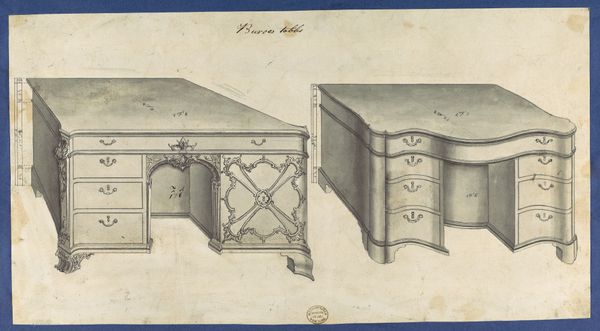
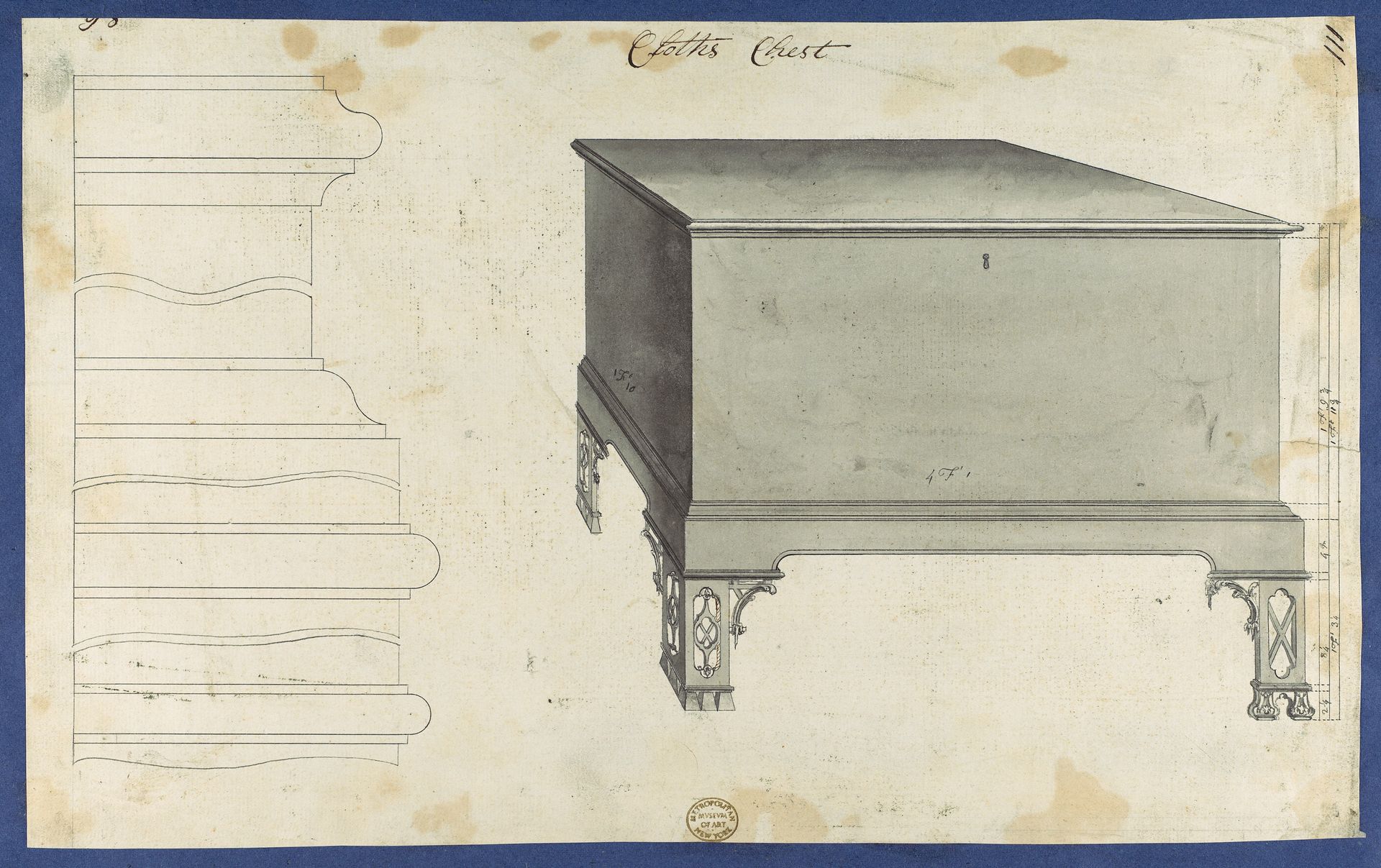
This detailed drawing of a clothes chest was made by Thomas Chippendale, a renowned English furniture maker. The chest's design incorporates the ogee, or S-curve, a motif deeply rooted in the classical Ionic cyma. This curve, reminiscent of a wave, carries echoes of ancient Greece, symbolizing flow and continuity. Consider its appearance on ancient temples, echoing through time and reappearing in the ornate details of Chippendale's furniture. The wave-like pattern of the ogee touches something primal within us. Water, after all, is life-giving, and the subconscious pull of its form resonates through generations. Chippendale uses this motif to give his furniture an emotional depth, an echo of the past that elevates mere utility to a conversation across centuries.
Clothes Chest, from Chippendale Drawings, Vol. II
1753


Artwork details
- Medium
- drawing, print, architecture
- Dimensions
- sheet: 8 1/16 x 13 in. (20.5 x 33.1 cm)
- Location
- Metropolitan Museum of Art, New York, NY
- Copyright
- Public Domain
Tags
Comments
Share your thoughts
About this artwork
This detailed drawing of a clothes chest was made by Thomas Chippendale, a renowned English furniture maker. The chest's design incorporates the ogee, or S-curve, a motif deeply rooted in the classical Ionic cyma. This curve, reminiscent of a wave, carries echoes of ancient Greece, symbolizing flow and continuity. Consider its appearance on ancient temples, echoing through time and reappearing in the ornate details of Chippendale's furniture. The wave-like pattern of the ogee touches something primal within us. Water, after all, is life-giving, and the subconscious pull of its form resonates through generations. Chippendale uses this motif to give his furniture an emotional depth, an echo of the past that elevates mere utility to a conversation across centuries.
Comments
Share your thoughts