About this artwork
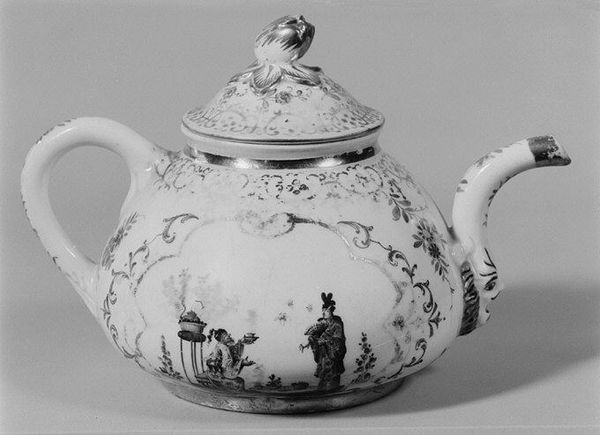
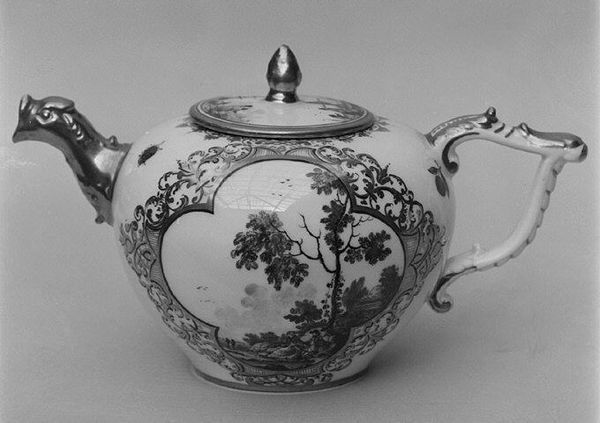
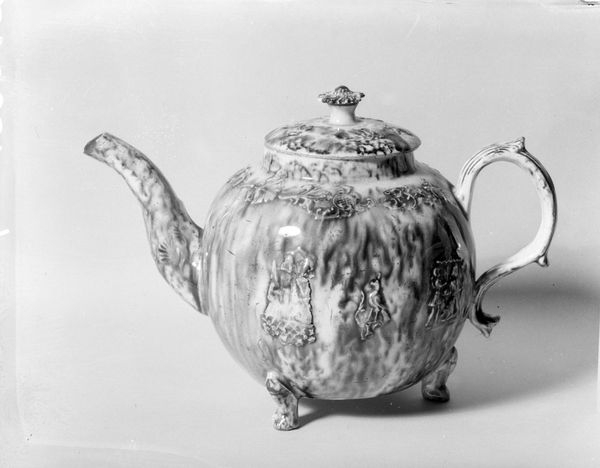
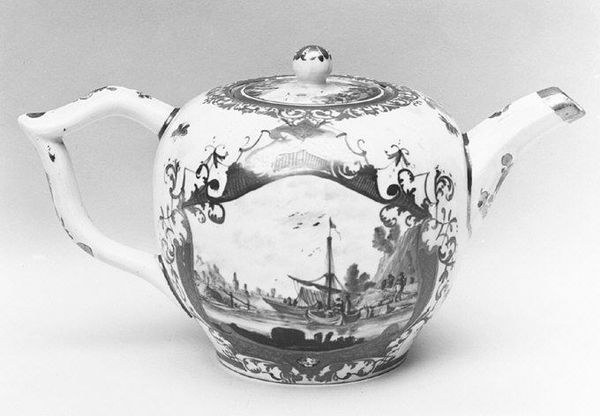
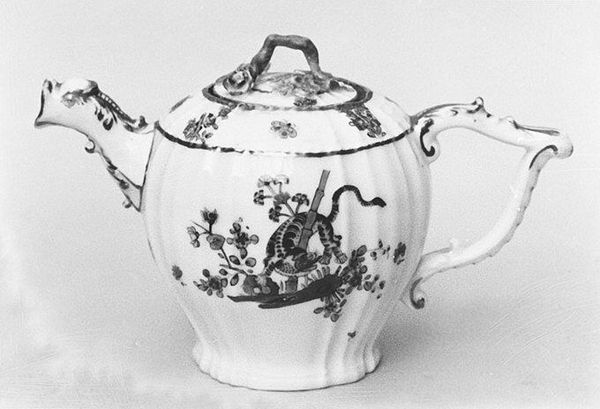
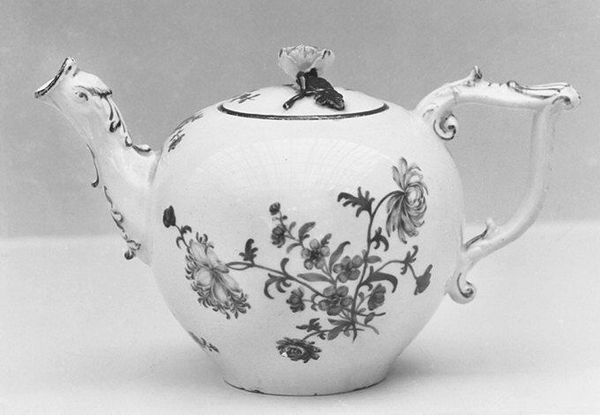
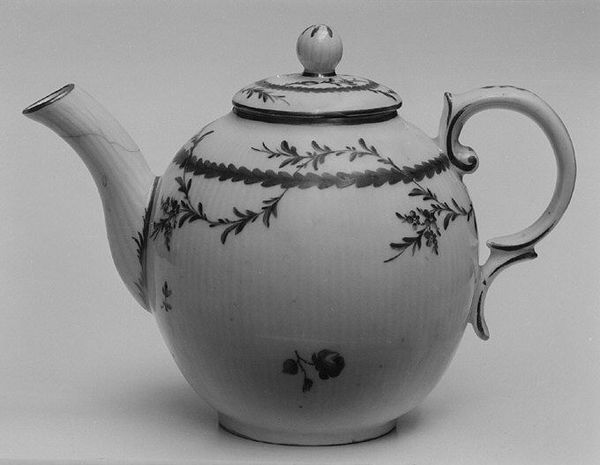
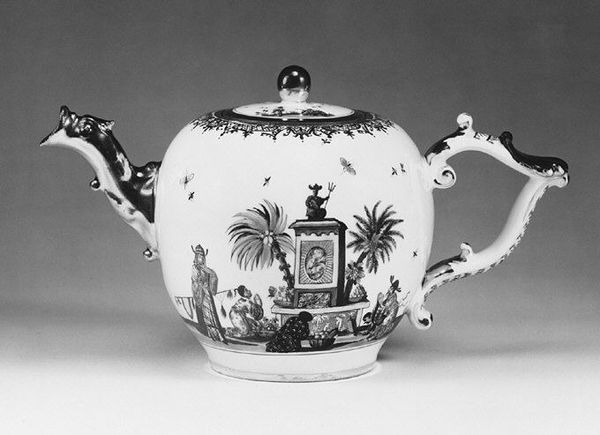
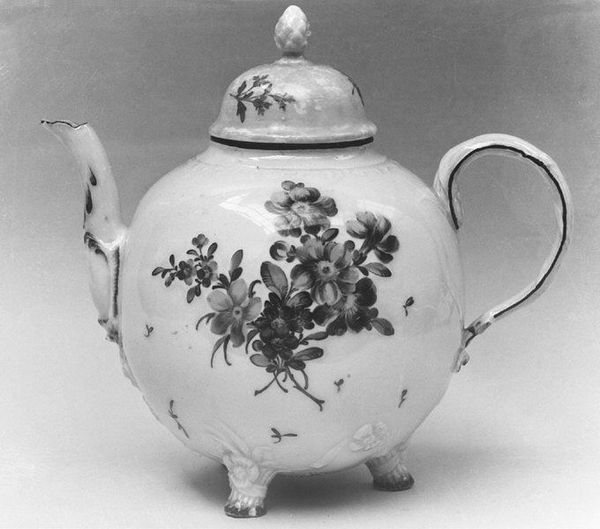
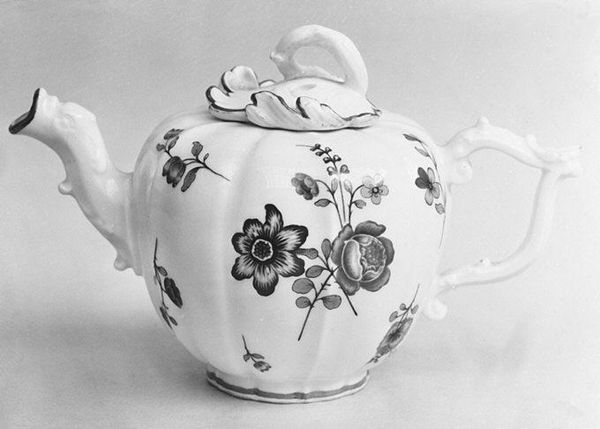
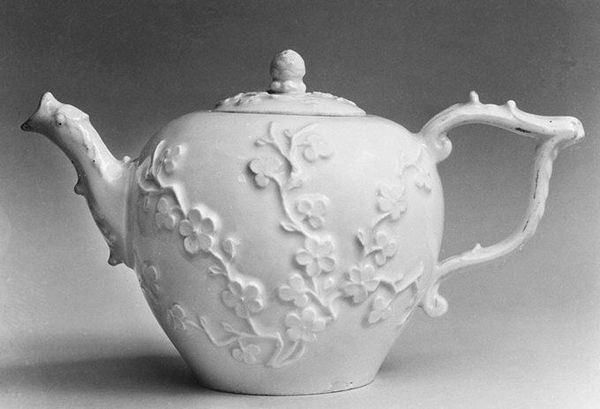
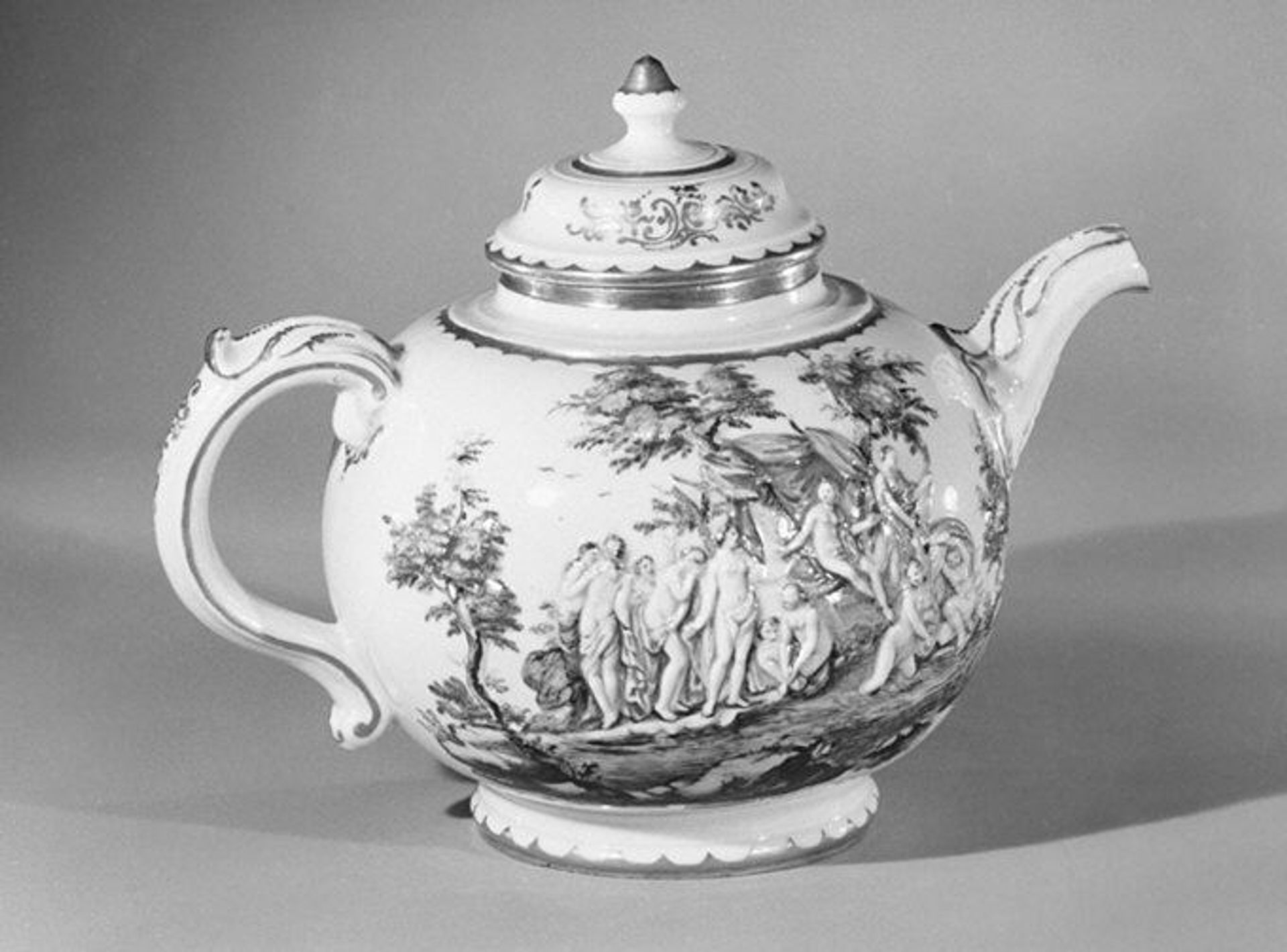
This teapot with cover was made by the Doccia Porcelain Manufactory in Italy, sometime between 1737 and 1896. It’s made of porcelain, a material prized for its delicacy and translucence, achieved by firing clay at extremely high temperatures. The surface is decorated with an elaborate scene, likely transfer-printed onto the glazed surface. Notice how the detailed imagery contrasts with the smooth, white porcelain, creating a dialogue between surface and form. The handle and spout are carefully shaped, indicating a combination of mold-making and hand-finishing. The amount of labor involved in making a teapot like this is significant. From sourcing the raw materials, to shaping, firing, decorating, and glazing, each step requires skill and precision. Porcelain production became a major industry in the 18th century, driven by European demand for luxury goods. This teapot reflects both the artistic skill of the Doccia Manufactory, and the wider social context of production, labor, and consumption. By considering the processes involved, we can appreciate the full meaning of this beautiful object, challenging any strict division between art and craft.
Teapot with cover 1755 - 1775

Doccia Porcelain Manufactory
1737 - 1896
The Metropolitan Museum of Art
Metropolitan Museum of Art, New York, NYArtwork details
- Medium
- ceramic, porcelain, sculpture
- Dimensions
- Height (with cover): 5 11/16 in. (14.4 cm)
- Location
- Metropolitan Museum of Art, New York, NY
- Copyright
- Public Domain
Tags
ceramic
jewelry design
porcelain
figuration
culinary art
female-nude
sculpture
black and white
genre-painting
decorative-art
nude
rococo
Comments
No comments
About this artwork
This teapot with cover was made by the Doccia Porcelain Manufactory in Italy, sometime between 1737 and 1896. It’s made of porcelain, a material prized for its delicacy and translucence, achieved by firing clay at extremely high temperatures. The surface is decorated with an elaborate scene, likely transfer-printed onto the glazed surface. Notice how the detailed imagery contrasts with the smooth, white porcelain, creating a dialogue between surface and form. The handle and spout are carefully shaped, indicating a combination of mold-making and hand-finishing. The amount of labor involved in making a teapot like this is significant. From sourcing the raw materials, to shaping, firing, decorating, and glazing, each step requires skill and precision. Porcelain production became a major industry in the 18th century, driven by European demand for luxury goods. This teapot reflects both the artistic skill of the Doccia Manufactory, and the wider social context of production, labor, and consumption. By considering the processes involved, we can appreciate the full meaning of this beautiful object, challenging any strict division between art and craft.
Comments
No comments