About this artwork
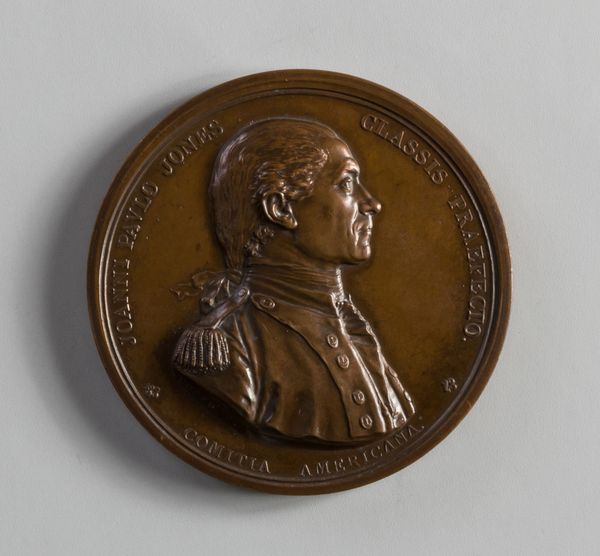
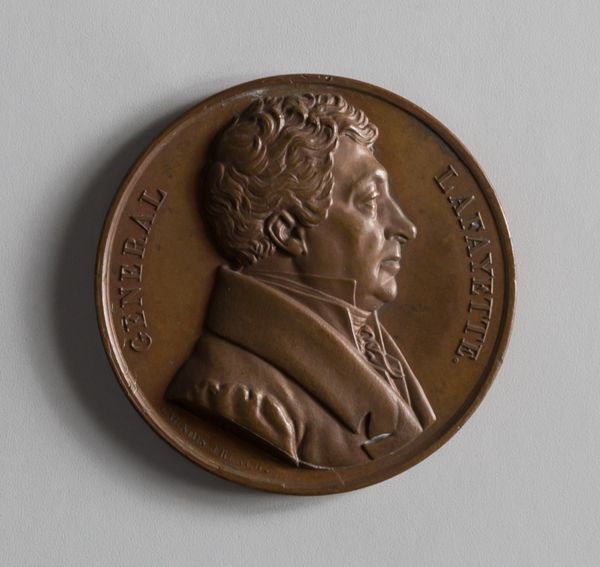
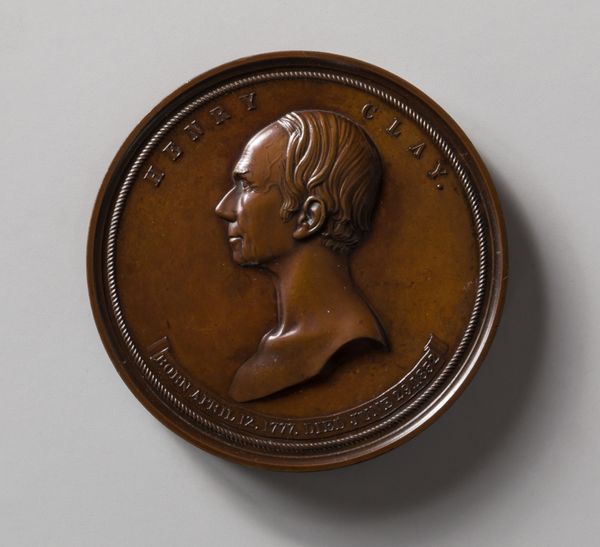
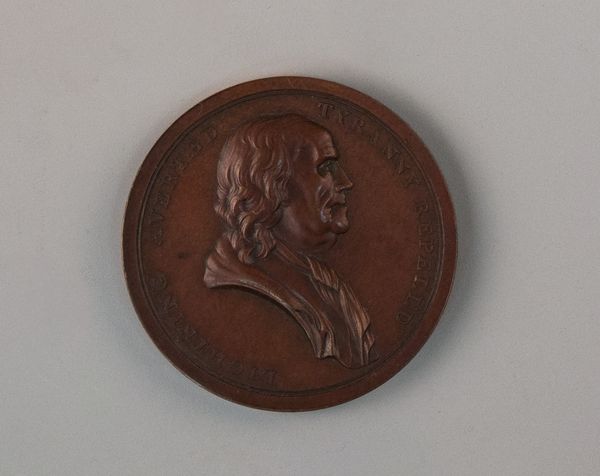
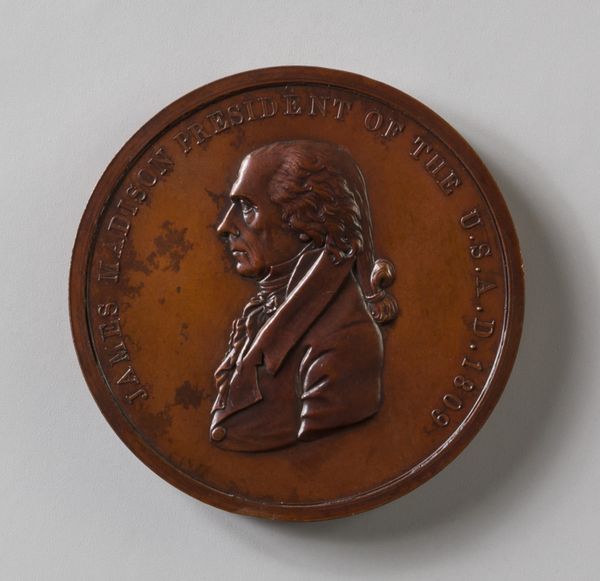
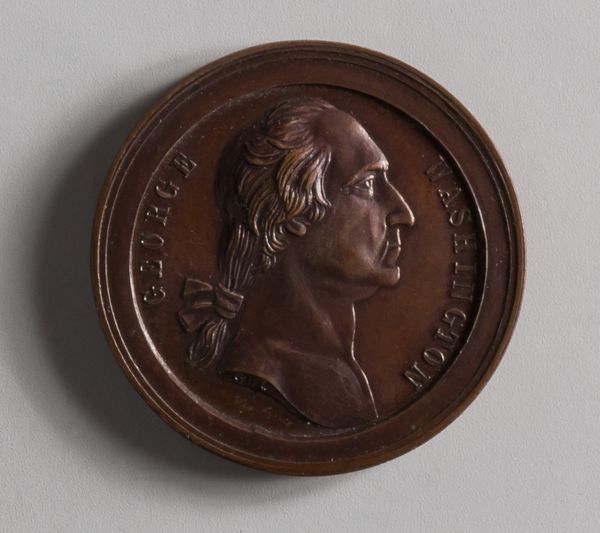
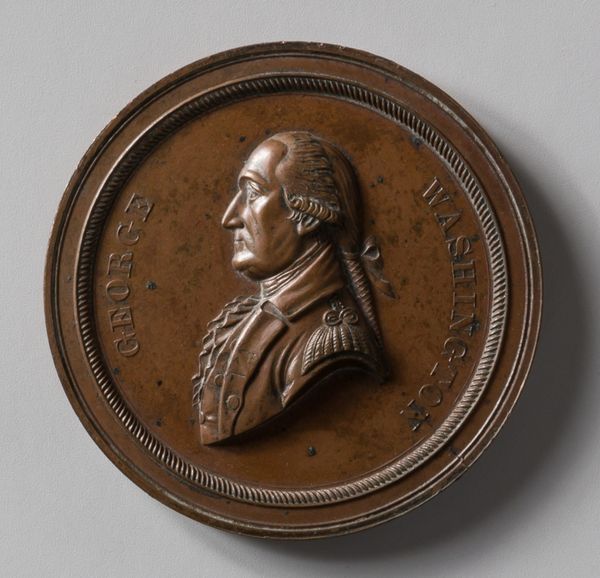
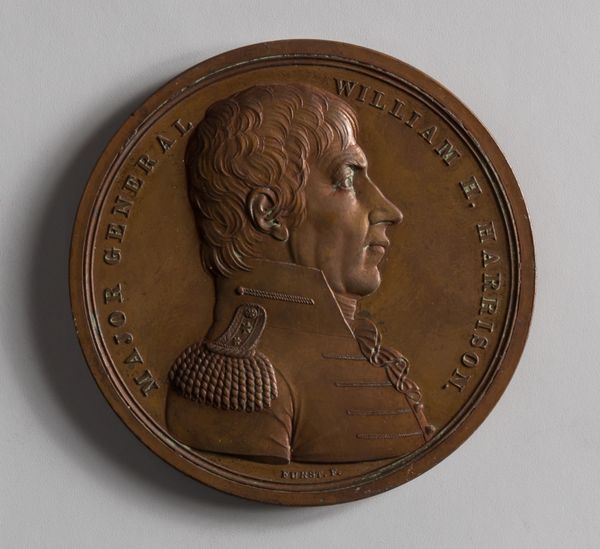
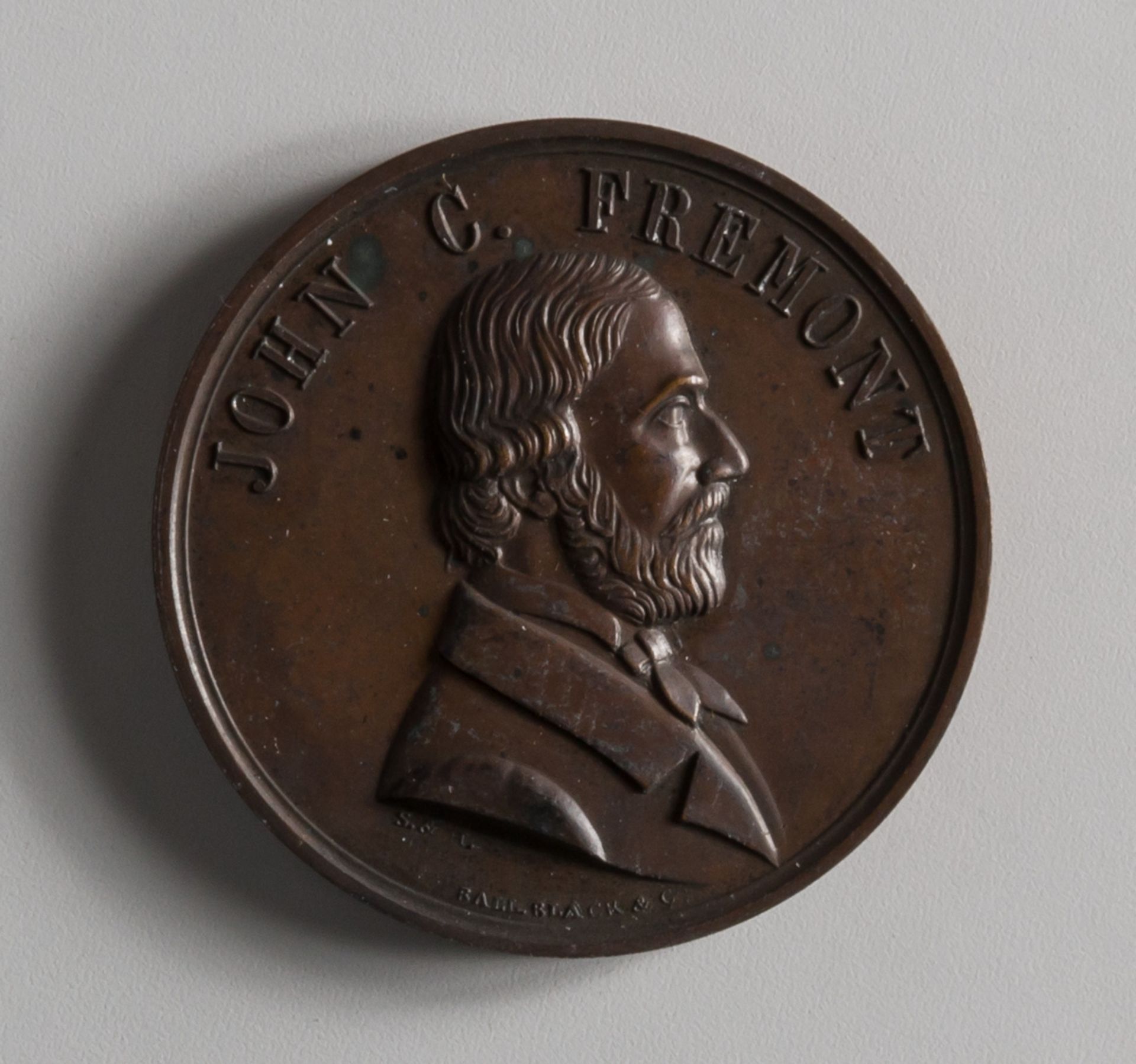
This bronze medal, made by Ball, Black & Co. in 1851, presents a profile of John C. Frémont, a figure whose legacy is deeply entwined with the complexities of American expansionism and political ambition. Frémont, an explorer, military officer, and politician, embodies the spirit of manifest destiny that drove westward expansion. Yet, this expansion came at a great cost to indigenous populations and was fraught with the question of slavery. As a senator and presidential candidate, Frémont navigated the turbulent waters of pre-Civil War America, advocating for policies that reflected both progressive ideals and the prevailing prejudices of his time. This medal serves not only as a commemoration of an individual but also as a poignant reminder of the competing narratives that shape our understanding of American history. It asks us to reflect on whose stories are told and whose are erased in the making of national identity.
John C. Fremont visit to America
1856


Artwork details
- Medium
- bronze, sculpture
- Dimensions
- Diam. 1 5/8 in. (4.1 cm)
- Location
- Metropolitan Museum of Art, New York, NY
- Copyright
- Public Domain
Tags
Comments
Share your thoughts
About this artwork
This bronze medal, made by Ball, Black & Co. in 1851, presents a profile of John C. Frémont, a figure whose legacy is deeply entwined with the complexities of American expansionism and political ambition. Frémont, an explorer, military officer, and politician, embodies the spirit of manifest destiny that drove westward expansion. Yet, this expansion came at a great cost to indigenous populations and was fraught with the question of slavery. As a senator and presidential candidate, Frémont navigated the turbulent waters of pre-Civil War America, advocating for policies that reflected both progressive ideals and the prevailing prejudices of his time. This medal serves not only as a commemoration of an individual but also as a poignant reminder of the competing narratives that shape our understanding of American history. It asks us to reflect on whose stories are told and whose are erased in the making of national identity.
Comments
Share your thoughts