About this artwork
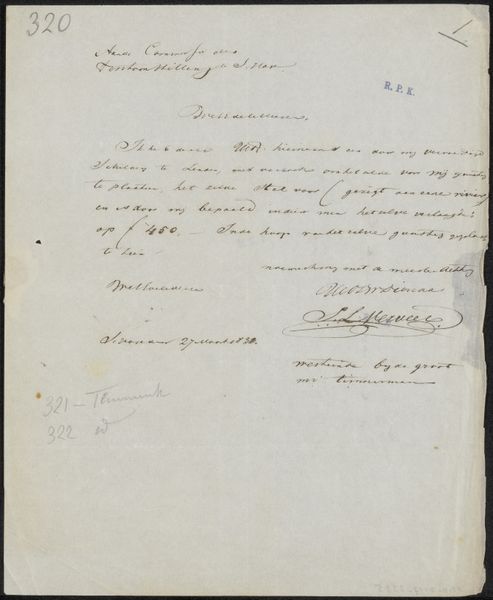
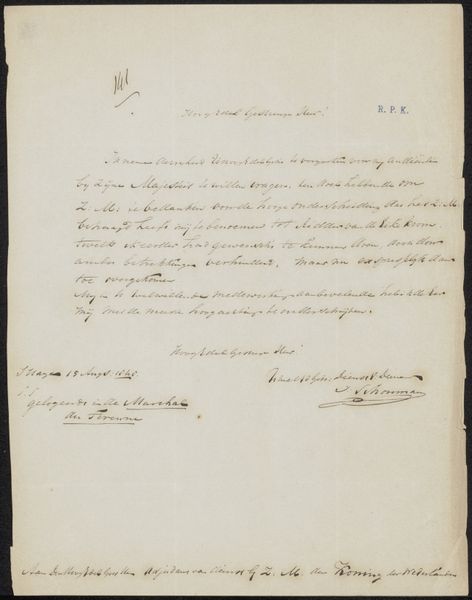
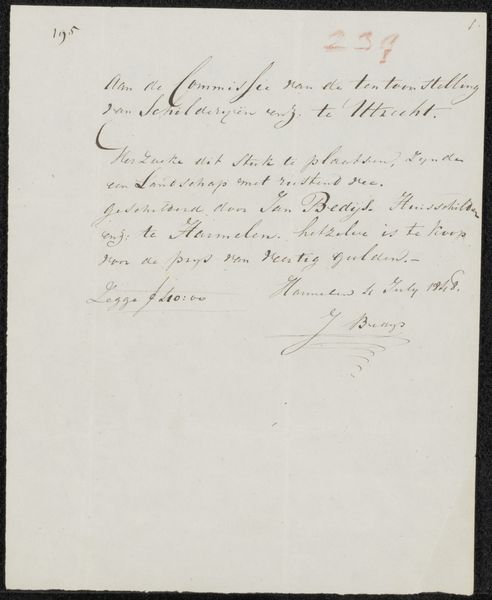
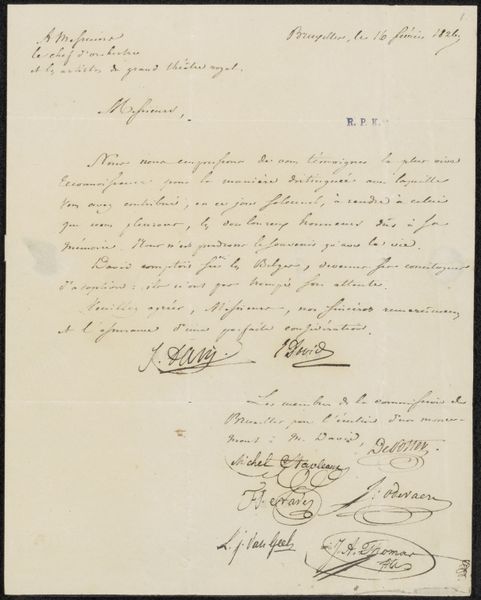
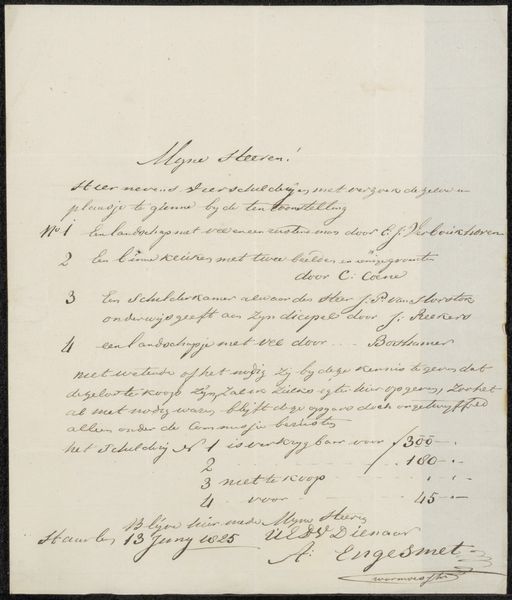
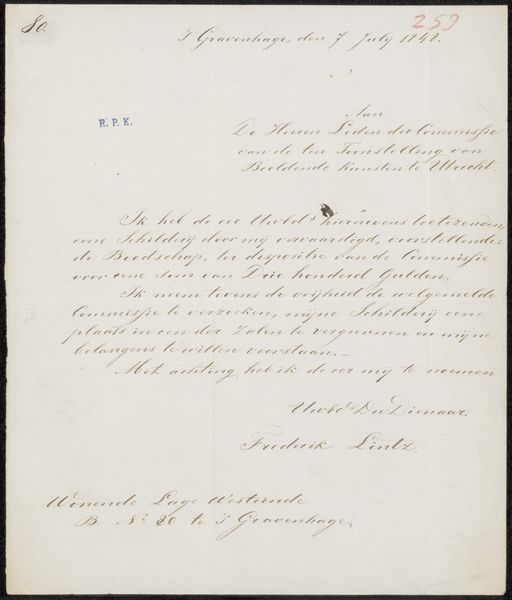
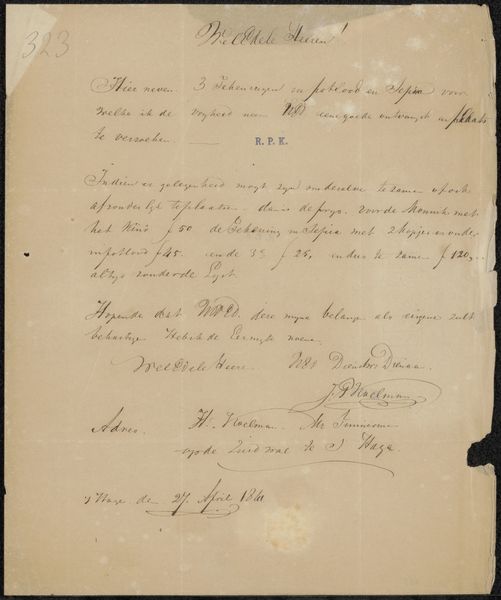
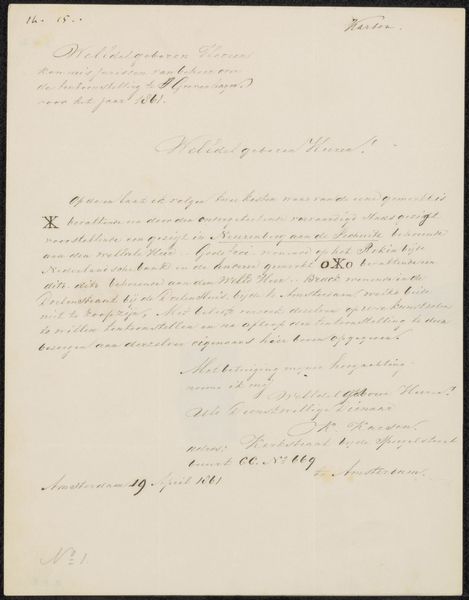
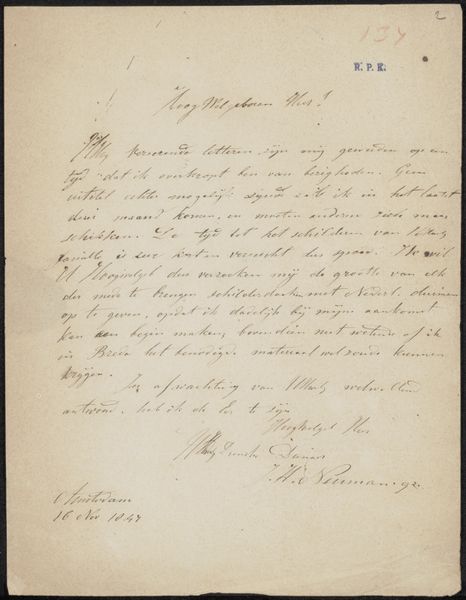
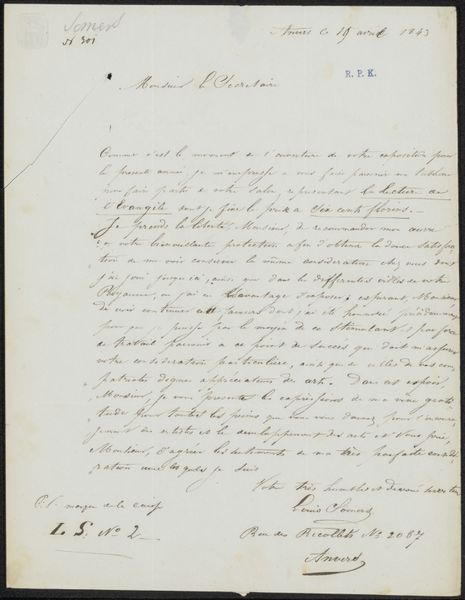
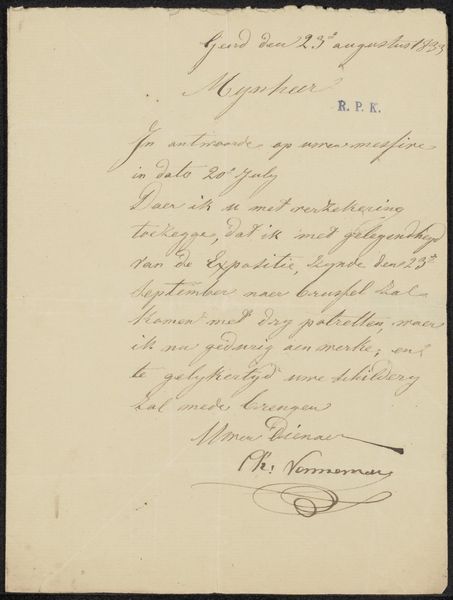
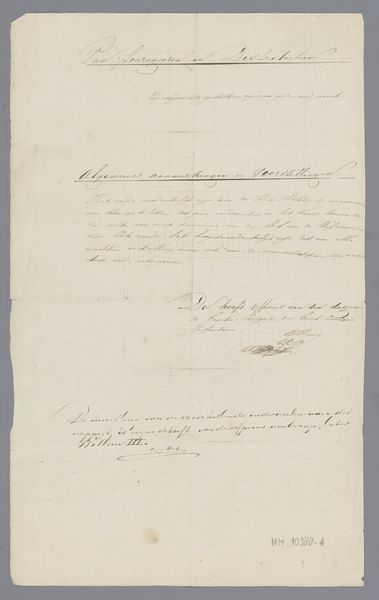
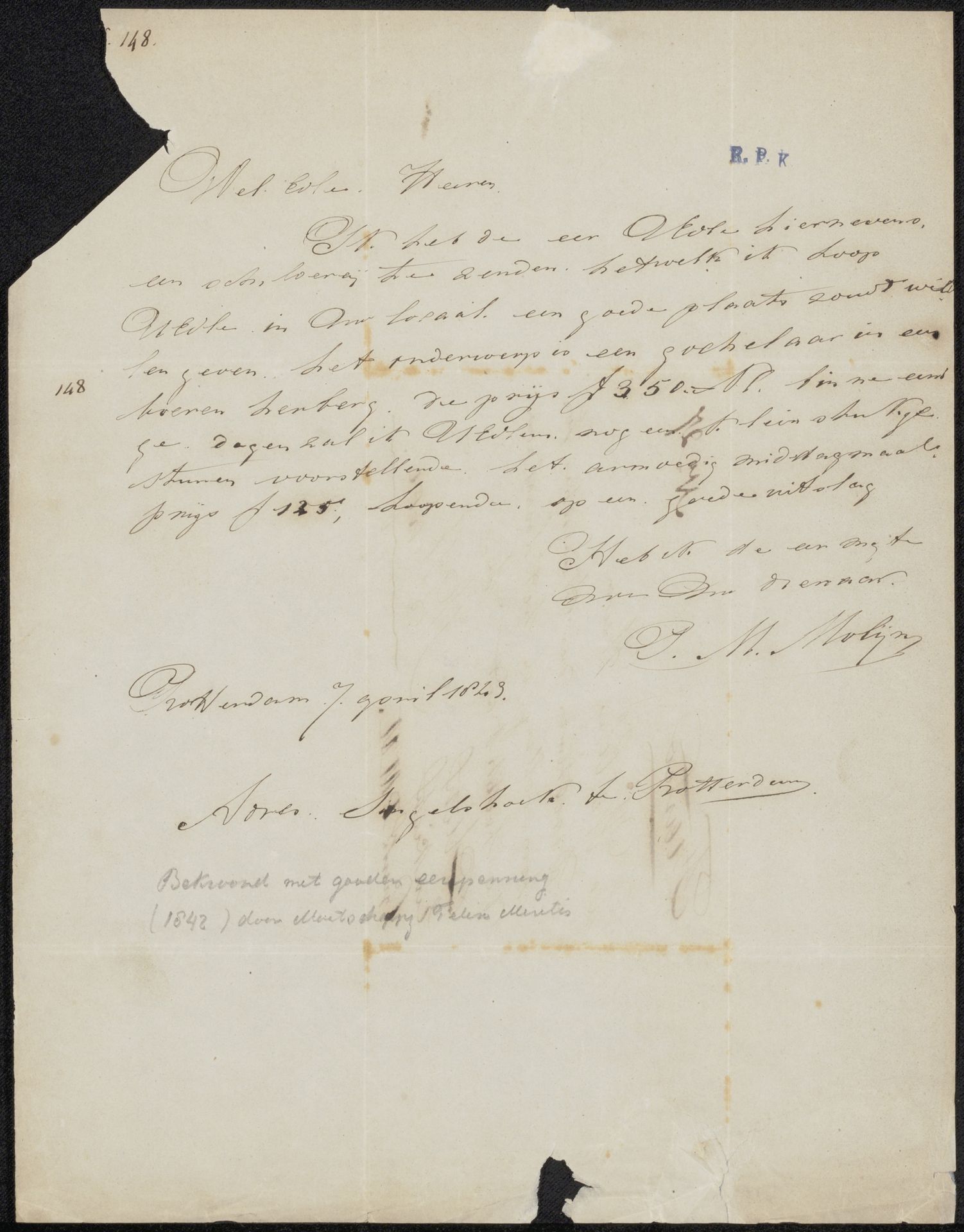
This letter was written by Petrus Marius Molijn in 1843, using paper, ink, and a quill. Though seemingly simple, this letter's materiality speaks volumes about artistic networks and power dynamics of the time. Paper, though common, was still a valuable commodity, and handwriting was a skill indicative of education and status. The careful penmanship suggests Molijn's investment in making a good impression on the commission. Consider the labor involved: from the rag-based paper production to the mixing of ink, and the practiced hand required for elegant script. Each stroke embodies hours of work and skill. Molijn's letter underscores the critical role of communication in the art world. Ultimately, this letter reminds us that even seemingly mundane objects can reveal broader social and economic contexts. It prompts us to consider the labor, materials, and power structures that shape artistic production and reception.
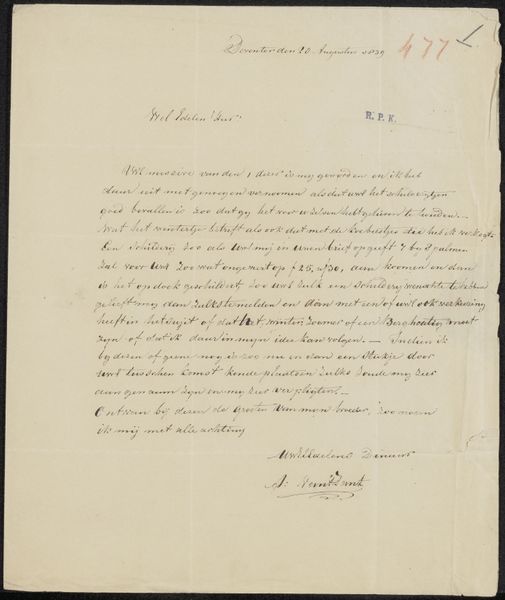
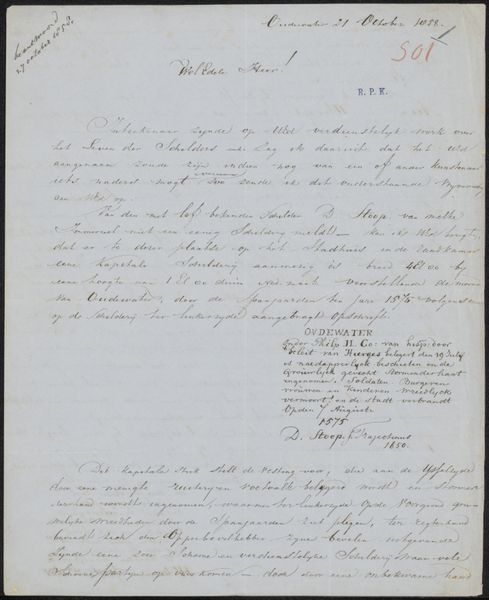
Brief aan de commissie van de Tentoonstelling van Levende Meesters in Den Haag
Possibly 1843 - 1847

Artwork details
- Medium
- drawing, paper, ink
- Copyright
- Rijks Museum: Open Domain
Tags
Comments
Share your thoughts
About this artwork
This letter was written by Petrus Marius Molijn in 1843, using paper, ink, and a quill. Though seemingly simple, this letter's materiality speaks volumes about artistic networks and power dynamics of the time. Paper, though common, was still a valuable commodity, and handwriting was a skill indicative of education and status. The careful penmanship suggests Molijn's investment in making a good impression on the commission. Consider the labor involved: from the rag-based paper production to the mixing of ink, and the practiced hand required for elegant script. Each stroke embodies hours of work and skill. Molijn's letter underscores the critical role of communication in the art world. Ultimately, this letter reminds us that even seemingly mundane objects can reveal broader social and economic contexts. It prompts us to consider the labor, materials, and power structures that shape artistic production and reception.
Comments
Share your thoughts