About this artwork
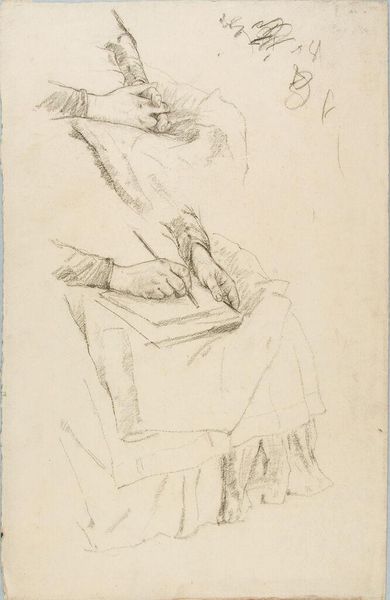
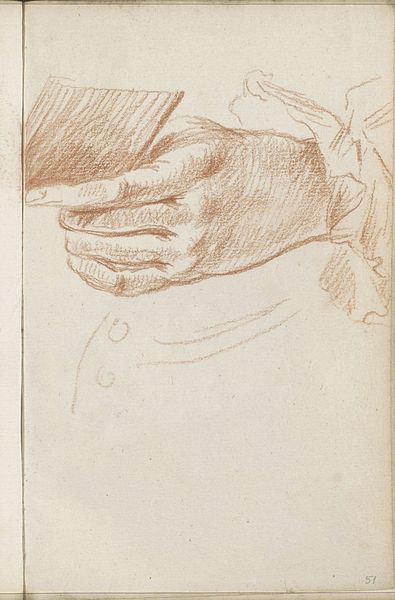
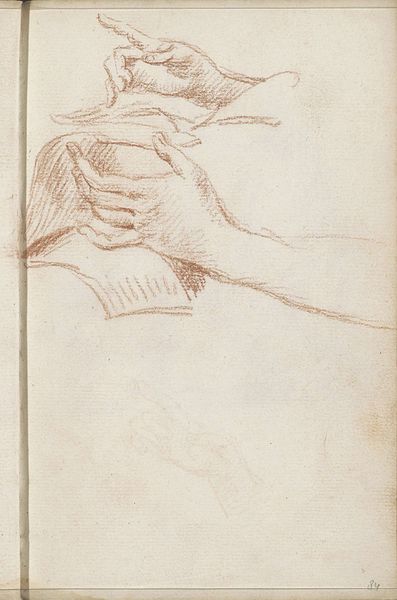
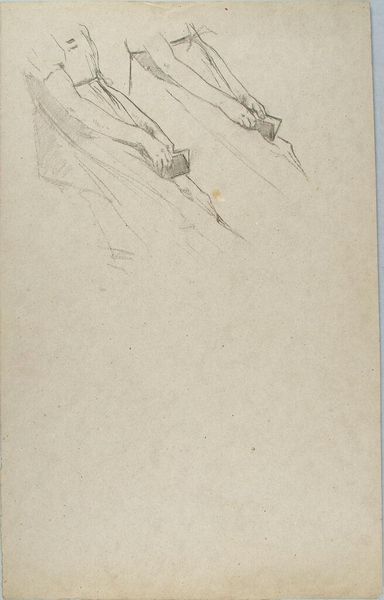
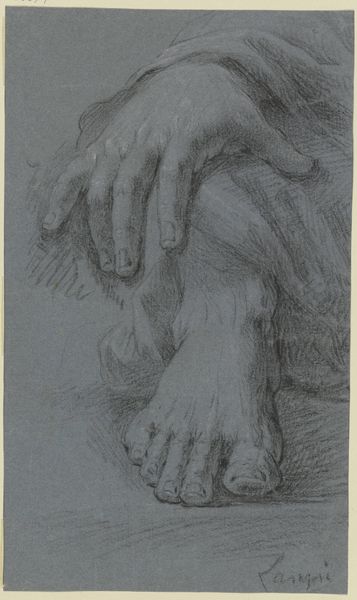
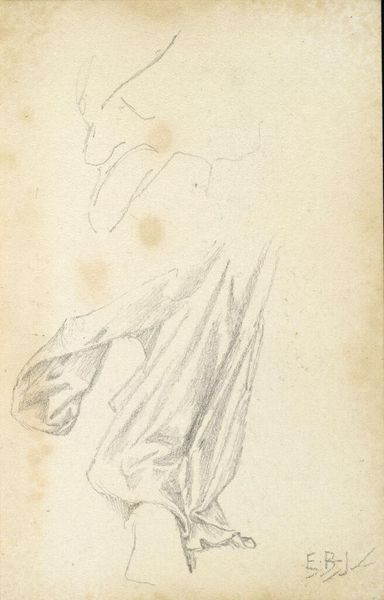
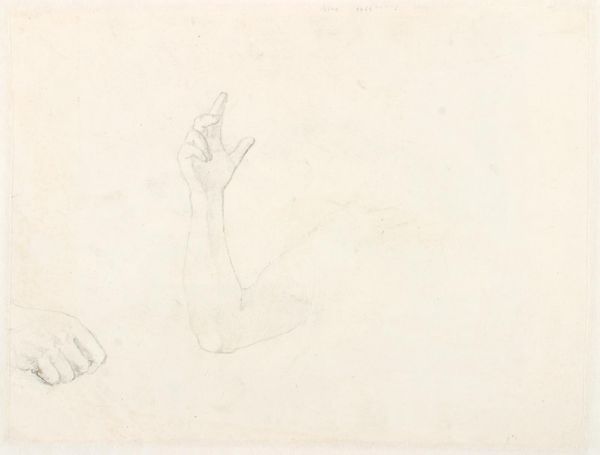
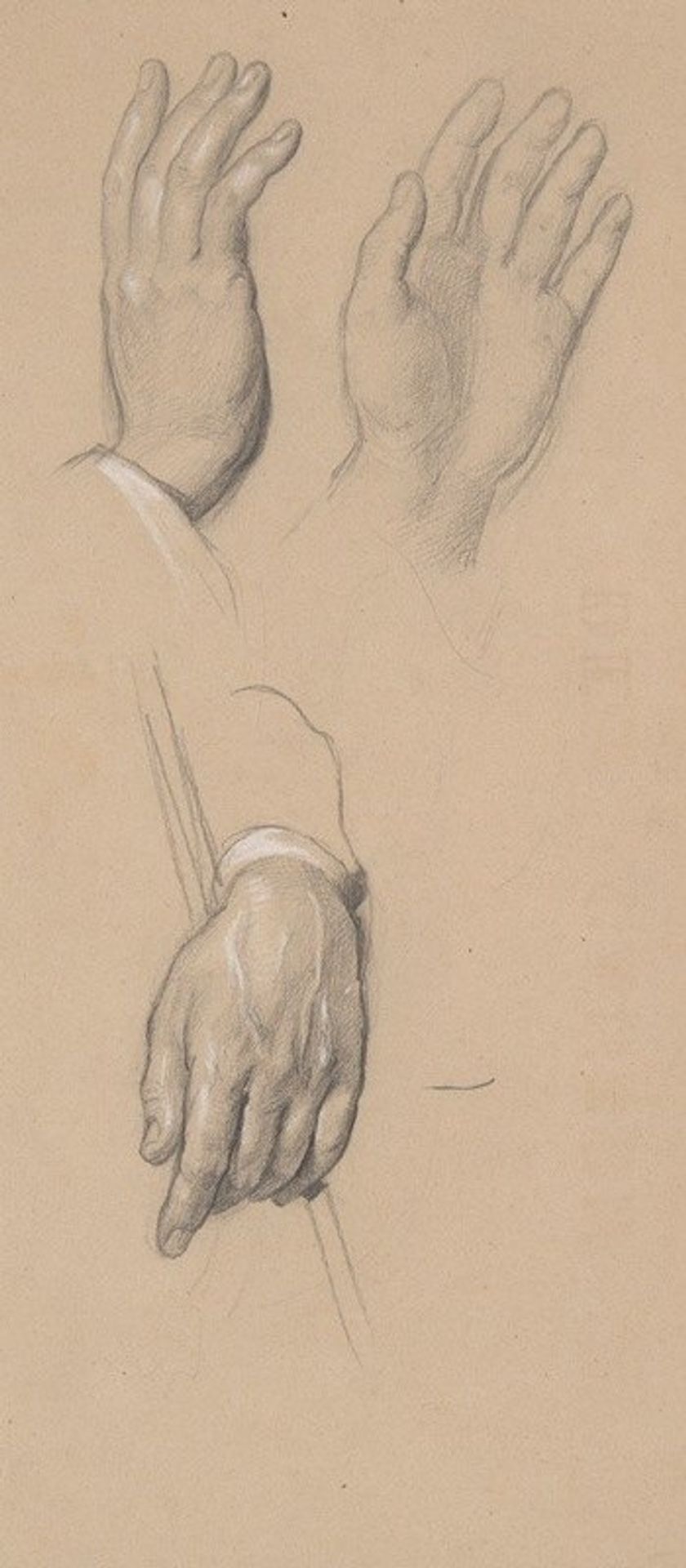
Józef Simmler created these hand studies as preparations for his painting ‘The Immaculate Conception of the Blessed Virgin Mary’. Simmler was working in 19th-century Poland, a time of national and cultural struggle under foreign rule. These sketches reveal Simmler's meticulous approach to depicting the human form, focusing particularly on the emotive power of hands. Hands are not just about skill; they are about identity, labor, and expression. Simmler imbues these hands with a sense of reverence and piety that was typical of religious art. Simmler carefully considered the historical context of his subjects, aiming to capture the essence of the biblical figures through their physical presence. Yet, these studies also suggest a tension between traditional religious representation and the artist's own interpretation, as he imbues each hand with a unique character, hinting at the complex inner lives of David and Jacob. Simmler's work invites us to reflect on the ways in which art can both uphold and subtly challenge established norms, revealing the emotional and personal dimensions of faith.
Studies of David’s and Jacob’s hands for the painting ‘The Immaculate Conception of the Blessed Virgin Mary’
1864

Artwork details
- Medium
- drawing, pencil
- Copyright
- Public Domain: Artvee
Tags
Comments
Share your thoughts
About this artwork
Józef Simmler created these hand studies as preparations for his painting ‘The Immaculate Conception of the Blessed Virgin Mary’. Simmler was working in 19th-century Poland, a time of national and cultural struggle under foreign rule. These sketches reveal Simmler's meticulous approach to depicting the human form, focusing particularly on the emotive power of hands. Hands are not just about skill; they are about identity, labor, and expression. Simmler imbues these hands with a sense of reverence and piety that was typical of religious art. Simmler carefully considered the historical context of his subjects, aiming to capture the essence of the biblical figures through their physical presence. Yet, these studies also suggest a tension between traditional religious representation and the artist's own interpretation, as he imbues each hand with a unique character, hinting at the complex inner lives of David and Jacob. Simmler's work invites us to reflect on the ways in which art can both uphold and subtly challenge established norms, revealing the emotional and personal dimensions of faith.
Comments
Share your thoughts