About this artwork
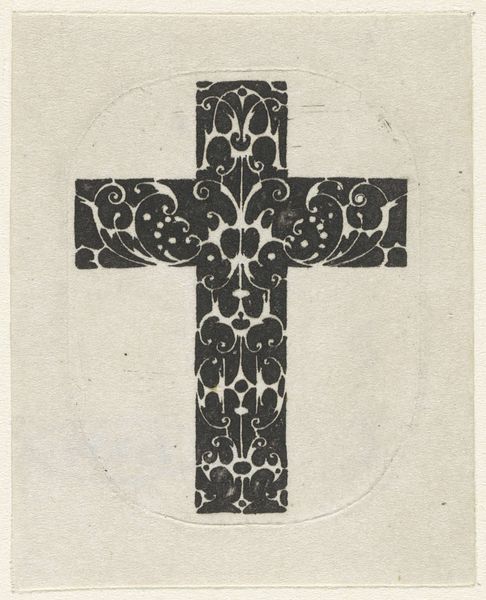
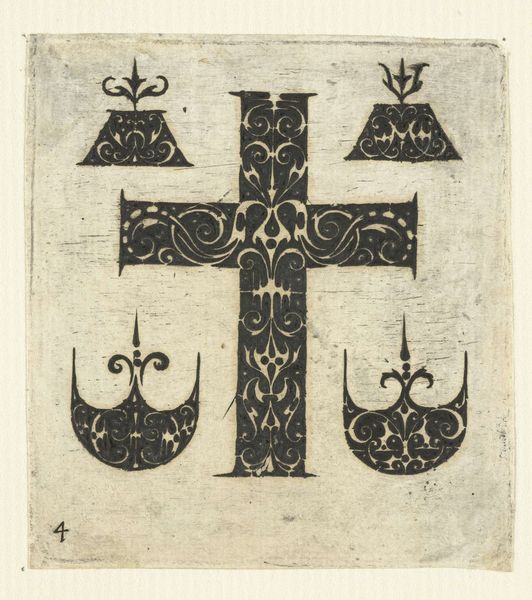
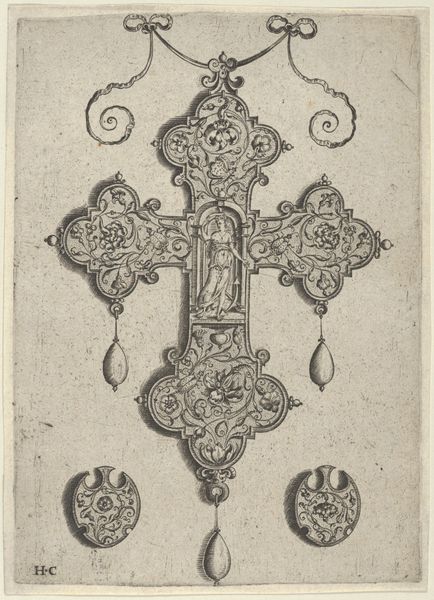
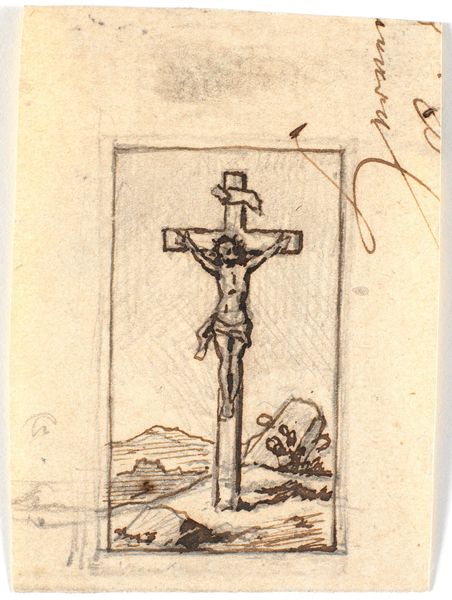
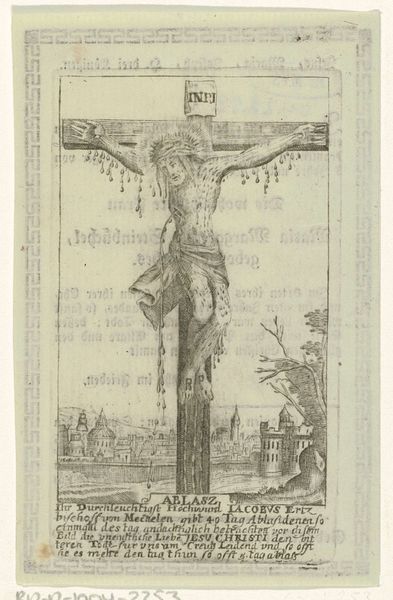
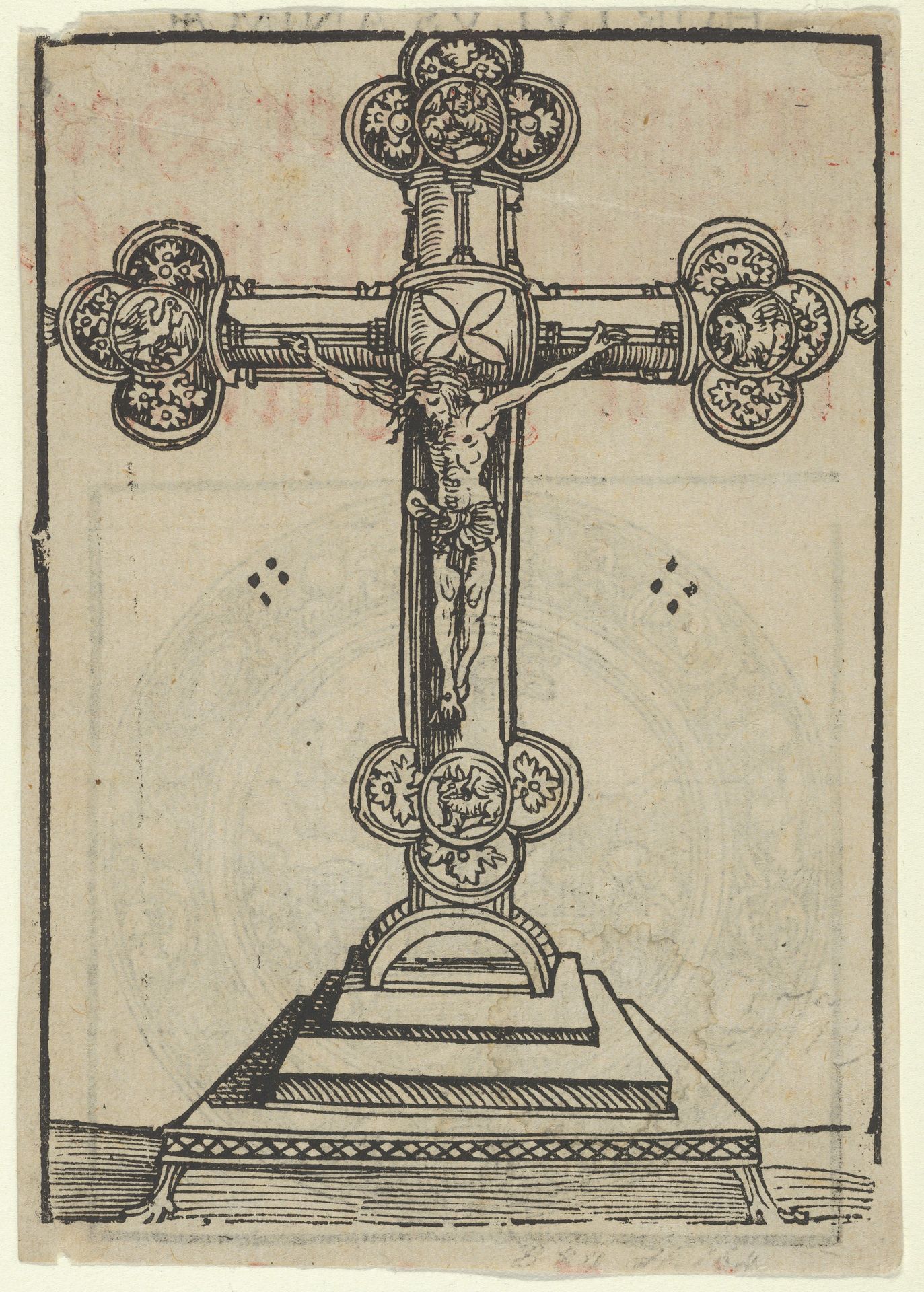
This is Lucas Cranach the Elder’s woodcut of a silver-gilt cross with Christ crucified, a print which was part of the Wittenberg Reliquaries. Cranach made this print in the early 16th century, a period defined by religious upheaval as the Protestant Reformation challenged the Catholic Church’s authority. The cross and the suffering figure of Christ is front and center. The fine lines of the print capture a graphic and immediate sense of the crucifixion, a visceral experience of pain. But this image was produced in the service of the Catholic Church. In other prints, the cross was surrounded by images of relics, precious objects believed to have healing powers. This combination of graphic suffering and the promise of healing speaks to the complex relationship between faith, the body, and power at the time. Cranach here is not simply making religious art but actively participating in debates about truth, belief, and the very nature of representation.
A Silver-Gilt Cross with Christ Crucified, from the Wittenberg Reliquaries 1472 - 1553

Lucas Cranach the Elder
1472 - 1553
The Metropolitan Museum of Art
Metropolitan Museum of Art, New York, NYArtwork details
- Medium
- print, woodcut, engraving
- Dimensions
- Sheet: 5 7/16 × 3 7/8 in. (13.8 × 9.8 cm)
- Location
- Metropolitan Museum of Art, New York, NY
- Copyright
- Public Domain
Tags
old engraving style
cross
woodcut
crucifixion
history-painting
northern-renaissance
engraving
christ
Comments
No comments
About this artwork
This is Lucas Cranach the Elder’s woodcut of a silver-gilt cross with Christ crucified, a print which was part of the Wittenberg Reliquaries. Cranach made this print in the early 16th century, a period defined by religious upheaval as the Protestant Reformation challenged the Catholic Church’s authority. The cross and the suffering figure of Christ is front and center. The fine lines of the print capture a graphic and immediate sense of the crucifixion, a visceral experience of pain. But this image was produced in the service of the Catholic Church. In other prints, the cross was surrounded by images of relics, precious objects believed to have healing powers. This combination of graphic suffering and the promise of healing speaks to the complex relationship between faith, the body, and power at the time. Cranach here is not simply making religious art but actively participating in debates about truth, belief, and the very nature of representation.
Comments
No comments