About this artwork
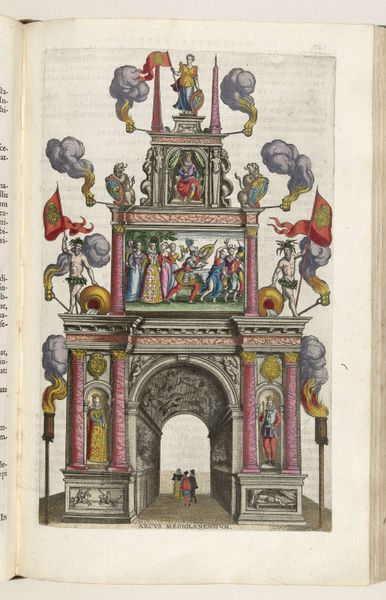
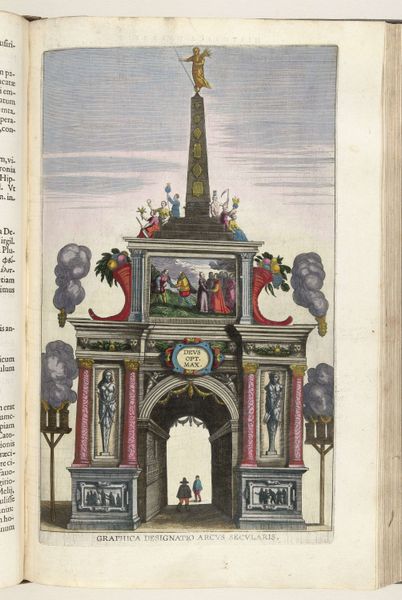
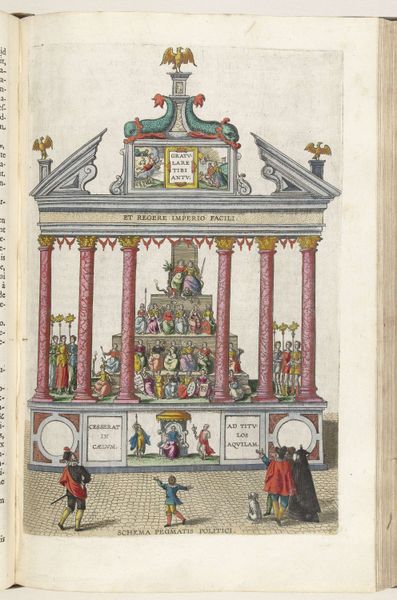
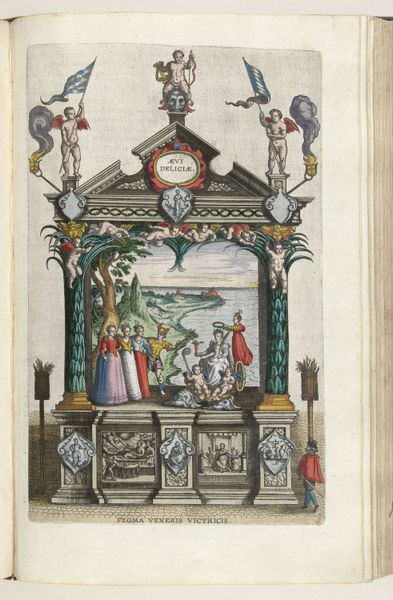
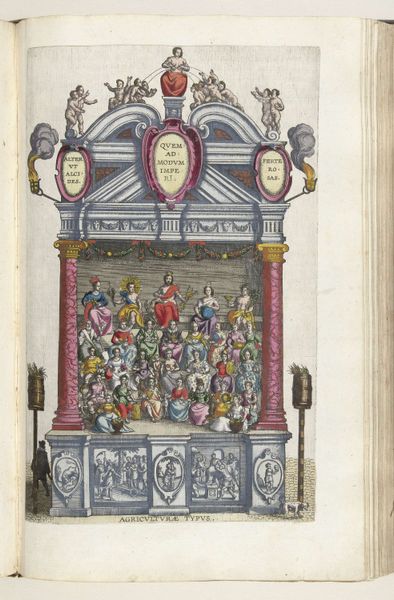
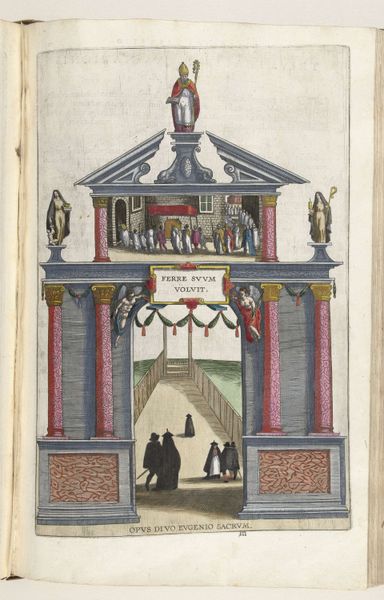
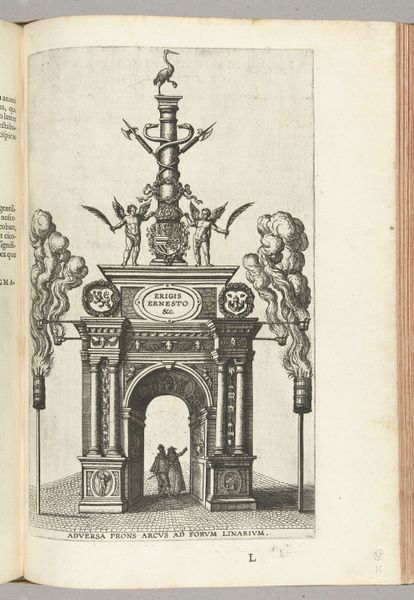
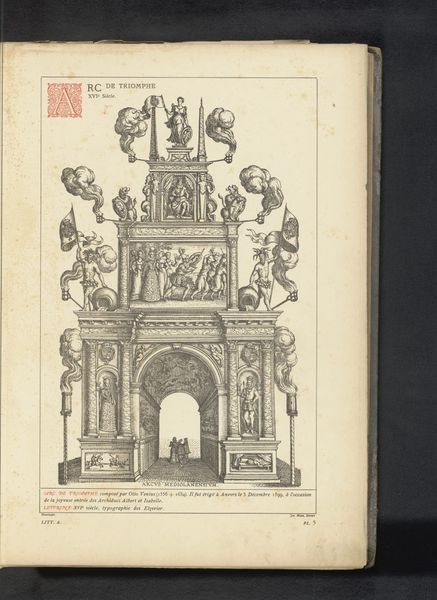
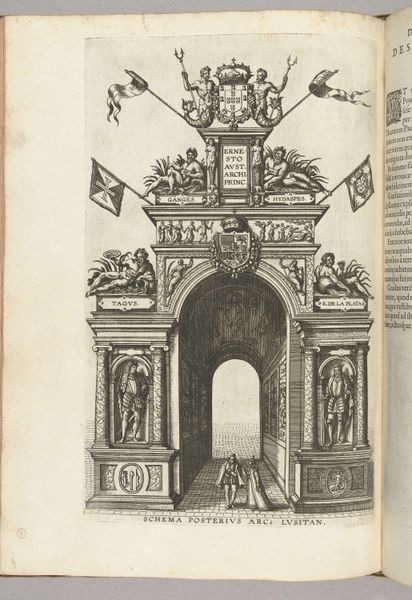
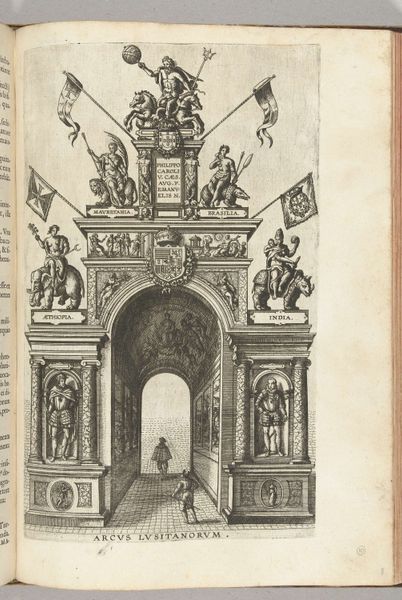
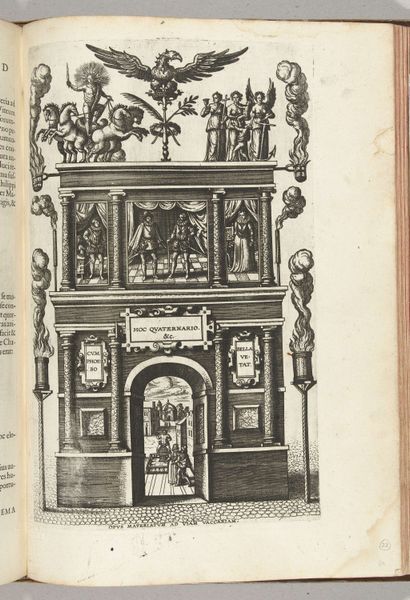
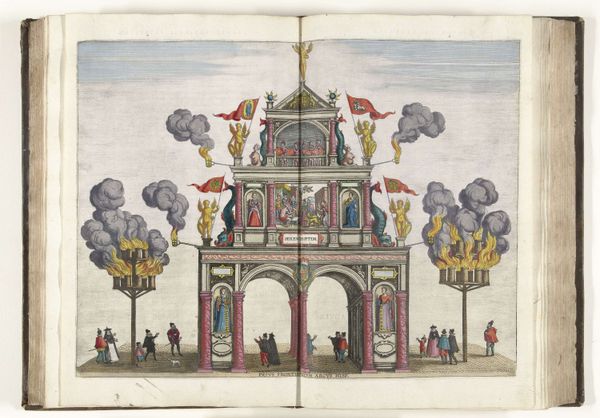
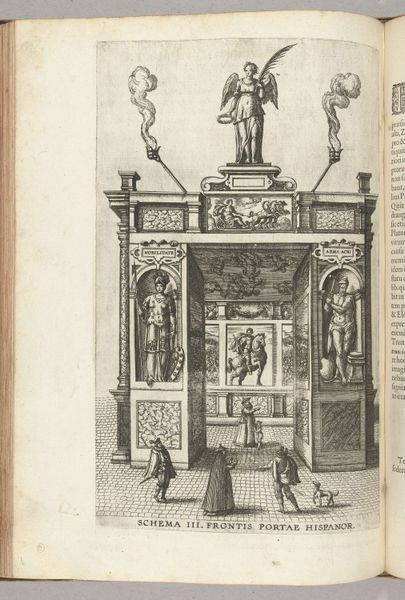
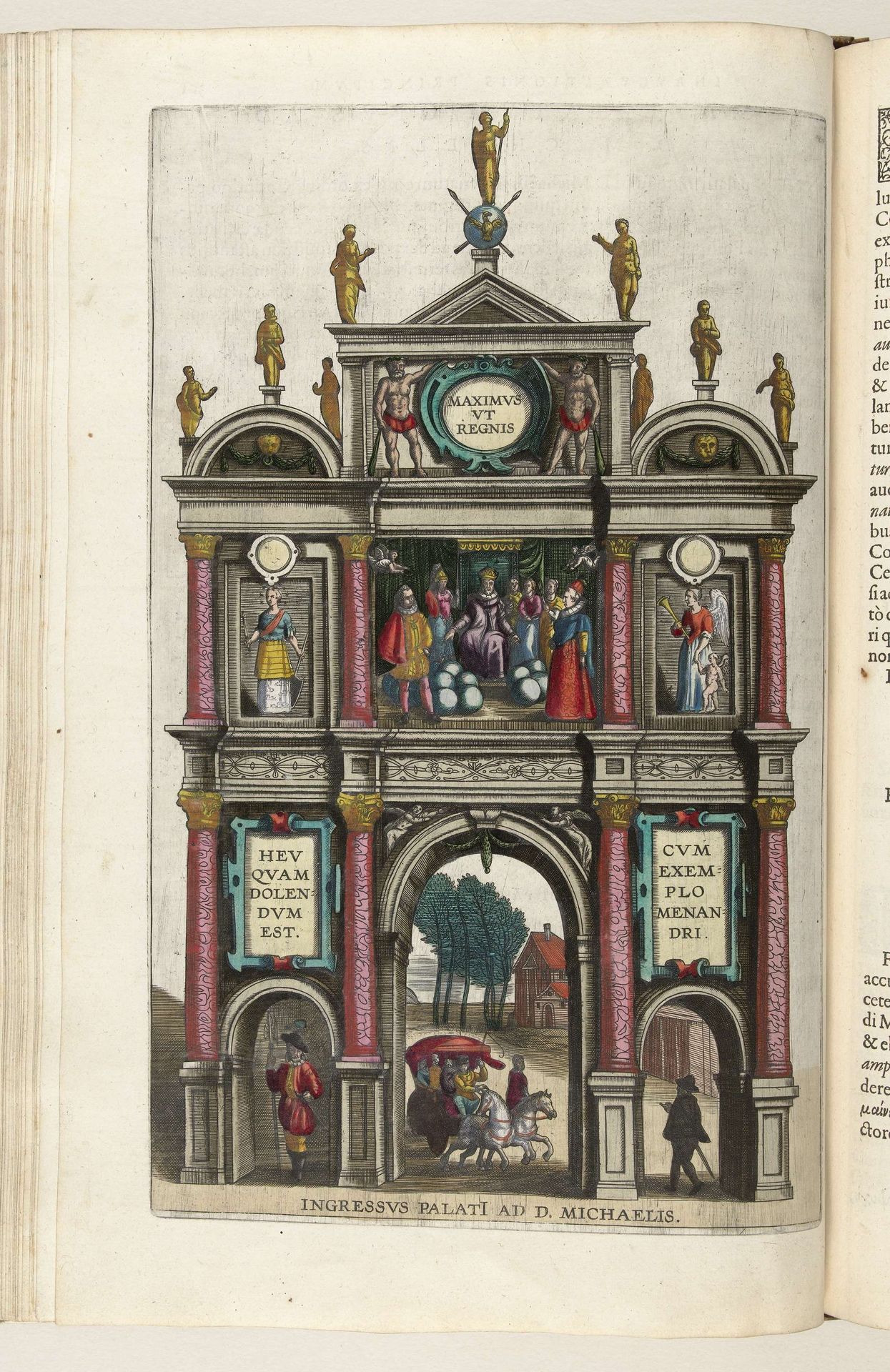
This is an engraving from 1599 showing the triumphal arch at St. Michael’s Church. Above the central arch, athletic figures flank an inscription celebrating a great king, reflecting the Roman imperial tradition of honoring rulers with displays of strength and power. The arch itself, however, echoes a tradition stretching back to ancient Rome, serving as a potent symbol of victory, honor, and imperial authority. This motif isn't confined to Rome; it appears in Renaissance and Baroque art, architecture, and festivals throughout Europe, reinvented each time to convey power. The archway serves as a powerful cultural memory device. It evokes subconscious associations with past glories. It speaks to our deep-seated desire for order and stability. By understanding how these symbols function across time, we gain insight into the collective psyche of those who created and interpreted them. As these visual symbols transform, so does the human experience, forever imprinted in art.

Artwork details
- Medium
- drawing, print, engraving, architecture
- Dimensions
- height 327 mm, width 203 mm
- Copyright
- Rijks Museum: Open Domain
Tags
Comments
Share your thoughts
About this artwork
This is an engraving from 1599 showing the triumphal arch at St. Michael’s Church. Above the central arch, athletic figures flank an inscription celebrating a great king, reflecting the Roman imperial tradition of honoring rulers with displays of strength and power. The arch itself, however, echoes a tradition stretching back to ancient Rome, serving as a potent symbol of victory, honor, and imperial authority. This motif isn't confined to Rome; it appears in Renaissance and Baroque art, architecture, and festivals throughout Europe, reinvented each time to convey power. The archway serves as a powerful cultural memory device. It evokes subconscious associations with past glories. It speaks to our deep-seated desire for order and stability. By understanding how these symbols function across time, we gain insight into the collective psyche of those who created and interpreted them. As these visual symbols transform, so does the human experience, forever imprinted in art.
Comments
Share your thoughts