About this artwork
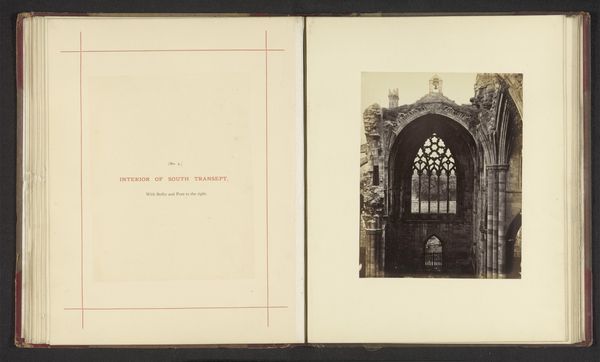
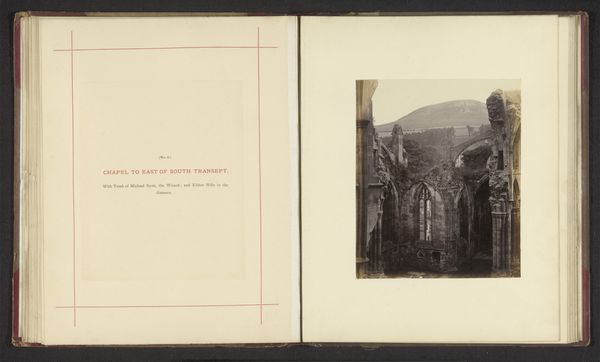
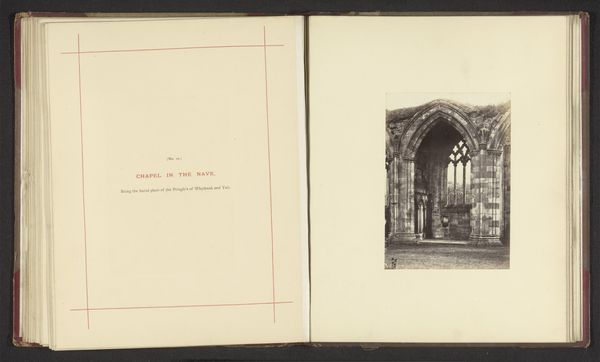
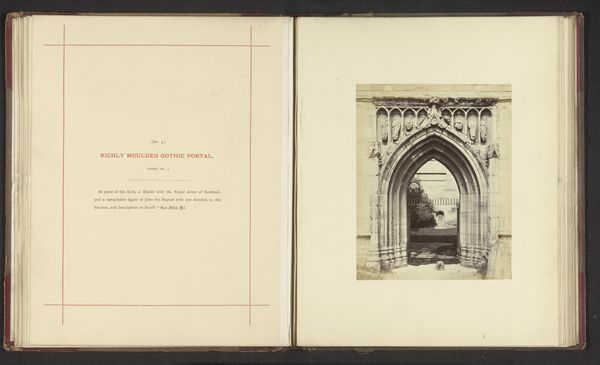
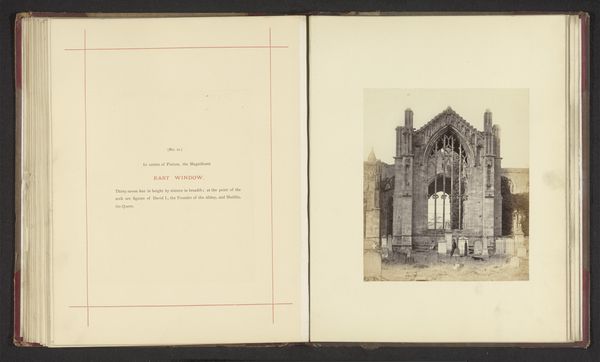
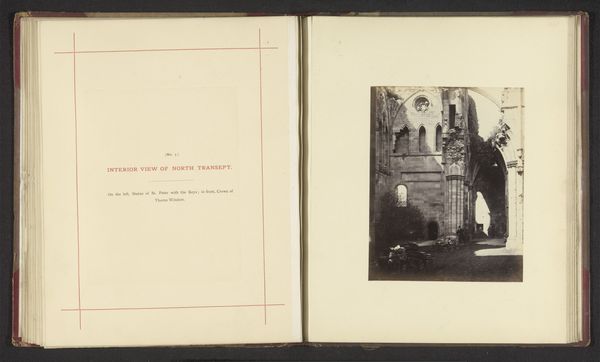
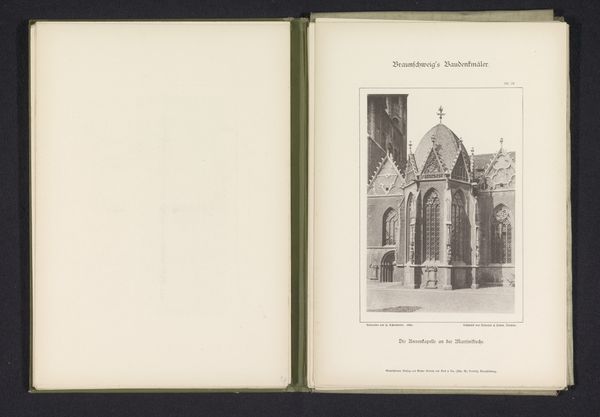
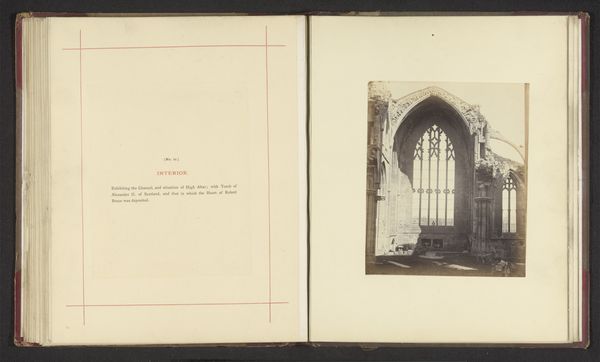
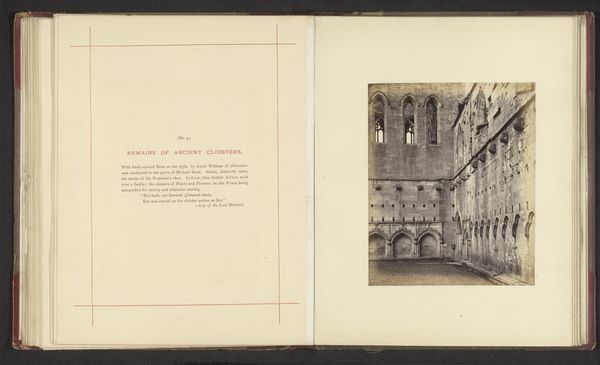
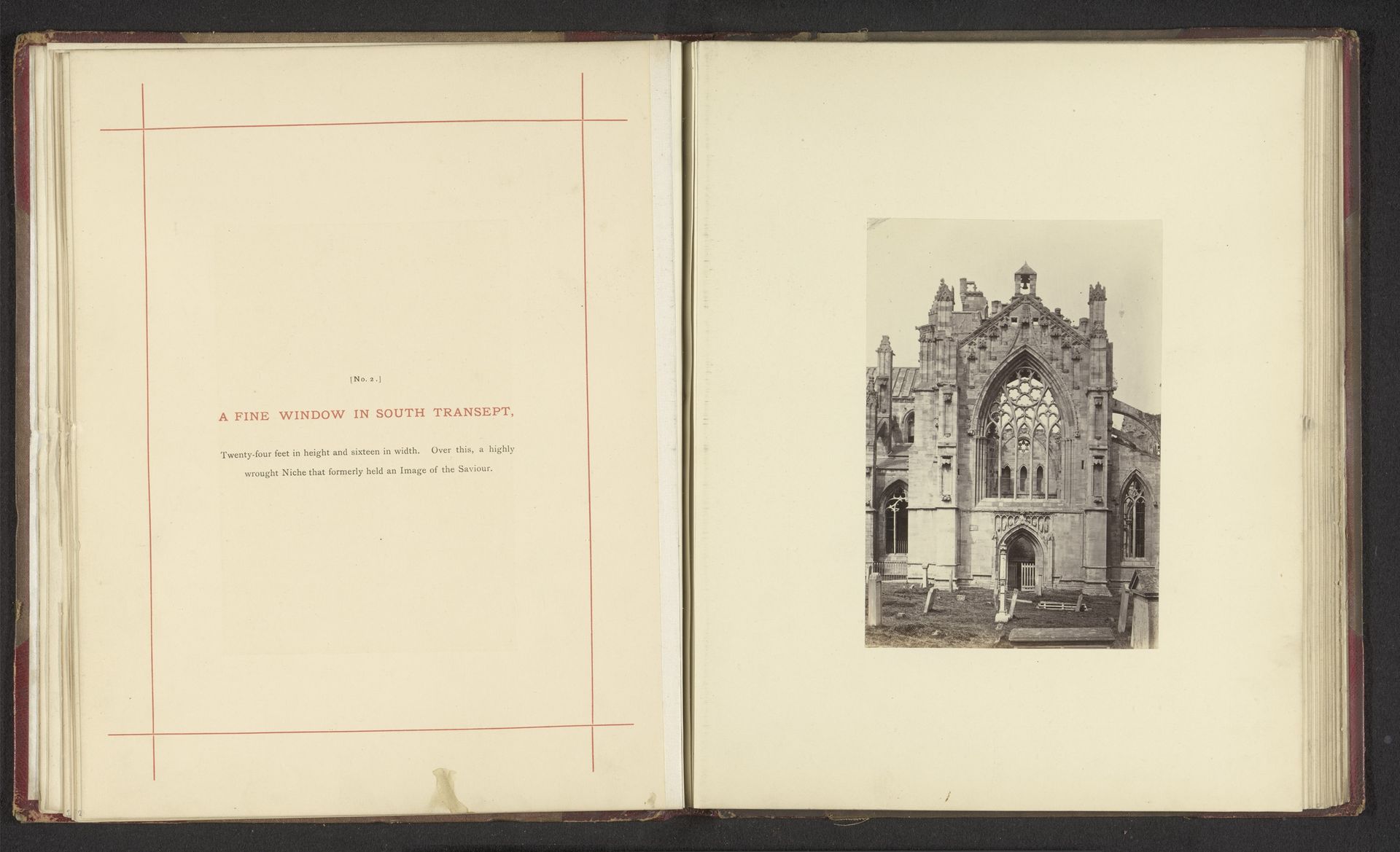
This photograph captures a window in the transept of Melrose Abbey, a testament to Gothic architecture. The window, with its intricate tracery and pointed arch, symbolizes aspiration, reaching towards the divine. The rose window, a prominent feature, is a symbol of the Virgin Mary, a "rose without thorns," and often represents divine light and harmony. Its circular form echoes the cosmos and eternal cycles, while its placement high in the church draws parallels to mandalas and cosmograms from other cultures. These visual symbols resonate across cultures and centuries, connecting the conscious with the subconscious, and reminding us of our shared human experience. The image of the window in a state of decay evokes a sense of vanitas, the transience of earthly things. It speaks to the cyclical nature of life, death, and rebirth, and engages us on a deep, almost primal level.
Gezicht op een raam in een transept van de ruïne van Melrose Abbey
before 1870

Artwork details
- Dimensions
- height 155 mm, width 106 mm
- Copyright
- Rijks Museum: Open Domain
Comments
Be the first to share your thoughts about this work.
About this artwork
This photograph captures a window in the transept of Melrose Abbey, a testament to Gothic architecture. The window, with its intricate tracery and pointed arch, symbolizes aspiration, reaching towards the divine. The rose window, a prominent feature, is a symbol of the Virgin Mary, a "rose without thorns," and often represents divine light and harmony. Its circular form echoes the cosmos and eternal cycles, while its placement high in the church draws parallels to mandalas and cosmograms from other cultures. These visual symbols resonate across cultures and centuries, connecting the conscious with the subconscious, and reminding us of our shared human experience. The image of the window in a state of decay evokes a sense of vanitas, the transience of earthly things. It speaks to the cyclical nature of life, death, and rebirth, and engages us on a deep, almost primal level.
Comments
Be the first to share your thoughts about this work.