About this artwork
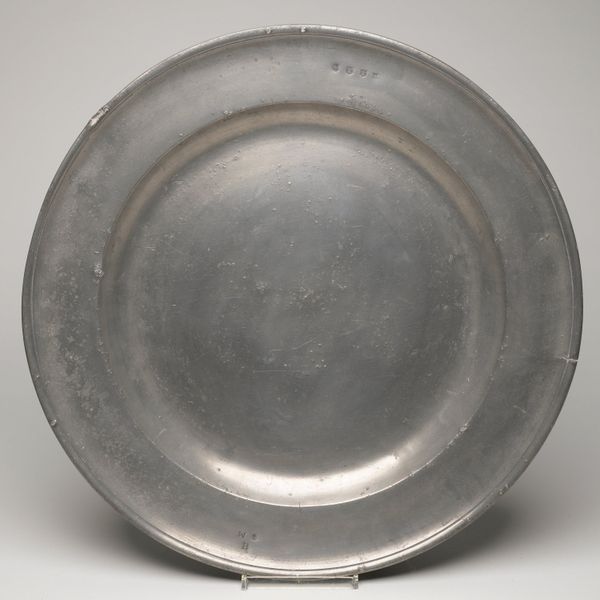
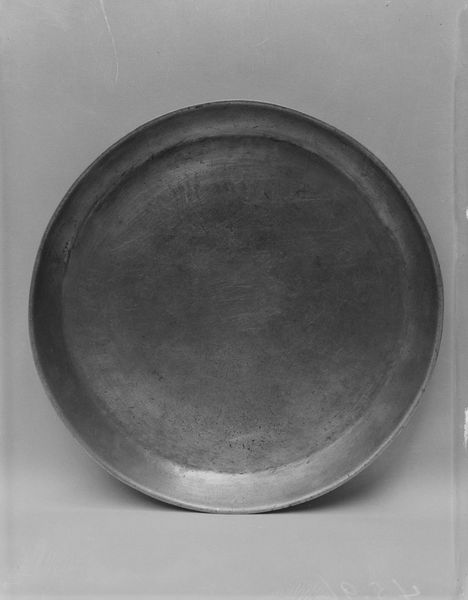
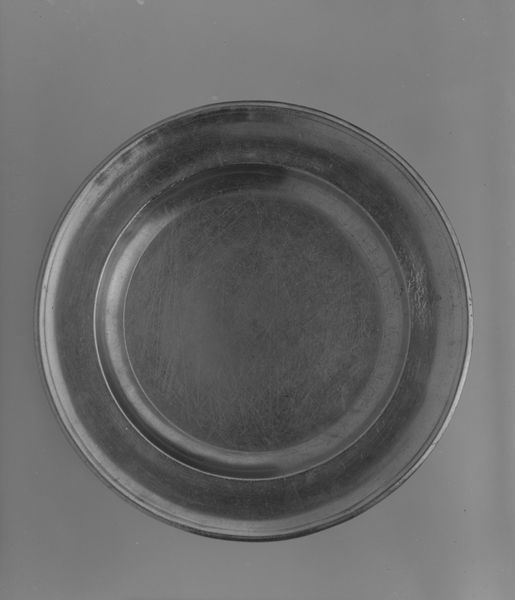
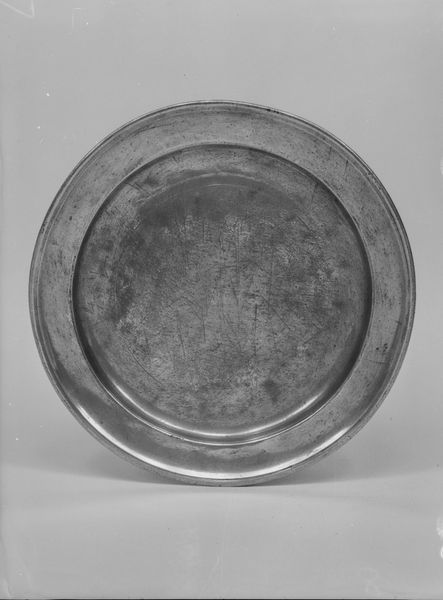
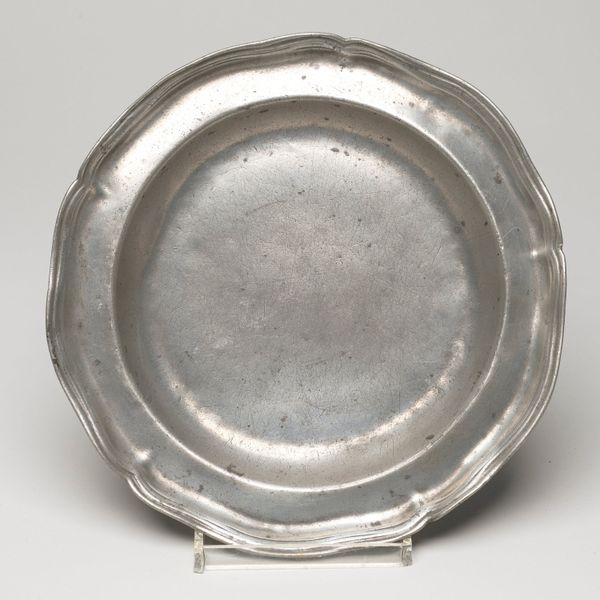
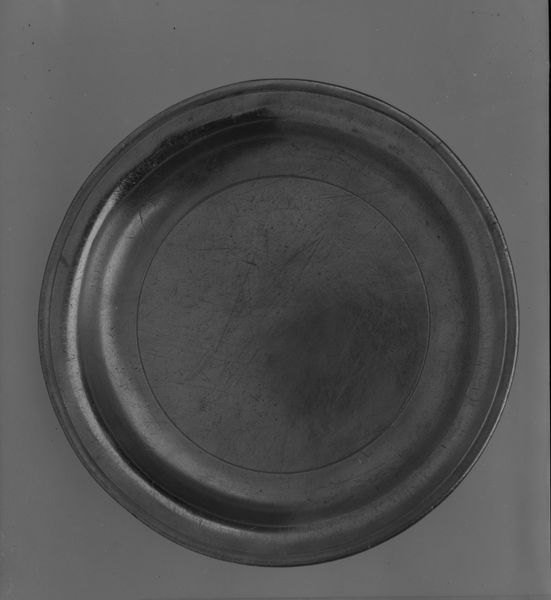
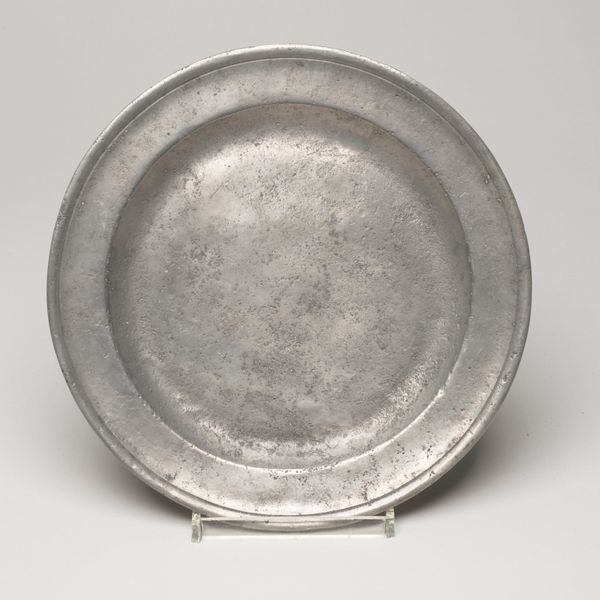
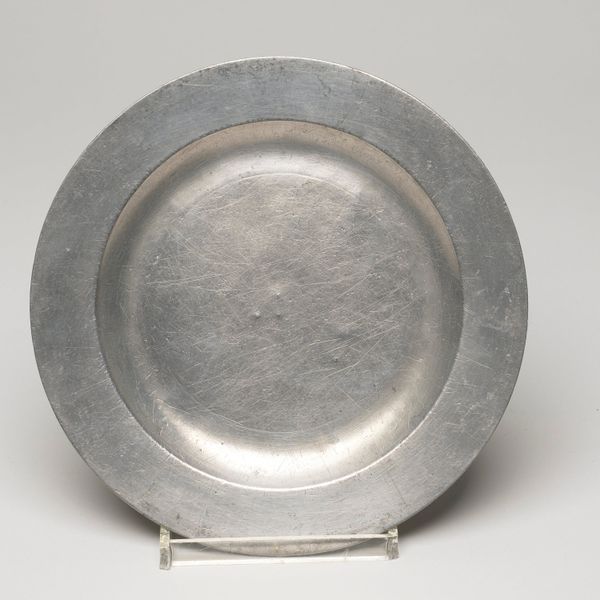
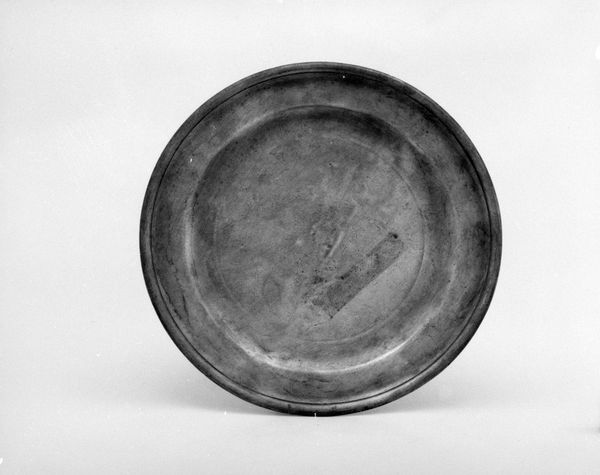
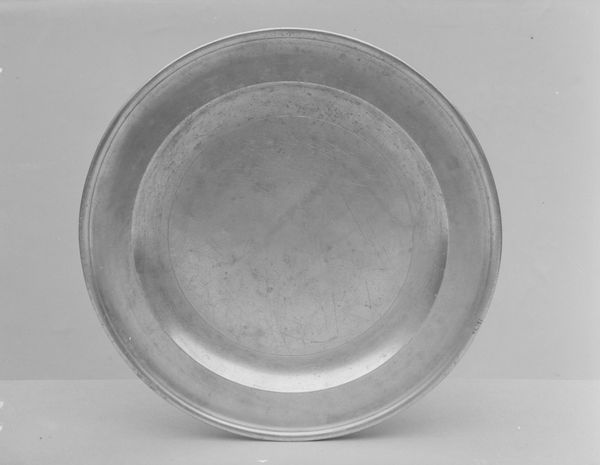
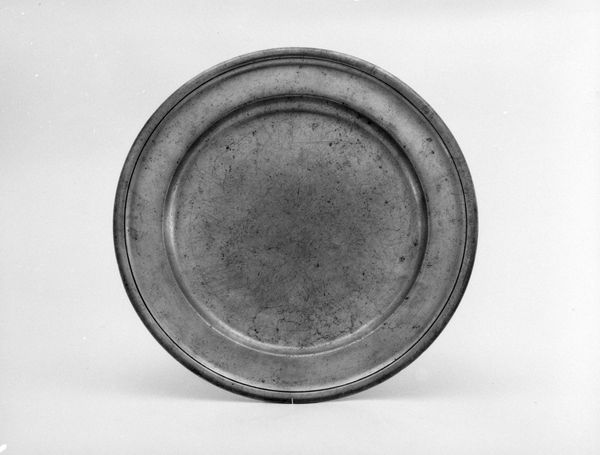
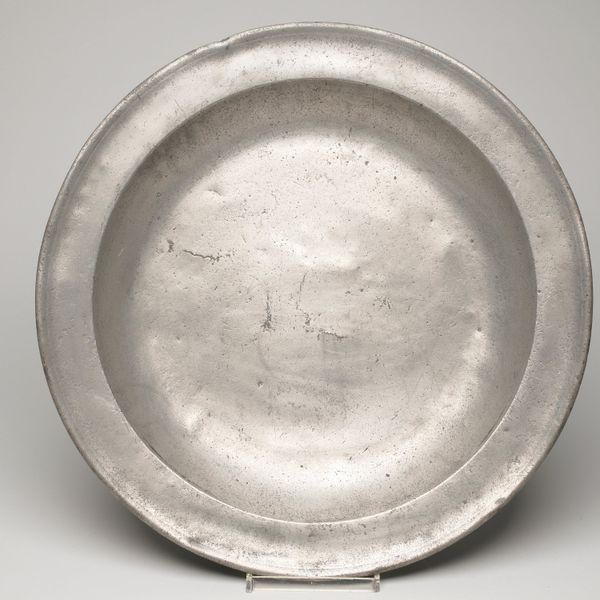
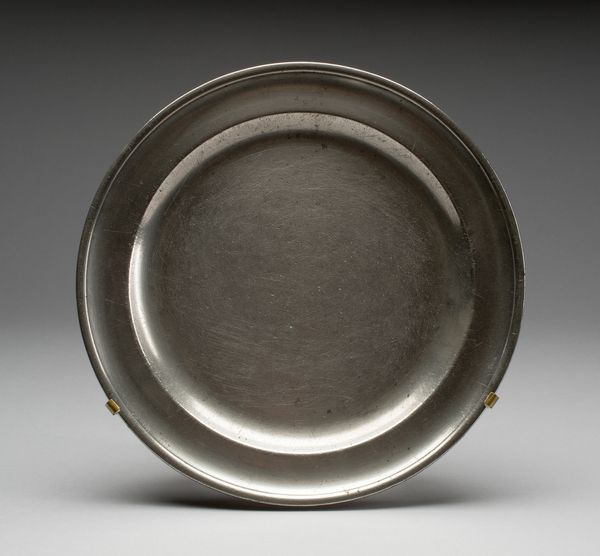
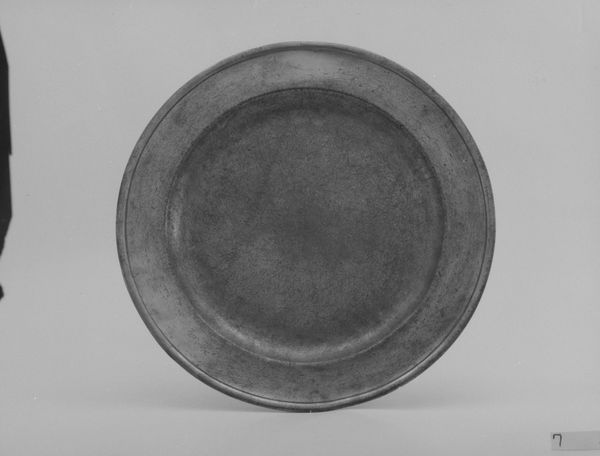
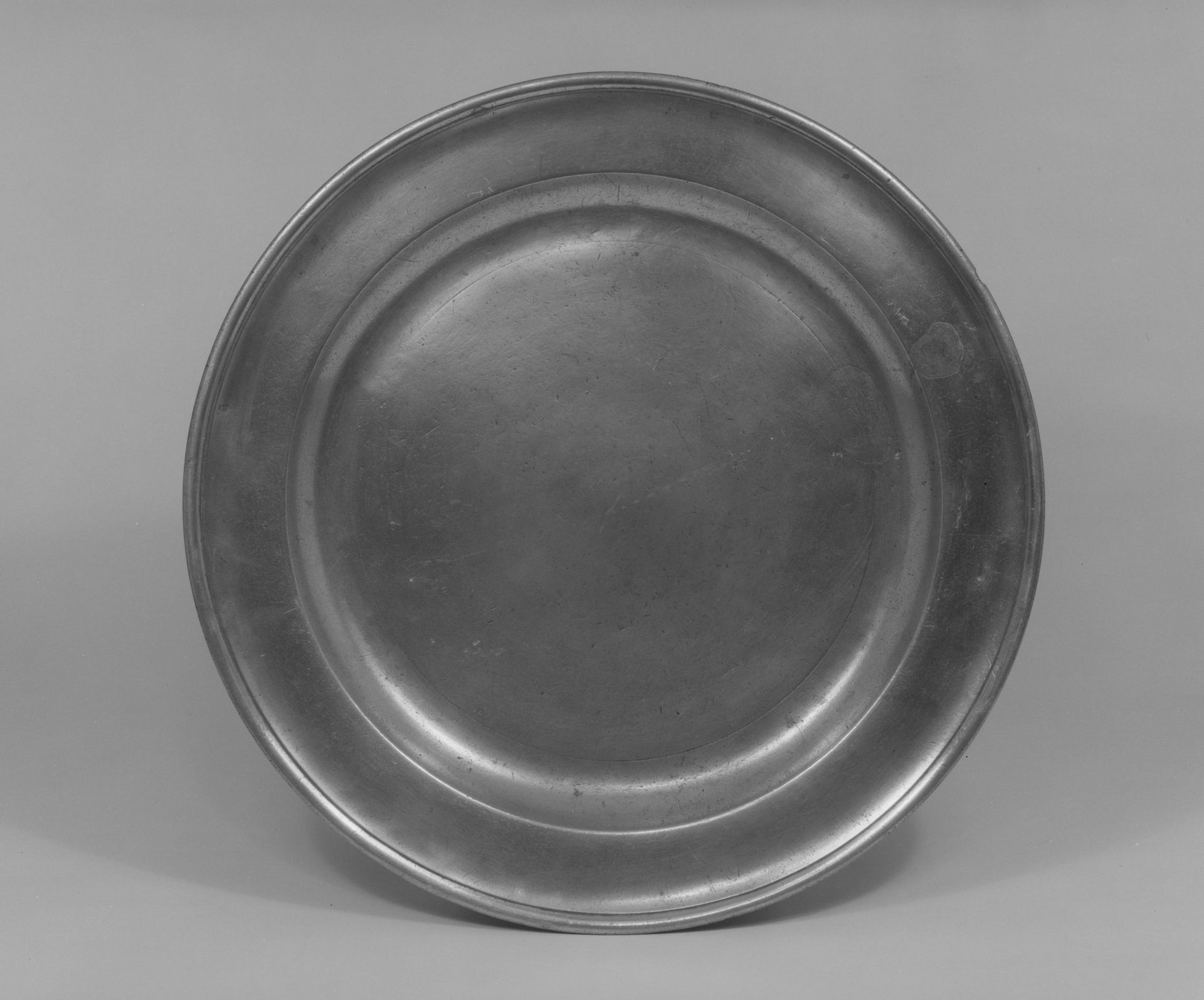
This pewter dish was crafted by John Will, a colonial American pewterer, likely in the mid-18th century. Everyday objects like this offer a glimpse into the lives of early Americans, reflecting their social status through the type of dishware they owned. Pewter, less expensive than silver but more refined than wood, was common in middle-class homes. Consider how gender roles might intersect with this object; women were often responsible for maintaining household items, including dishware. The labor of enslaved people also factored into the mining of tin, a key component of pewter. This simple dish, devoid of elaborate decoration, speaks to the values of practicality and utility. How does this object challenge or reinforce our understanding of colonial American identity? How does it make you feel when you imagine it filled with food, placed on a table surrounded by a family? It serves as a reminder of the complex, interwoven histories that shape our understanding of the past.
Dish
1749 - 1763


Artwork details
- Medium
- metal, ceramic
- Dimensions
- H. 1 in. (2.5 cm); Diam. 13 1/8 in. (33.3 cm)
- Location
- Metropolitan Museum of Art, New York, NY
- Copyright
- Public Domain
Tags
Comments
Share your thoughts
About this artwork
This pewter dish was crafted by John Will, a colonial American pewterer, likely in the mid-18th century. Everyday objects like this offer a glimpse into the lives of early Americans, reflecting their social status through the type of dishware they owned. Pewter, less expensive than silver but more refined than wood, was common in middle-class homes. Consider how gender roles might intersect with this object; women were often responsible for maintaining household items, including dishware. The labor of enslaved people also factored into the mining of tin, a key component of pewter. This simple dish, devoid of elaborate decoration, speaks to the values of practicality and utility. How does this object challenge or reinforce our understanding of colonial American identity? How does it make you feel when you imagine it filled with food, placed on a table surrounded by a family? It serves as a reminder of the complex, interwoven histories that shape our understanding of the past.
Comments
Share your thoughts