About this artwork
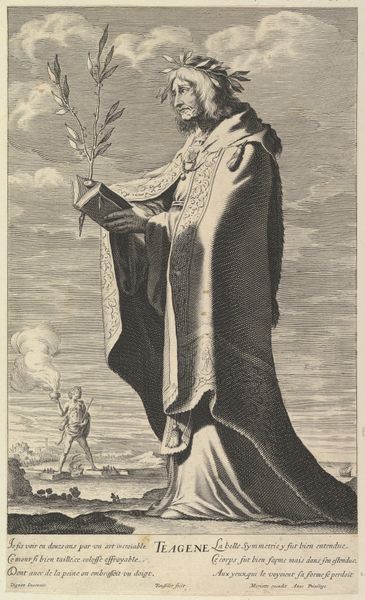
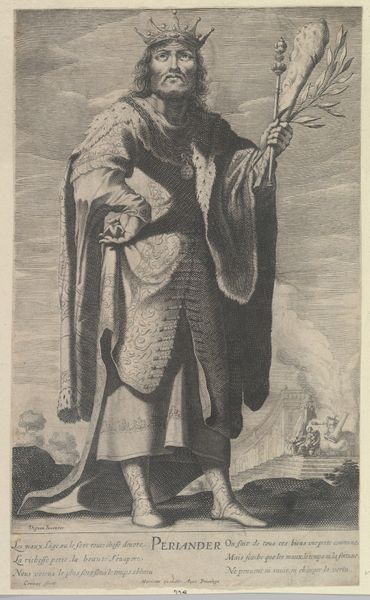
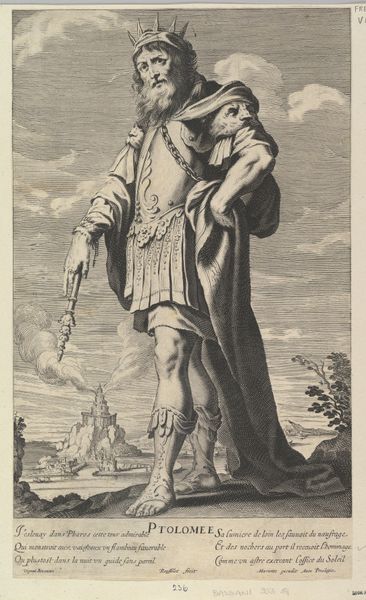
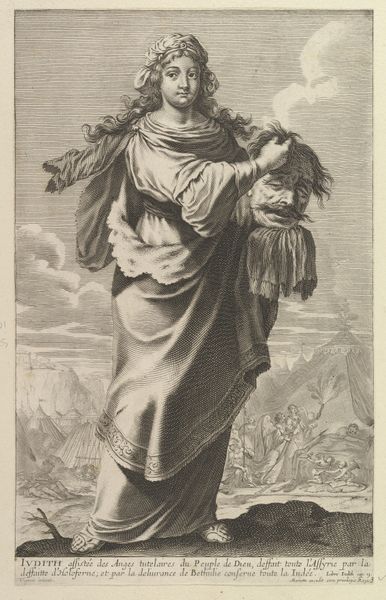
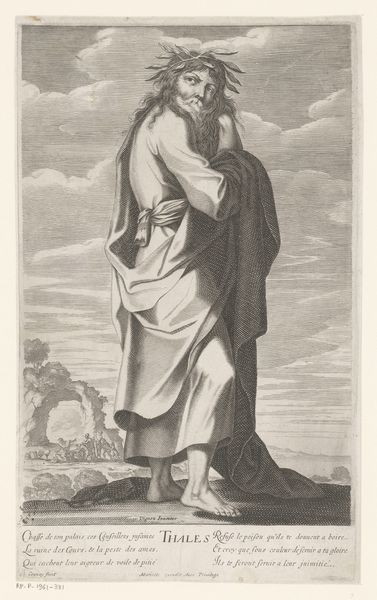
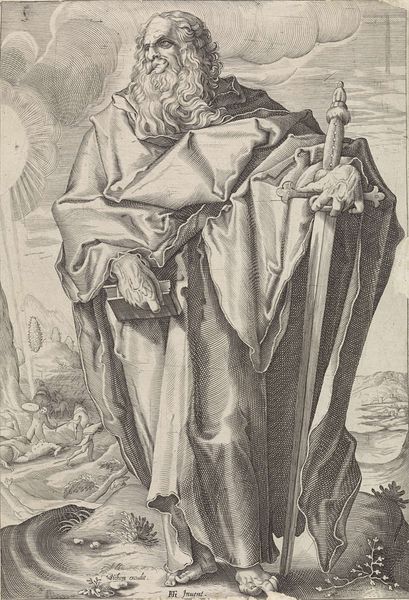
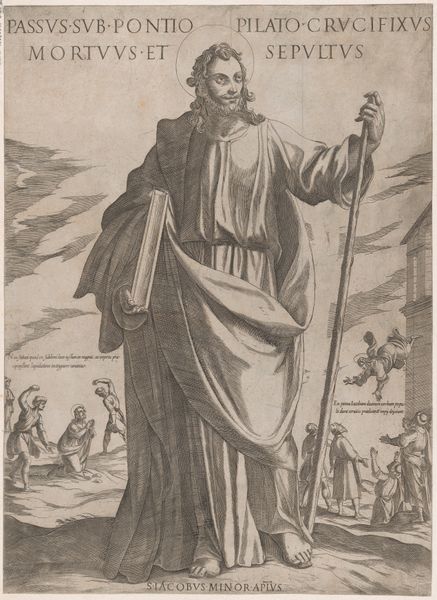
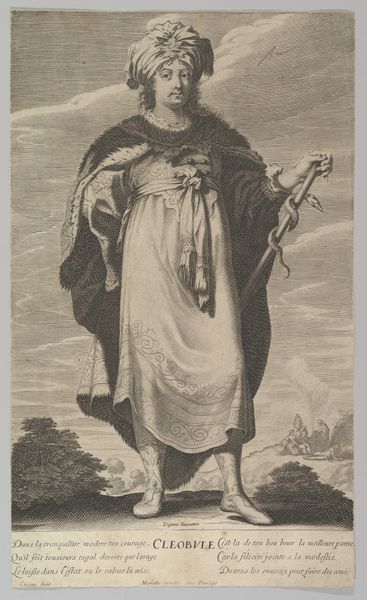
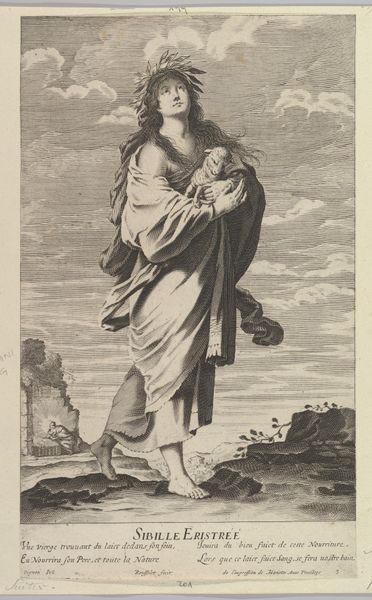
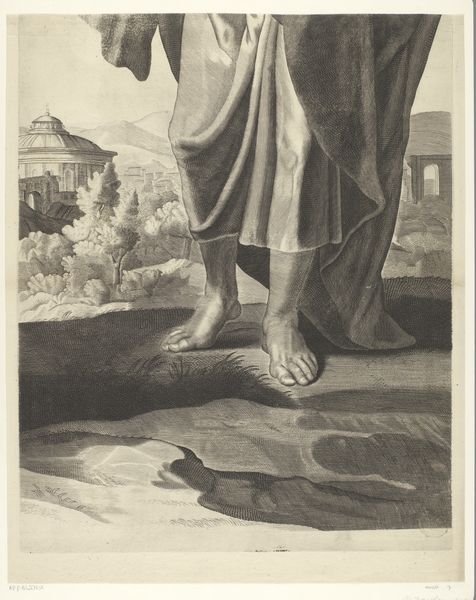
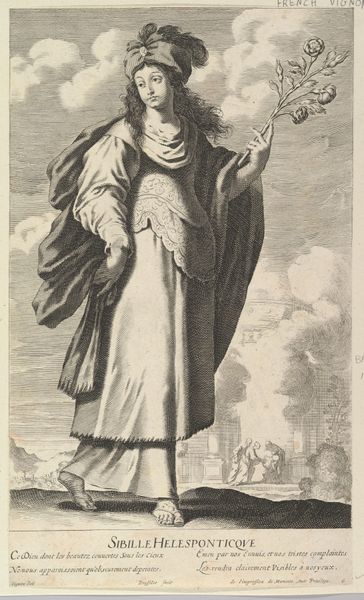
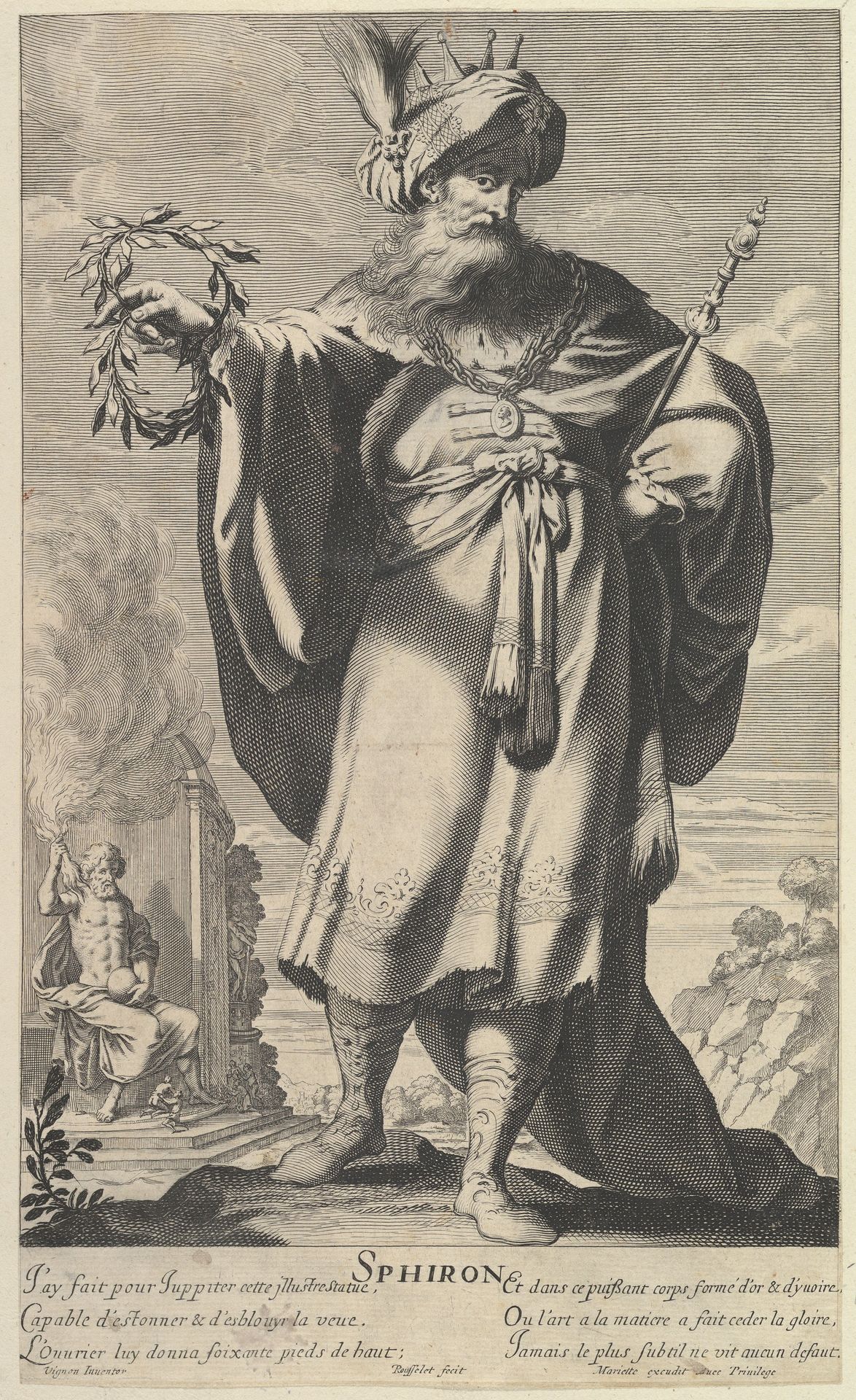
This print, by Gilles Rousselet, was made in the 17th century using engraving techniques. It is a labor-intensive process that requires meticulous carving into a metal plate. The artist uses a tool called a burin to create lines, which hold ink, and when pressed onto paper, transfer the design. The sharp contrast between light and shadow is a direct result of the engraved line. The artist used different line widths and densities to model the figure and create a sense of depth. Look closely, and you can see the incredible level of detail achieved through this process, from the intricate patterns on Sphiron’s robe to the texture of his beard. In Rousselet's time, printmaking was a vital part of the artistic ecosystem. It allowed for the wider dissemination of images. This print, like many others, reflects the social and economic structures of the time. It stands as a testament to the skill and labor involved in traditional printmaking. It reminds us of the value in considering the ‘how’ of art, not just the ‘what.’
Sphiron 1634 - 1645


Artwork details
- Medium
- drawing, print, engraving
- Dimensions
- sheet: 13 7/8 x 8 3/8 in. (35.3 x 21.2 cm)
- Location
- Metropolitan Museum of Art, New York, NY
- Copyright
- Public Domain
Tags
portrait
drawing
baroque
figuration
men
line
portrait drawing
history-painting
academic-art
engraving
Comments
No comments
About this artwork
This print, by Gilles Rousselet, was made in the 17th century using engraving techniques. It is a labor-intensive process that requires meticulous carving into a metal plate. The artist uses a tool called a burin to create lines, which hold ink, and when pressed onto paper, transfer the design. The sharp contrast between light and shadow is a direct result of the engraved line. The artist used different line widths and densities to model the figure and create a sense of depth. Look closely, and you can see the incredible level of detail achieved through this process, from the intricate patterns on Sphiron’s robe to the texture of his beard. In Rousselet's time, printmaking was a vital part of the artistic ecosystem. It allowed for the wider dissemination of images. This print, like many others, reflects the social and economic structures of the time. It stands as a testament to the skill and labor involved in traditional printmaking. It reminds us of the value in considering the ‘how’ of art, not just the ‘what.’
Comments
No comments