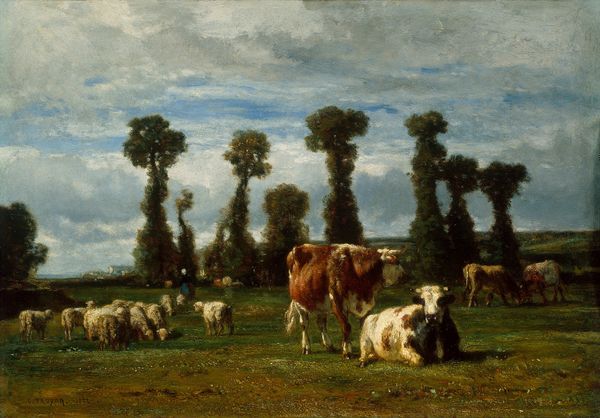
c. 1852 - 1858
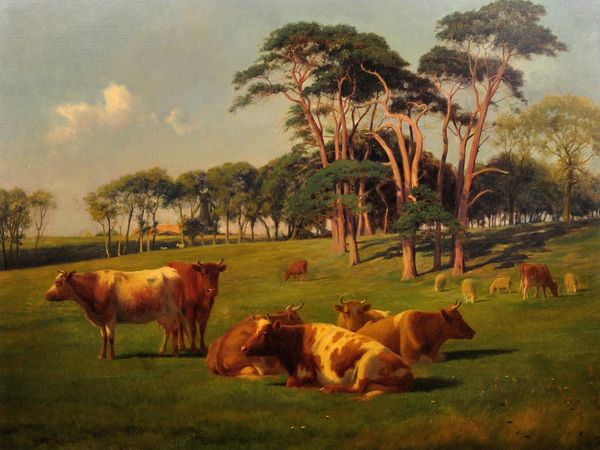
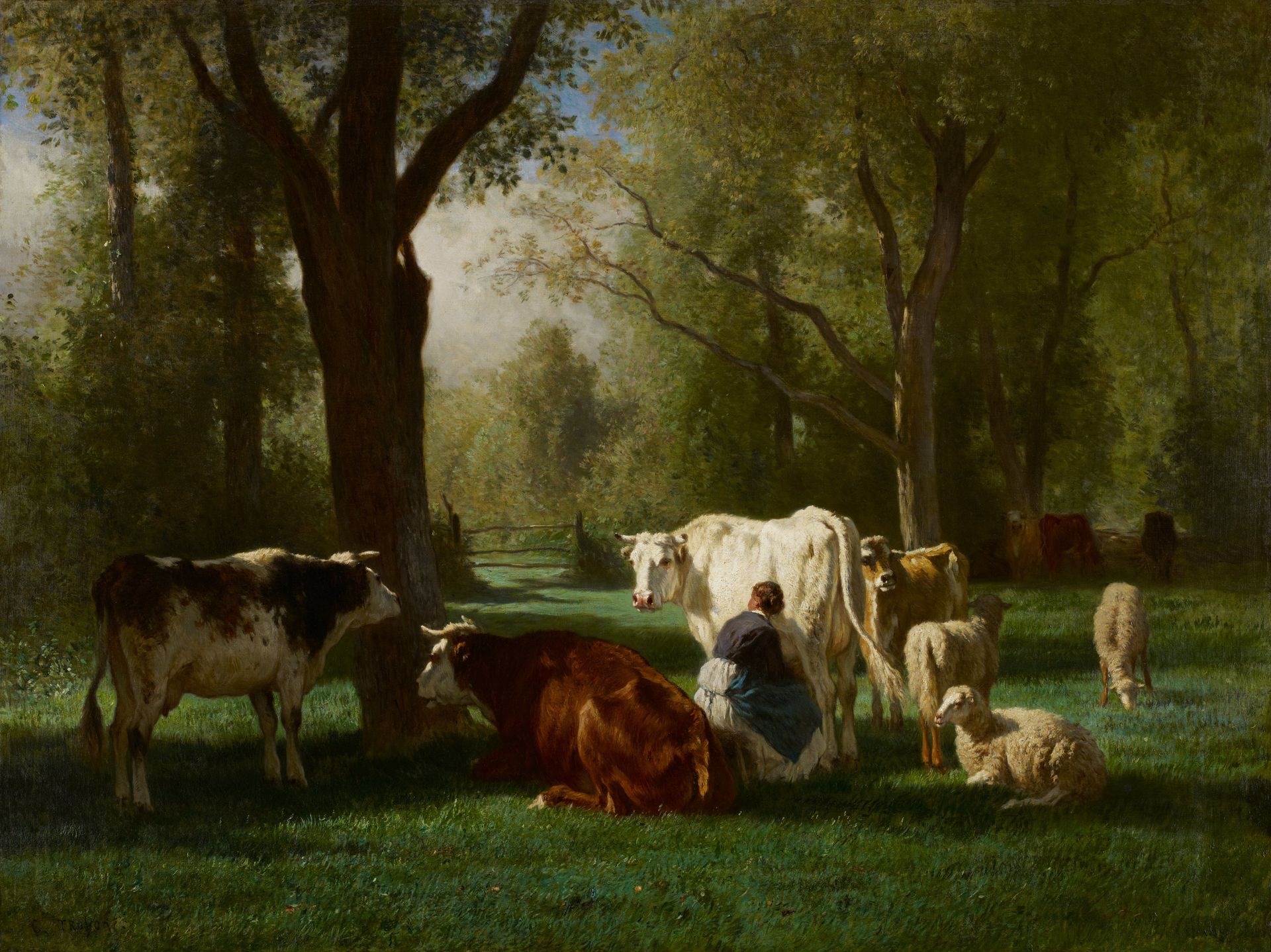
Landscape with Cattle and Sheep


Listen to curator's interpretation
Curatorial notes
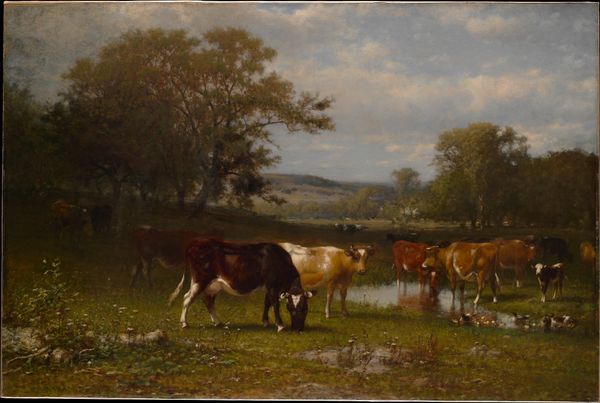
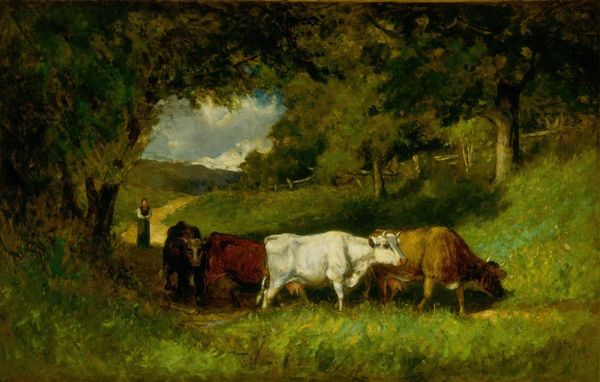
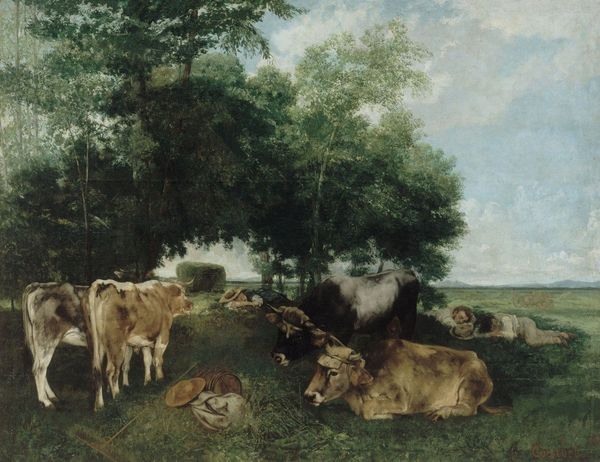
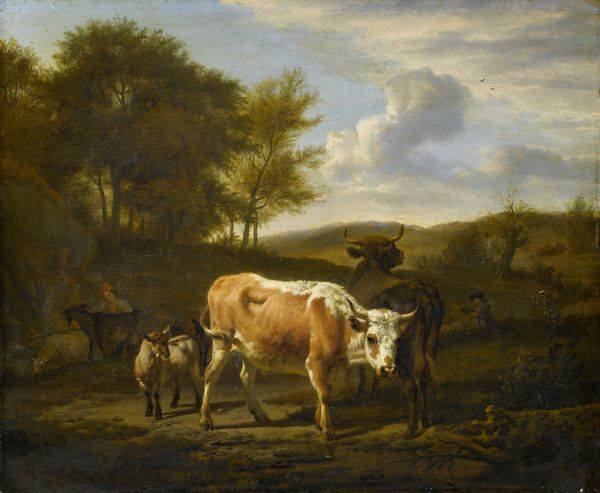
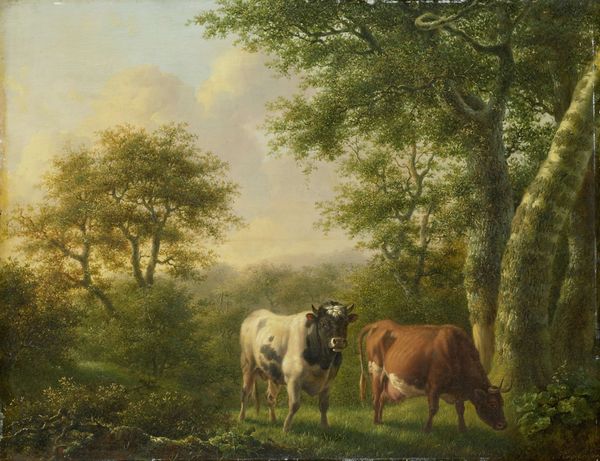
Constant Troyon painted this "Landscape with Cattle and Sheep" on canvas sometime in the mid-19th century. In it, we see cattle and sheep, symbols deeply rooted in the pastoral tradition, evoking a sense of agrarian simplicity. The act of milking, prominently featured, transcends mere sustenance. In antiquity, milk and the animals that produce it are recurring motifs linked to ideas of nourishment, purity, and maternal care, finding echoes in ancient Near Eastern and Greco-Roman art. Even the sheep here, often seen as symbols of innocence and sacrifice in Christian iconography, resonate beyond their bucolic setting. These symbols appear throughout history and are loaded with symbolic power. Yet, Troyon presents these symbols in a way that transcends historical precedent. The collective memory of pastoral life and its associated values—peace, simplicity, and harmony with nature—creates a powerful emotional connection. This artwork engages viewers on a subconscious level, tapping into a deep-seated yearning for a simpler, more harmonious existence. Like the cyclical nature of seasons, the symbolism in Troyon's landscape has resurfaced.