n.d.
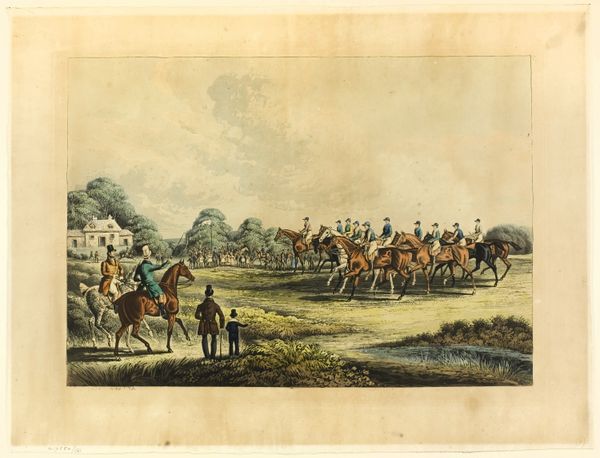
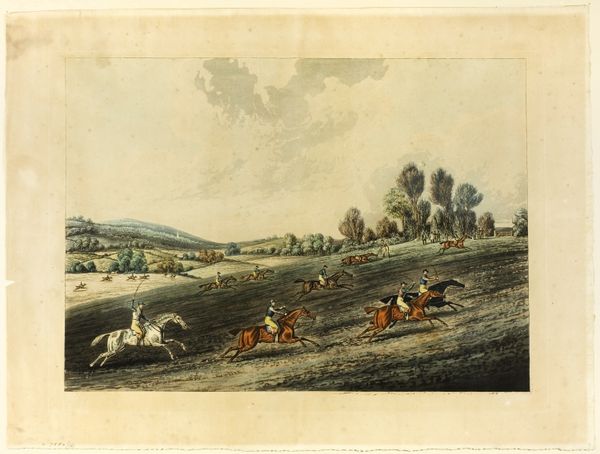
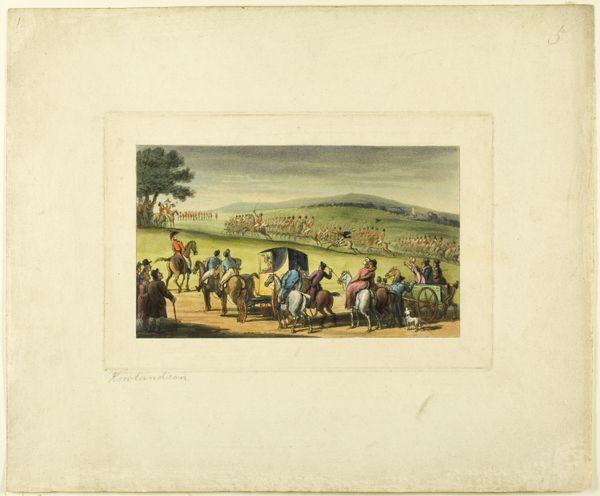
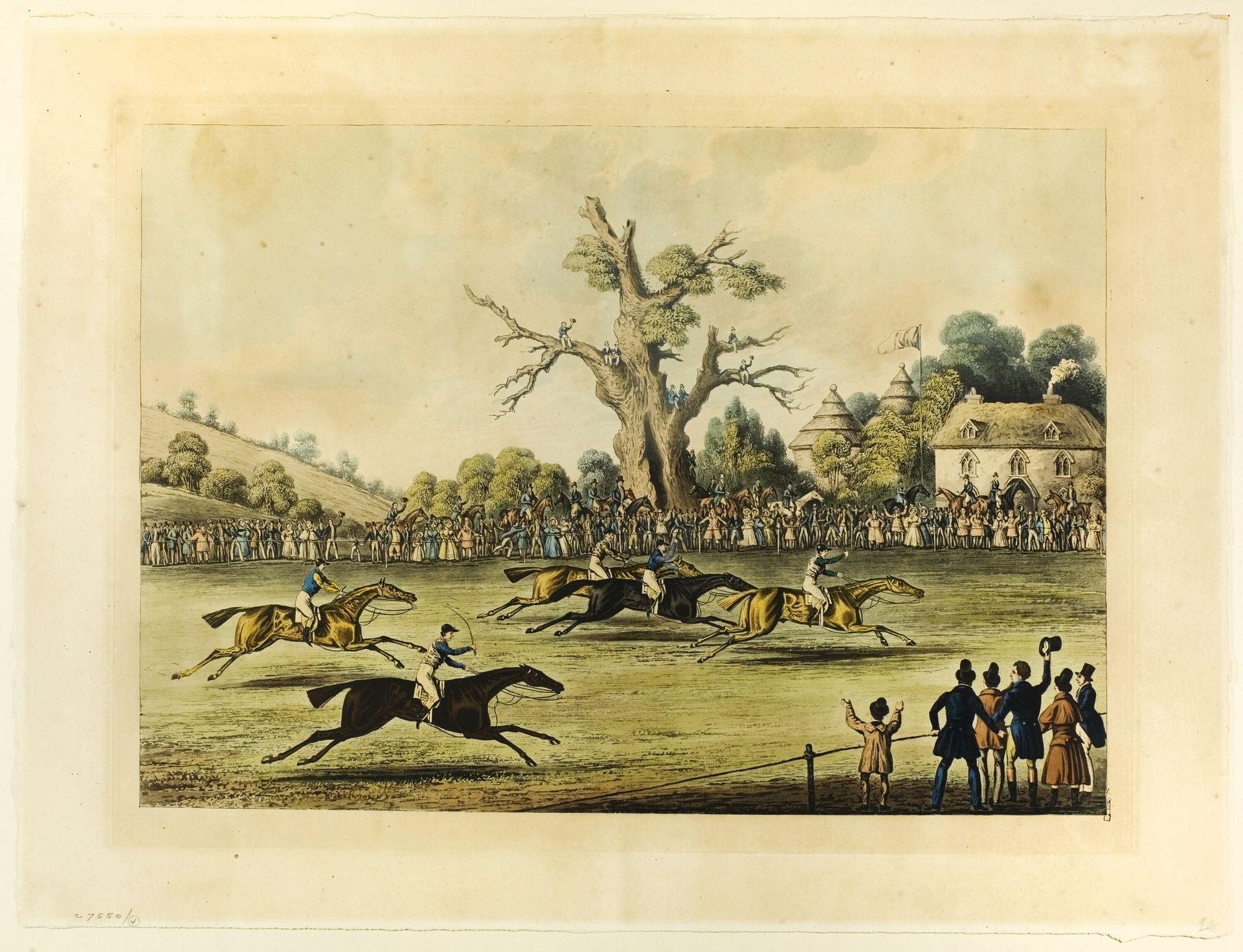
Saint Albans Grand Steeple Chase


Listen to curator's interpretation
Curatorial notes
James Pollard made this aquatint, "Saint Albans Grand Steeple Chase," in the 19th century. It's a printmaking technique involving etching on copper or steel, then bathing the plate in acid to create tonal effects. The process allows for soft, atmospheric color. The appeal of aquatint in Pollard’s time lay in its ability to mimic the appearance of watercolor washes, which democratized the ownership of art, making it more accessible beyond unique paintings. This coincides with the rise of the middle class, who were eager to adorn their homes with scenes of leisure and sport like this one. The print is more than just a picture; it’s a record of a social and economic shift, reflecting the values and aspirations of its time. It blurs the lines between fine art and commercial production. The image speaks to labor, class, politics, and consumption, mirroring the energy of the race itself.