before 1675
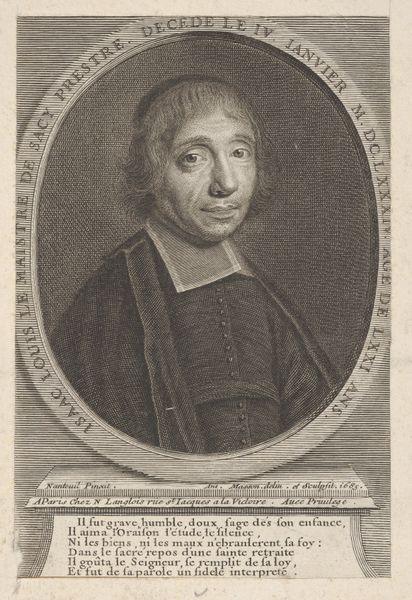
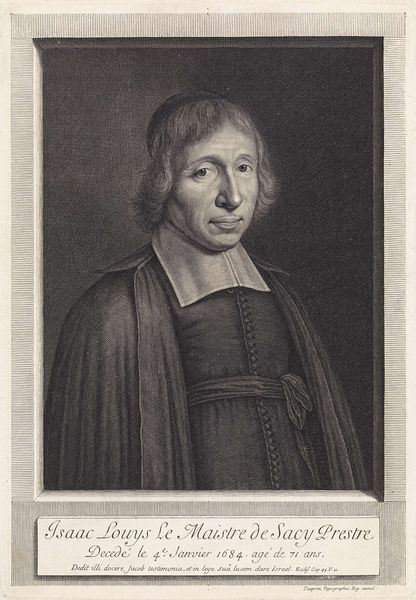
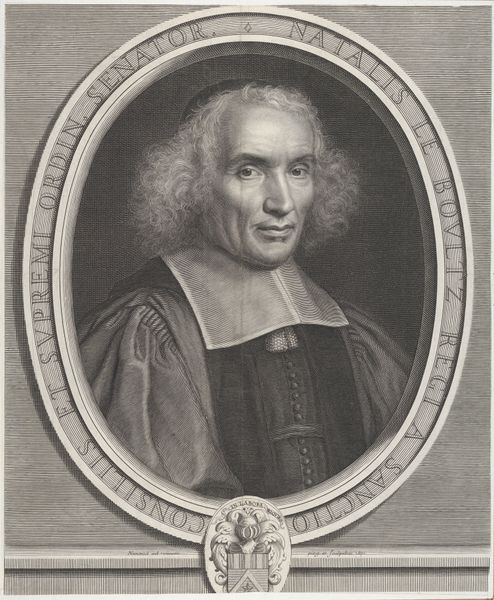
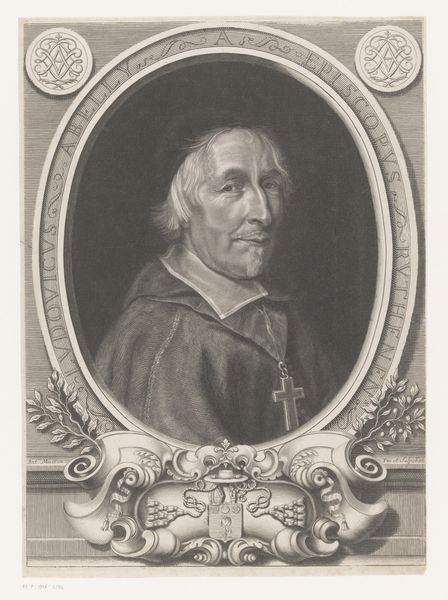
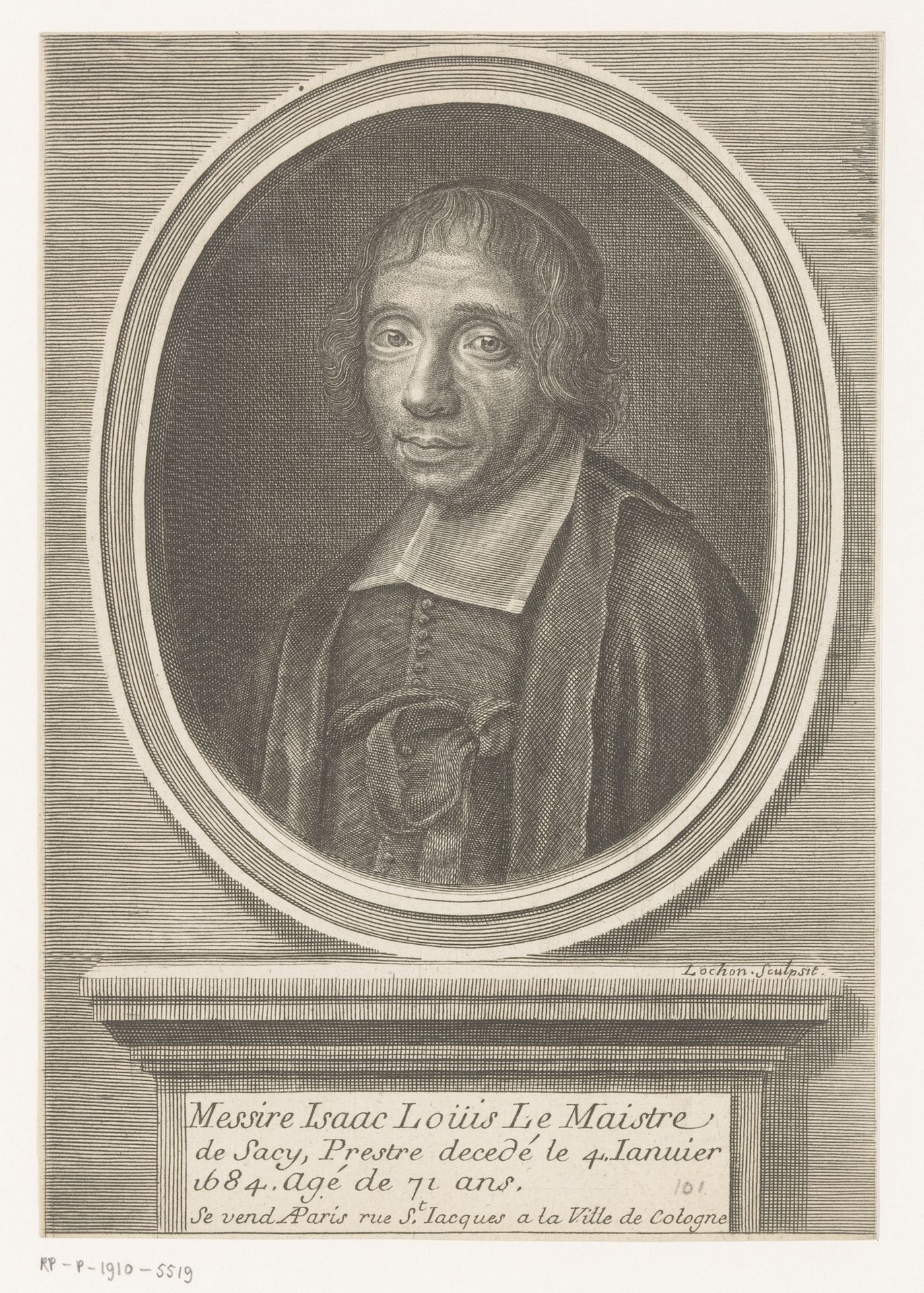
Portret van Louis-Isaac Lemaistre de Sacy

René Lochon
1636 - 1675Location
RijksmuseumListen to curator's interpretation
Curatorial notes
Editor: This is a print titled "Portret van Louis-Isaac Lemaistre de Sacy," created before 1675 by René Lochon. It's currently housed in the Rijksmuseum. There's a certain severity to the figure, and it gives the sense of a really formal, almost imposing man. What do you make of this portrait? Curator: Well, situating this print within its historical context is key. This is a portrait of Louis-Isaac Lemaistre de Sacy, a prominent theologian and Jansenist. Remember that Jansenism was a controversial theological movement within the Catholic Church. Think about what a "formal, imposing man" might have meant at this time. What societal powers were at play? Editor: Right, so his attire and the formality of the portrait likely signify his position and adherence to certain religious and social norms within that Jansenist context? Curator: Precisely. This print also speaks volumes about the power of image-making in disseminating and reinforcing such ideologies. Note how portraiture in this era functioned as a means of constructing and controlling reputations. Lochon was, essentially, building or burnishing Sacy's image through this work. It's propaganda in a way, wouldn't you say? Editor: I see what you mean. Considering it as propaganda definitely shifts my perception. It highlights how even seemingly straightforward portraits are enmeshed in complex social and political dynamics. Curator: Exactly. So, while it may seem just to be a likeness, this image participates in larger discourses surrounding religious authority, social identity, and the power of representation during the Baroque period. Keep thinking about these interwoven forces. Editor: This makes me think a lot more about how to look for meaning behind a portrait. Curator: Hopefully that offers you a better look at how power can work, not just through grand events but through seemingly mundane images.