About this artwork
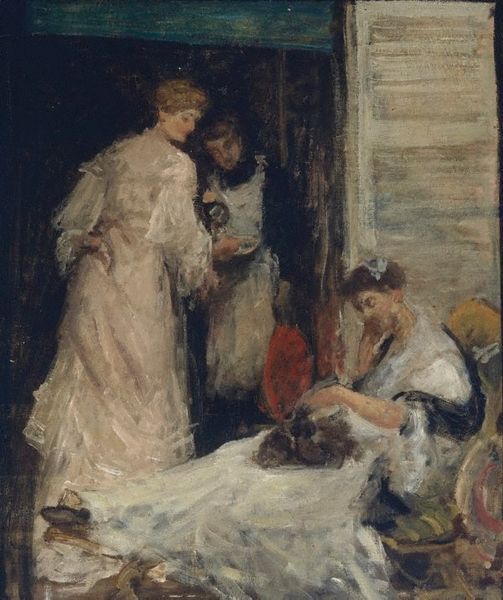
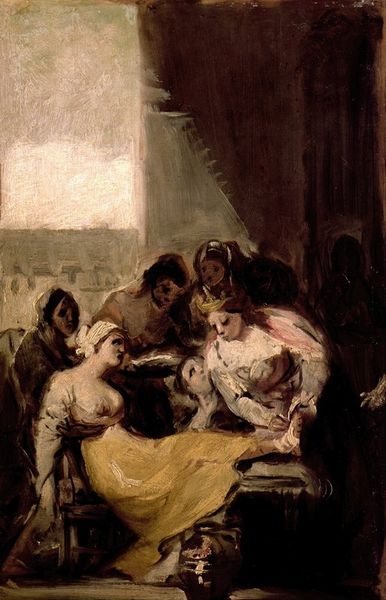
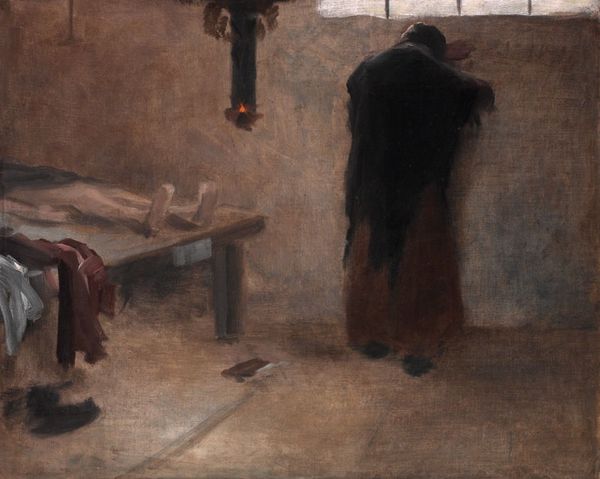
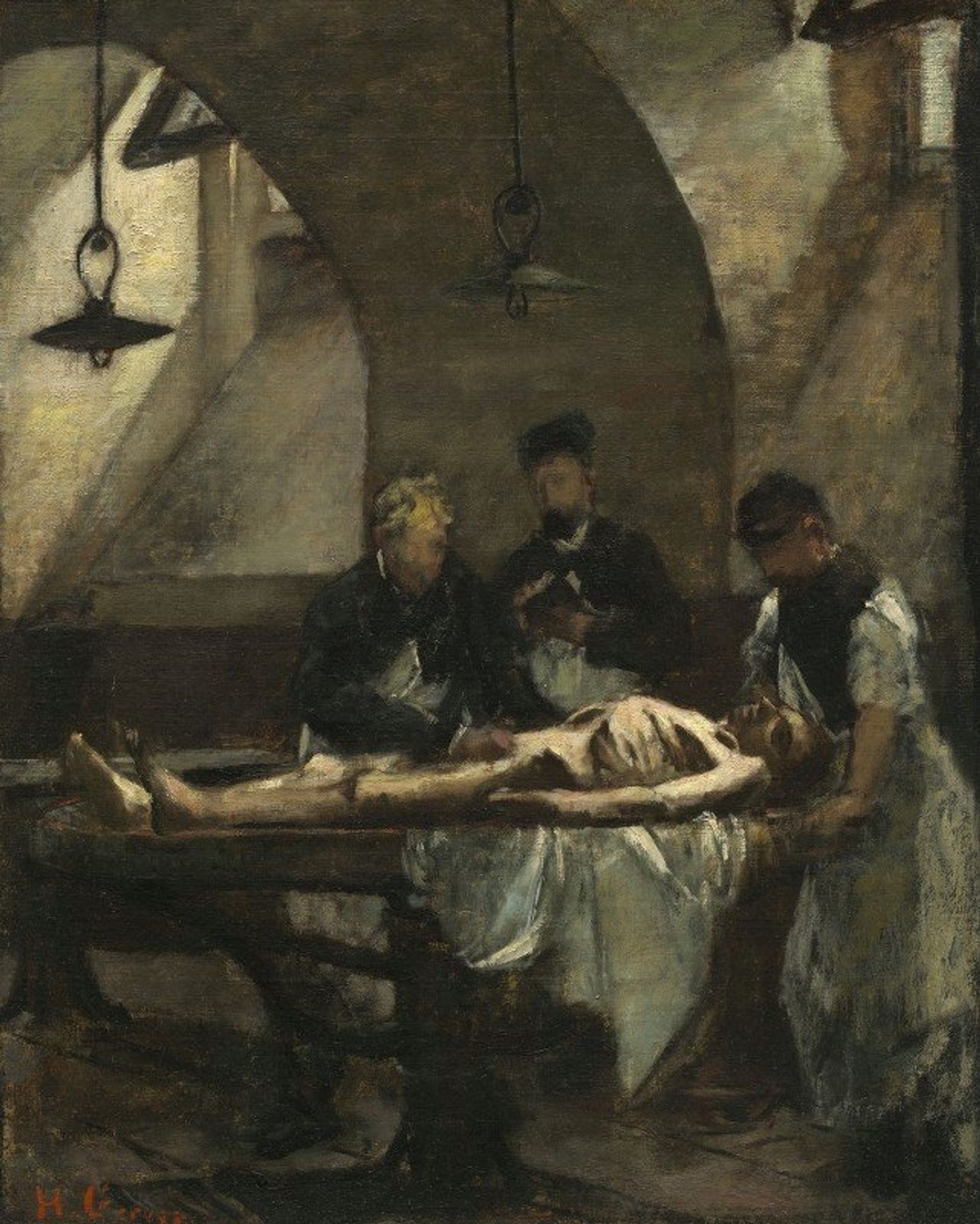
Henri Gervex made this study for ‘Autopsy at the Hotel-Dieu’ as part of a broader artistic engagement with modern life in late 19th-century France. It's an intimate glimpse into a world rarely seen. Gervex’s painting invites us to consider the role of the hospital within the social fabric of Parisian life, and the power dynamics inherent in medical practices. There's a stark emotional contrast between the clinical detachment of the medical professionals and the vulnerability of the deceased. The study provides a glimpse into the complex relationship between scientific progress, death, and the human body. Gervex develops an alternative narrative to the idealized portrayals of the era by presenting an unvarnished view of medical science. The vulnerability and objectification of the human body serve as a poignant reminder of our shared mortality. It is a reflection on societal attitudes toward death, class, and the human experience.

Artwork details
- Copyright
- Public Domain: Artvee
Tags
figurative
charcoal drawing
painted
possibly oil pastel
charcoal art
oil painting
acrylic on canvas
underpainting
painting painterly
charcoal
watercolor
Comments
Be the first to share your thoughts about this work.
About this artwork
Henri Gervex made this study for ‘Autopsy at the Hotel-Dieu’ as part of a broader artistic engagement with modern life in late 19th-century France. It's an intimate glimpse into a world rarely seen. Gervex’s painting invites us to consider the role of the hospital within the social fabric of Parisian life, and the power dynamics inherent in medical practices. There's a stark emotional contrast between the clinical detachment of the medical professionals and the vulnerability of the deceased. The study provides a glimpse into the complex relationship between scientific progress, death, and the human body. Gervex develops an alternative narrative to the idealized portrayals of the era by presenting an unvarnished view of medical science. The vulnerability and objectification of the human body serve as a poignant reminder of our shared mortality. It is a reflection on societal attitudes toward death, class, and the human experience.
Comments
Be the first to share your thoughts about this work.