About this artwork
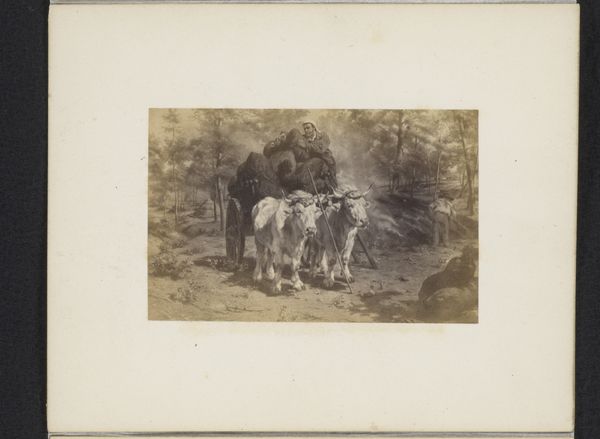
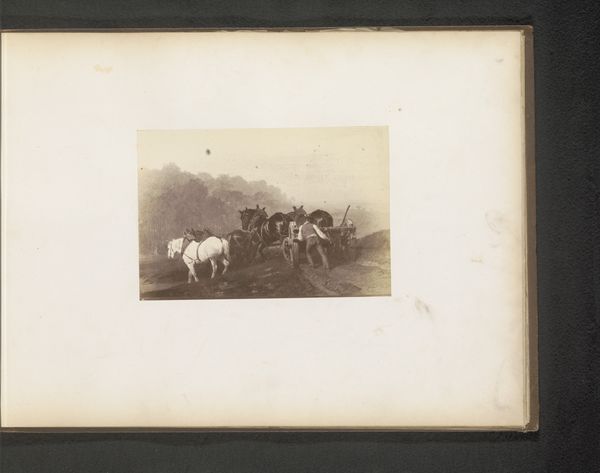
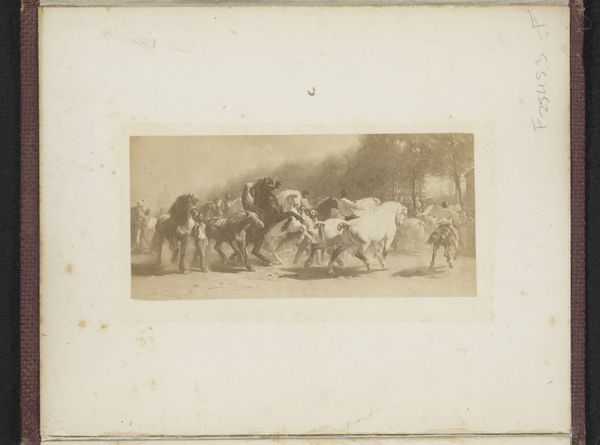
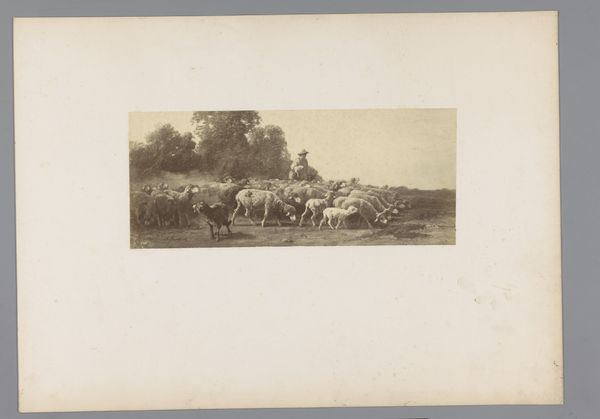
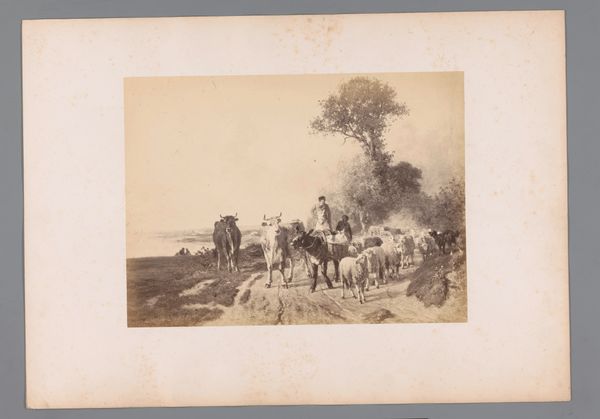
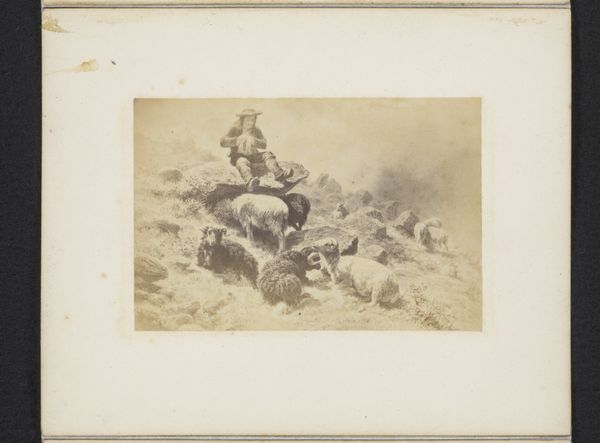
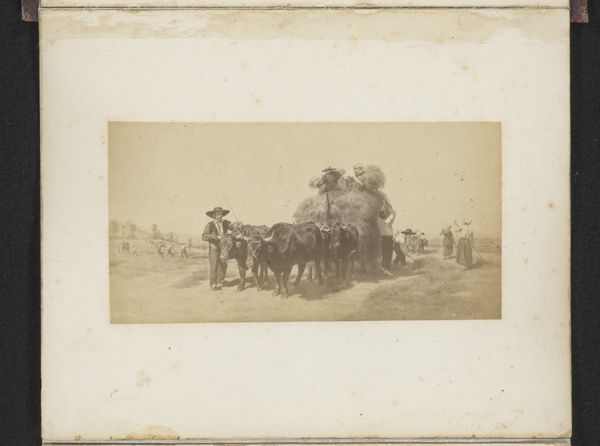
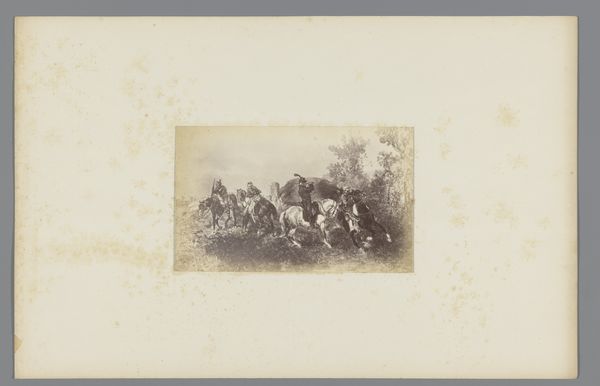
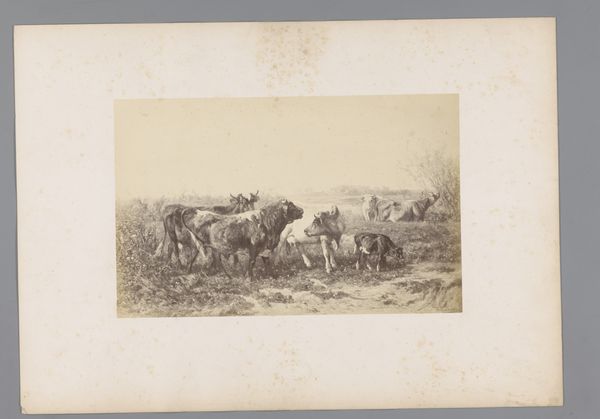
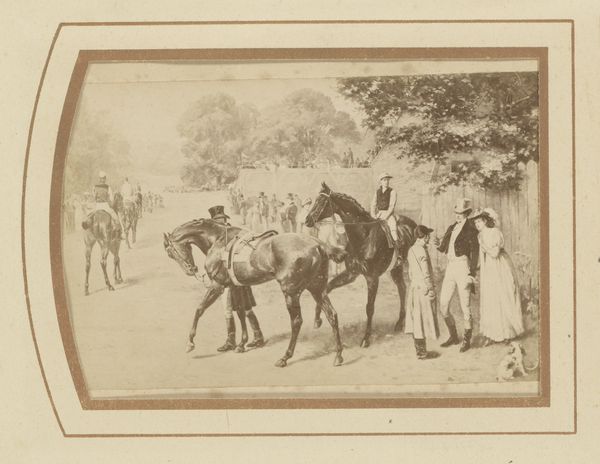
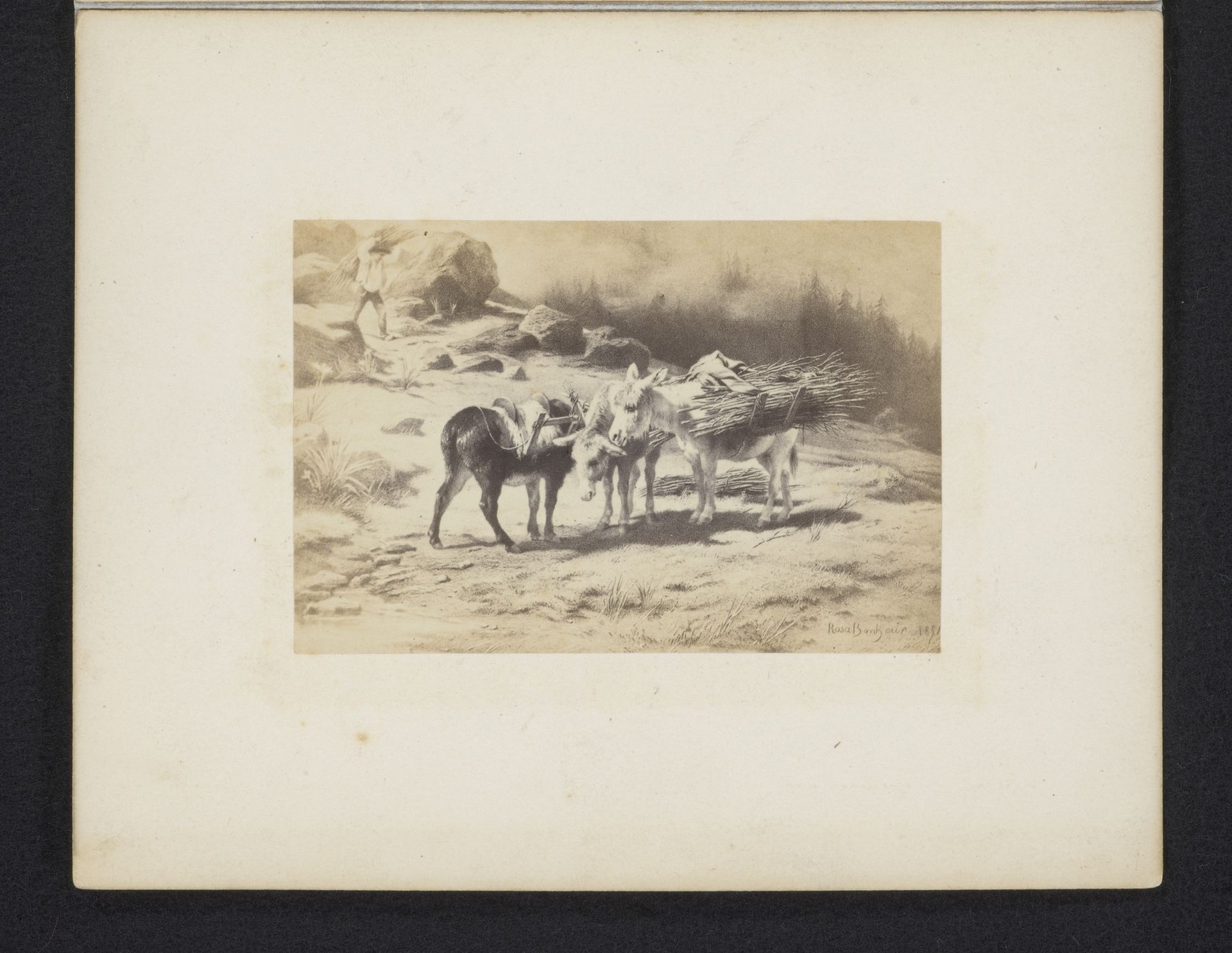
This is a photographic reproduction of a painting by Rosa Bonheur, showing pack donkeys in a mountain landscape. The photograph, a small rectangle of paper, transforms Bonheur’s painterly brushstrokes into a range of gray tones, fixing them permanently. Photography, as a medium, emerged in the 19th century and, importantly, offered a new mode of image production. Unlike painting, which demanded skilled labor and time, photography provided a seemingly effortless, mechanical means of capturing the world. It democratized image-making. Consider the social context. Donkeys, laden with firewood, stand as symbols of labor and the rural economy. Bonheur’s original painting, through photography, becomes accessible to a broader audience, transcending class boundaries. The photograph as a medium, mirrors the era’s industrial progress and the changing landscape of artistic production, challenging traditional notions of art and its consumption.
Fotoreproductie van een schilderij van Rosa Bonheur van pakezels in een berglandschap
c. 1890 - 1910

Artwork details
- Dimensions
- height 53 mm, width 79 mm
- Copyright
- Rijks Museum: Open Domain
Comments
Share your thoughts
About this artwork
This is a photographic reproduction of a painting by Rosa Bonheur, showing pack donkeys in a mountain landscape. The photograph, a small rectangle of paper, transforms Bonheur’s painterly brushstrokes into a range of gray tones, fixing them permanently. Photography, as a medium, emerged in the 19th century and, importantly, offered a new mode of image production. Unlike painting, which demanded skilled labor and time, photography provided a seemingly effortless, mechanical means of capturing the world. It democratized image-making. Consider the social context. Donkeys, laden with firewood, stand as symbols of labor and the rural economy. Bonheur’s original painting, through photography, becomes accessible to a broader audience, transcending class boundaries. The photograph as a medium, mirrors the era’s industrial progress and the changing landscape of artistic production, challenging traditional notions of art and its consumption.
Comments
Share your thoughts