About this artwork
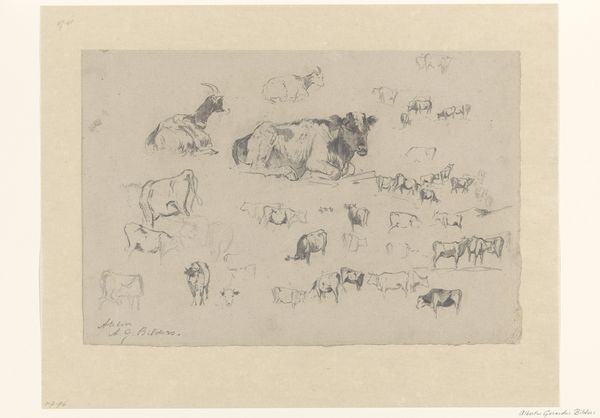
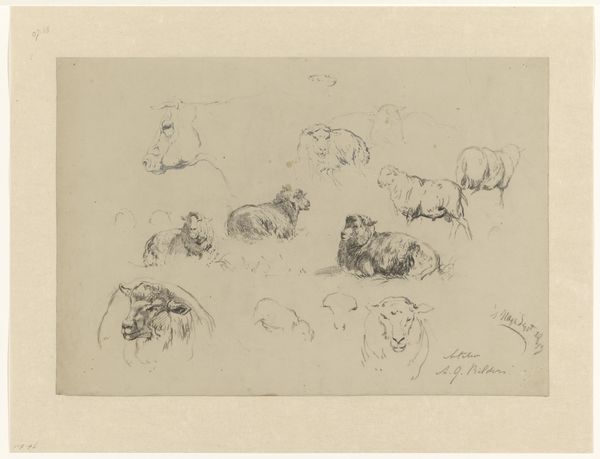
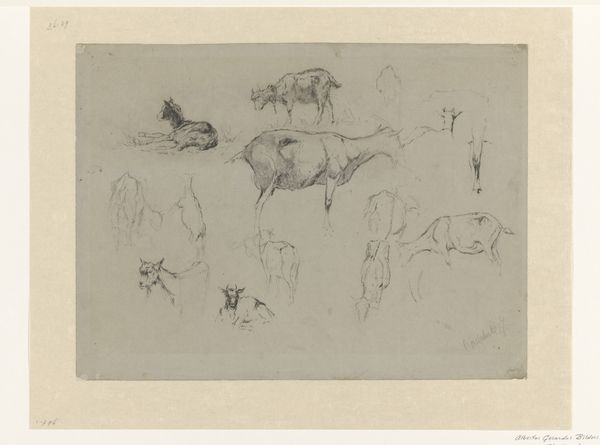
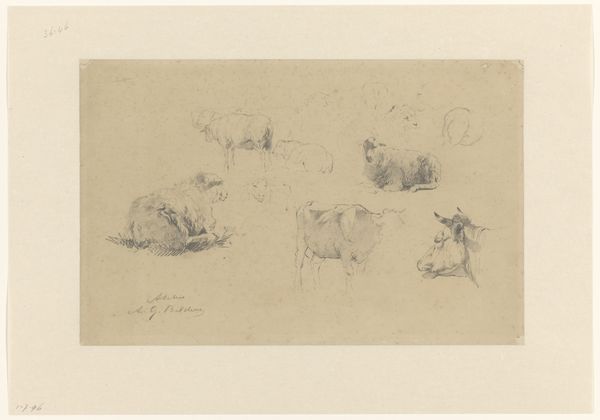
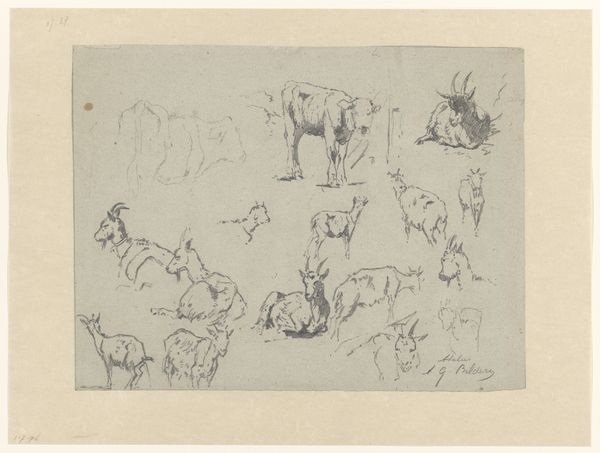
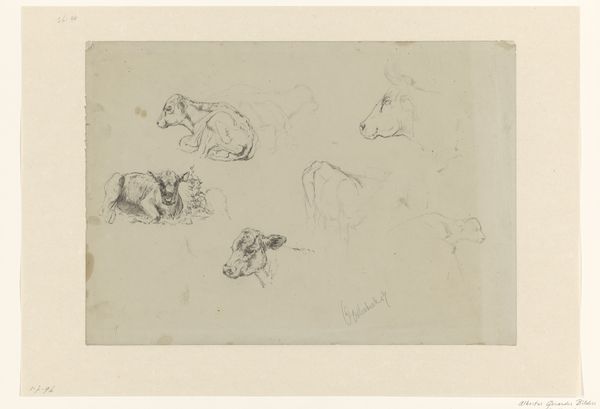
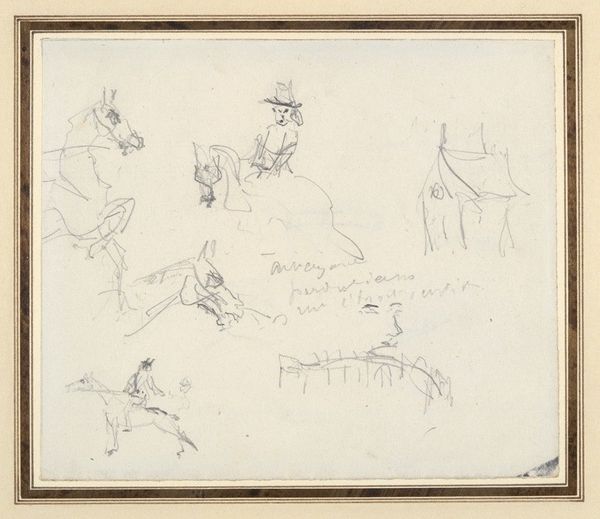
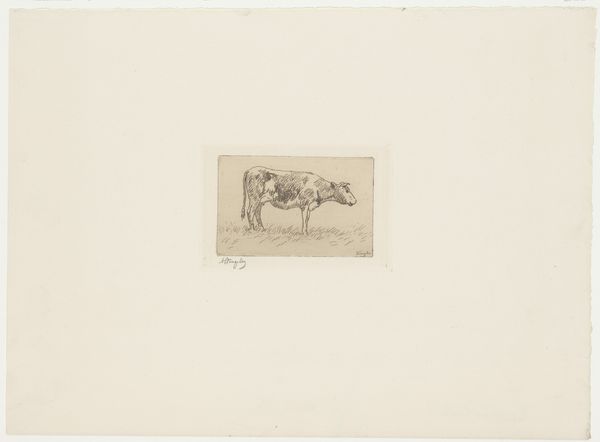
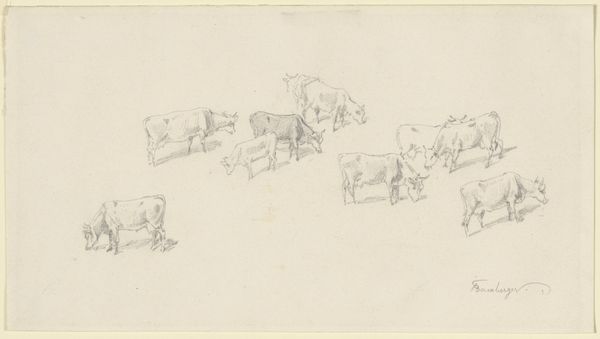
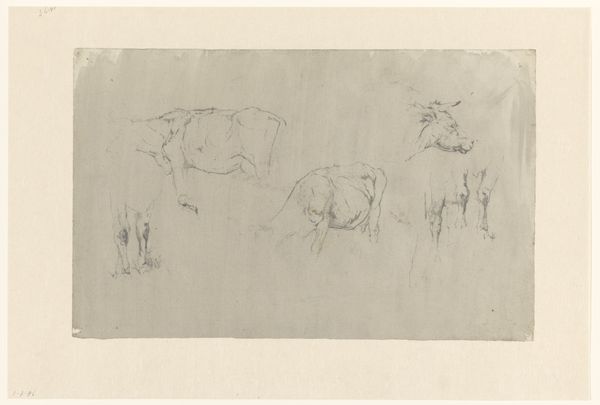
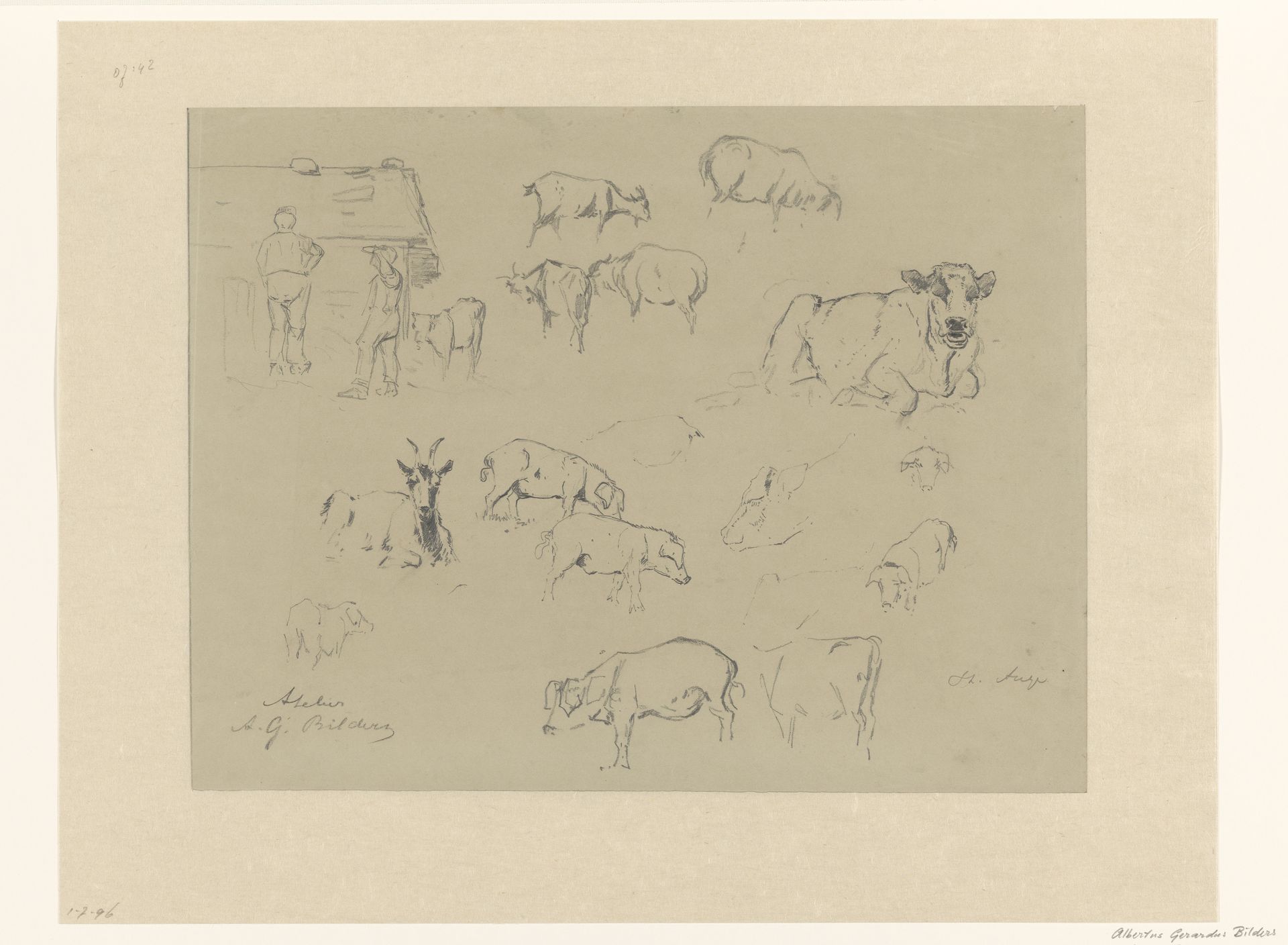
Gerard Bilders made this sketch sheet with studies of cows, pigs, goats and a few farmers using graphite. It gives us a glimpse into the agricultural life of 19th-century Netherlands. Bilders, part of the Hague School, focused on capturing the Dutch landscape and rural life, reflecting a broader interest in national identity and the everyday experiences of its people. The image creates meaning through its depiction of farm animals and farmers, visual codes and cultural references linked to agricultural society. Consider the social structures of the time, where the rural population played a vital role in the Dutch economy. To understand this work better, we can research the history of Dutch agriculture in the 19th century, examining how it shaped the nation's social and economic landscape. The meaning of this art hinges on its social and institutional context.
Schetsblad met studies van koeien, varkens, geiten en een paar boeren 1848 - 1865

Gerard Bilders
1838 - 1865Location
RijksmuseumArtwork details
- Medium
- drawing, paper, pencil
- Dimensions
- height 389 mm, width 296 mm
- Location
- Rijksmuseum
- Copyright
- Rijks Museum: Open Domain
Tags
drawing
light pencil work
light coloured
landscape
paper
personal sketchbook
pencil
sketchbook drawing
genre-painting
realism
Comments
No comments
About this artwork
Gerard Bilders made this sketch sheet with studies of cows, pigs, goats and a few farmers using graphite. It gives us a glimpse into the agricultural life of 19th-century Netherlands. Bilders, part of the Hague School, focused on capturing the Dutch landscape and rural life, reflecting a broader interest in national identity and the everyday experiences of its people. The image creates meaning through its depiction of farm animals and farmers, visual codes and cultural references linked to agricultural society. Consider the social structures of the time, where the rural population played a vital role in the Dutch economy. To understand this work better, we can research the history of Dutch agriculture in the 19th century, examining how it shaped the nation's social and economic landscape. The meaning of this art hinges on its social and institutional context.
Comments
No comments