About this artwork
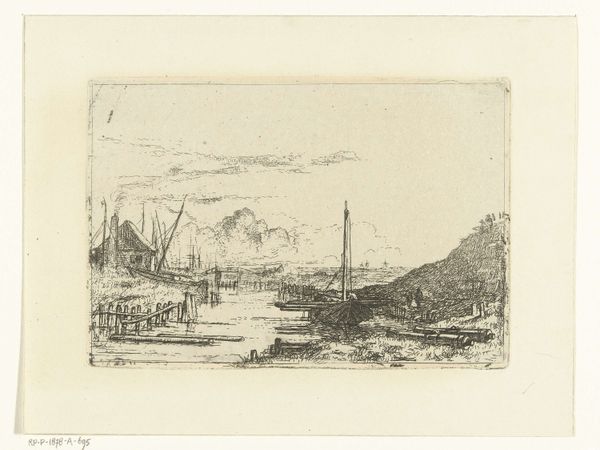
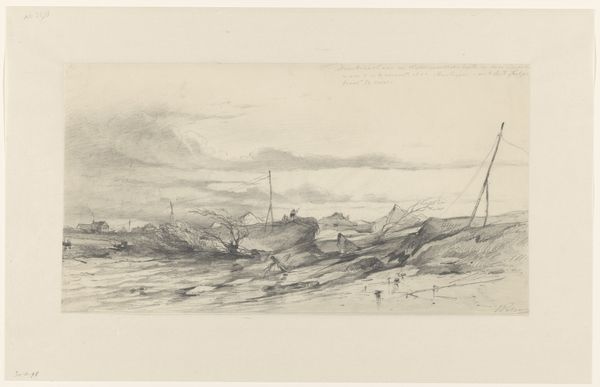
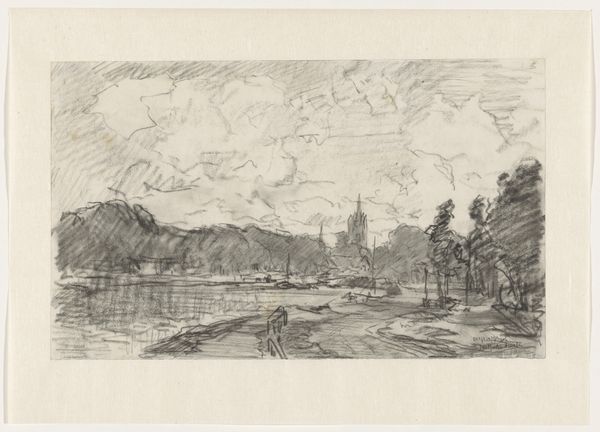
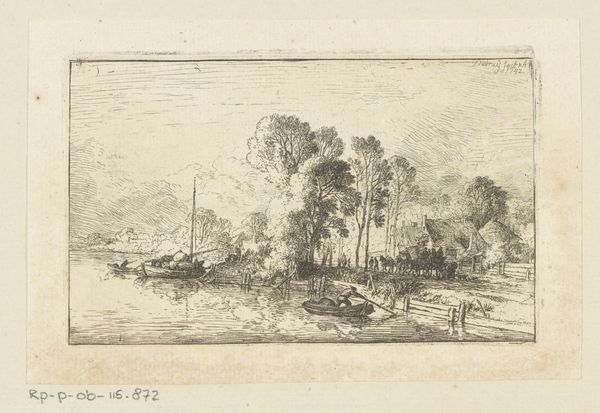
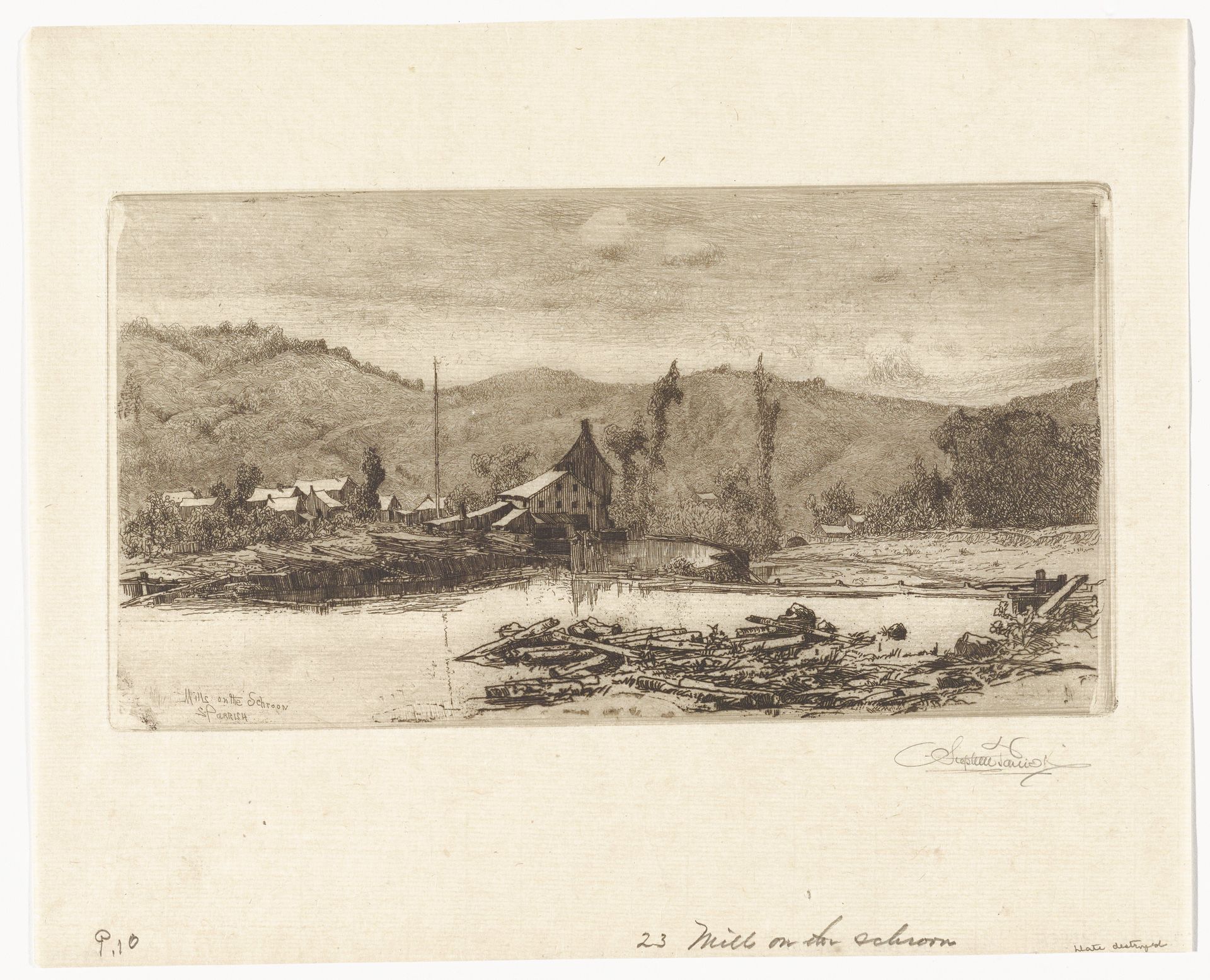
Stephen Parrish’s print, *Mills on the Schroon,* captures an industrial scene through the subtle medium of etching. This printmaking technique involves using acid to bite lines into a metal plate, which is then inked and pressed onto paper. Look closely at the lines Parrish has created. Notice how they vary in thickness and depth to create a range of tonal effects, from the murky water to the dense foliage on the opposite bank. The artist's choice to depict a mill is significant, because these mills were the epicenter of industrial activity, and the wood industry was the lifeblood of many communities. The scene is rendered with a meticulousness that speaks to the labor-intensive processes it portrays. By employing the traditional craft of etching, Parrish elevates a common scene to the realm of fine art, prompting us to reflect on the relationship between labor, landscape, and artistic representation.
Mills on the Schroon
c. 19th century


Artwork details
- Medium
- print, etching
- Dimensions
- 5 13/16 x 10 11/16 in. (14.76 x 27.15 cm) (plate)10 1/8 x 12 1/2 in. (25.72 x 31.75 cm) (sheet)
- Location
- Minneapolis Institute of Art
- Copyright
- Public Domain
Tags
Comments
Share your thoughts
About this artwork
Stephen Parrish’s print, *Mills on the Schroon,* captures an industrial scene through the subtle medium of etching. This printmaking technique involves using acid to bite lines into a metal plate, which is then inked and pressed onto paper. Look closely at the lines Parrish has created. Notice how they vary in thickness and depth to create a range of tonal effects, from the murky water to the dense foliage on the opposite bank. The artist's choice to depict a mill is significant, because these mills were the epicenter of industrial activity, and the wood industry was the lifeblood of many communities. The scene is rendered with a meticulousness that speaks to the labor-intensive processes it portrays. By employing the traditional craft of etching, Parrish elevates a common scene to the realm of fine art, prompting us to reflect on the relationship between labor, landscape, and artistic representation.
Comments
Share your thoughts