About this artwork
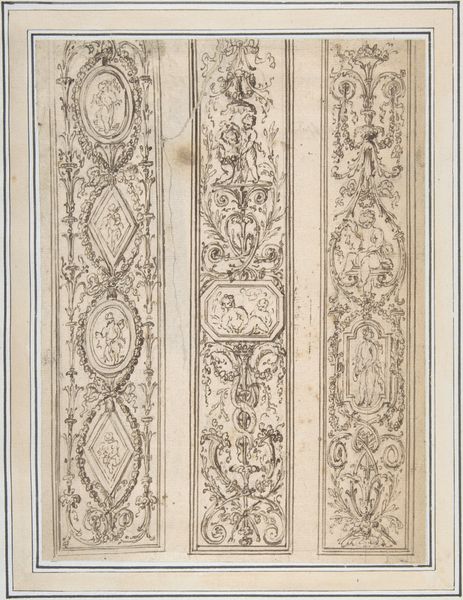
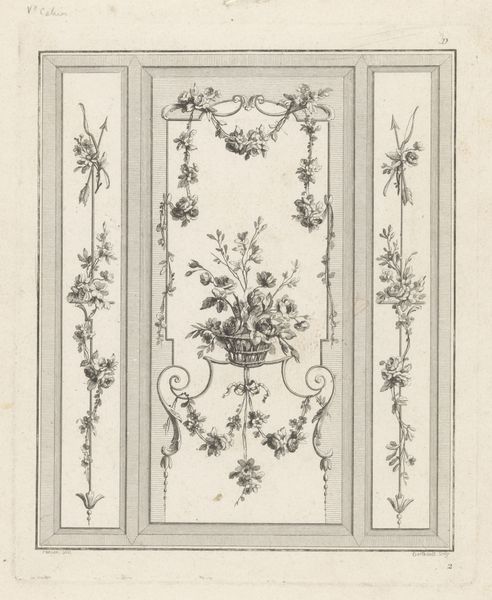
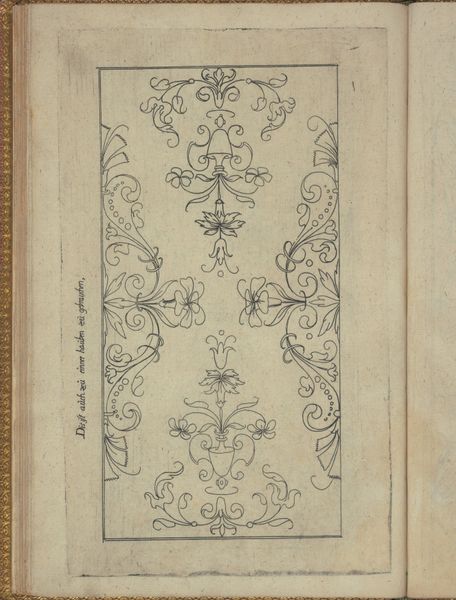
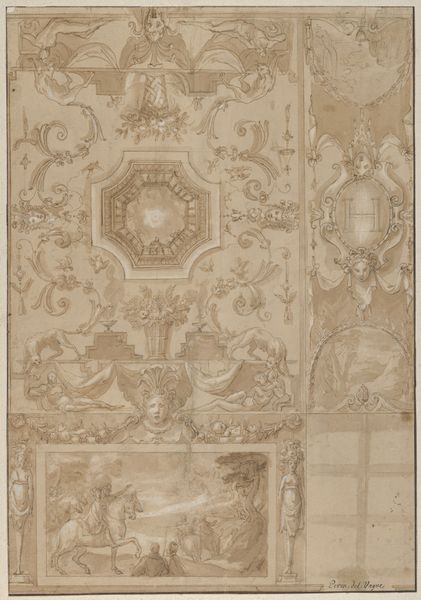
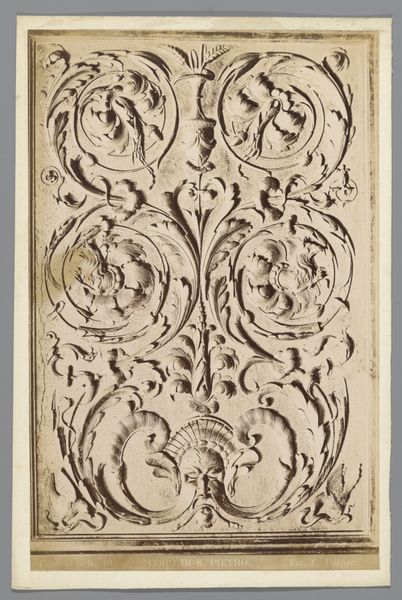
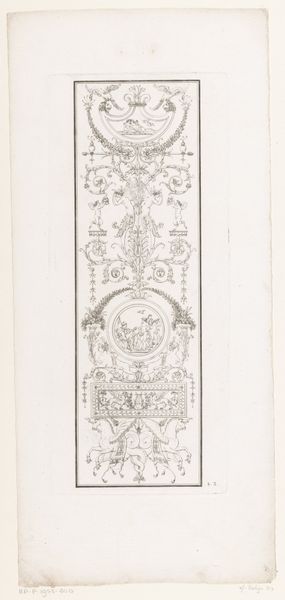
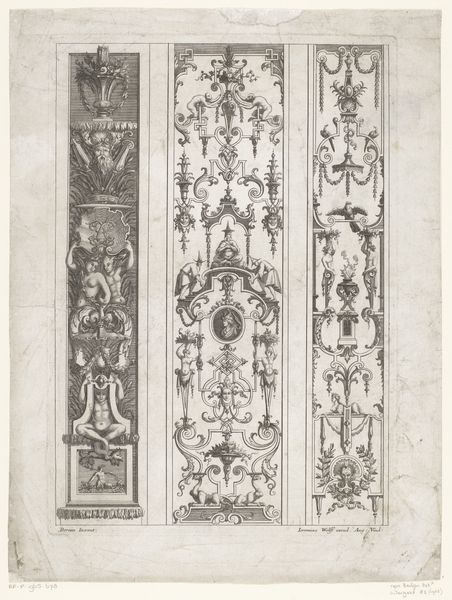
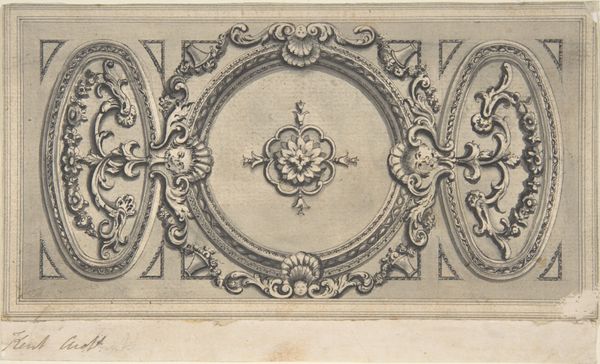
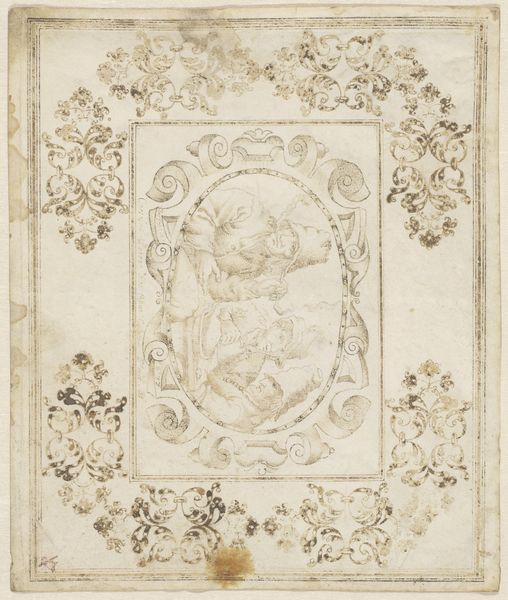
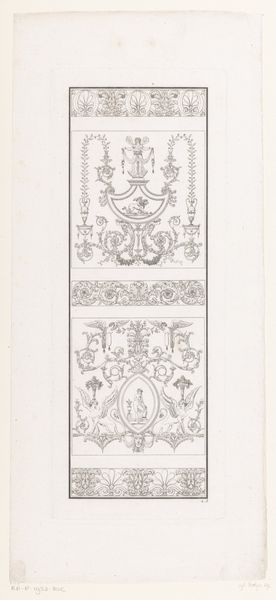
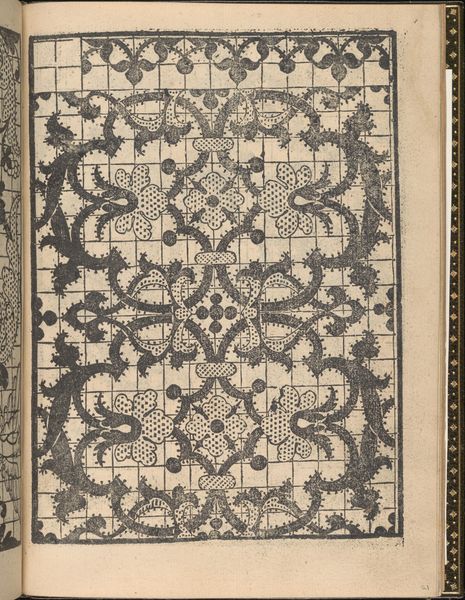
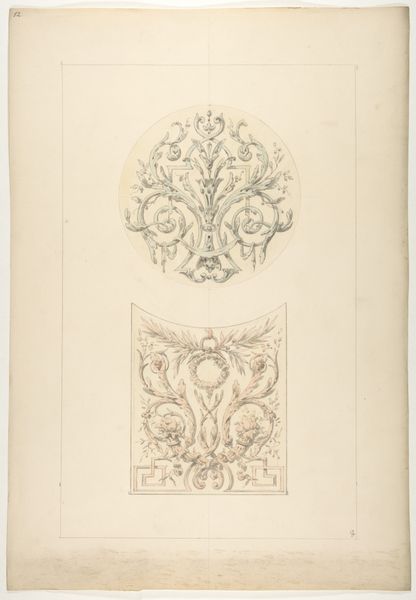
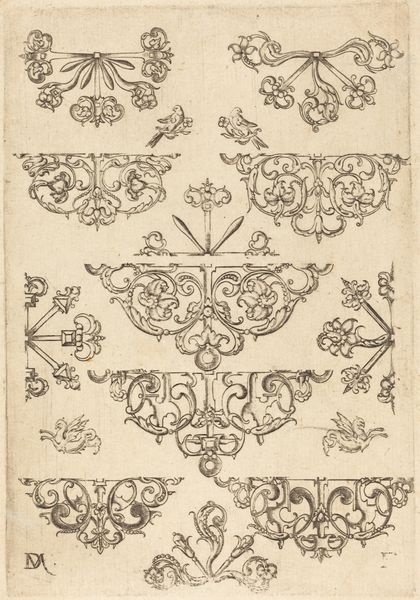
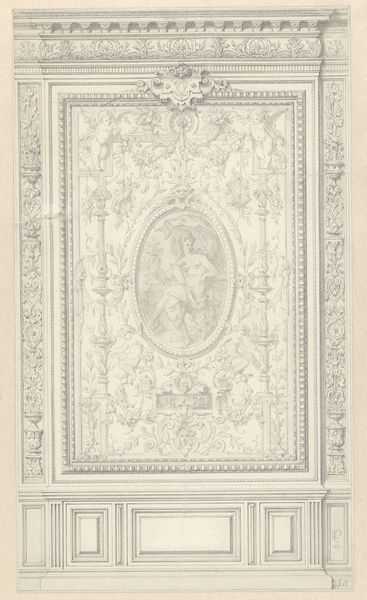
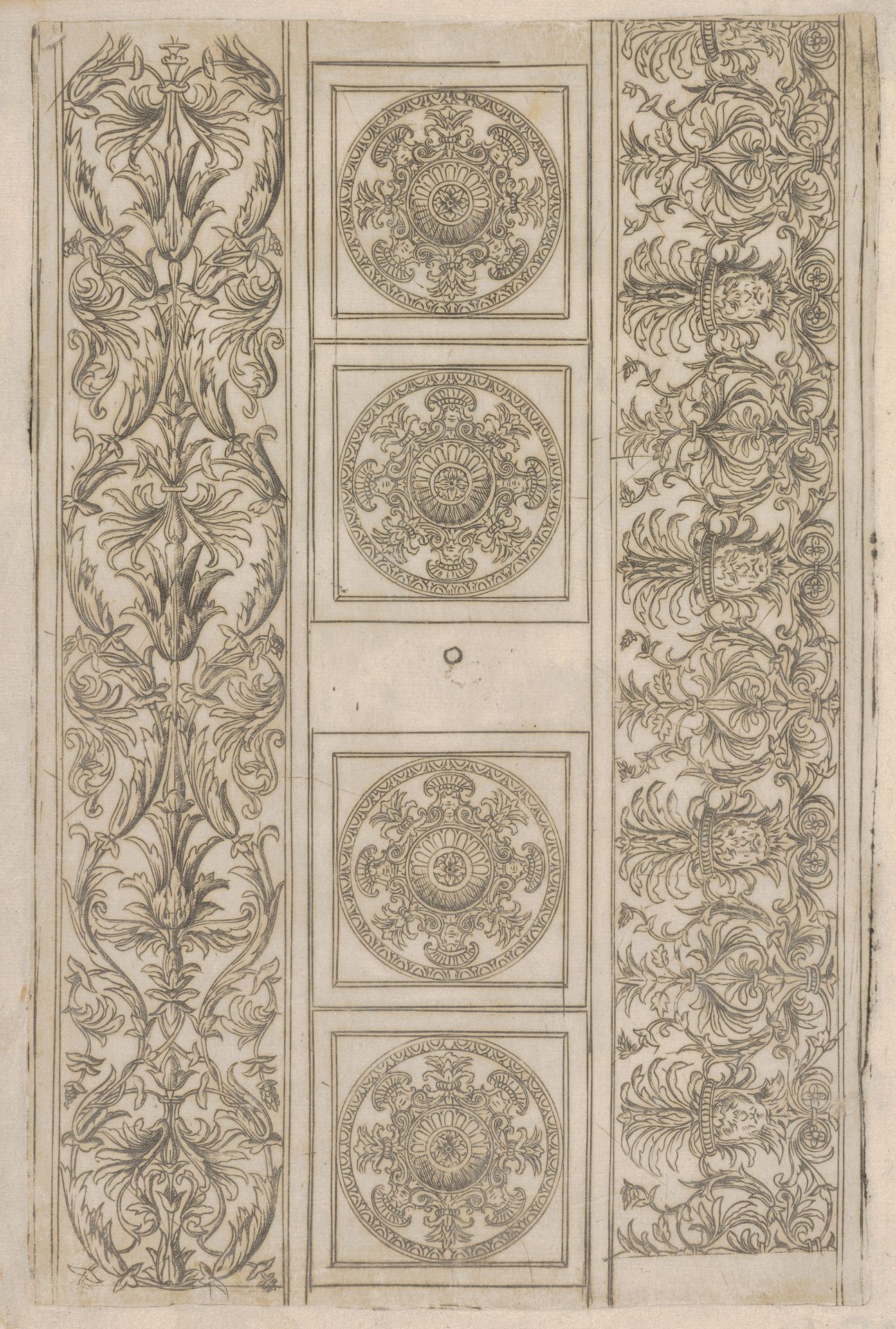
This is a sheet of border segments by Francesco Rosselli, created sometime in the late 15th or early 16th century. Rosselli was a Florentine miniaturist, cartographer, and printer, who moved fluidly between the fine arts and the burgeoning world of commercial printmaking. This sheet offers a glimpse into the visual language of Renaissance design, which drew heavily on classical motifs. Notice the stylized acanthus leaves, the geometric precision of the friezes, and the overall emphasis on symmetry and order. These elements weren't merely decorative; they were imbued with symbolic meaning, evoking the grandeur and authority of the ancient world. For artisans, these sheets were a vital resource. Rosselli’s print allowed for the standardization and dissemination of design ideas. It democratized access to classical design, but at the same time, it established a canon, dictating what was considered tasteful and refined. As you consider Rosselli’s work, think about the power dynamics inherent in design and how they reflect broader social and cultural hierarchies.
Sheet of border segments: vertical floral ornament, horizontal frieze, four corners 1490 - 1500


Artwork details
- Medium
- drawing, ornament, print, paper
- Dimensions
- Sheet: 11 5/16 × 7 11/16 in. (28.8 × 19.5 cm) Plate: 10 5/8 × 6 7/8 in. (27 × 17.5 cm)
- Location
- Metropolitan Museum of Art, New York, NY
- Copyright
- Public Domain
Tags
drawing
ornament
paper
11_renaissance
geometric
line
decorative-art
italian-renaissance
Comments
No comments
About this artwork
This is a sheet of border segments by Francesco Rosselli, created sometime in the late 15th or early 16th century. Rosselli was a Florentine miniaturist, cartographer, and printer, who moved fluidly between the fine arts and the burgeoning world of commercial printmaking. This sheet offers a glimpse into the visual language of Renaissance design, which drew heavily on classical motifs. Notice the stylized acanthus leaves, the geometric precision of the friezes, and the overall emphasis on symmetry and order. These elements weren't merely decorative; they were imbued with symbolic meaning, evoking the grandeur and authority of the ancient world. For artisans, these sheets were a vital resource. Rosselli’s print allowed for the standardization and dissemination of design ideas. It democratized access to classical design, but at the same time, it established a canon, dictating what was considered tasteful and refined. As you consider Rosselli’s work, think about the power dynamics inherent in design and how they reflect broader social and cultural hierarchies.
Comments
No comments