1722 - 1784
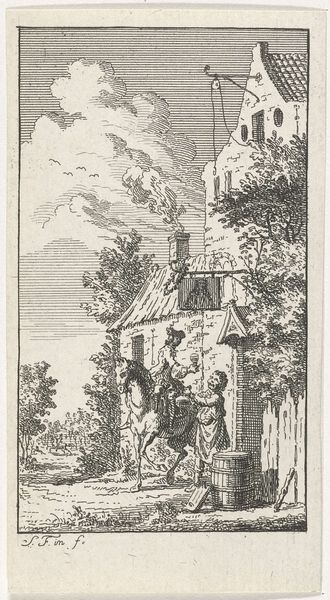
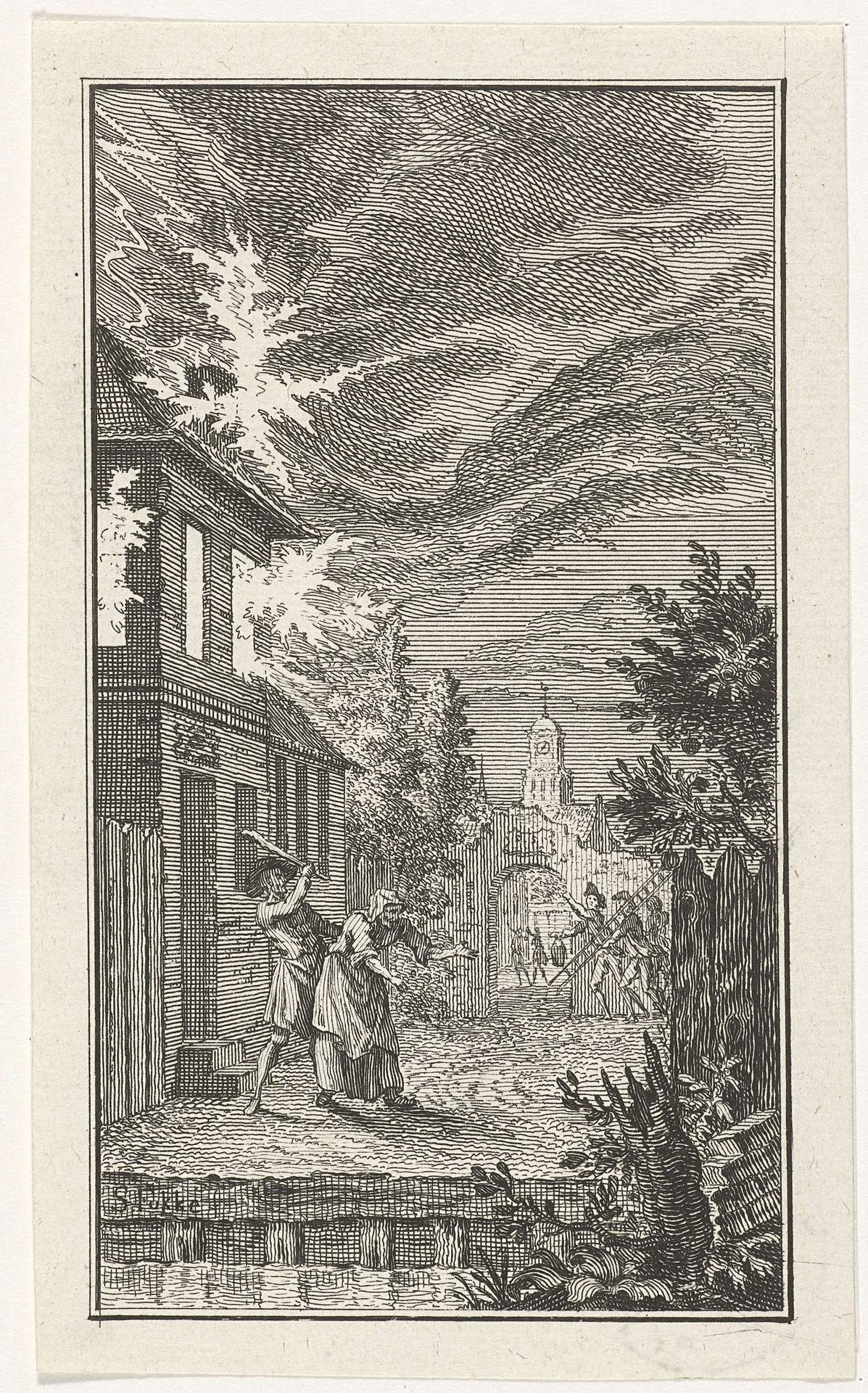
Man slaat vrouw voor een brandend huis

Simon Fokke
1712 - 1784Location
RijksmuseumListen to curator's interpretation
Curatorial notes
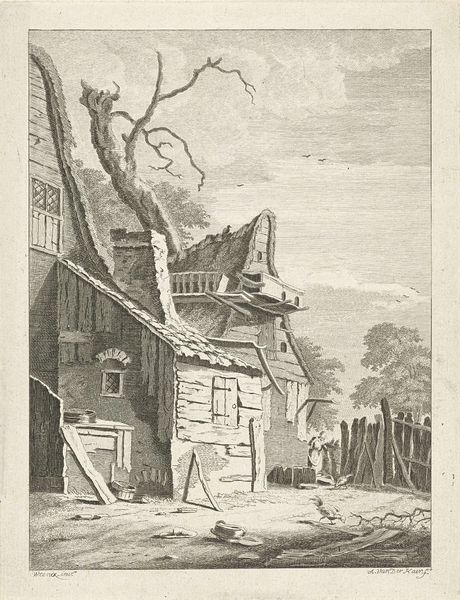
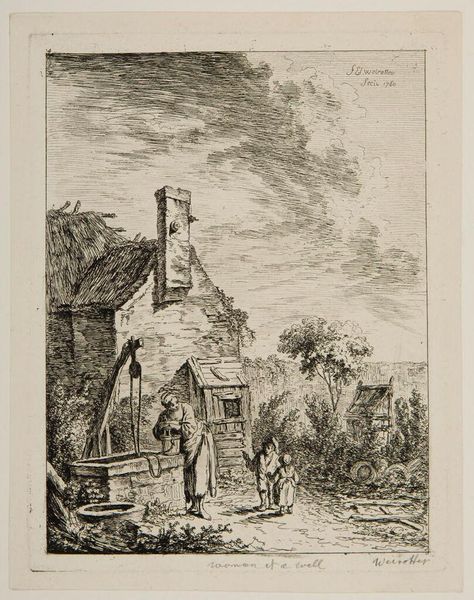
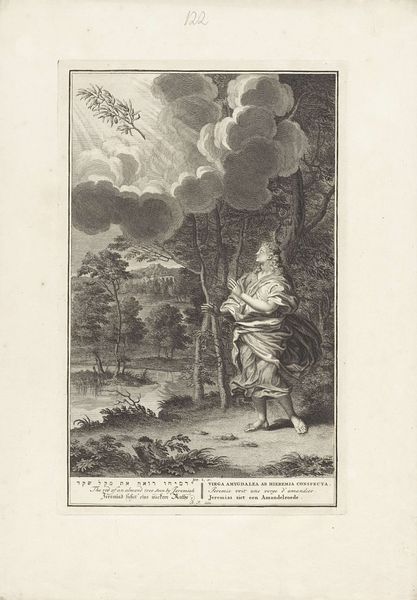
This print was made by Simon Fokke in the 1700s, using the technique of etching, which is a printmaking process that relies on acid to create lines in a metal plate. The starkness of the black lines against the white paper creates a dramatic scene. An etched line has a particular character; it can vary in thickness and depth, depending on how long the plate is exposed to the acid. Notice how Fokke uses densely packed lines to create shadows, giving volume to the figures and depth to the chaotic background. This wasn't just a reproductive medium; it was also a means of social commentary. Prints like these could be produced relatively quickly and in large numbers, making them accessible to a wide audience. The image depicts violence against a woman against the backdrop of a burning house and soldiers, so it suggests a society in turmoil, where traditional social structures are collapsing. The artist is trying to make a statement. So, next time you look at a print, consider not only the image it portrays but also the social context in which it was made, and the skilled labor involved in bringing it to life.