About this artwork
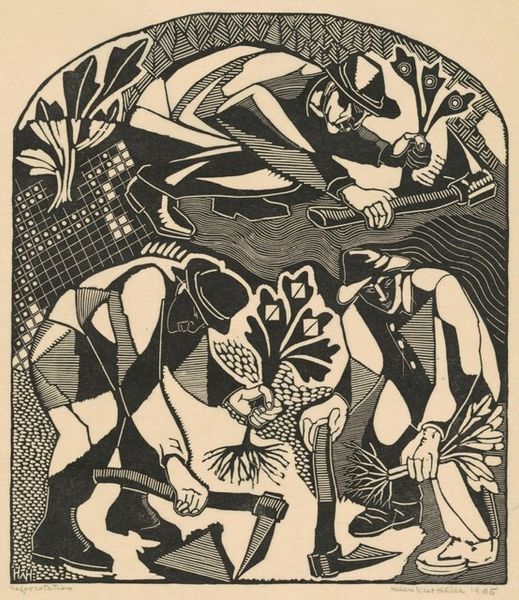
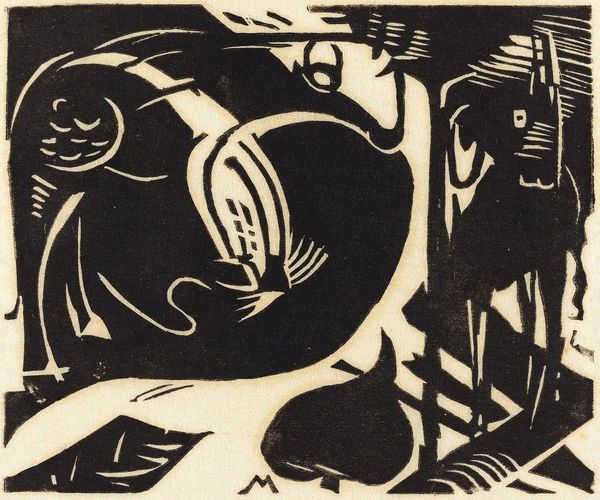
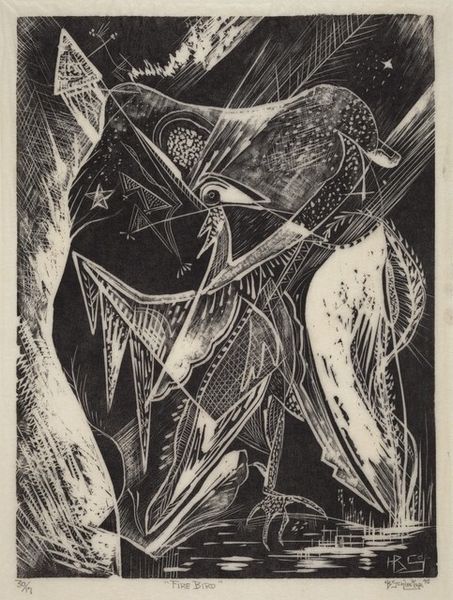
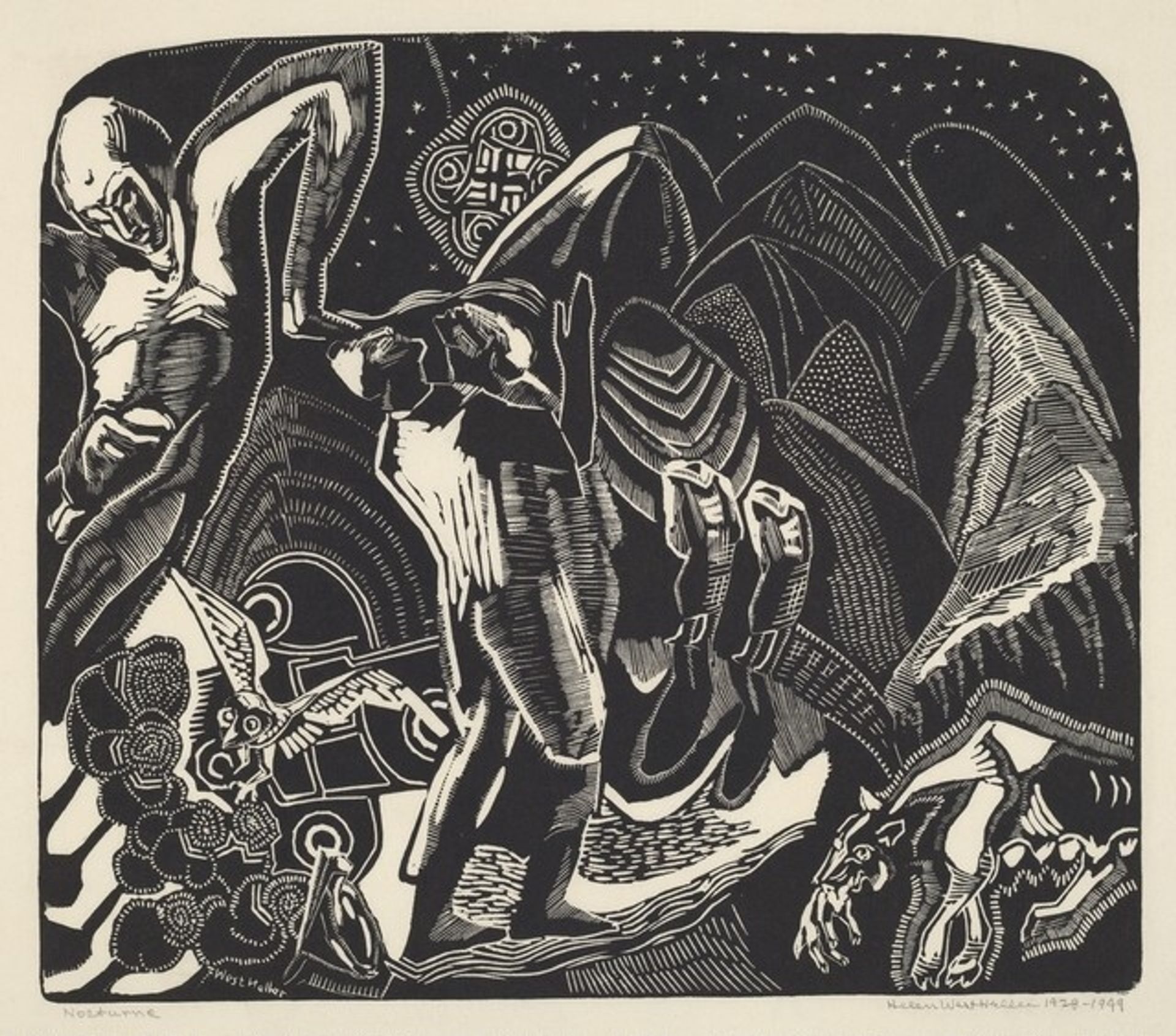
Helen West Heller made this woodcut print, Nocturne, sometime in the first half of the 20th century, using a subtractive process to create an image from stark contrasts of black and white. This kind of process allows the artist to really dig in and commit to a particular vision. I am really drawn to the area in the lower right corner, where the forms of a dog or wolf become fragmented and distorted, dissolving into pure pattern. It’s interesting how the artist leaves certain areas like this quite open to interpretation, while other areas are quite clear and precise. Thinking about artists who used similar techniques, I am reminded of the woodcuts of someone like Max Beckmann, but with a slightly different sensibility - both artists grapple with themes of darkness and the human condition, but Heller brings a unique approach to the emotional resonance of printmaking. What really stands out in her work is how she welcomes a certain ambiguity.


Artwork details
- Dimensions
- block: 232 x 264 mm sheet: 313 x 359 mm
- Copyright
- National Gallery of Art: CC0 1.0
Comments
No comments
About this artwork
Helen West Heller made this woodcut print, Nocturne, sometime in the first half of the 20th century, using a subtractive process to create an image from stark contrasts of black and white. This kind of process allows the artist to really dig in and commit to a particular vision. I am really drawn to the area in the lower right corner, where the forms of a dog or wolf become fragmented and distorted, dissolving into pure pattern. It’s interesting how the artist leaves certain areas like this quite open to interpretation, while other areas are quite clear and precise. Thinking about artists who used similar techniques, I am reminded of the woodcuts of someone like Max Beckmann, but with a slightly different sensibility - both artists grapple with themes of darkness and the human condition, but Heller brings a unique approach to the emotional resonance of printmaking. What really stands out in her work is how she welcomes a certain ambiguity.
Comments
No comments