About this artwork
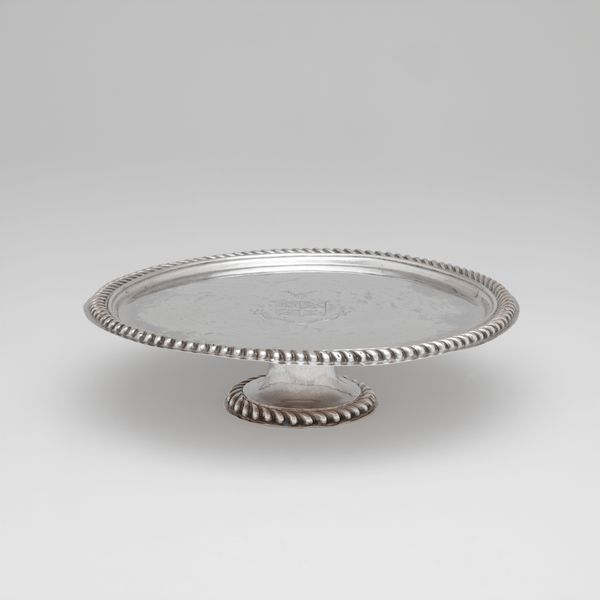
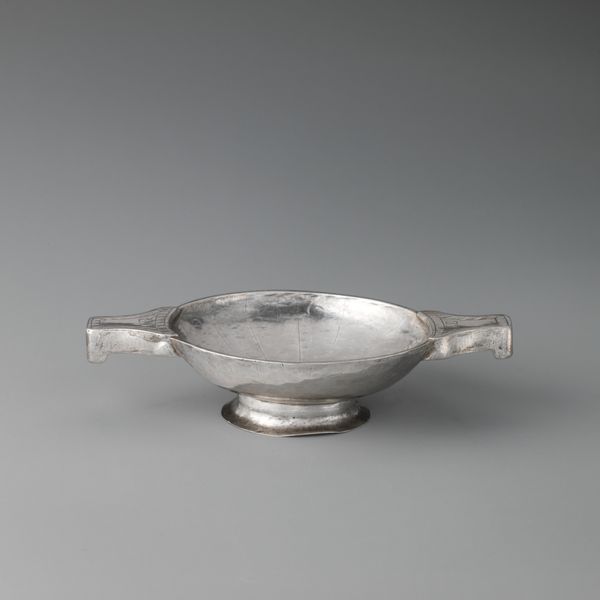
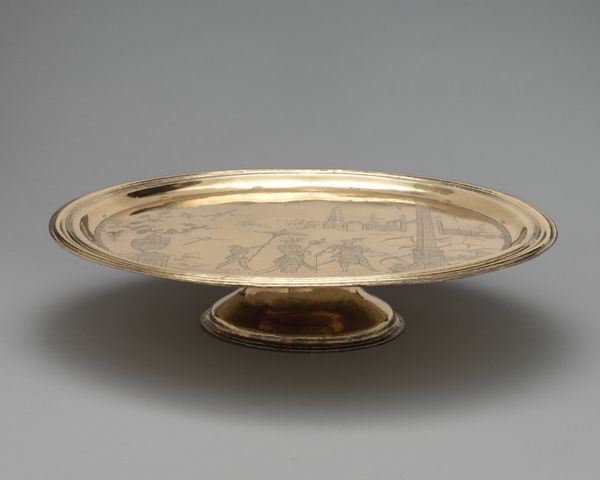
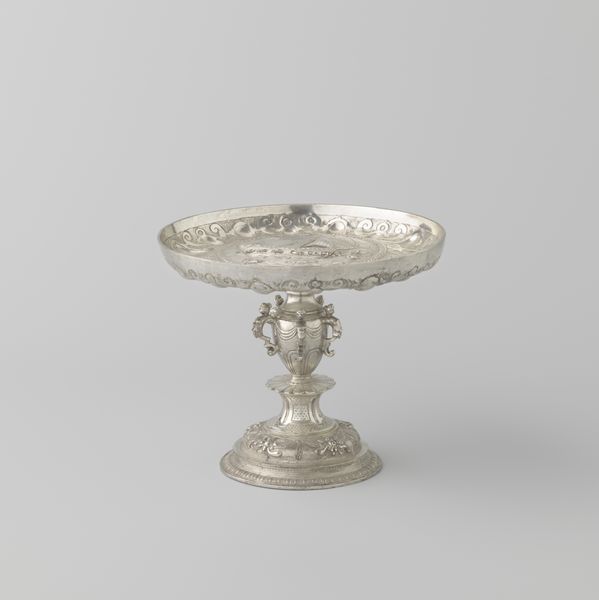
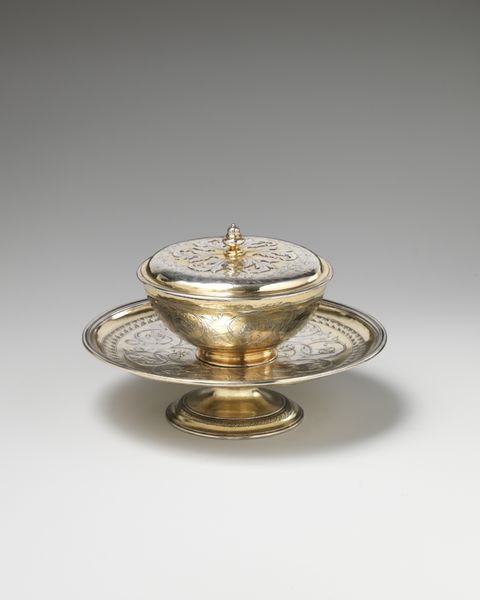
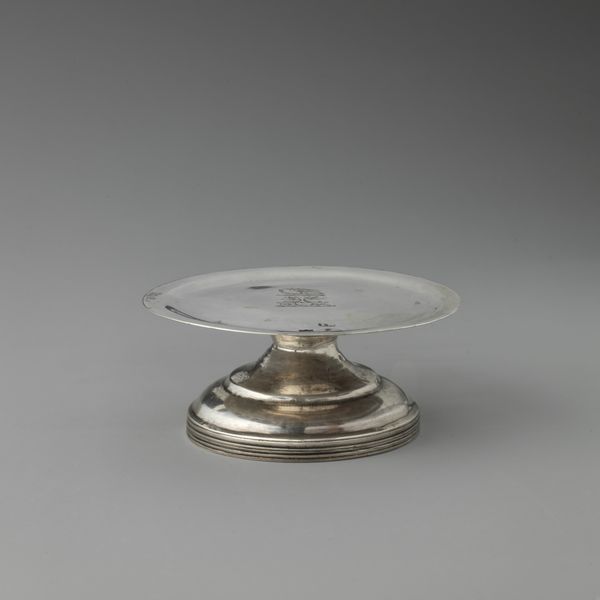
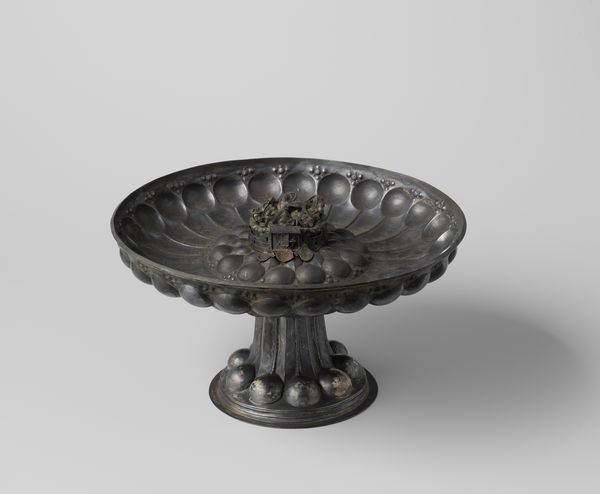
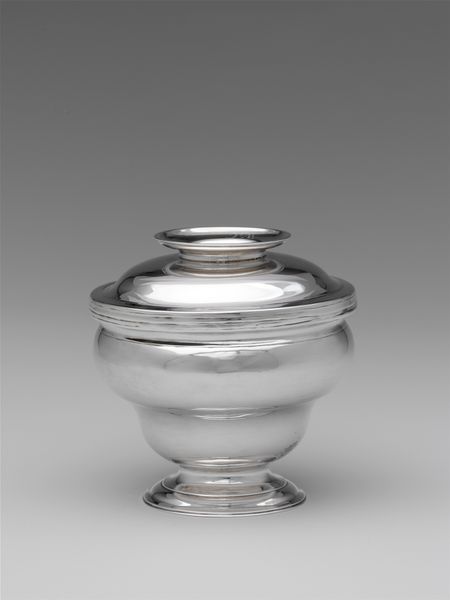
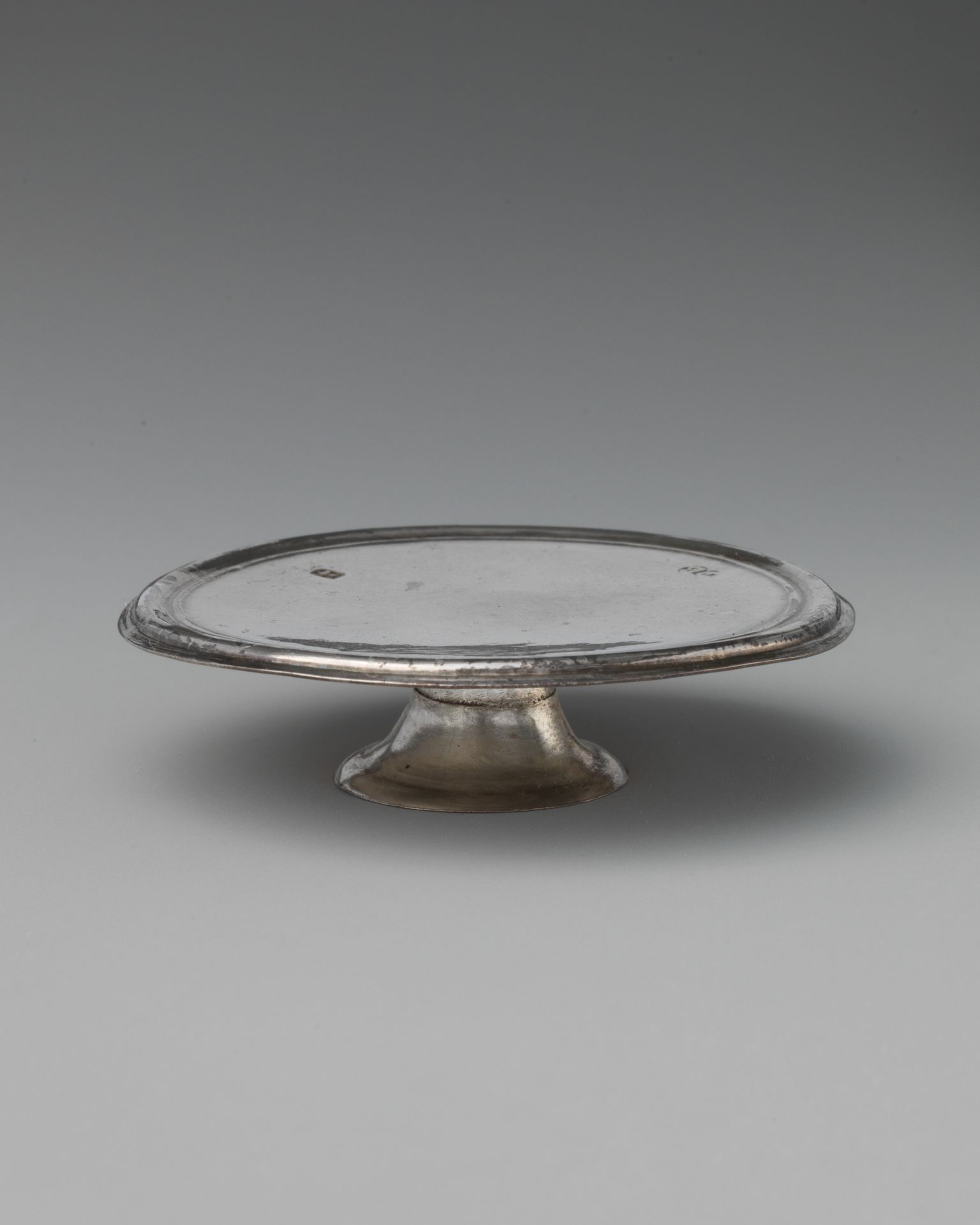
This miniature tazza was made by David Clayton, a silversmith active in Dublin in the late 17th and early 18th centuries. Crafted from silver, this diminutive piece reflects the values of its time. Silver, a precious material, was worked using techniques that required skilled labor, such as hammering, soldering, and polishing. The tazza's smooth, reflective surface and delicate form are a testament to the maker's expertise. Its small size, however, is a bit of a puzzle. Was it a toy, a salesman's sample, or something else altogether? Objects like this tazza offer a lens through which to consider historical social structures, wealth, and the division of labor. They remind us that even seemingly simple objects embody complex relationships between materials, making, and cultural context.
Miniature tazza
1715 - 1735


Artwork details
- Medium
- silver, metal, sculpture
- Dimensions
- 9/16 × 2 1/16 in. (1.4 × 5.2 cm)
- Location
- Metropolitan Museum of Art, New York, NY
- Copyright
- Public Domain
Tags
Comments
Share your thoughts
About this artwork
This miniature tazza was made by David Clayton, a silversmith active in Dublin in the late 17th and early 18th centuries. Crafted from silver, this diminutive piece reflects the values of its time. Silver, a precious material, was worked using techniques that required skilled labor, such as hammering, soldering, and polishing. The tazza's smooth, reflective surface and delicate form are a testament to the maker's expertise. Its small size, however, is a bit of a puzzle. Was it a toy, a salesman's sample, or something else altogether? Objects like this tazza offer a lens through which to consider historical social structures, wealth, and the division of labor. They remind us that even seemingly simple objects embody complex relationships between materials, making, and cultural context.
Comments
Share your thoughts