About this artwork
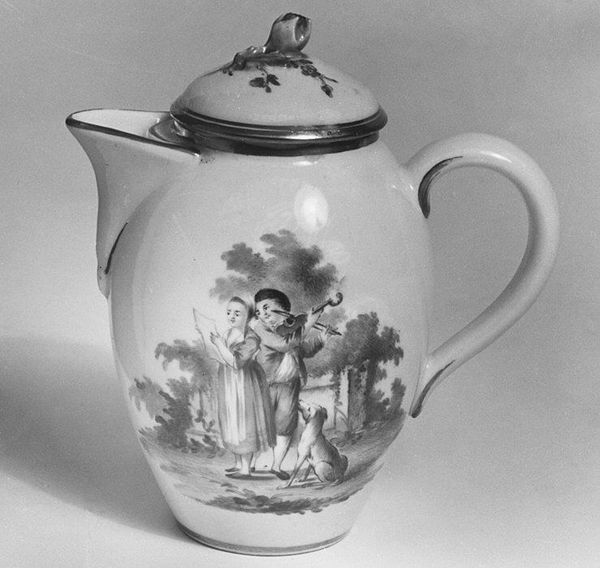
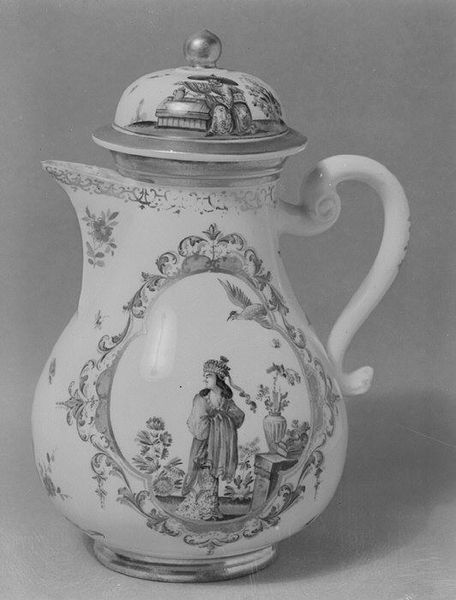
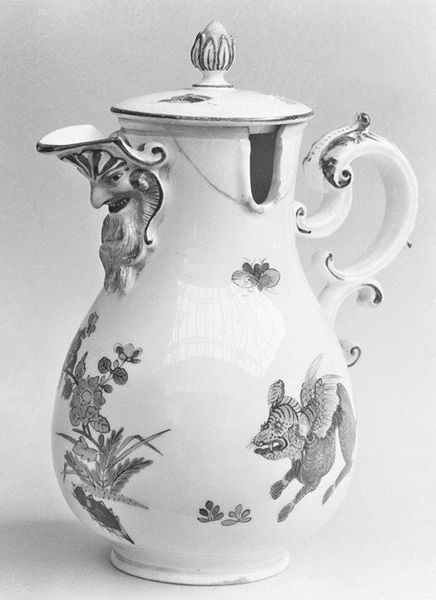
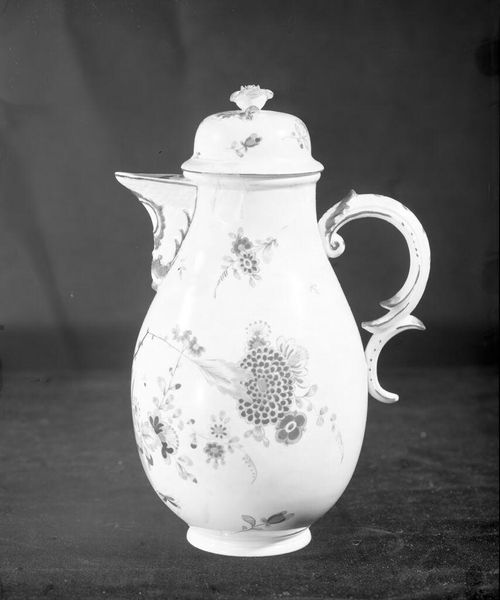
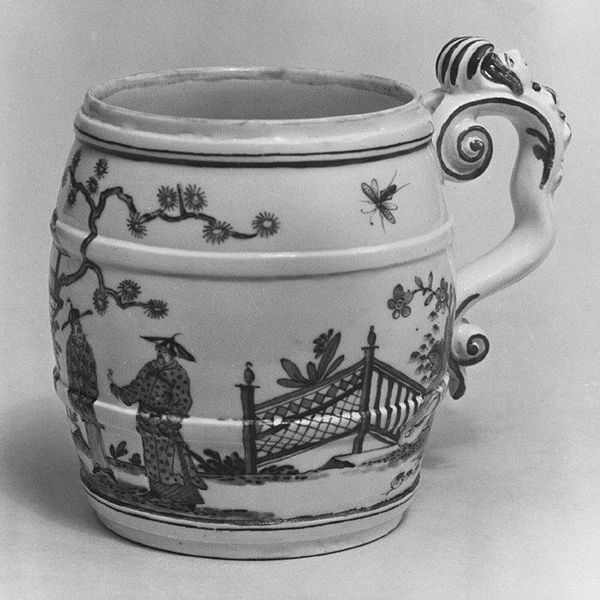
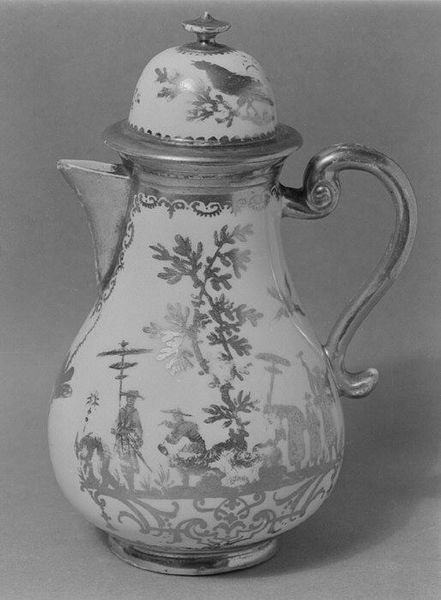
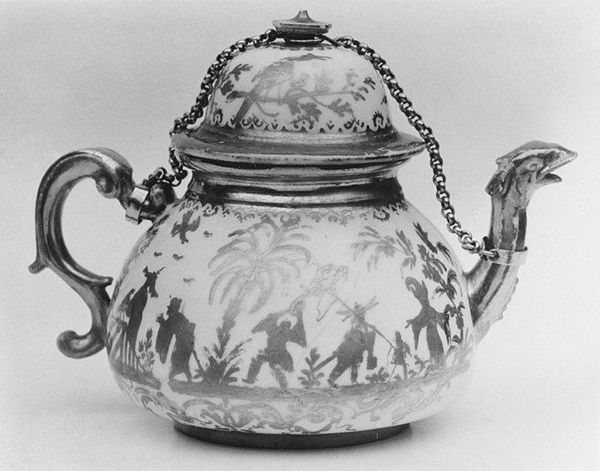
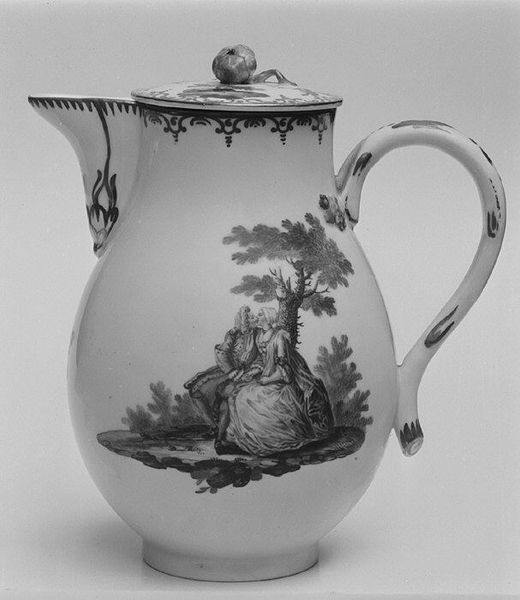
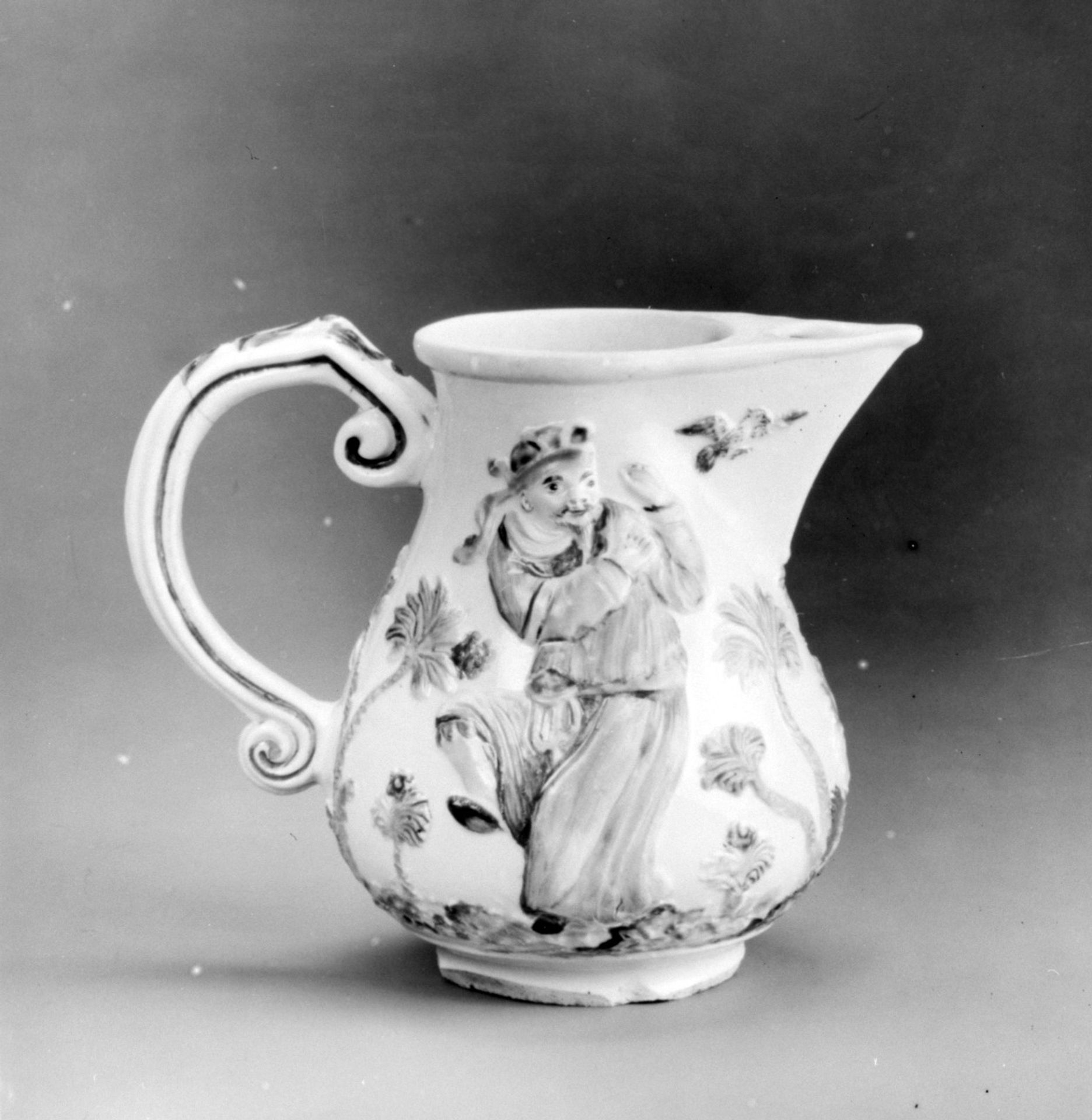
This small porcelain pitcher was made in Vienna, Austria. It presents a fascinating lens through which we can view the cultural trends of its time. The pitcher is decorated with a figure that Westerners would have imagined to be Chinese, set amidst stylized palm trees. It reflects the 18th-century European fascination with the ‘Orient’ as a source of exotic motifs. This vogue took hold during the Enlightenment, as the expansion of trade routes and colonial ambitions exposed Europeans to previously unknown cultures. Yet, this romanticized view often perpetuated stereotypes and misunderstandings. Objects such as these became popular among the aristocratic elite, signifying their cosmopolitan tastes and wealth. The production of porcelain itself was linked to courtly patronage and the burgeoning luxury market. To fully appreciate this object, we need to look at various historical records, from trade documents to design manuals, and literature from that time. This pitcher shows us how art is inseparable from the social, economic, and political contexts in which it’s created and consumed.
Pitcher
1715 - 1725


Artwork details
- Medium
- ceramic, porcelain, sculpture
- Dimensions
- 3 3/4 × 4 3/4 in. (9.5 × 12.1 cm)
- Location
- Metropolitan Museum of Art, New York, NY
- Copyright
- Public Domain
Tags
Comments
Share your thoughts
About this artwork
This small porcelain pitcher was made in Vienna, Austria. It presents a fascinating lens through which we can view the cultural trends of its time. The pitcher is decorated with a figure that Westerners would have imagined to be Chinese, set amidst stylized palm trees. It reflects the 18th-century European fascination with the ‘Orient’ as a source of exotic motifs. This vogue took hold during the Enlightenment, as the expansion of trade routes and colonial ambitions exposed Europeans to previously unknown cultures. Yet, this romanticized view often perpetuated stereotypes and misunderstandings. Objects such as these became popular among the aristocratic elite, signifying their cosmopolitan tastes and wealth. The production of porcelain itself was linked to courtly patronage and the burgeoning luxury market. To fully appreciate this object, we need to look at various historical records, from trade documents to design manuals, and literature from that time. This pitcher shows us how art is inseparable from the social, economic, and political contexts in which it’s created and consumed.
Comments
Share your thoughts