About this artwork
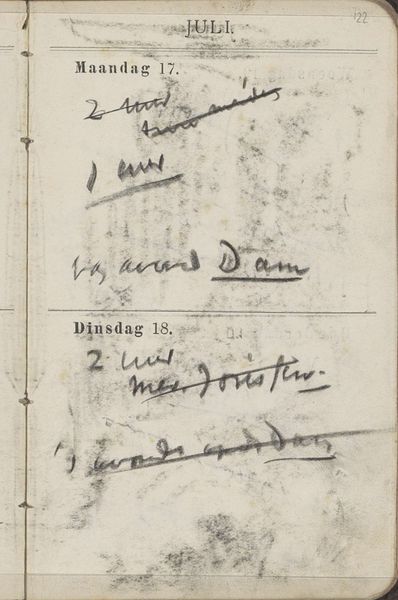
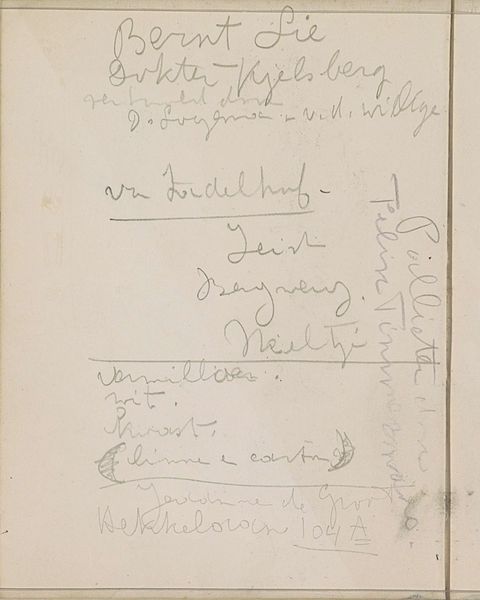
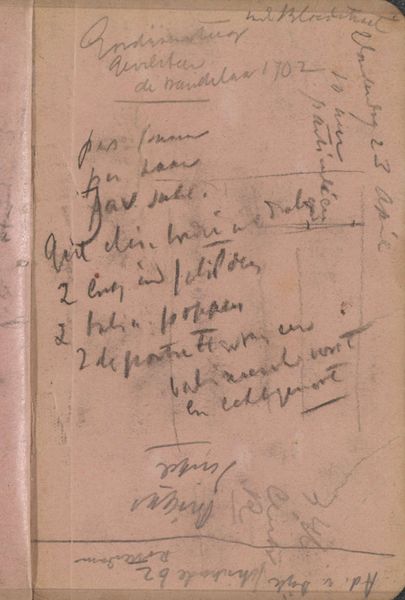
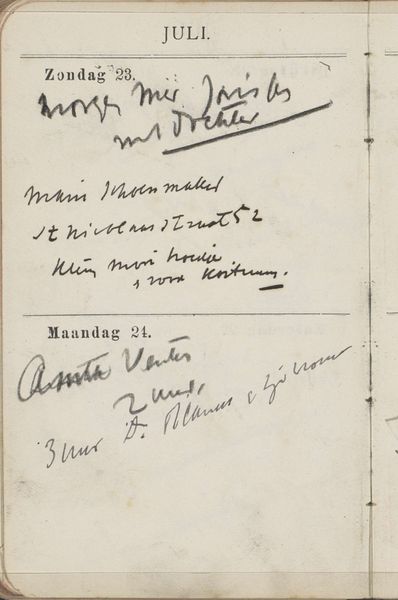
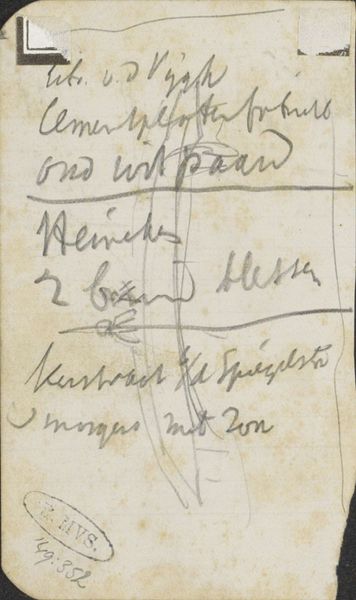
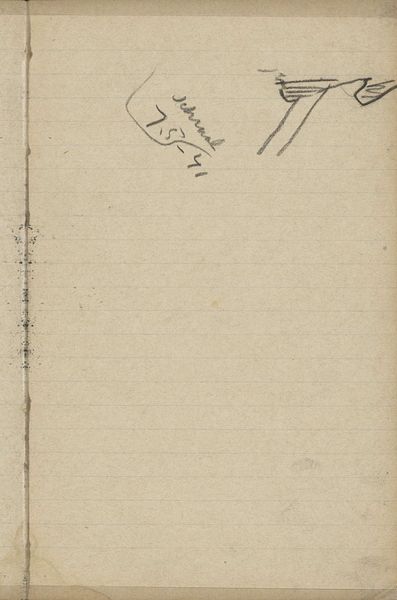
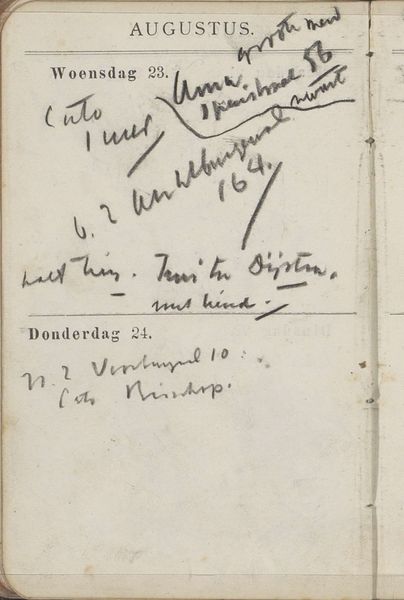
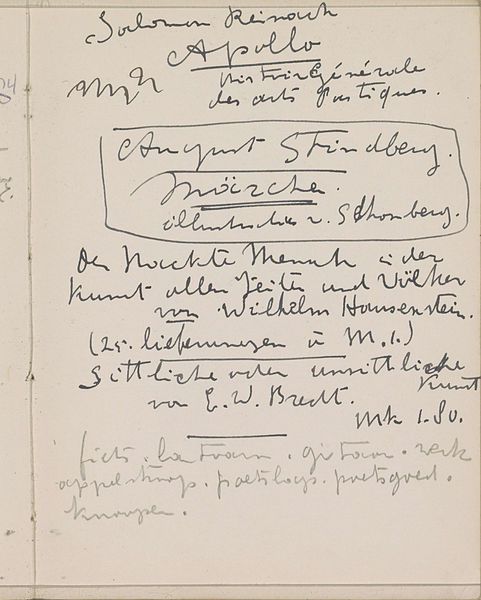
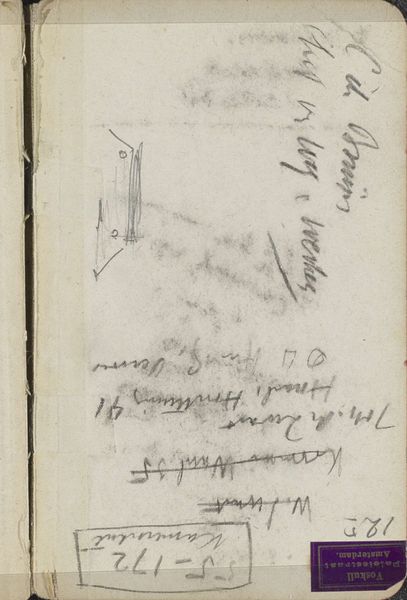
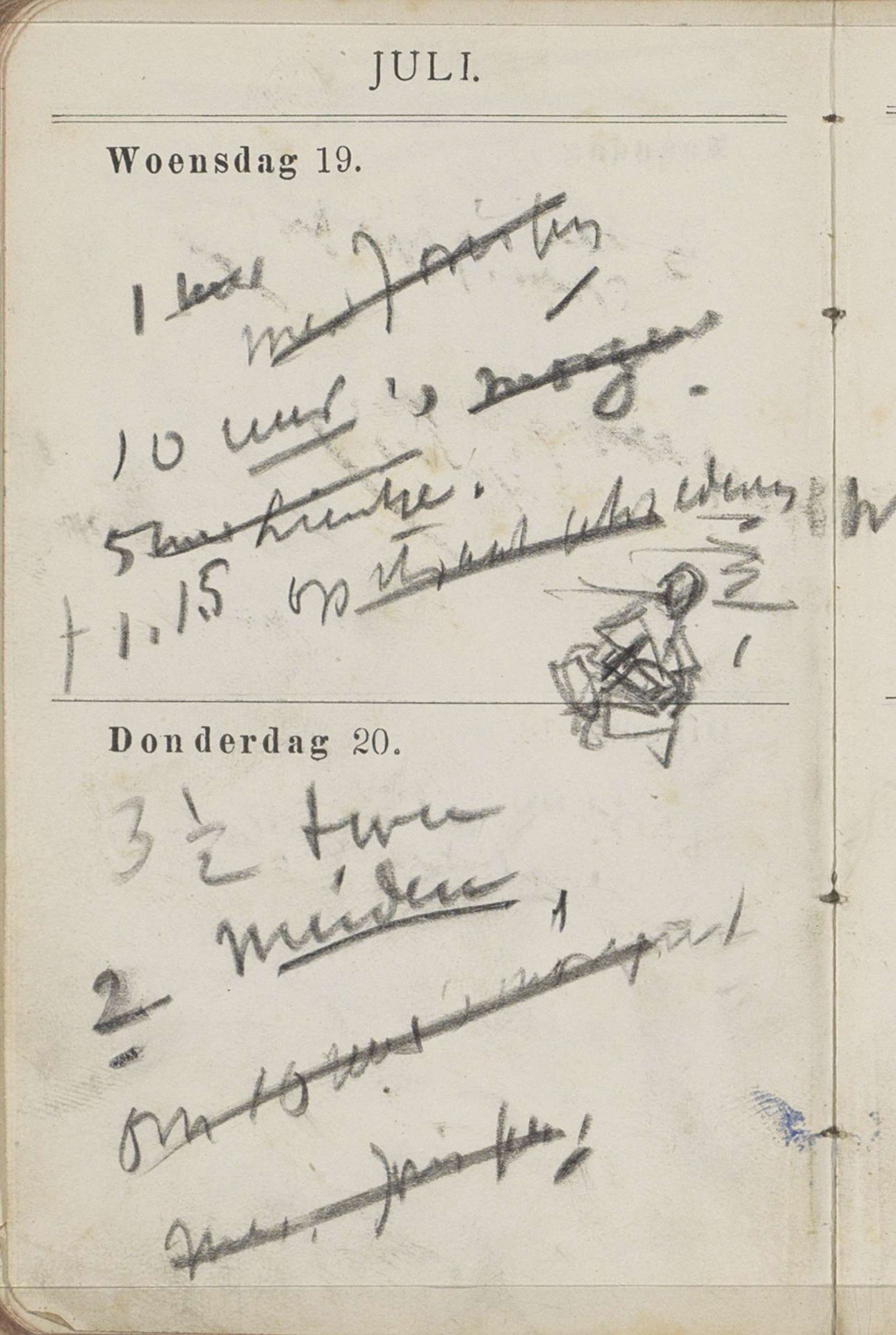
This quick sketch, possibly of a squatting figure, was dashed off by George Hendrik Breitner in the late 19th or early 20th century, presumably directly into his daybook. We see the immediacy of its making in every line. The artist uses graphite, a humble material, to capture a fleeting impression. It’s workaday and ephemeral – more like a note-to-self than a finished composition. Breitner’s hurried marks remind us that art doesn't always need to be monumental. Sometimes, it’s about the gesture, the quick study, the everyday moment recorded for later consideration. It's easy to imagine the artist, perhaps on a train or in a café, quickly sketching a figure he observed, capturing the essence of a pose or a moment in time. This democratic approach to image-making, finding beauty in the ordinary, invites us to reconsider what we value in art and how we define artistic skill.
Studie, mogelijk van een hurkende figuur
1893

George Hendrik Breitner
1857 - 1923Location
RijksmuseumArtwork details
- Location
- Rijksmuseum
- Copyright
- Rijks Museum: Open Domain
Comments
Share your thoughts
About this artwork
This quick sketch, possibly of a squatting figure, was dashed off by George Hendrik Breitner in the late 19th or early 20th century, presumably directly into his daybook. We see the immediacy of its making in every line. The artist uses graphite, a humble material, to capture a fleeting impression. It’s workaday and ephemeral – more like a note-to-self than a finished composition. Breitner’s hurried marks remind us that art doesn't always need to be monumental. Sometimes, it’s about the gesture, the quick study, the everyday moment recorded for later consideration. It's easy to imagine the artist, perhaps on a train or in a café, quickly sketching a figure he observed, capturing the essence of a pose or a moment in time. This democratic approach to image-making, finding beauty in the ordinary, invites us to reconsider what we value in art and how we define artistic skill.
Comments
Share your thoughts