About this artwork
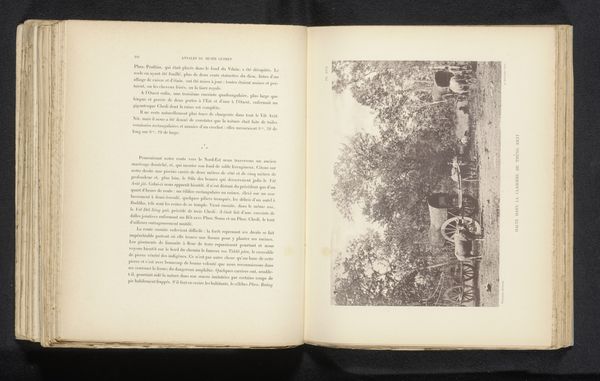
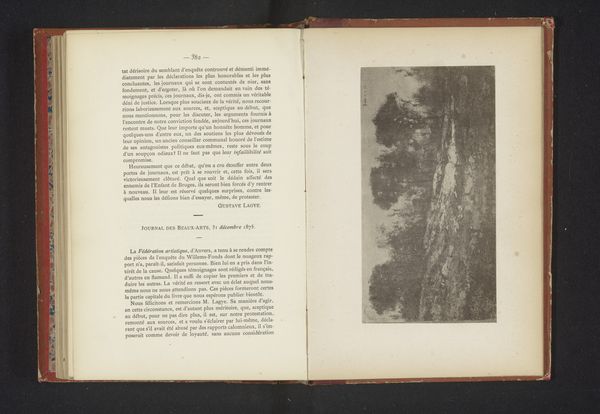
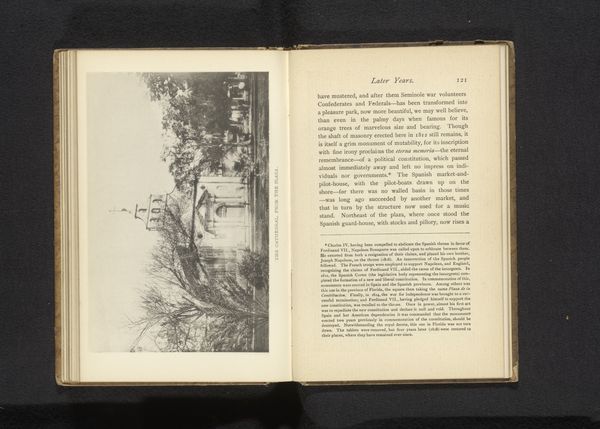
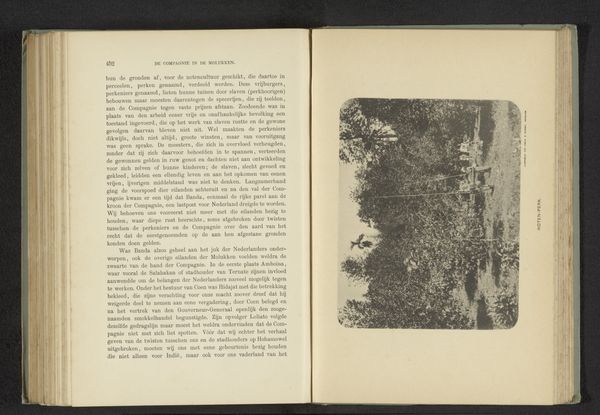
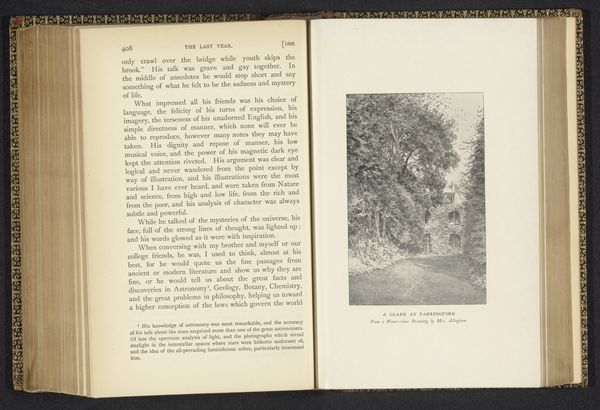
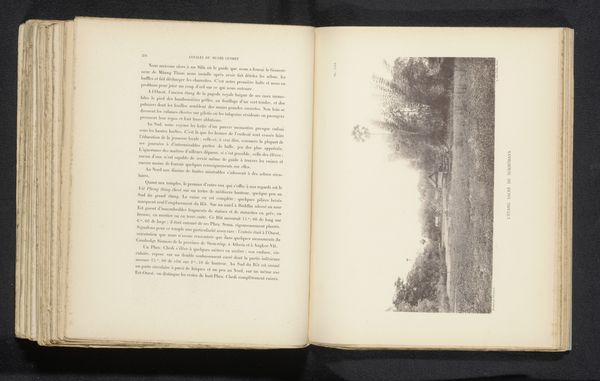
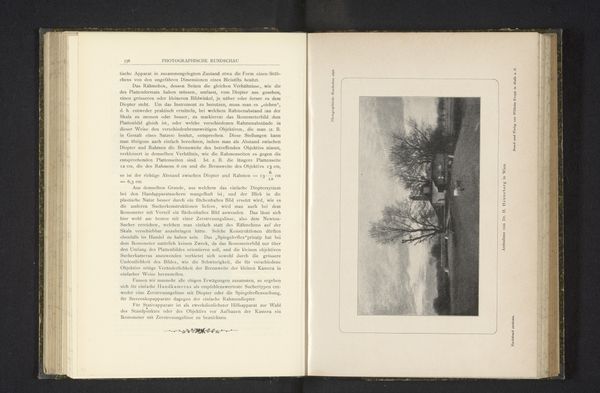
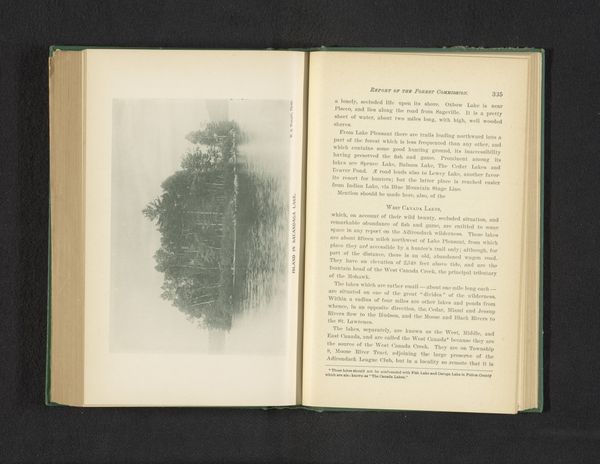
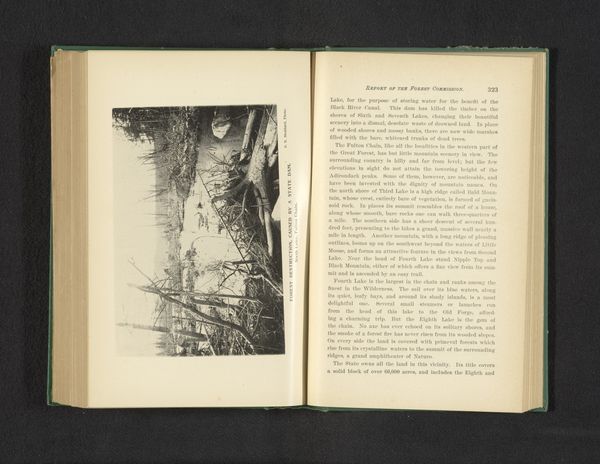
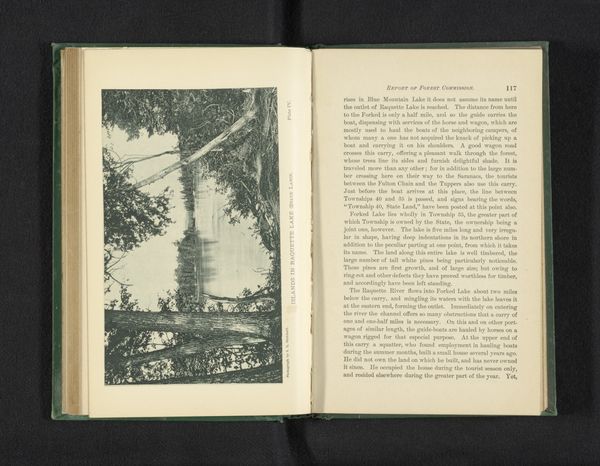
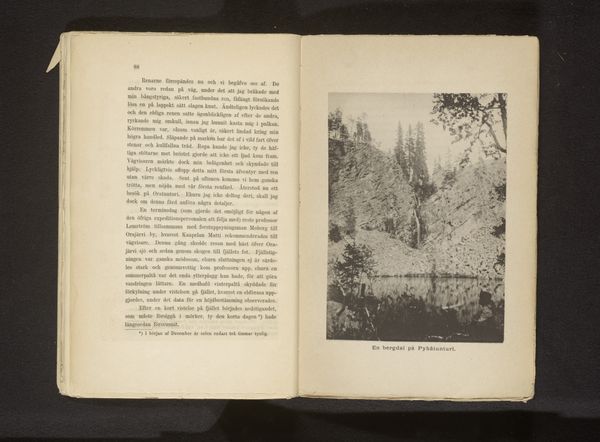
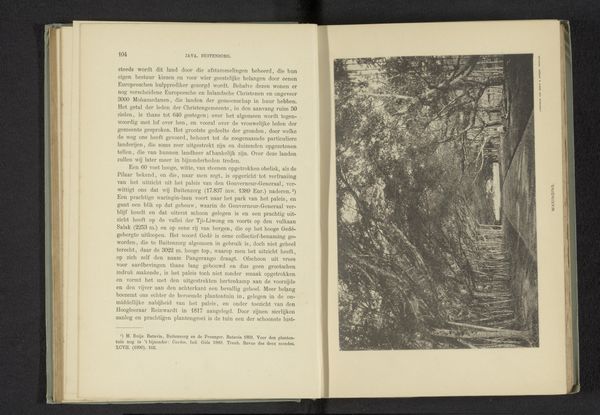
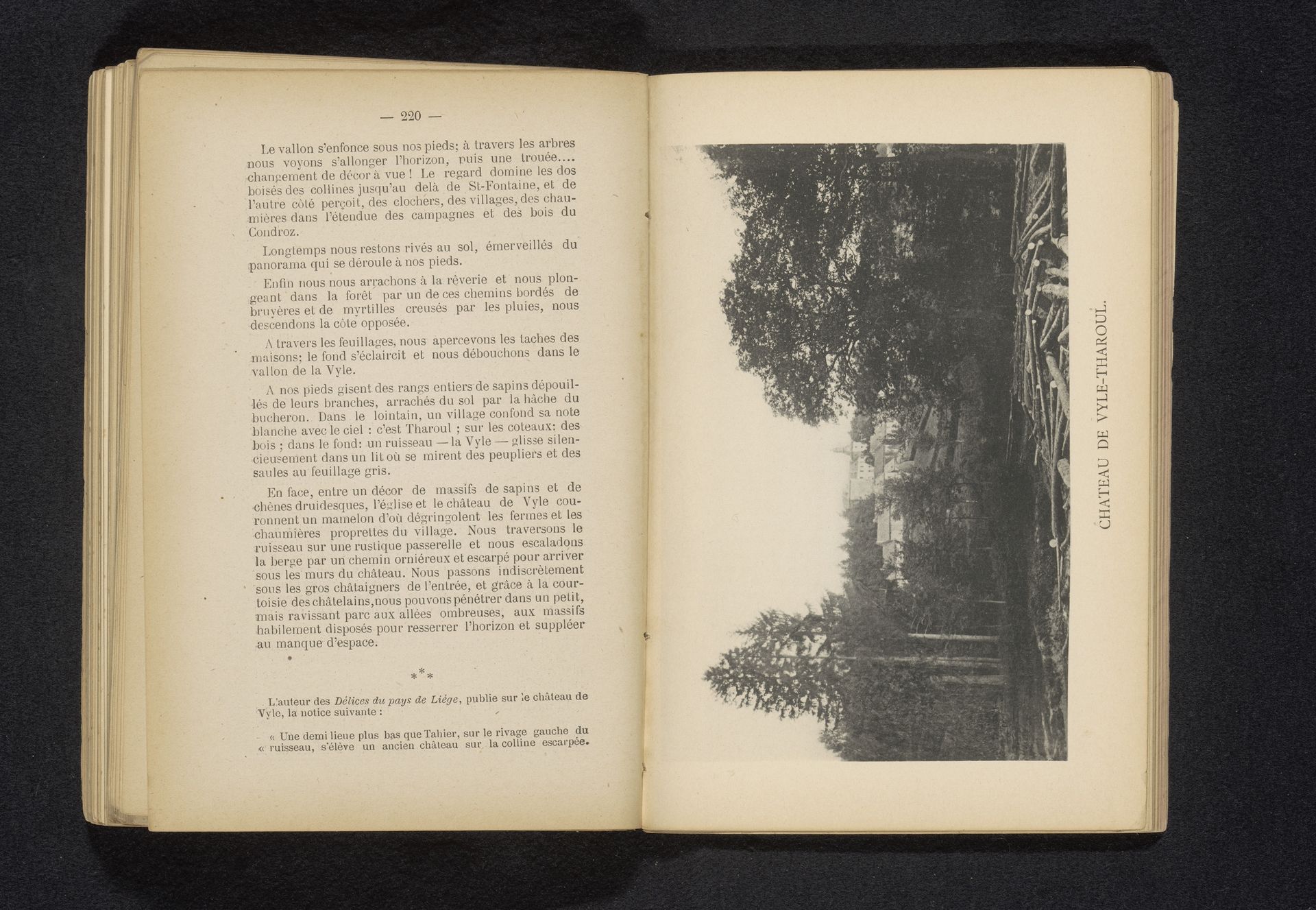
This black and white photograph of Château de Vyle-Tharoul was captured by Victor Gaillard. The composition is dominated by stark contrasts, a play between light and shadow that structures the entire scene. The foreground is anchored by the dense foliage of trees, their dark silhouettes framing a distant view of the château. Gaillard uses these natural elements to create depth, drawing our eye into the receding space. The texture of the leaves, the rough bark of the trees, and the subtle gradations of light contribute to a rich, tactile quality. In semiotic terms, we might consider the château a signifier of history, power, and culture. Yet, by obscuring it behind nature, Gaillard destabilizes these traditional meanings, suggesting a negotiation between human constructions and the enduring presence of the natural world. This tension is a hallmark of late 19th-century thought, grappling with modernity’s impact on the landscape. The photograph invites us to see beyond the surface, prompting a deeper contemplation on our relationship to the past and the environment.

Artwork details
- Dimensions
- height 105 mm, width 157 mm
- Copyright
- Rijks Museum: Open Domain
Tags
Comments
Share your thoughts
About this artwork
This black and white photograph of Château de Vyle-Tharoul was captured by Victor Gaillard. The composition is dominated by stark contrasts, a play between light and shadow that structures the entire scene. The foreground is anchored by the dense foliage of trees, their dark silhouettes framing a distant view of the château. Gaillard uses these natural elements to create depth, drawing our eye into the receding space. The texture of the leaves, the rough bark of the trees, and the subtle gradations of light contribute to a rich, tactile quality. In semiotic terms, we might consider the château a signifier of history, power, and culture. Yet, by obscuring it behind nature, Gaillard destabilizes these traditional meanings, suggesting a negotiation between human constructions and the enduring presence of the natural world. This tension is a hallmark of late 19th-century thought, grappling with modernity’s impact on the landscape. The photograph invites us to see beyond the surface, prompting a deeper contemplation on our relationship to the past and the environment.
Comments
Share your thoughts