About this artwork
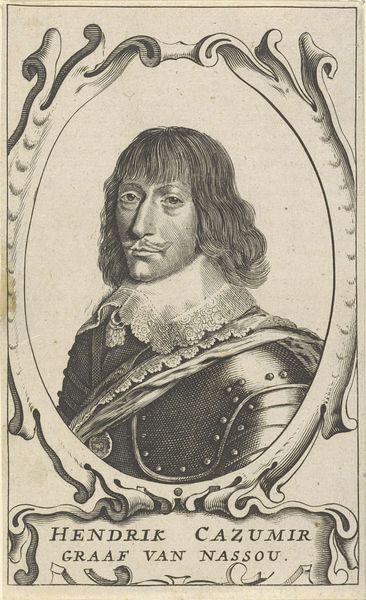
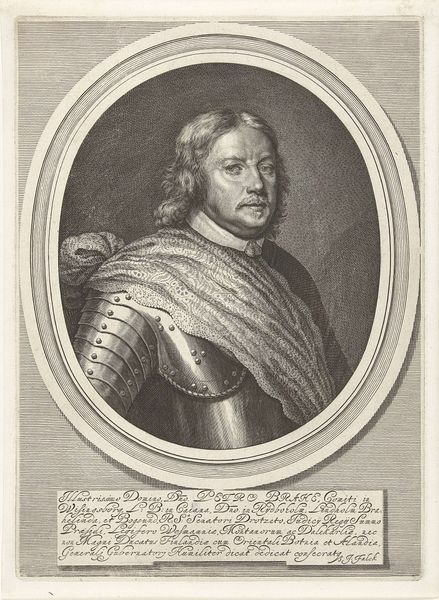
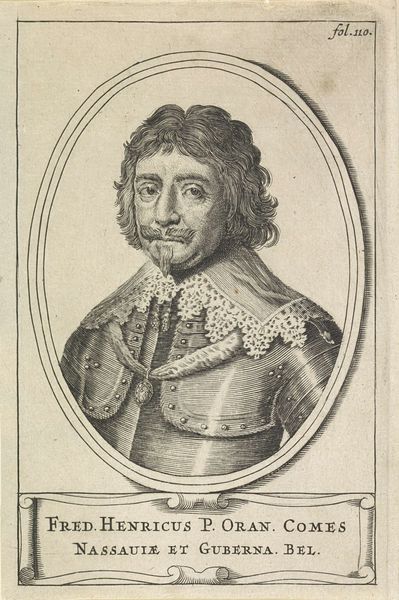
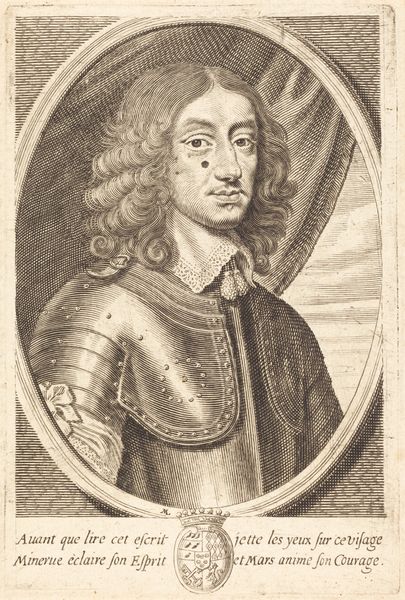
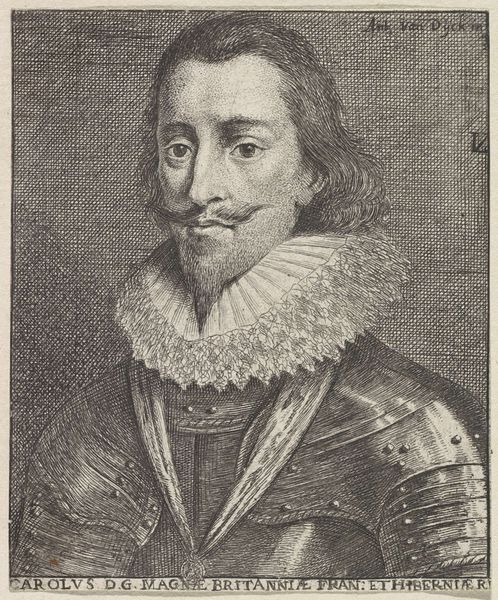
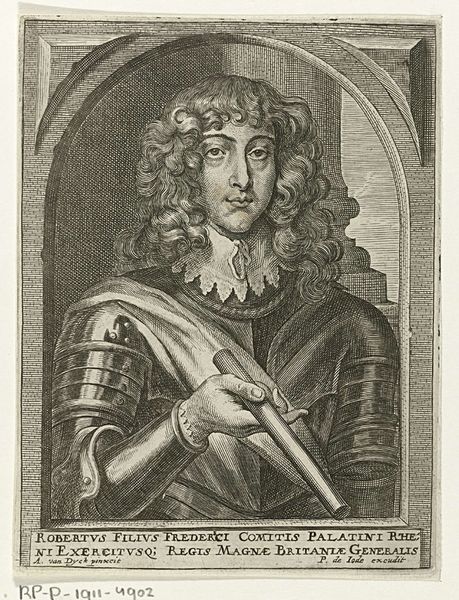
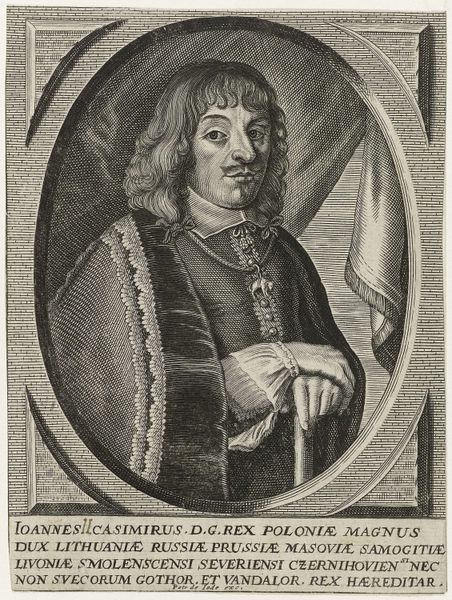
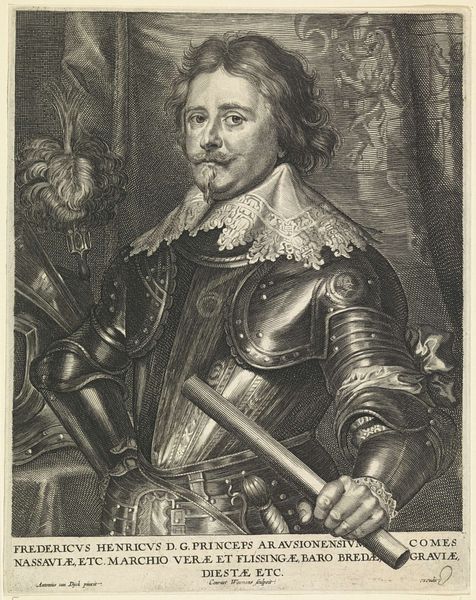
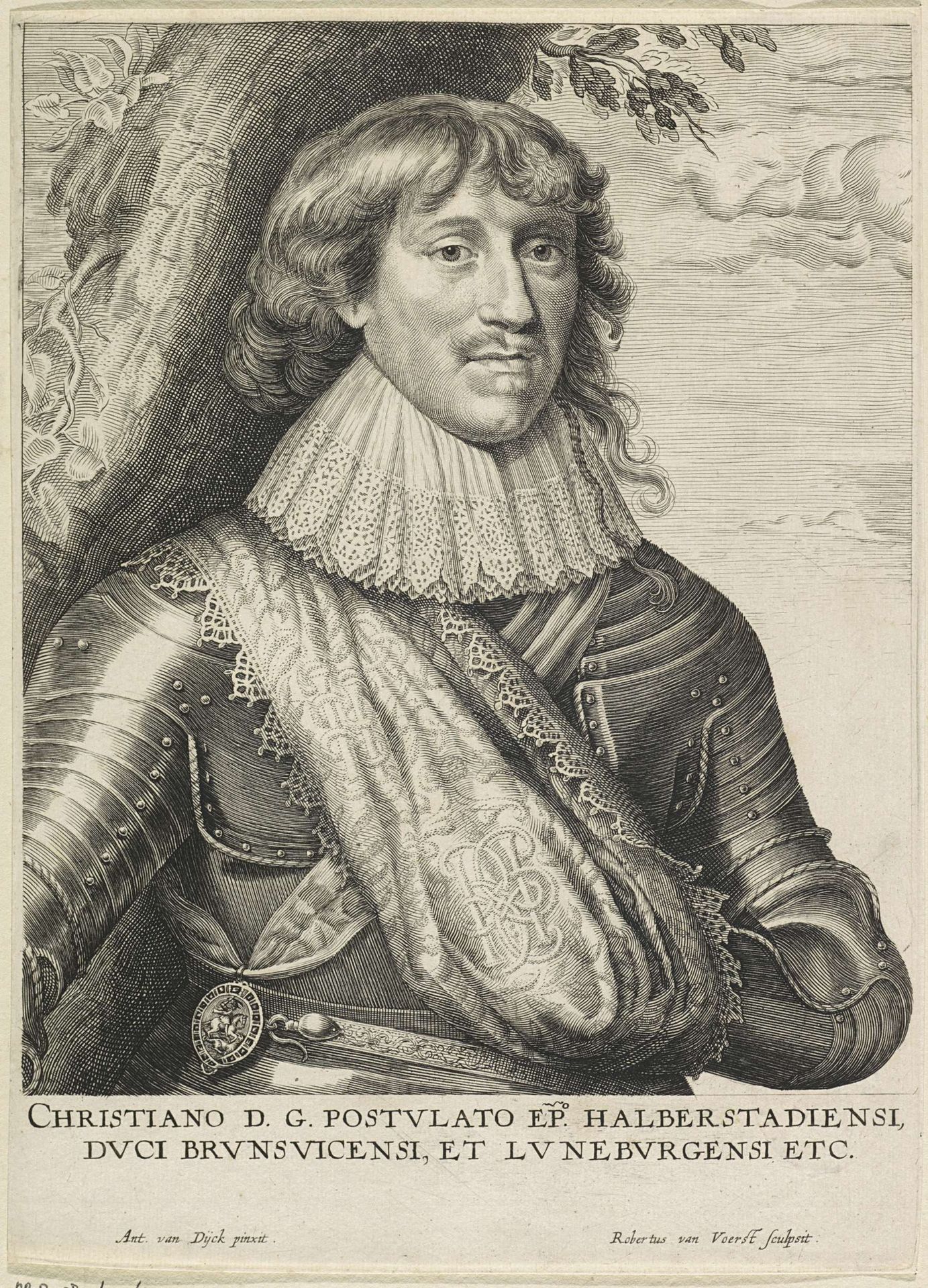
This is Robert van Voerst's rendering of Christiaan, Duke of Brunswick-Wolfenbüttel. It’s an engraving, a medium that democratized images, making them available beyond the elites who commissioned painted portraits. Consider the culture of 17th-century European nobility, where identity was performative. Christiaan's armor and lace collar were not just fashion, but symbols of power and status. His identity was both inherited and carefully constructed through symbols of wealth and military prowess. This portrait then, isn't just a likeness, but a carefully crafted statement of identity, designed to project authority and legitimacy. Interestingly, this image, like many portraits of the era, flattens the complexities of identity into a single, presentable image. Yet, it also invites us to consider the lived experiences of individuals positioned at the intersections of power and privilege. What does it mean to be born into a role, and how much agency does one have in shaping their own narrative?
Portret van Christiaan, hertog van Brunswijk-Wolfenbüttel
1625 - 1636

Robert van Voerst
@robertvanvoerstLocation
RijksmuseumArtwork details
- Medium
- engraving
- Dimensions
- height 245 mm, width 176 mm
- Location
- Rijksmuseum
- Copyright
- Rijks Museum: Open Domain
Tags
Comments
Share your thoughts
About this artwork
This is Robert van Voerst's rendering of Christiaan, Duke of Brunswick-Wolfenbüttel. It’s an engraving, a medium that democratized images, making them available beyond the elites who commissioned painted portraits. Consider the culture of 17th-century European nobility, where identity was performative. Christiaan's armor and lace collar were not just fashion, but symbols of power and status. His identity was both inherited and carefully constructed through symbols of wealth and military prowess. This portrait then, isn't just a likeness, but a carefully crafted statement of identity, designed to project authority and legitimacy. Interestingly, this image, like many portraits of the era, flattens the complexities of identity into a single, presentable image. Yet, it also invites us to consider the lived experiences of individuals positioned at the intersections of power and privilege. What does it mean to be born into a role, and how much agency does one have in shaping their own narrative?
Comments
Share your thoughts