About this artwork
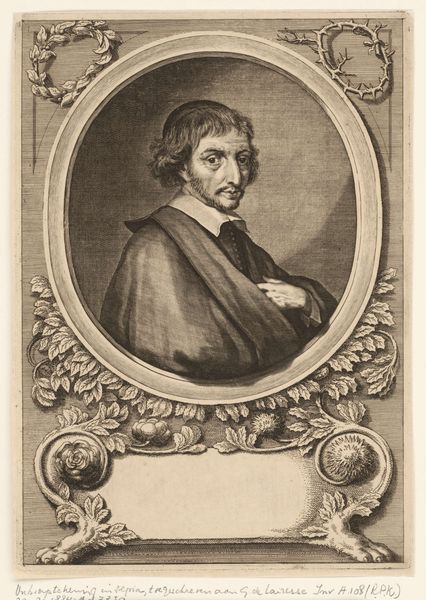
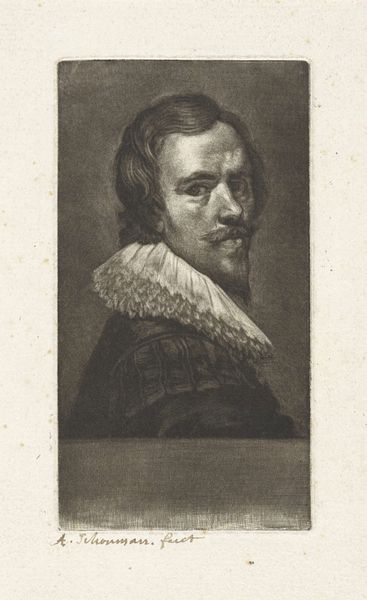
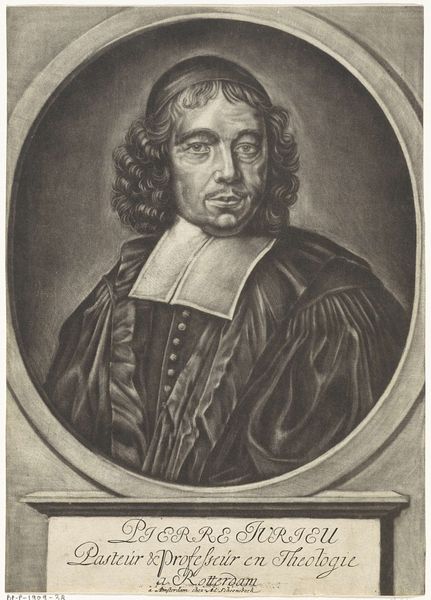
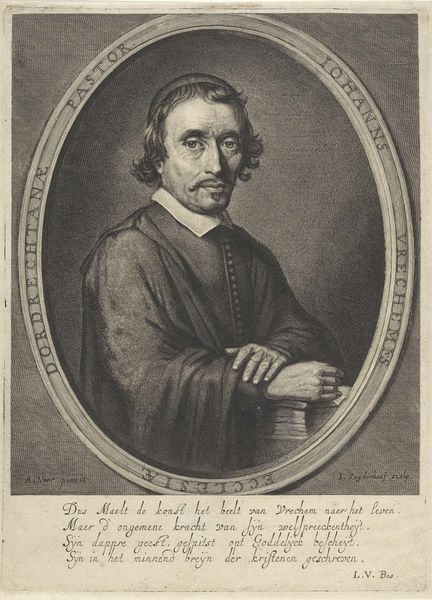
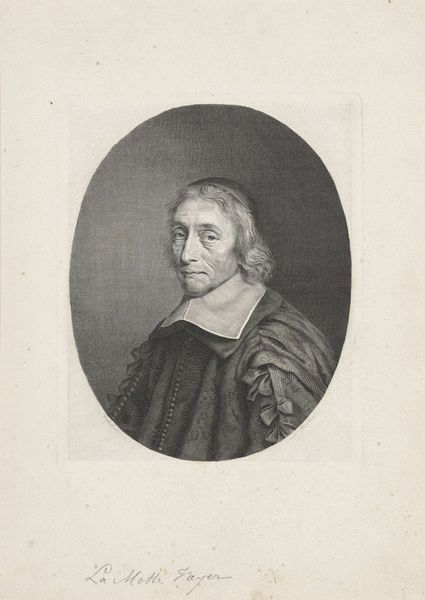
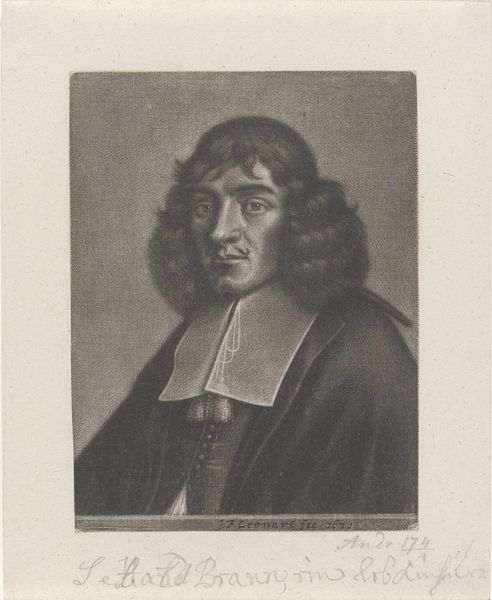
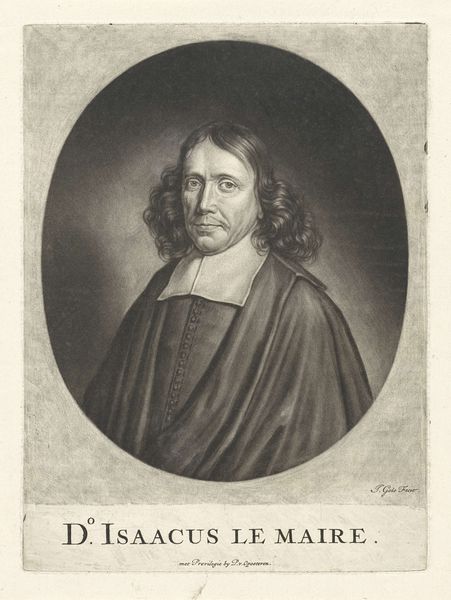
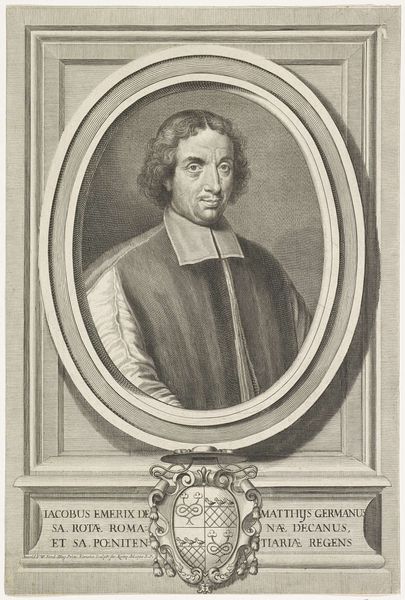
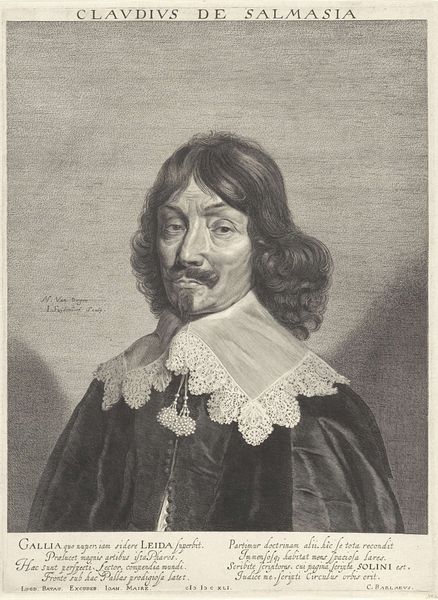
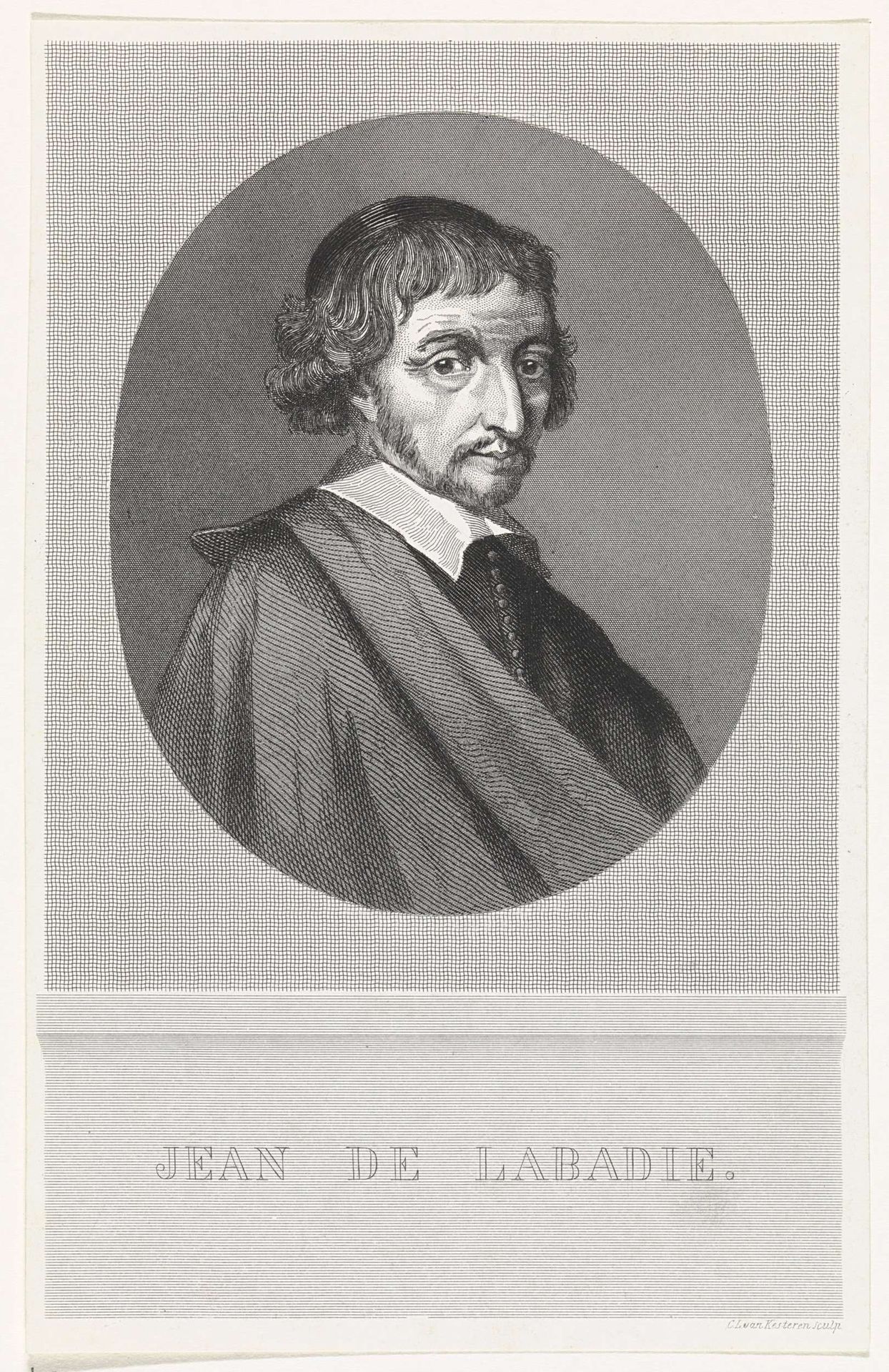
Christiaan Lodewijk van Kesteren created this portrait of Jean de Labadie sometime in the 19th century, using etching and engraving techniques. During this period, the Netherlands experienced significant social and religious changes that impacted artistic representations and cultural values. The portrait captures Jean de Labadie, a 17th-century French Pietist. Labadie was a controversial figure who challenged established religious norms and advocated for a more personal and experiential form of Christianity. His views on religious purity and communal living often clashed with the prevailing social and political structures. Van Kesteren's choice to depict Labadie reflects an interest in exploring themes of religious dissent, individual spirituality, and social reform. By immortalizing figures like Labadie, artists engaged with alternative narratives and histories that might otherwise be marginalized. What we see here is a dialogue between the past and the present, and the emotional and personal dimensions of faith and conviction.
Portret van Jean de Labadie
1842 - 1897

Christiaan Lodewijk van Kesteren
1832 - 1897Location
RijksmuseumArtwork details
- Dimensions
- height 197 mm, width 125 mm
- Location
- Rijksmuseum
- Copyright
- Rijks Museum: Open Domain
Tags
Comments
Share your thoughts
About this artwork
Christiaan Lodewijk van Kesteren created this portrait of Jean de Labadie sometime in the 19th century, using etching and engraving techniques. During this period, the Netherlands experienced significant social and religious changes that impacted artistic representations and cultural values. The portrait captures Jean de Labadie, a 17th-century French Pietist. Labadie was a controversial figure who challenged established religious norms and advocated for a more personal and experiential form of Christianity. His views on religious purity and communal living often clashed with the prevailing social and political structures. Van Kesteren's choice to depict Labadie reflects an interest in exploring themes of religious dissent, individual spirituality, and social reform. By immortalizing figures like Labadie, artists engaged with alternative narratives and histories that might otherwise be marginalized. What we see here is a dialogue between the past and the present, and the emotional and personal dimensions of faith and conviction.
Comments
Share your thoughts