About this artwork
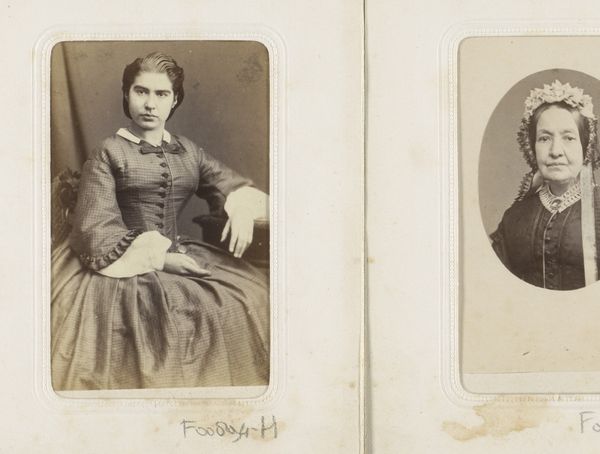
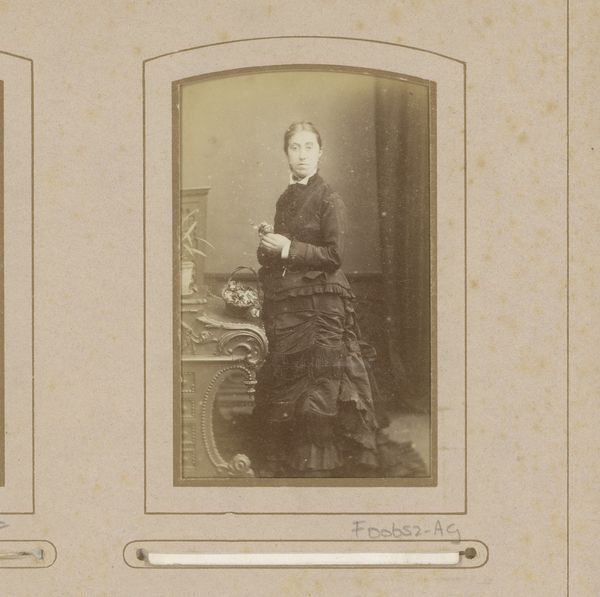
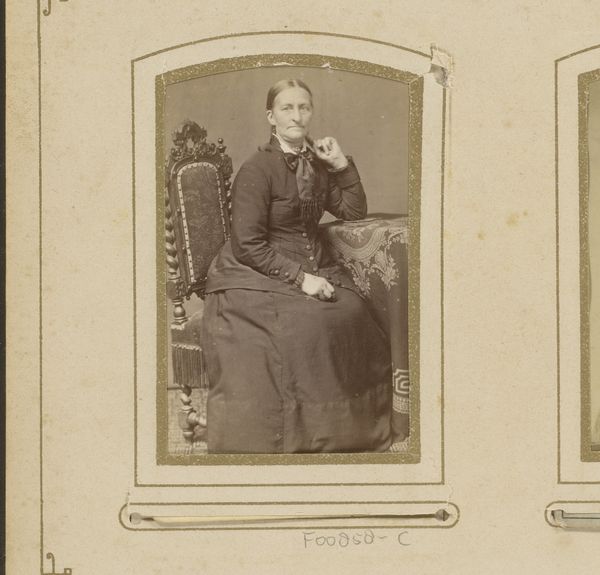
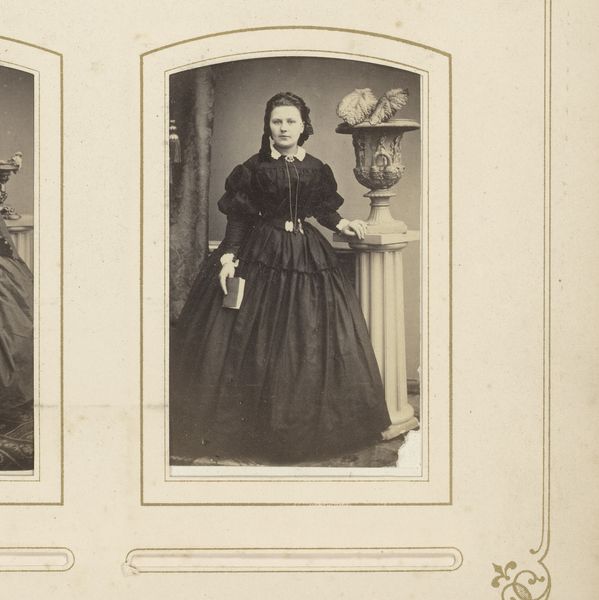
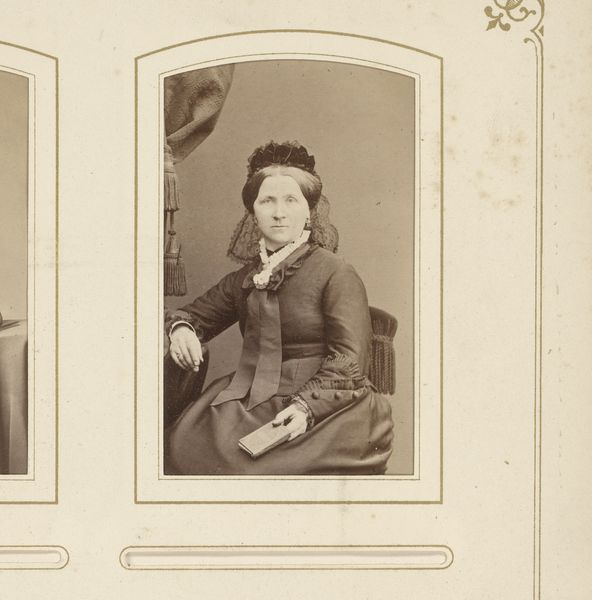
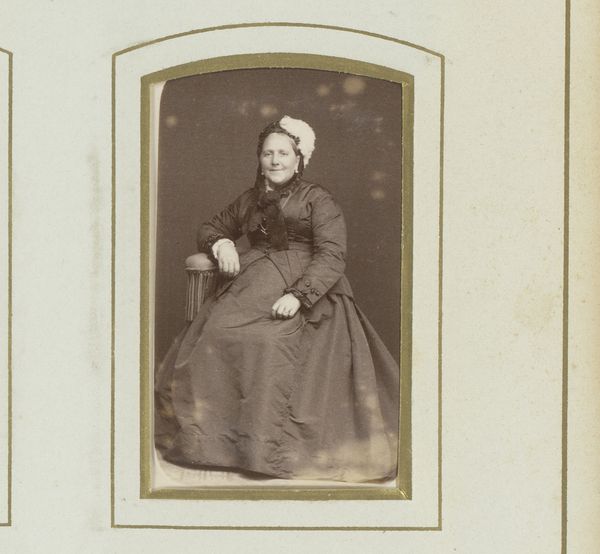
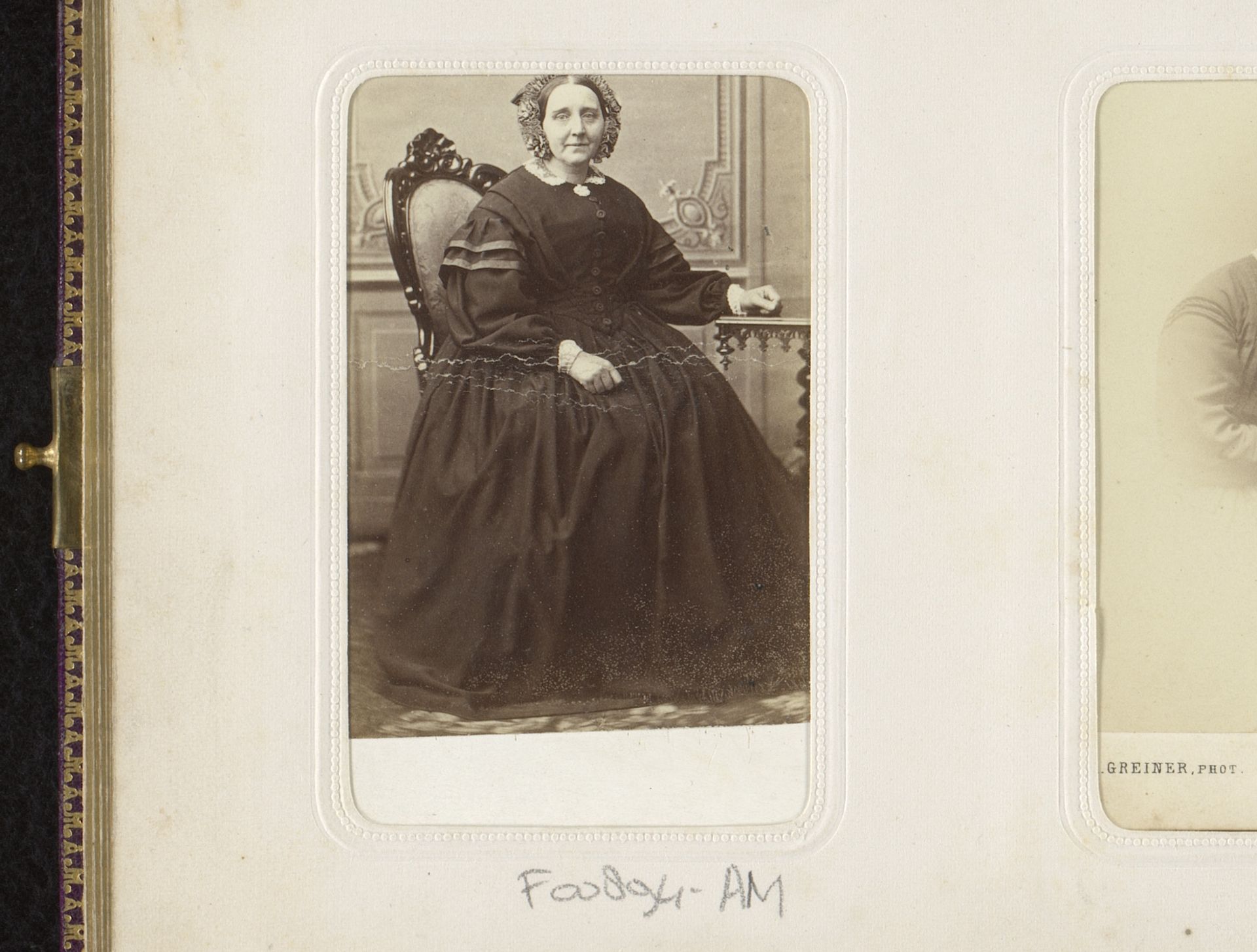
This is a portrait of a seated woman with a headdress, made by Franz Wilhelm Deutmann. The image is a study in subtle tones, mostly greys and browns, which gives a sense of calm, but also, perhaps, a certain austerity. The texture of the photograph is smooth, almost like porcelain, which emphasizes the details of the woman's dress and the folds of the fabric. Look closely and you’ll notice the intricate lace detailing of her head covering. It's interesting to think about how different textures play against each other: the softness of the lace, the smoothness of the skin, and the hardness of the chair. There's a quiet dialogue happening between all of these things. Deutmann has created a composition that feels both formal and intimate. It makes me think of other artists who used photography as a reference for painting, like Degas. I wonder if he was thinking about the same things: how to capture a moment in time, how to represent a person, and how to make a work of art that feels both real and idealized.
Portret van een zittende vrouw met een hoofddeksel
1899 - 1904

Franz Wilhelm Deutmann
1809 - 1895Location
RijksmuseumArtwork details
- Medium
- photography
- Dimensions
- height 106 mm, width 61 mm
- Location
- Rijksmuseum
- Copyright
- Rijks Museum: Open Domain
Tags
Comments
Share your thoughts
About this artwork
This is a portrait of a seated woman with a headdress, made by Franz Wilhelm Deutmann. The image is a study in subtle tones, mostly greys and browns, which gives a sense of calm, but also, perhaps, a certain austerity. The texture of the photograph is smooth, almost like porcelain, which emphasizes the details of the woman's dress and the folds of the fabric. Look closely and you’ll notice the intricate lace detailing of her head covering. It's interesting to think about how different textures play against each other: the softness of the lace, the smoothness of the skin, and the hardness of the chair. There's a quiet dialogue happening between all of these things. Deutmann has created a composition that feels both formal and intimate. It makes me think of other artists who used photography as a reference for painting, like Degas. I wonder if he was thinking about the same things: how to capture a moment in time, how to represent a person, and how to make a work of art that feels both real and idealized.
Comments
Share your thoughts