About this artwork
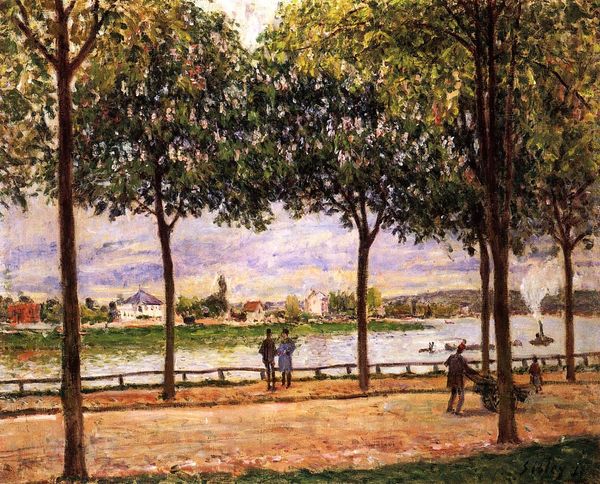
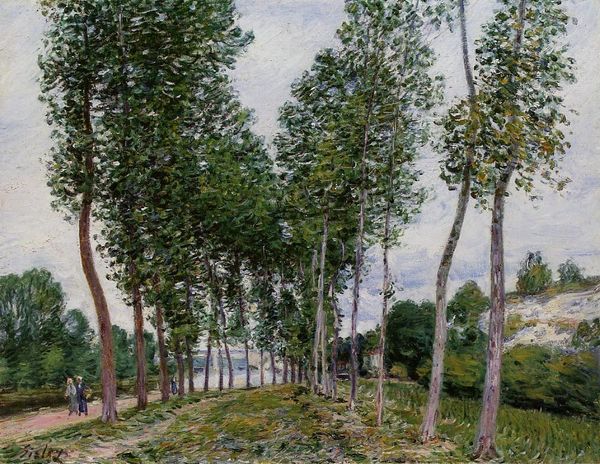
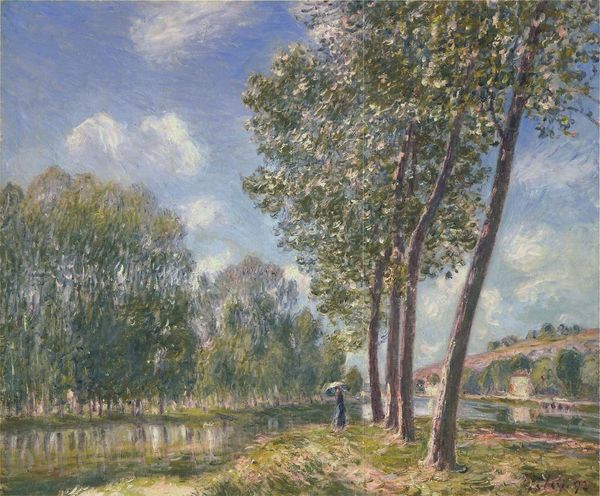
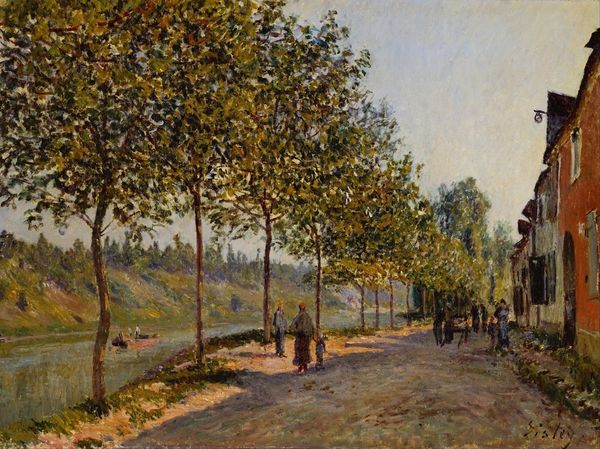
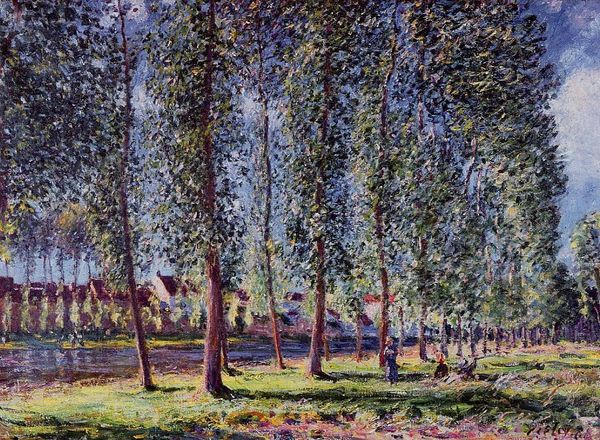
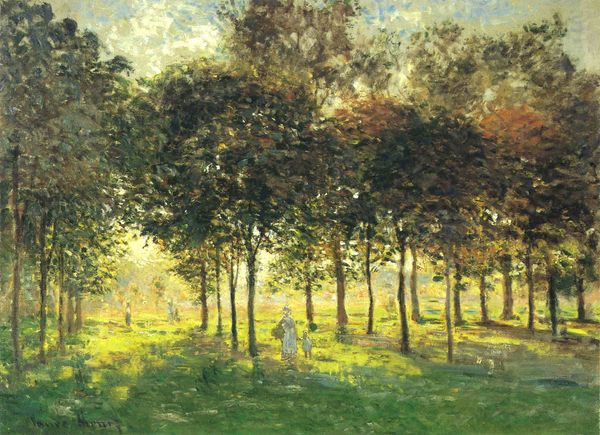
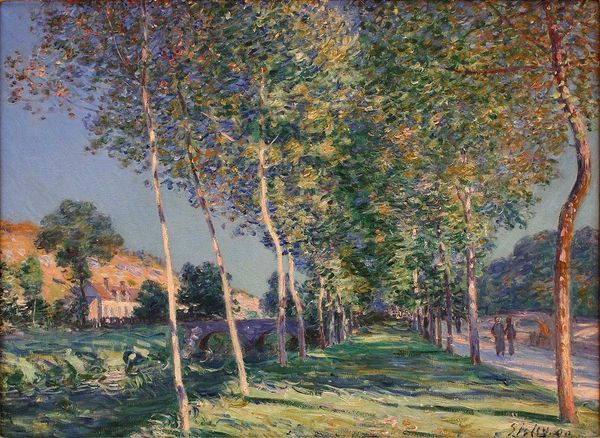
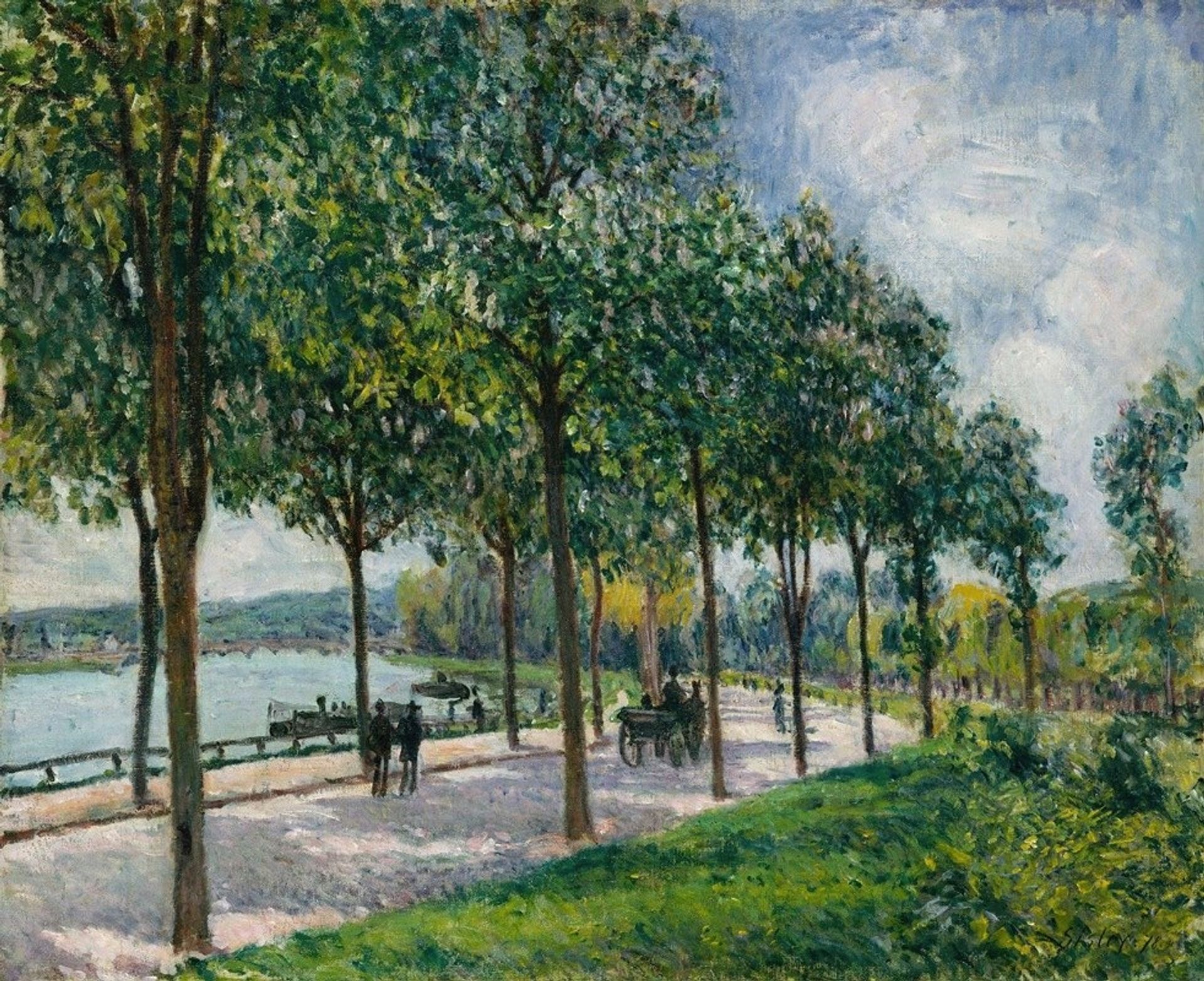
Alfred Sisley created this landscape with oil on canvas, capturing a Parisian scene from the late 19th century. Sisley, along with other Impressionists, sought to portray contemporary life, often turning to the Parisian suburbs as subjects. Here, the allée, a space designed for public leisure, is depicted with loose brushstrokes and attention to natural light. But the painting subtly reflects the social divisions of the time. The wide boulevards and parks of Paris were, in part, a product of urban planning initiatives, which displaced working-class communities. Artists like Sisley, while seemingly apolitical in their focus on landscapes, were in fact engaging with these new spaces and the social order they represented. To fully understand this work, one might consider city archives, historical maps, and studies of urban development. The meaning of art is always contingent on its historical context.

Artwork details
- Medium
- painting, plein-air, oil-paint
- Copyright
- Public Domain: Artvee
Tags
tree
painting
impressionism
plein-air
oil-paint
landscape
impressionist landscape
nature
oil painting
Comments
No comments
About this artwork
Alfred Sisley created this landscape with oil on canvas, capturing a Parisian scene from the late 19th century. Sisley, along with other Impressionists, sought to portray contemporary life, often turning to the Parisian suburbs as subjects. Here, the allée, a space designed for public leisure, is depicted with loose brushstrokes and attention to natural light. But the painting subtly reflects the social divisions of the time. The wide boulevards and parks of Paris were, in part, a product of urban planning initiatives, which displaced working-class communities. Artists like Sisley, while seemingly apolitical in their focus on landscapes, were in fact engaging with these new spaces and the social order they represented. To fully understand this work, one might consider city archives, historical maps, and studies of urban development. The meaning of art is always contingent on its historical context.
Comments
No comments