About this artwork
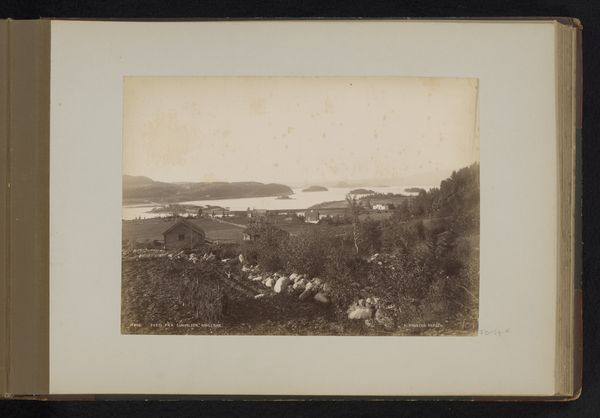
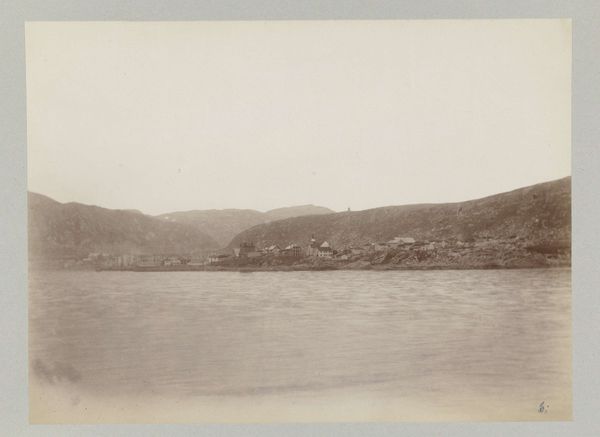
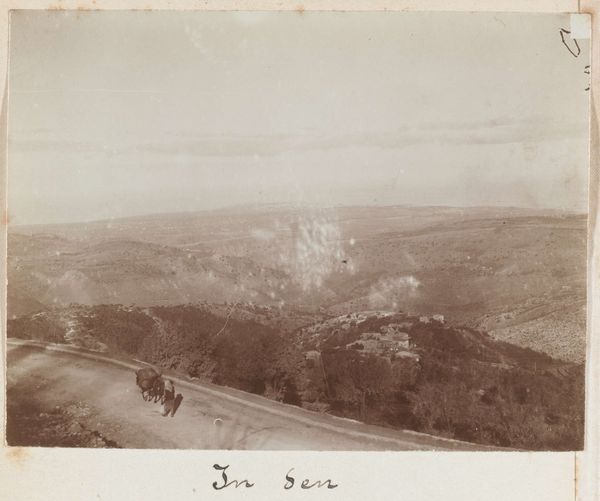
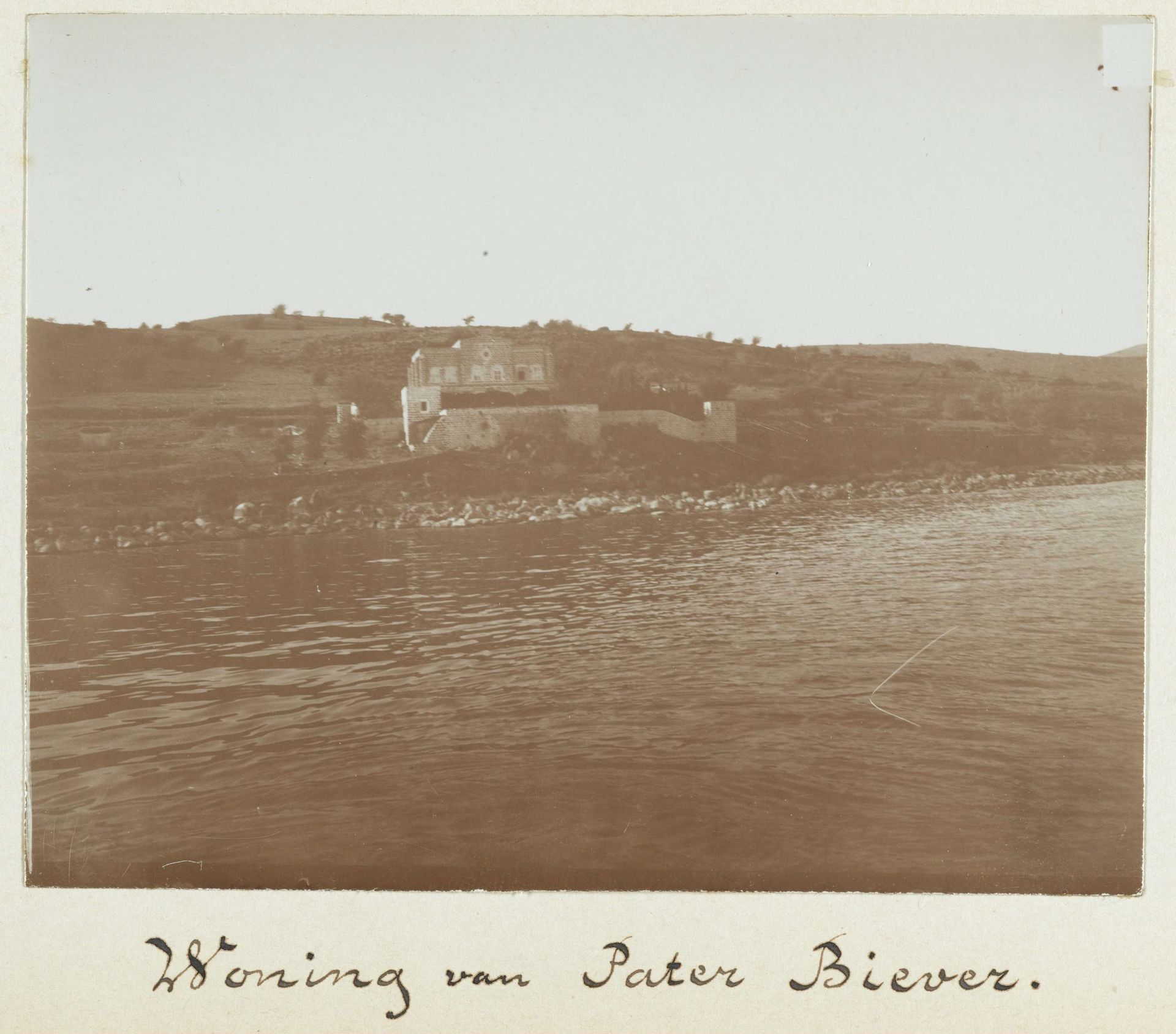
This photograph of Pater Biever's house in Tabgha, near the Sea of Galilee, was captured by Johannes Lodewijk Heldring. It's a modest albumen print, a process where paper is coated with egg white, then sensitized with silver nitrate. This material and process, common in the late 19th century, lends the image its warm sepia tones and a soft, almost dreamlike quality. Heldring's choice of albumen speaks to a moment when photography was both a craft and a burgeoning industry. The careful preparation of the paper, the precision needed in the darkroom – it all points to the labor involved. Yet, the ease with which photographs could be reproduced also signaled a shift towards mass production and consumption of images. The very act of documenting this house speaks to the rise of tourism and the human desire to capture and possess a moment, a place, through the lens. It reminds us that even seemingly simple images are intertwined with social and economic forces. Paying attention to materials and methods helps us to understand photography's broader impact on society.
Gezicht op de woning van pater Théodore Zephyrin Biever in Tabgha aan het meer van Tiberias
1898

Artwork details
- Dimensions
- height 86 mm, width 109 mm
- Copyright
- Rijks Museum: Open Domain
Comments
Share your thoughts
About this artwork
This photograph of Pater Biever's house in Tabgha, near the Sea of Galilee, was captured by Johannes Lodewijk Heldring. It's a modest albumen print, a process where paper is coated with egg white, then sensitized with silver nitrate. This material and process, common in the late 19th century, lends the image its warm sepia tones and a soft, almost dreamlike quality. Heldring's choice of albumen speaks to a moment when photography was both a craft and a burgeoning industry. The careful preparation of the paper, the precision needed in the darkroom – it all points to the labor involved. Yet, the ease with which photographs could be reproduced also signaled a shift towards mass production and consumption of images. The very act of documenting this house speaks to the rise of tourism and the human desire to capture and possess a moment, a place, through the lens. It reminds us that even seemingly simple images are intertwined with social and economic forces. Paying attention to materials and methods helps us to understand photography's broader impact on society.
Comments
Share your thoughts