About this artwork
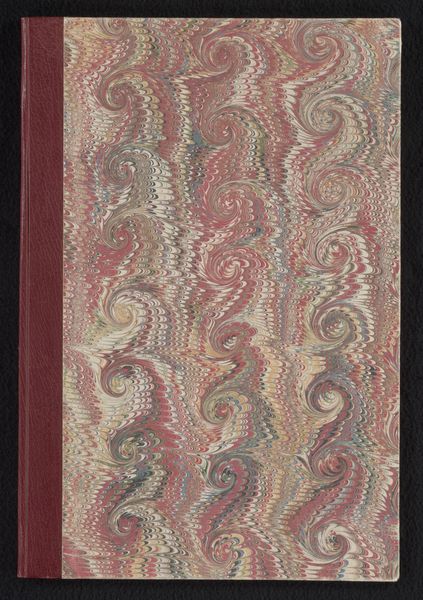
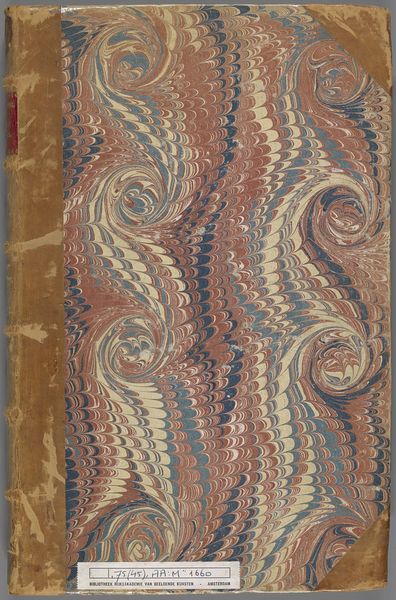
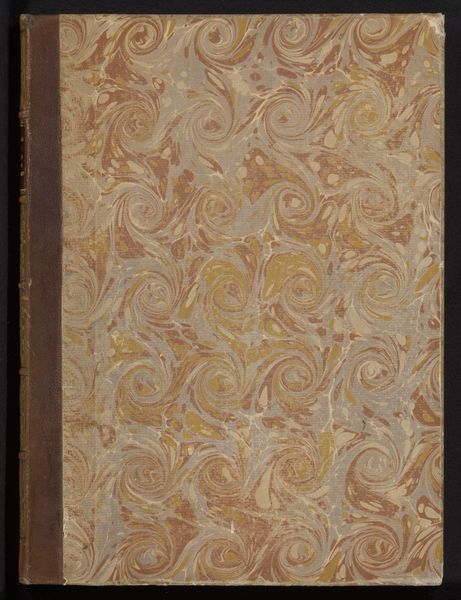
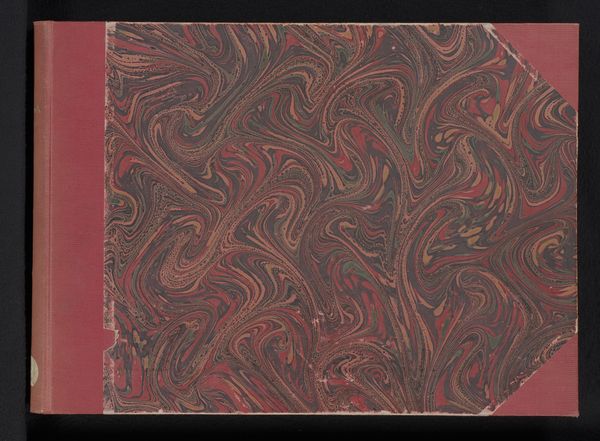
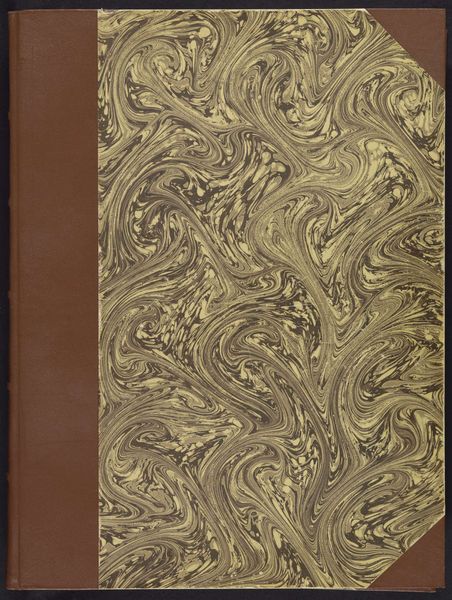
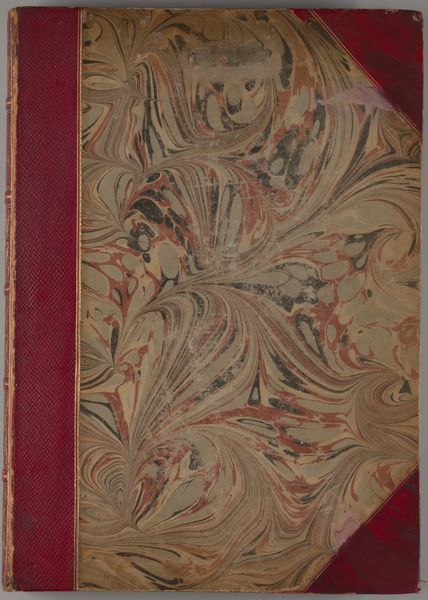
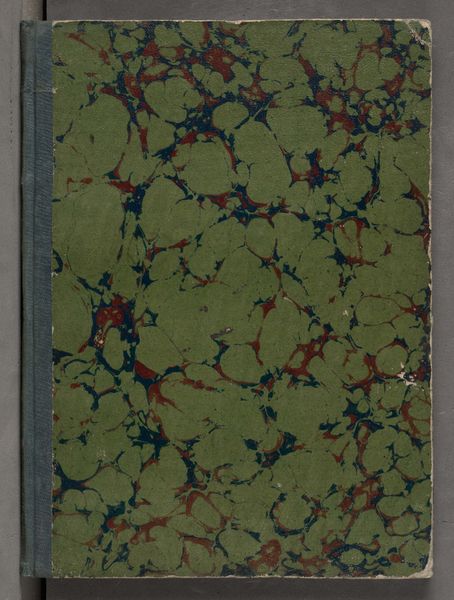
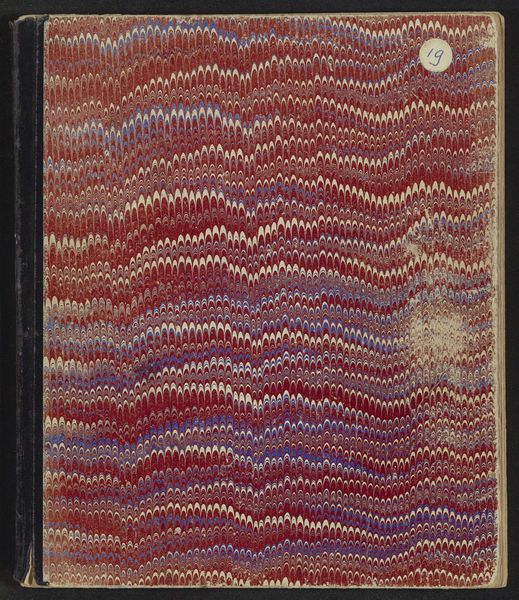
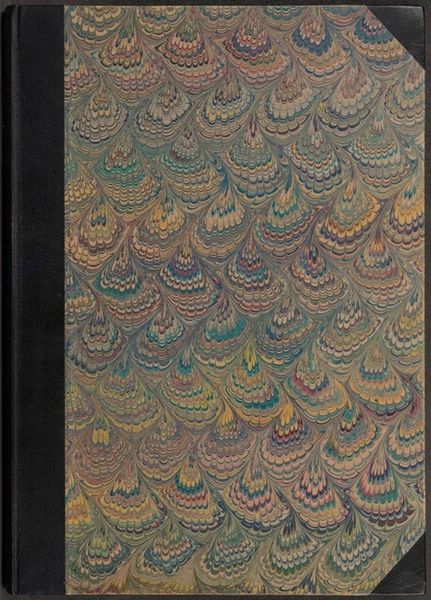
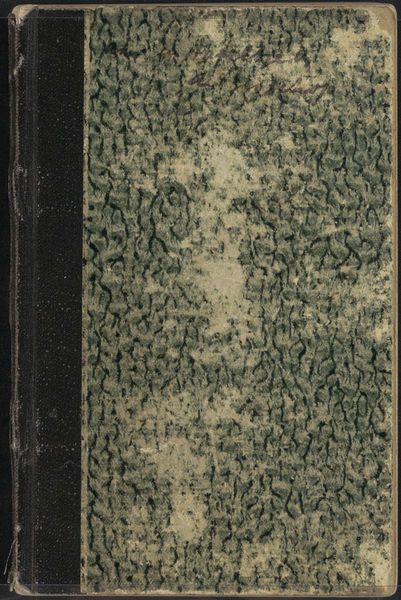
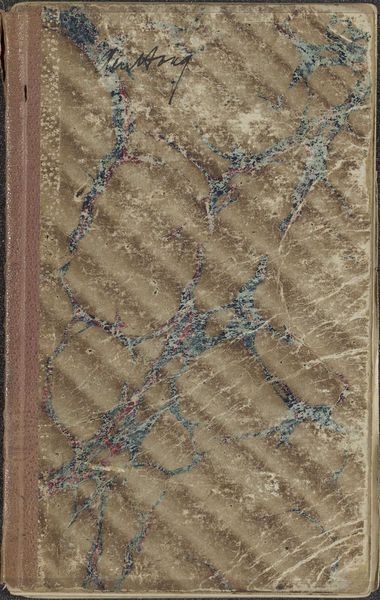
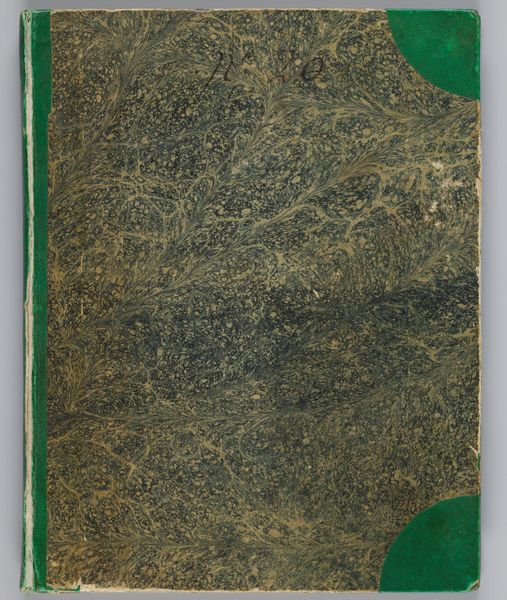
This is an album containing 124 prints after Rembrandt van Rijn, housed at the Rijksmuseum. Although the date of creation isn't specified, it is useful to consider the institutional and cultural contexts that informed the creation of albums like this. Such albums, particularly in the 18th and 19th centuries, served as curated collections, often for educational or aesthetic purposes. The act of compiling, arranging, and preserving these images speaks to a particular moment in the history of art institutions. The album format itself can tell us much about the collecting habits, display preferences, and knowledge frameworks that determined what was considered valuable or worthy of preservation. By examining how Rembrandt's works were selected, copied, and presented in this format, we can better understand the shifting reputation of artists, as well as the development of art history as an academic discipline. Investigating related archives and collections can provide valuable insight into the social life of images and objects.
Album met 124 voorstellingen naar Rembrandt
1807 - 1808

Rembrandt van Rijn
1606 - 1669Location
RijksmuseumArtwork details
- Medium
- drawing, collage, print, etching, paper
- Dimensions
- height 461 mm, width 315 mm, thickness 206 mm, width 640 mm
- Location
- Rijksmuseum
- Copyright
- Rijks Museum: Open Domain
Tags
Comments
Share your thoughts
About this artwork
This is an album containing 124 prints after Rembrandt van Rijn, housed at the Rijksmuseum. Although the date of creation isn't specified, it is useful to consider the institutional and cultural contexts that informed the creation of albums like this. Such albums, particularly in the 18th and 19th centuries, served as curated collections, often for educational or aesthetic purposes. The act of compiling, arranging, and preserving these images speaks to a particular moment in the history of art institutions. The album format itself can tell us much about the collecting habits, display preferences, and knowledge frameworks that determined what was considered valuable or worthy of preservation. By examining how Rembrandt's works were selected, copied, and presented in this format, we can better understand the shifting reputation of artists, as well as the development of art history as an academic discipline. Investigating related archives and collections can provide valuable insight into the social life of images and objects.
Comments
Share your thoughts