18th-19th century
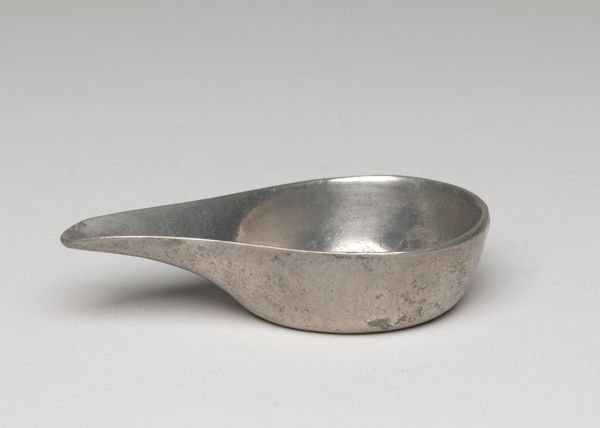
Pap boat


Listen to curator's interpretation
Curatorial notes
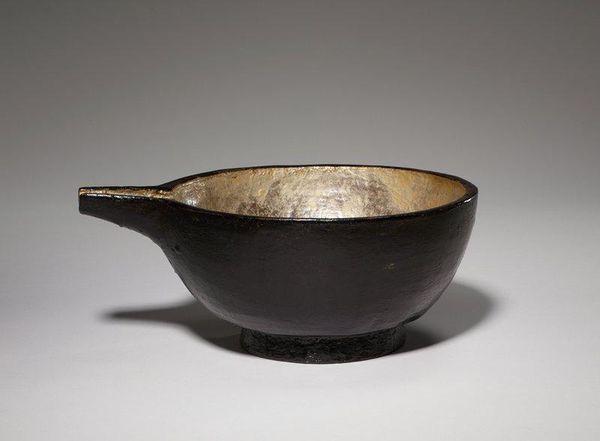
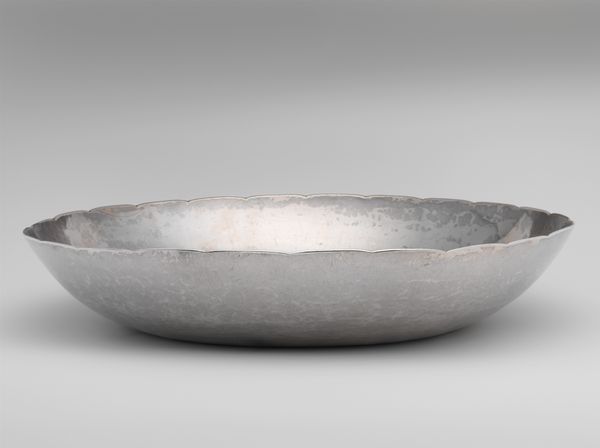
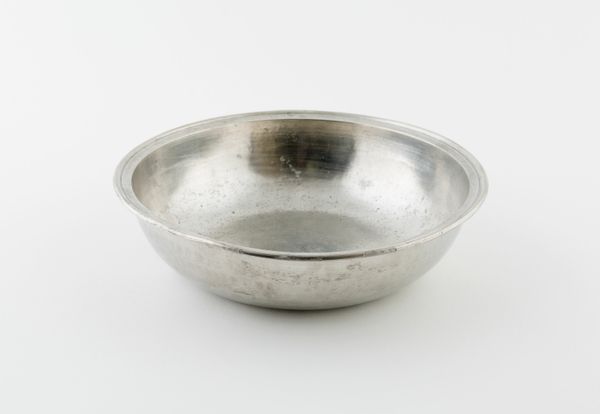
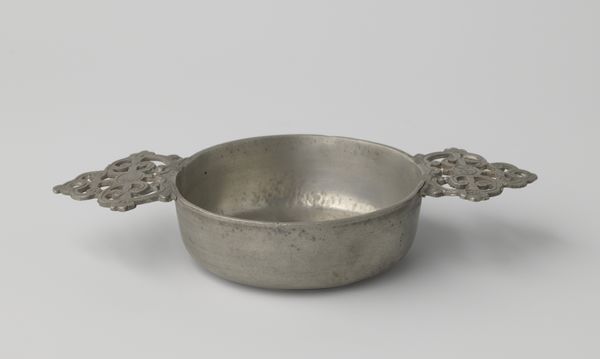
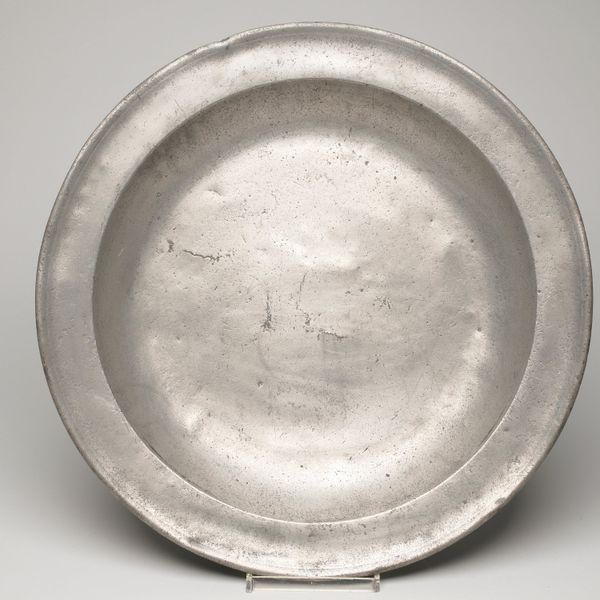
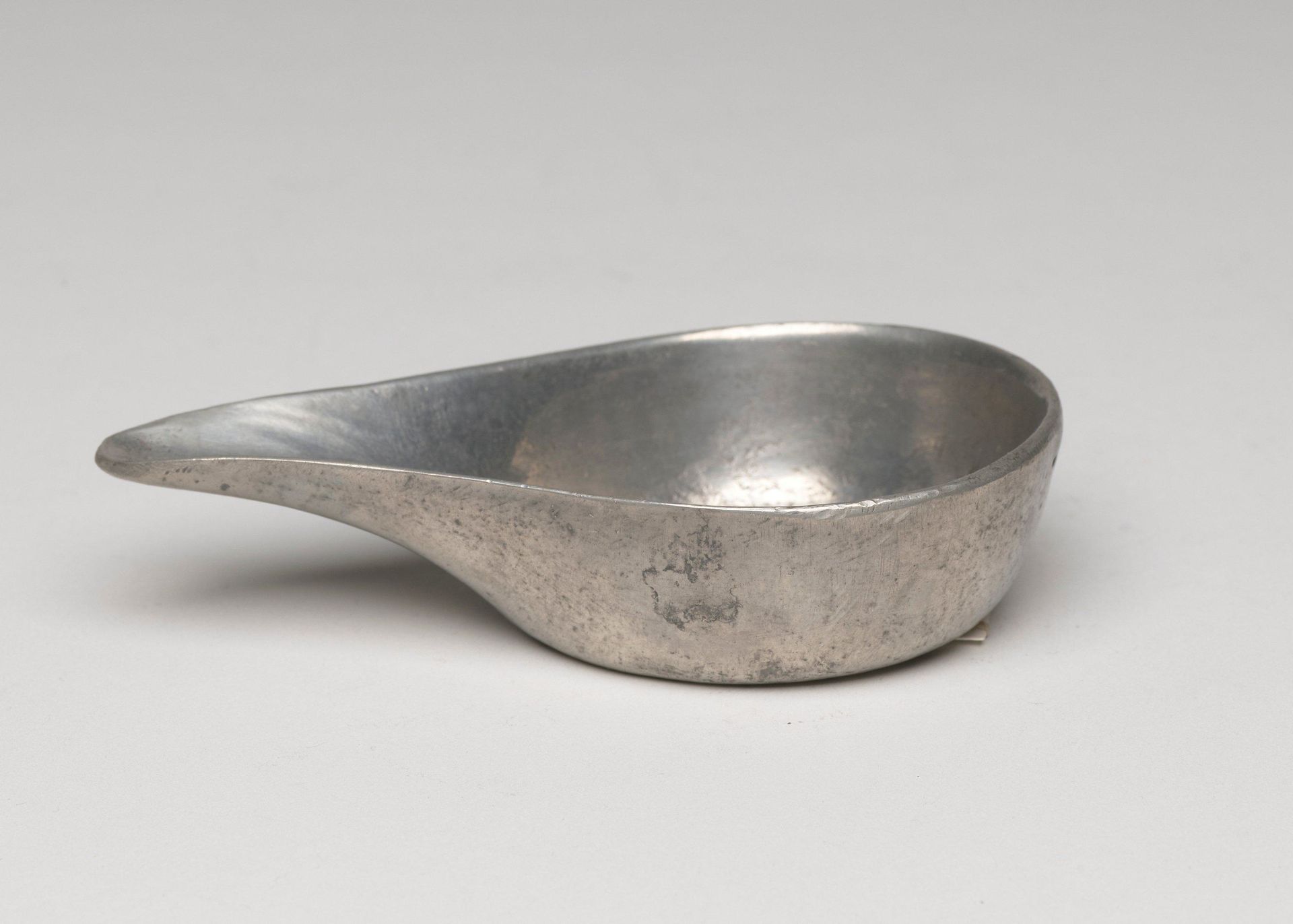
Curator: Welcome. Before us is an object titled "Pap boat," an intriguing metal sculpture crafted anonymously sometime during the 18th or 19th century. Editor: The coldness of the metal juxtaposes with its almost delicate, teardrop shape. It evokes a sense of aged practicality, wouldn’t you agree? Curator: Precisely. Note the unadorned simplicity of the design; its form adheres purely to function. It’s almost a study in minimalist sculpture. Editor: "Pap boat"… The name implies a purpose. I’d guess, given its boat-like shape, that it served some nurturing role—a vessel perhaps associated with infancy, feeding or perhaps even medicinal purposes. Curator: Your intuition resonates well with scholarly consensus; historical evidence strongly indicates it was utilized to feed infants and invalids, especially when solid food was not easily ingested. We might then view this object as more than just a feeding utensil; it is emblematic of maternal care and rudimentary medical practice in bygone eras. The lack of ornamentation keeps the focus purely on utility; it is the paradigm of its purpose. Editor: And yet, even within this pragmatism, I find symbolic resonance. The gentle curve recalls a mother’s embrace, the act of feeding, nurturing…an offering of sustenance. Curator: A cogent analysis, and the patina accumulating with age does, in fact, enhance the perception. I suggest, it transcends its initial role. The unrefined quality of the piece adds to its charm. Editor: Yes, an item meant for comfort, reminding us of fundamental care, from an epoch with limited medical tools. The object’s directness makes me contemplate survival in a world before advanced technologies. Curator: Absolutely. In summation, this object's austere composition, along with the functionality of its form, renders it particularly arresting and worth thoughtful attention. Editor: Indeed, it has served its purpose for centuries, reminding us that sometimes the most mundane articles embody rich layers of past interactions.