1752
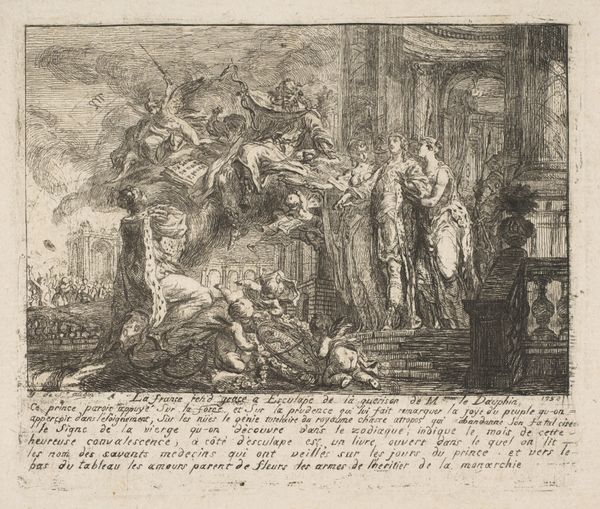
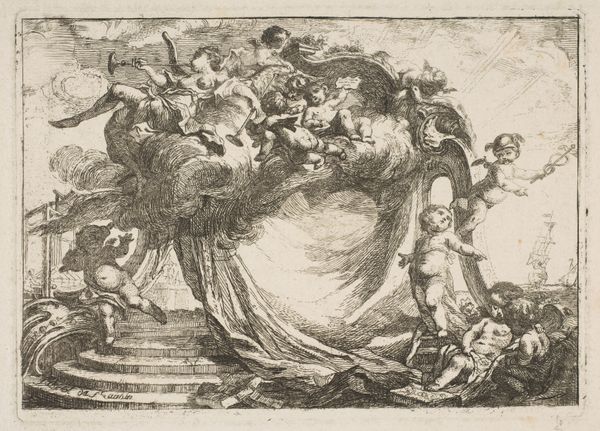
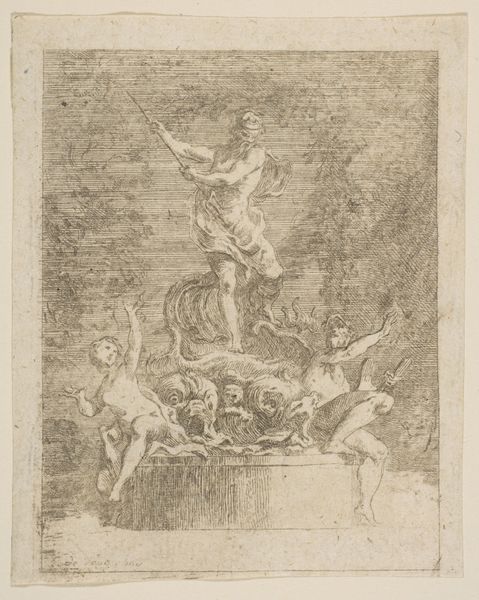
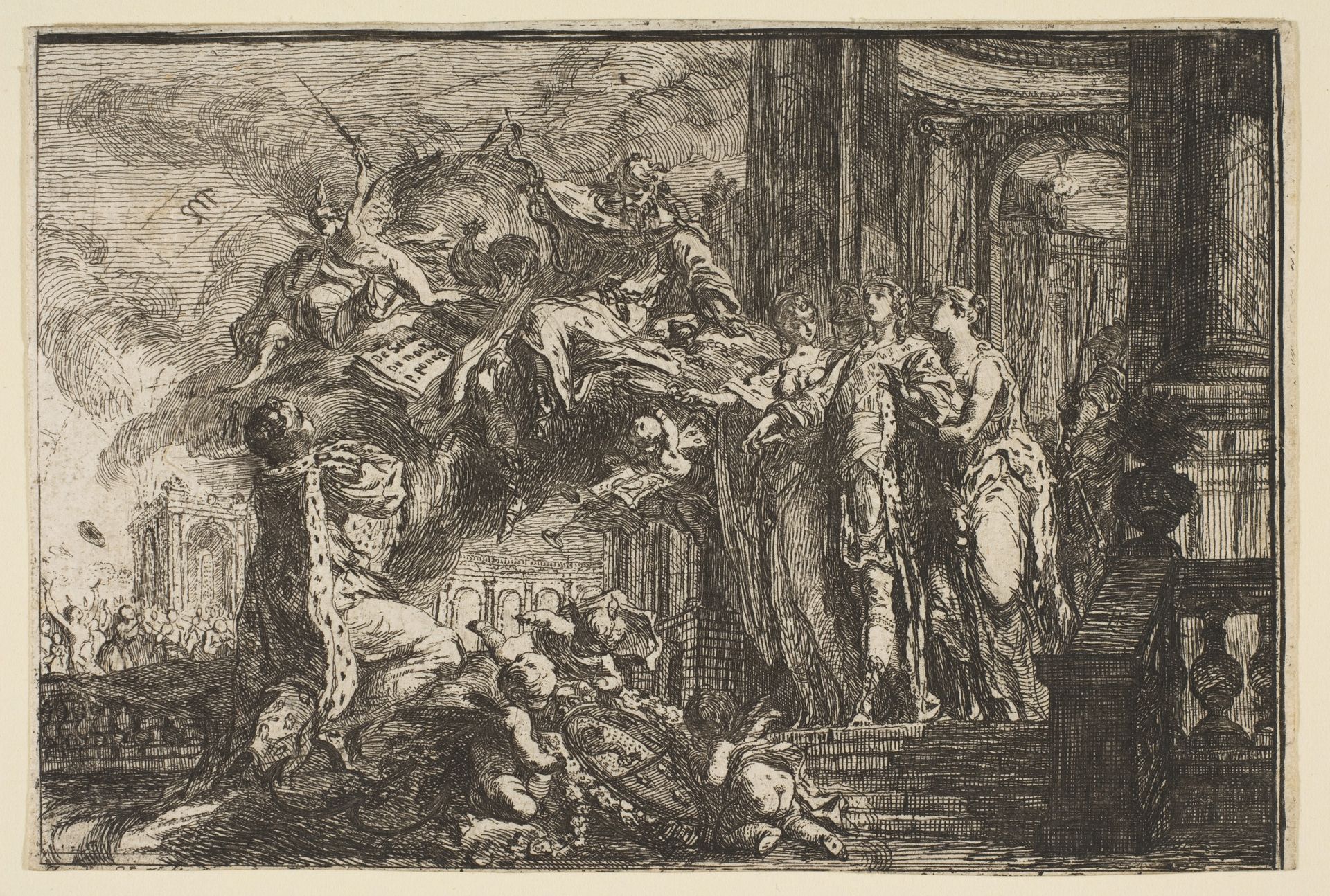
Allegorie sur la Convalescence du Dauphin

Gabriel de Saint-Aubin
1724 - 1780
The Metropolitan Museum of Art
Metropolitan Museum of Art, New York, NYListen to curator's interpretation
Curatorial notes
Gabriel de Saint-Aubin created this etching, “Allegory on the Recovery of the Dauphin,” in France in the 1700s. It’s a fascinating snapshot of the social function of art within the French court. The image presents us with a dramatic, symbolic scene. The Dauphin, heir to the throne, is shown being elevated to the heavens, symbolizing recovery from an illness. We can see figures from classical mythology, suggesting that the royal family has divine approval. Below, putti playfully destroy weapons, an allegory of peace brought about through Louis XV’s reign. This work is interesting because it reflects the ways in which art served the monarchy, reinforcing its power and legitimacy through spectacle and grand narratives. Art historians would explore court records, publications, and other visual materials to understand the intricate relationship between the artist, the monarchy, and the public. This helps us to see how art can be deeply embedded in the social and institutional structures of its time.