About this artwork
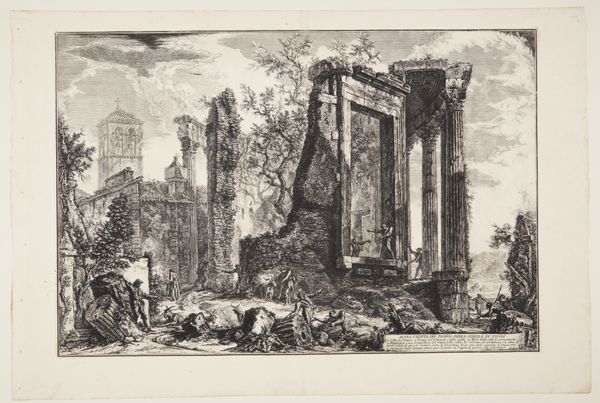
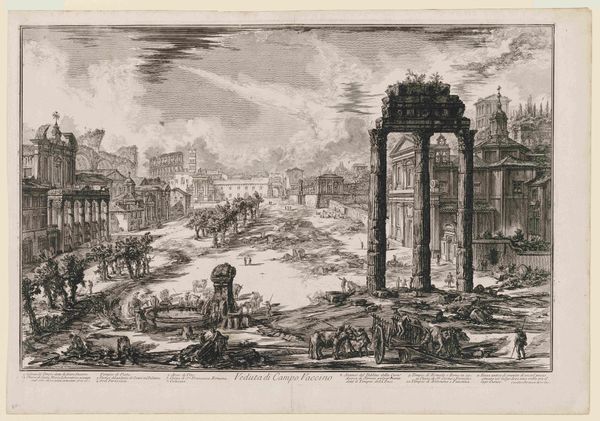
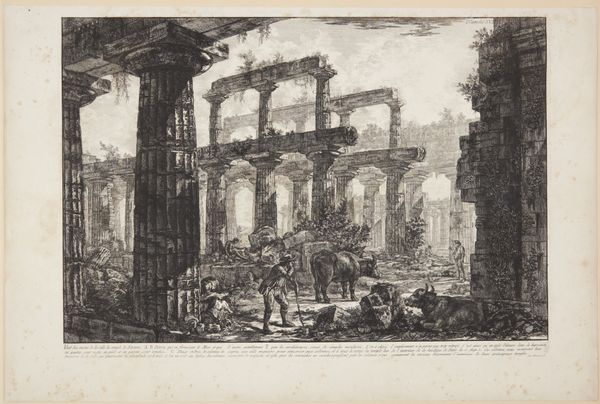
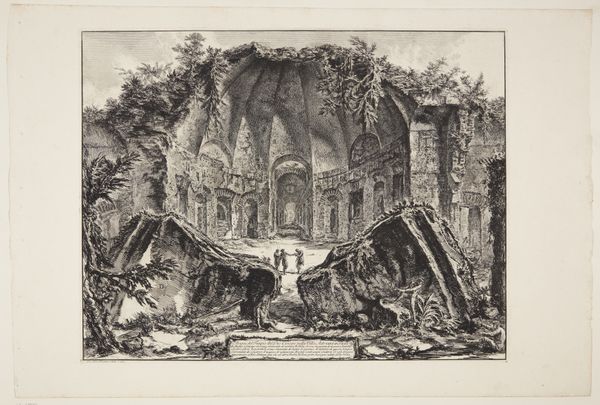
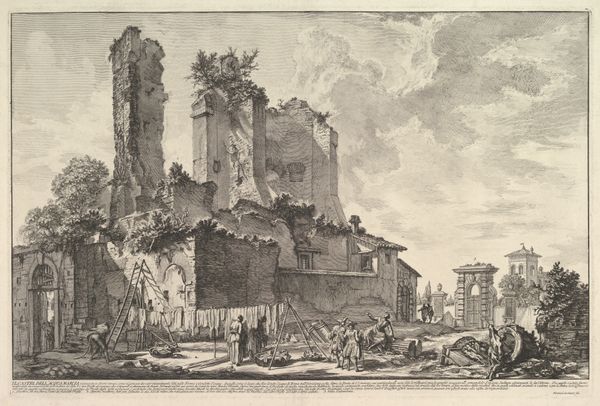
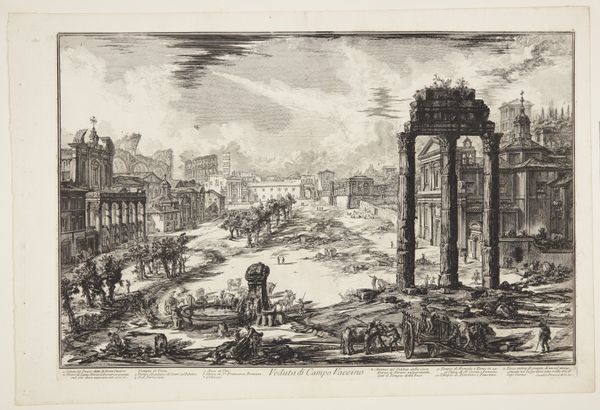
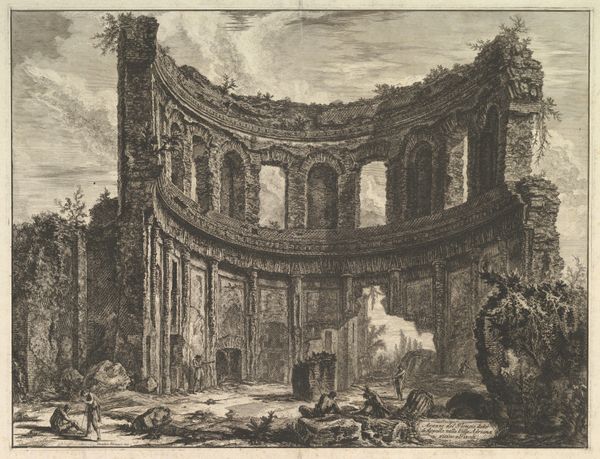
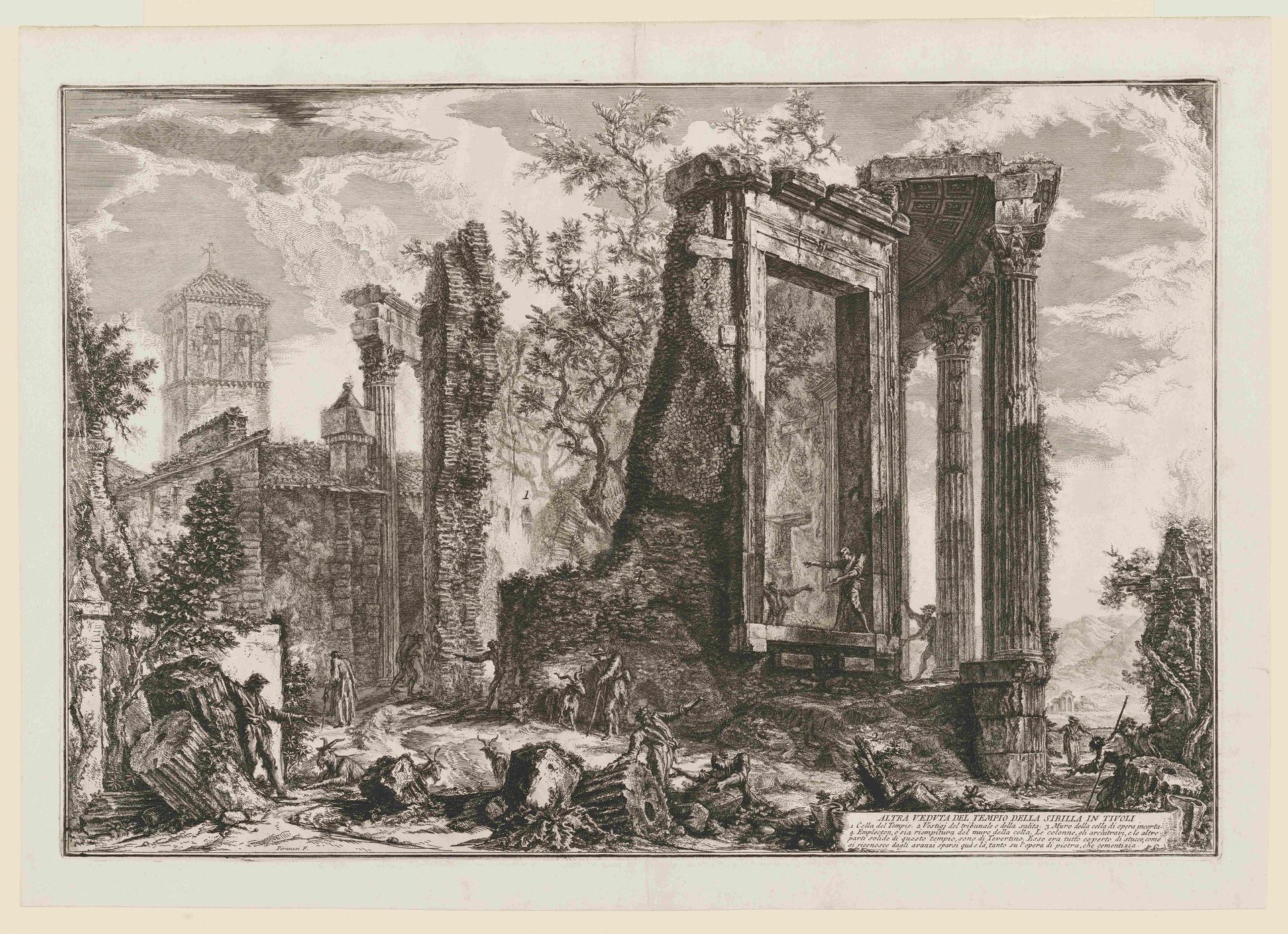
Giovanni Battista Piranesi etched "The Temple of Sibyl" to show the temple ruins. But observe: columns, steadfast and tall, are monuments of human aspiration. The column—a visual echo, isn't it? Think of the Tree of Life, a vertical axis mundi, found in ancient cultures. Or consider the pillars of Gothic cathedrals, reaching for the heavens, striving for divine connection. Here, too, in Piranesi's etching, the columns of the Temple of Sibyl stand as testaments to humanity's search for higher meaning. Even in decay, a powerful force remains. The temple's crumbling facade becomes a metaphor for the transience of earthly power, a subtle memento mori. It evokes a deep, subconscious awareness of mortality and the passage of time. This creates an emotional experience, engaging us on a primal level. The ruin returns again and again, in painting, architecture, photography... its cyclical journey never-ending.
The Temple of Sibyl
c. 18th century


Artwork details
- Medium
- print, etching, drypoint, engraving
- Dimensions
- 17 1/2 x 26 3/16 in. (44.45 x 66.52 cm) (plate)20 3/16 x 28 1/4 in. (51.28 x 71.76 cm) (sheet)
- Location
- Minneapolis Institute of Art
- Copyright
- Public Domain
Tags
etching
landscape
romanesque
ancient-mediterranean
history-painting
drypoint
engraving
Comments
Be the first to share your thoughts about this work.
About this artwork
Giovanni Battista Piranesi etched "The Temple of Sibyl" to show the temple ruins. But observe: columns, steadfast and tall, are monuments of human aspiration. The column—a visual echo, isn't it? Think of the Tree of Life, a vertical axis mundi, found in ancient cultures. Or consider the pillars of Gothic cathedrals, reaching for the heavens, striving for divine connection. Here, too, in Piranesi's etching, the columns of the Temple of Sibyl stand as testaments to humanity's search for higher meaning. Even in decay, a powerful force remains. The temple's crumbling facade becomes a metaphor for the transience of earthly power, a subtle memento mori. It evokes a deep, subconscious awareness of mortality and the passage of time. This creates an emotional experience, engaging us on a primal level. The ruin returns again and again, in painting, architecture, photography... its cyclical journey never-ending.
Comments
Be the first to share your thoughts about this work.