About this artwork
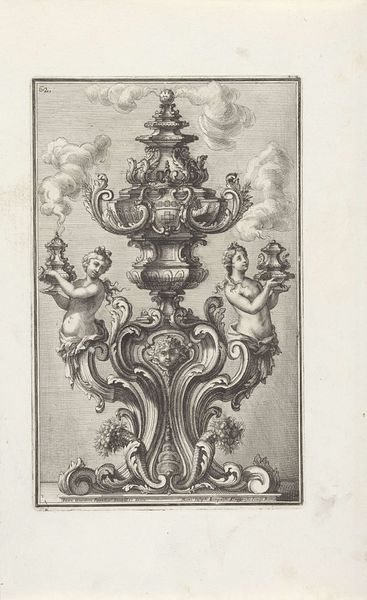
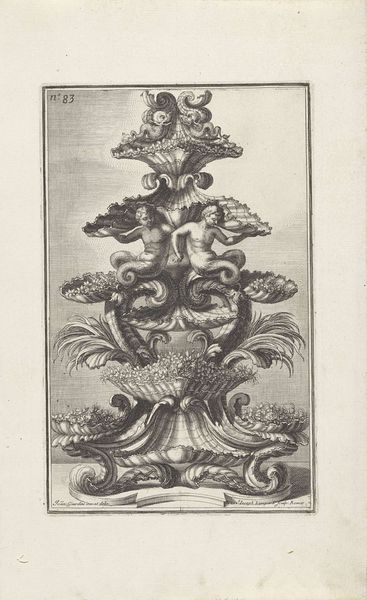
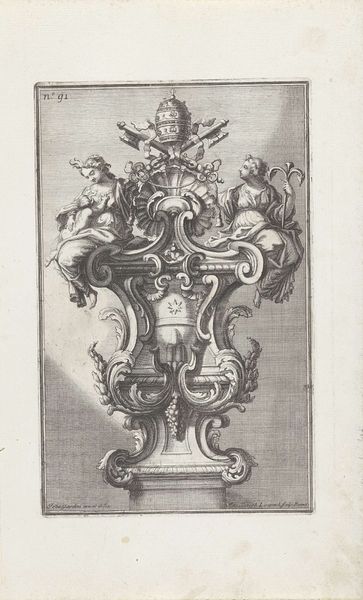
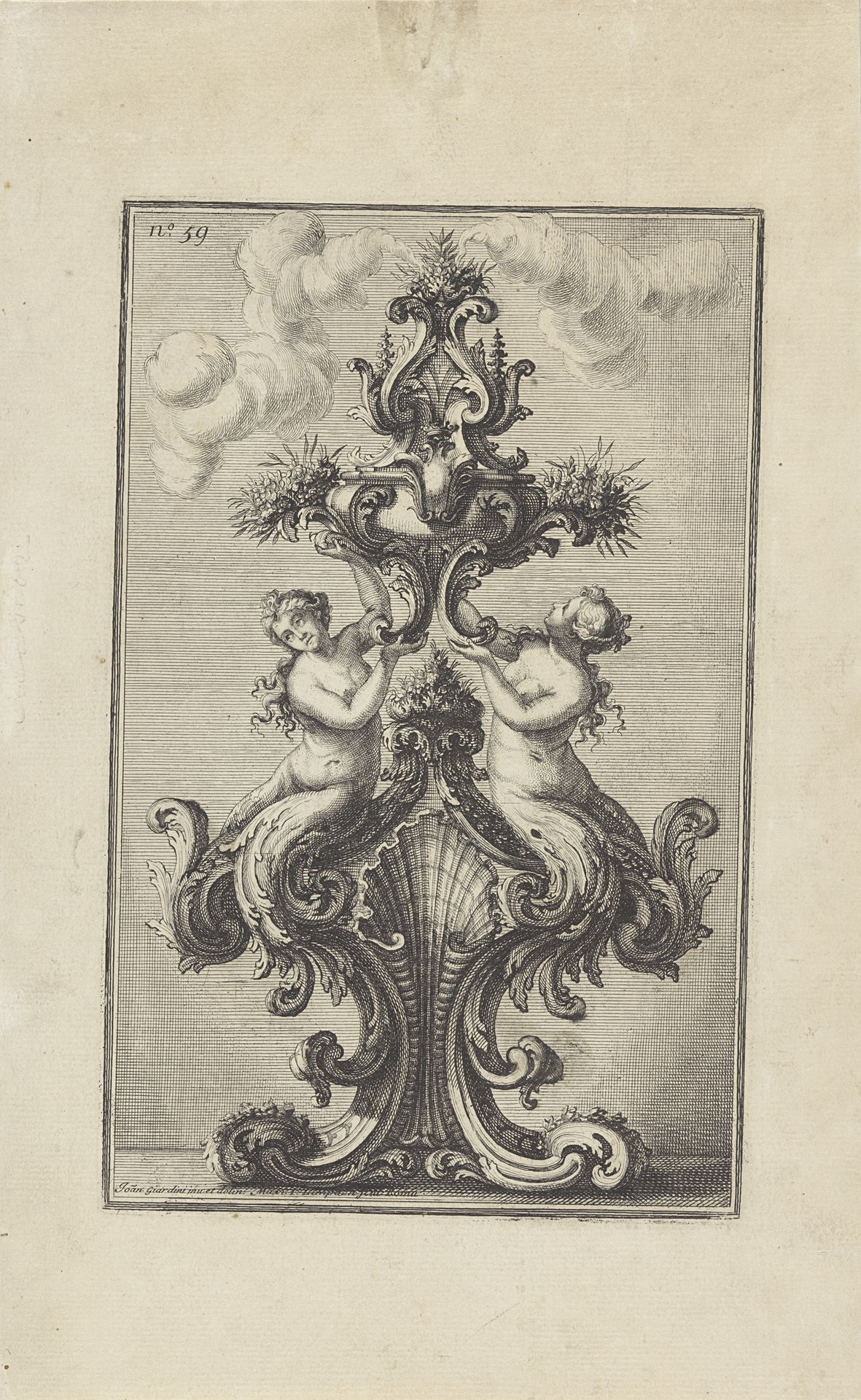
This print of an incense burner with two women, now in the Rijksmuseum, was made by Maximilian Joseph Limpach. Its medium is etching, which involves drawing an image into a wax ground on a metal plate, then exposing it to acid. This relatively simple technique allowed for detailed reproduction and widespread dissemination of designs. The print showcases an object of luxury, conceived in the florid Rococo style. But it also exemplifies a tension. Note the contrast between the elaborate, handcrafted aesthetic of the incense burner and the relatively cheap, mechanized process by which the image was made. The very qualities that made etching attractive - its accessibility, its reproducibility - also signaled a break from older traditions of unique, virtuoso craftsmanship. While offering a glimpse into the world of high style, the print also reminds us of the changing dynamics of labor, production, and consumption in the 18th century. By attending to materials, making, and context, we can better appreciate the complexities of creative expression.
Wierookbrander met twee vrouwen uitlopend in bladornament
1714

Maximilian Joseph Limpach
@maximilianjosephlimpachLocation
RijksmuseumArtwork details
- Medium
- print, engraving
- Dimensions
- height 274 mm, width 175 mm
- Location
- Rijksmuseum
- Copyright
- Rijks Museum: Open Domain
Tags
pencil drawn
baroque
old engraving style
decorative-art
nude
engraving
Comments
Be the first to share your thoughts about this work.
About this artwork
This print of an incense burner with two women, now in the Rijksmuseum, was made by Maximilian Joseph Limpach. Its medium is etching, which involves drawing an image into a wax ground on a metal plate, then exposing it to acid. This relatively simple technique allowed for detailed reproduction and widespread dissemination of designs. The print showcases an object of luxury, conceived in the florid Rococo style. But it also exemplifies a tension. Note the contrast between the elaborate, handcrafted aesthetic of the incense burner and the relatively cheap, mechanized process by which the image was made. The very qualities that made etching attractive - its accessibility, its reproducibility - also signaled a break from older traditions of unique, virtuoso craftsmanship. While offering a glimpse into the world of high style, the print also reminds us of the changing dynamics of labor, production, and consumption in the 18th century. By attending to materials, making, and context, we can better appreciate the complexities of creative expression.
Comments
Be the first to share your thoughts about this work.