1632 - 1670
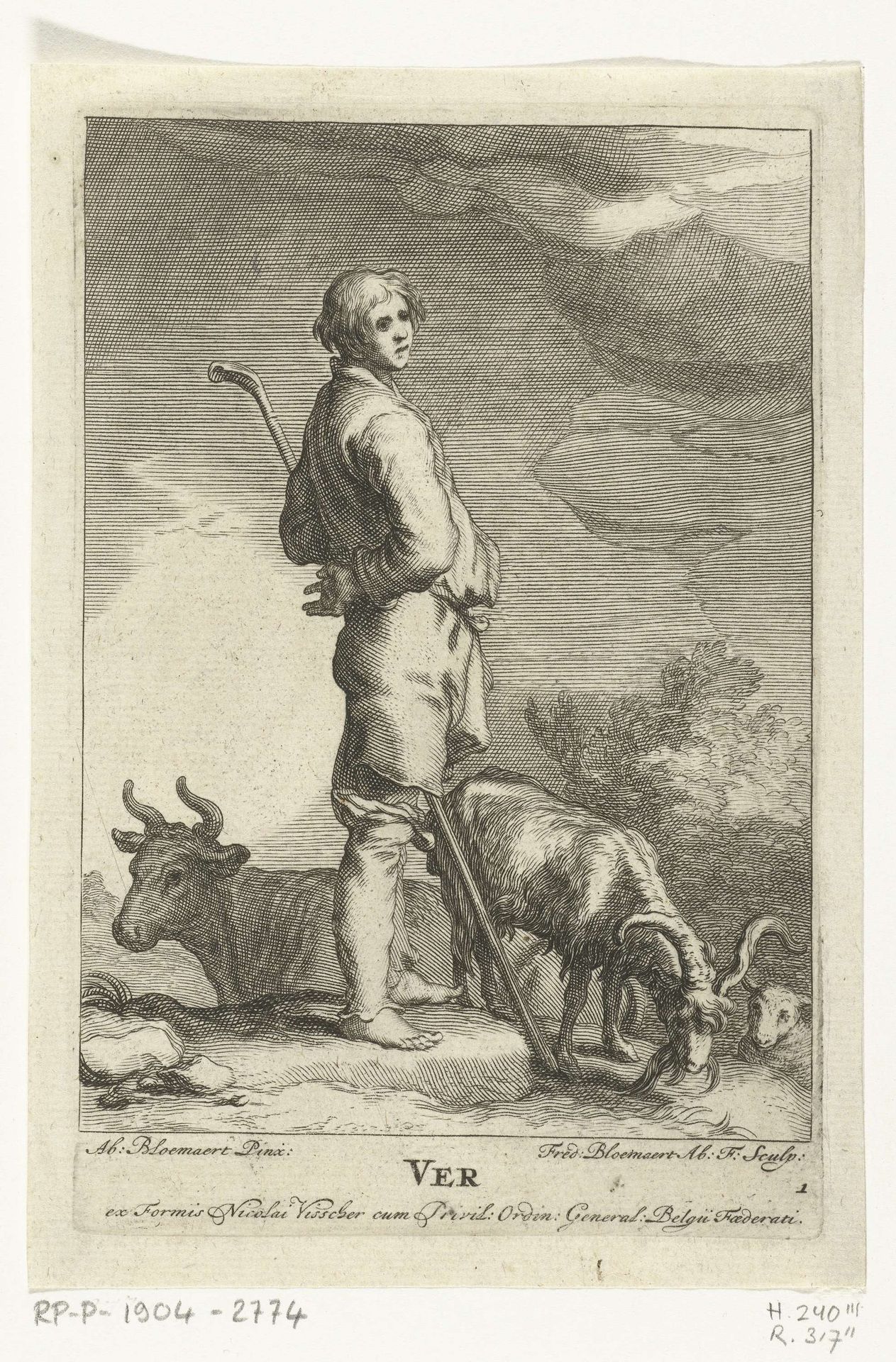
Lente

Frederick Bloemaert
1610Location
RijksmuseumListen to curator's interpretation
Curatorial notes
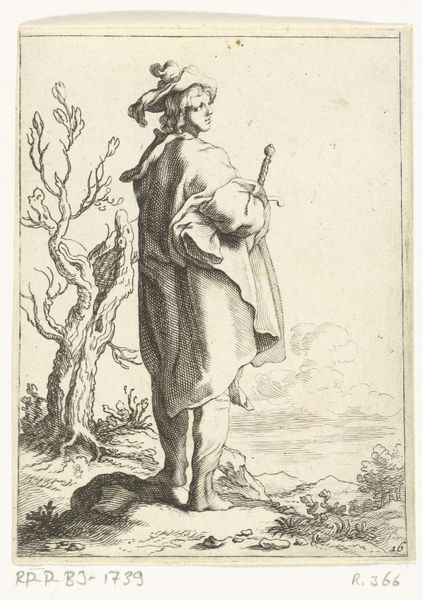
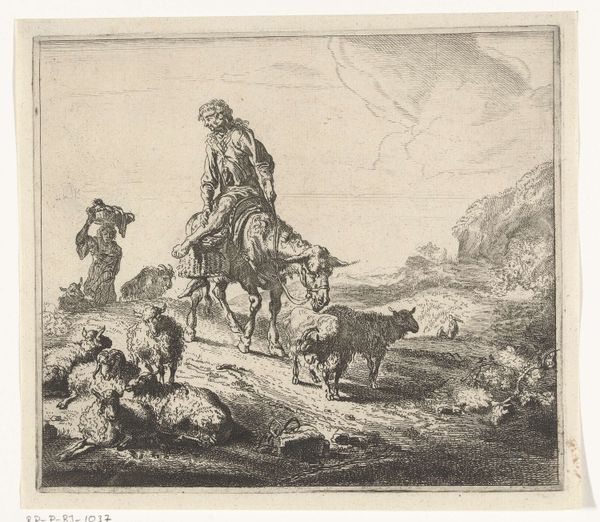
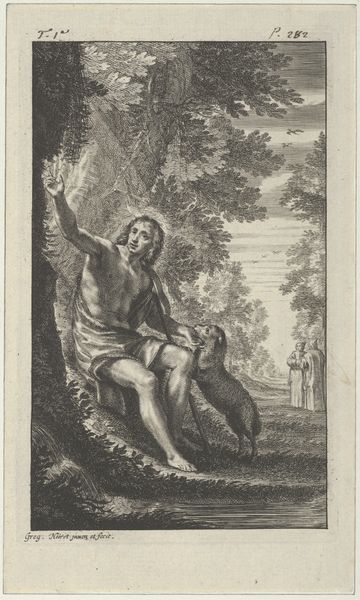
Editor: So, this is "Lente," or "Spring," by Frederick Bloemaert, sometime between 1632 and 1670. It's an engraving. It gives me this… nostalgic feeling? Almost like a staged memory of simpler times. What do you see in this piece? Curator: I see a deliberate construction of pastoral ideals meant to appeal to a specific, probably urban, audience. Notice the idealized shepherd boy. His pose isn't just about looking back; it's a calculated glance toward the viewer, inviting a certain sentimentality about rural life. Does this strike you as authentic, or is it presenting a crafted vision? Editor: It definitely feels crafted. Like, a romanticized idea of what country life *should* be, not necessarily what it *is*. Was that a common theme in art back then? Curator: Precisely. Think about the patrons of Bloemaert's prints. Likely members of the rising merchant class in Dutch cities. They're acquiring these images not necessarily for documentary purposes, but to create a sense of cultivated gentility and a connection to a 'natural' past. It reinforced social hierarchies and a yearning for simpler values within an increasingly complex urban world. What does the inclusion of farm animals tell you about the values the piece promoted? Editor: Hmm... Maybe a sense of prosperity and the harmony between people and nature. Thanks for this perspective; I see it much more clearly now. Curator: And I appreciate your insightful observations about its nostalgic feeling. Thinking about art's place in the broader culture definitely sheds new light on these images, doesn't it?